A Strong Start: 2024 Poised to Be the Breakthrough Year for Oligonucleotide Therapeutics
Ribo Life Science
Small Nucleic Acid Drug Developer
Argo
RNAi Drug Developer
Good news in the small nucleic acid drug field at the beginning of the year.
On January 3, Ribo Life Science announced a collaboration with Boehringer Ingelheim to jointly develop innovative small nucleic acid therapies for the treatment of non-alcoholic or metabolic dysfunction-associated steatohepatitis (MASH). According to the terms of the agreement, in addition to receiving an upfront payment, Ribo Life Science will also be eligible for milestone payments based on the progress of clinical studies, regulatory submissions, and commercial success, as well as tiered royalties on sales of the marketed product. The total value of the deal exceeds $2 billion, reigniting excitement in the small nucleic acid drug field.
On January 7, Argo Biopharma announced that it had signed two exclusive license and cooperation agreements with Novartis. Novartis obtained the rights outside Greater China for a cardiovascular project currently in Phase 1/2a clinical trials, the global rights for a cardiovascular project currently in Phase 1 clinical trials, and options for up to two other cardiovascular projects. Argo received an upfront payment of $185 million, with the potential total value of the collaboration reaching up to $4.165 billion.
Ribo Life Science was founded in 2007 and is committed to developing RNA interference (RNAi) drugs. Currently, eight small nucleic acid drugs have entered clinical trials, with research pipelines covering chronic diseases, oncology, inflammation, and ophthalmology. Among them, five are based on the company’s self-developed GalNAc (N-acetylgalactosamine, currently the most common conjugation system) small nucleic acid drug delivery technology platform, RIBO-GalSTARTM, which features highly specific liver targeting, high efficiency, and long-lasting effects.
RBD1016 in the field of liver diseases has entered Phase 2 and Phase 1 global clinical trials for its two indications, hepatitis B and hepatitis C, respectively. Additionally, Ribo Life Science has another siRNA drug, RBD1007, which targets Caspases 2 for optic nerve protection. Its indication under research, non-arteritic anterior ischemic optic neuropathy (NAION), is already in Phase 3 clinical trials.
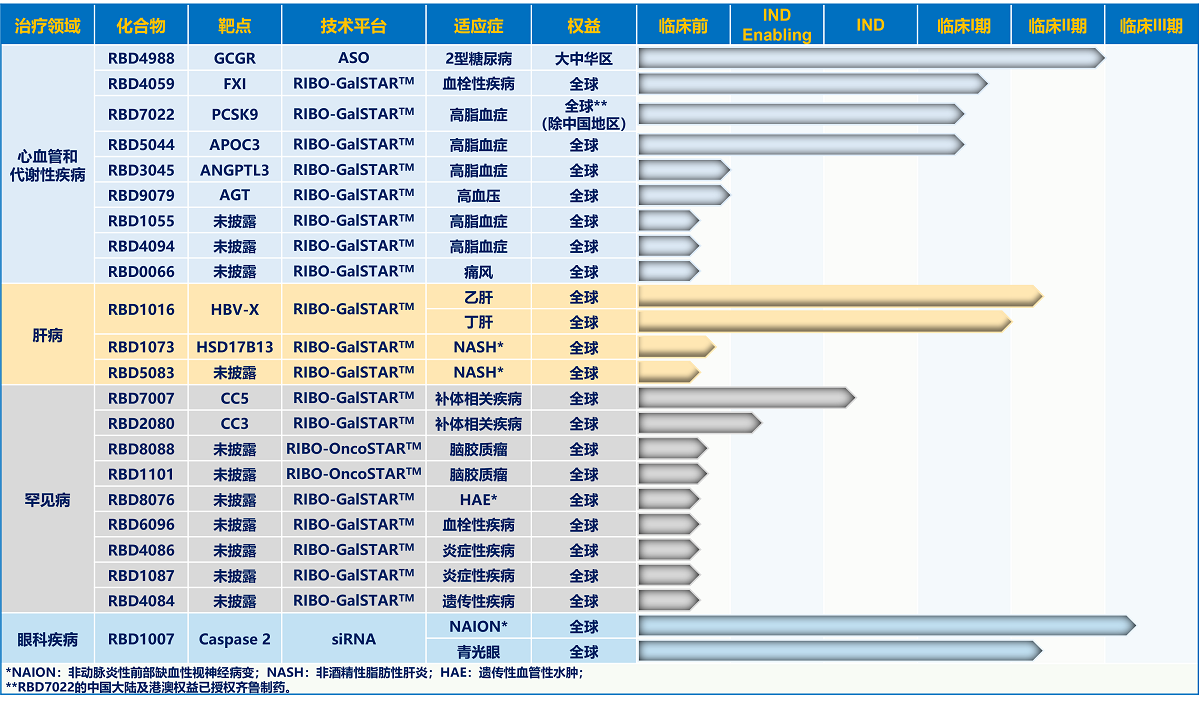
Figure 1: Ribo Life Science's R&D Pipeline
Image Source: Ribo Life Science Official Website
Argo, established in April 2021, focuses on the development of siRNA drugs. In less than three years since its founding, it has built multiple technology platforms and a rich R&D pipeline, with product pipelines established in the fields of cardiovascular diseases, rare diseases, viral infections, metabolic diseases, and central nervous system disorders.
BW-01 and BW-02 in the cardiovascular field have entered the clinical stage and are highly likely to be the core products authorized to Novartis this time. According to the filing information, these two cardiovascular products are used for treating dyslipidemia and hypertension, respectively.
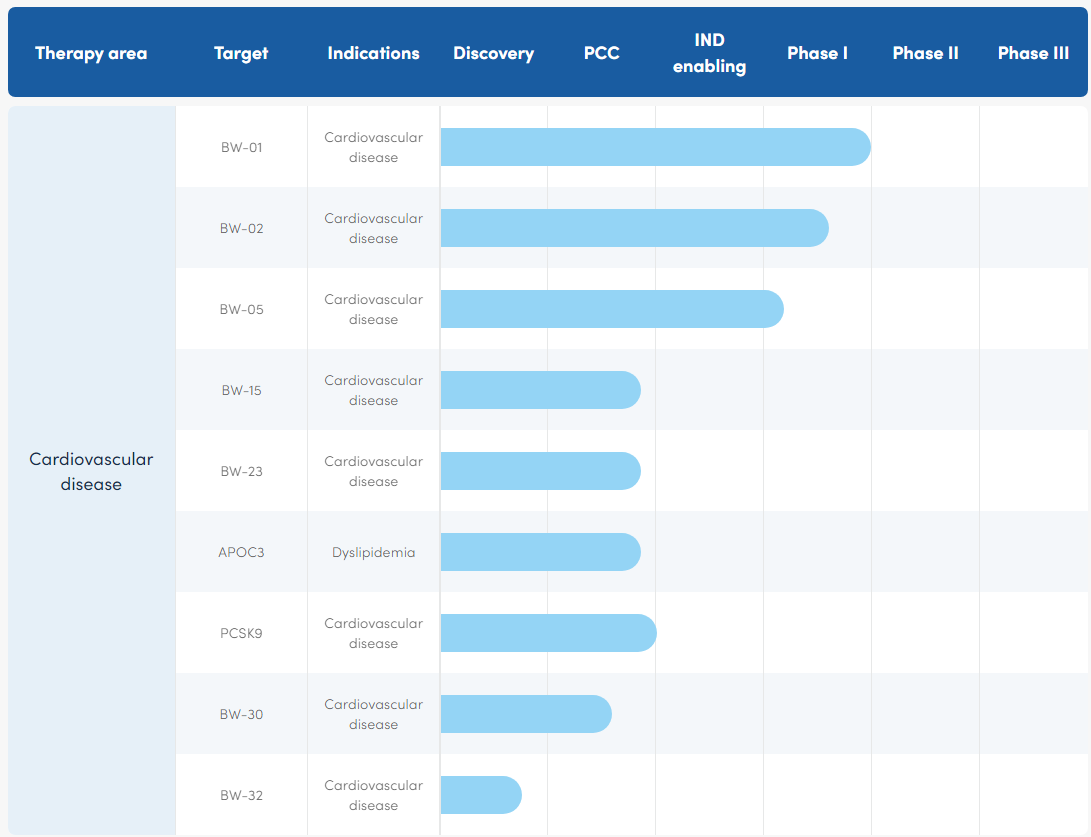
Figure 2: Argo's Cardiovascular R&D Pipeline
Image Source: Argo's official website
Advantages of Small Nucleic Acid Drugs
RNA therapy is mainly divided into two major categories: mRNA therapy and oligonucleotide drugs (small nucleic acids).
Small nucleic acid drugs are typically single-stranded or double-stranded DNA or RNA molecules, usually tens of base pairs in length. They primarily function by targeting mRNA within cells through base pairing, regulating protein expression to achieve therapeutic effects. Compared with traditional chemical drugs and biologics, small nucleic acid drugs offer several advantages:
Targeting the Undruggable
RNA can interact with all three major forms of biological macromolecules (DNA, RNA, and proteins), so one of the greatest advantages of RNA-based drugs is their ability to target nearly all genetic components within a cell. This expands the range of druggable targets for RNA therapies, including traditional proteins as well as previously undruggable or "undruggable" transcripts and genes.
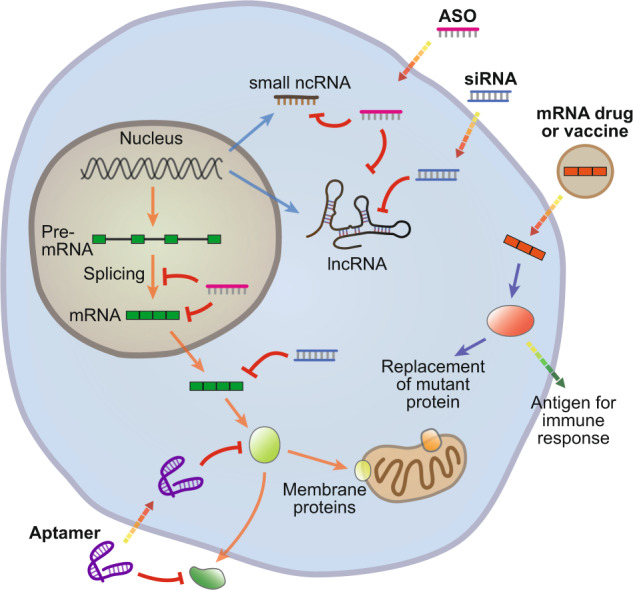
Figure 3 RNA Therapies Can Target Multiple Cellular Molecules
Image Source: Reference 3
Simple design and development
The development process for small molecule or antibody drugs takes several years, but for RNA drugs, once the chemical structure of the RNA and the method of delivery into the body are determined, RNA-based drugs can be quickly designed and synthesized for clinical testing.
Long-lasting effect
Natural RNA is easily degraded by nucleases, but after various modifications to its synthesis, the stability of RNA is greatly increased. For example, Novartis' lipid-lowering siRNA therapy Leqvio, which targets PCSK9 and was launched in 2021, can maintain its lipid-lowering effect for more than six months after a single injection, significantly extending the dosing interval.
Rare Diseases
Due to the inability to guarantee profits in the research and development of drugs for rare diseases, pharmaceutical companies are not highly motivated to produce treatments for these conditions. In the case of RNA-based drugs, once the chemical properties of RNA and its delivery systems are optimized, the cost of developing such drugs will be significantly reduced. Personalized RNA drugs offer the possibility of highly efficient treatments for very rare diseases.
No Genotoxicity Risk
Compared with gene therapy, RNA therapy does not have significant genotoxicity. In gene therapy, viral vectors are used to deliver DNA molecules into cells, which may integrate into the genome and cause mutations. The use of RNA can avoid this potential risk.
Higher success rate
Small nucleic acid drugs, with advantages such as small molecular weight, multiple targets, long half-life, and low production costs, have a higher success rate in drug development. For example, Alnylam, a company developing RNA therapies, achieved clinical success rates of 86.7%, 81.8%, and 87.5% for Phase 1, Phase 2, and Phase 3 trials respectively between 2012 and 2022, all exceeding 80%. The overall success rate for the clinical stage of new drug development was as high as 62%.
The Awakening of Small Nucleic Acid Drugs
In 1978, Harvard researchers first proposed the ASO concept.
The mechanism of RNAi was first elucidated in 1998 and was awarded the Nobel Prize in Physiology or Medicine in 2006.
In 1998, the world's first nucleic acid drug and the first ASO drug, fomivirsen sodium, were approved.
The first RNA aptamer drug, pegaptanib sodium (Pegaptanib), was approved in 2004.
The first siRNA drug, Patisiran, was approved for marketing in 2018.
Currently approved small nucleic acid drugs are roughly divided by mechanism of action into: antisense oligonucleotides (ASO), splice-switching oligonucleotides (SSO), RNA interference (RNAi), and RNA aptamers targeting proteins. Current research on small nucleic acid drugs mainly focuses on ASOs and siRNAs within RNA interference.
As of the end of 2023, 19 small nucleic acid drugs have been approved for marketing worldwide, with therapeutic areas mainly concentrated in rare diseases such as DMD, rare dyslipidemia, SMA, and ALS.
From 1998 to 2022, a total of 18 nucleic acid drugs were approved globally, including 3 RNA vaccines that were granted marketing approval. Among these are two COVID-19 vaccines, COMIRNATY and SPIKEVAX, and one hepatitis B vaccine, Heplisav–B. The remaining 15 are small nucleic acid drugs, including 9 ASO and SSO drugs, 5 siRNA drugs, and 1 aptamer drug.
Among them, Vitravene, Macugen, and Kynamro have been withdrawn from the market. For available products, see Figure 4.
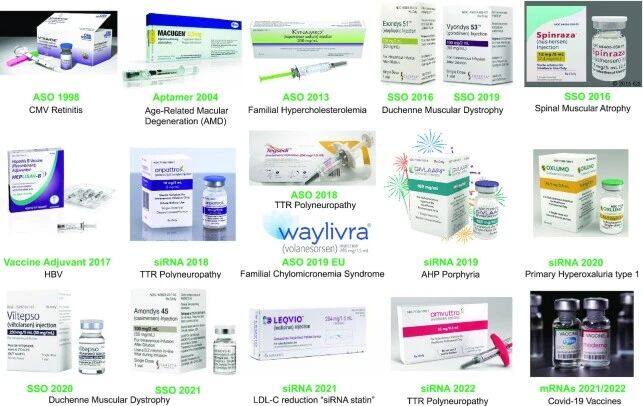
Figure 4 Small nucleic acid drugs and mRNA vaccines approved from 1998 to 2022, year of approval, and indications
Image Source: Reference 4
In 2023, the FDA approved four additional small nucleic acid drugs for marketing: TOFERSEN (Amyotrophic Lateral Sclerosis) by Biogen/Ionis, EPLONTERSEN (Polyneuropathy) by AstraZeneca/Ionis, NEDOSIRAN SODIUM (Primary Hyperoxaluria Type 1) by Novo Nordisk, and AVACINCAPTAD PEGOL SODIUM (Geographic Atrophy due to Age-Related Macular Degeneration) by Astellas.
Challenges and Development Coexist
Small nucleic acid drugs were also restricted by nucleic acid delivery technology, experiencing a bumpy development; around 2010, the R&D of small nucleic acid drugs faced repeated setbacks due to limitations in the delivery system.
In 2010, Roche terminated its RNAi research in Germany and the United States. In 2011, Pfizer and Abbott cut their RNAi drug development projects; MSD shut down its RNAi drug R&D center in San Francisco in 2011 and sold Sirna to Alnylam for a low price of $175 million in 2014. In 2011, Novartis ended its five-year partnership with Alnylam, and in 2014 significantly reduced investment in RNAi and ceased its RNAi operations in Boston.
Small nucleic acid drugs need to enter human cells to take effect. The process of delivering them from outside the body into the cells requires overcoming challenges such as stability, immunogenicity, transmembrane transport, and endosomal escape. Beyond affinity, it is also necessary to address chemical stability, resistance to degradation by extracellular and intracellular nucleases (i.e., metabolic stability), target site accessibility, delivery and biodistribution, binding with proteins and receptors, pharmacokinetics and pharmacodynamics, as well as toxicity and complement activation. Currently, the main approach is to improve substrate specificity, enhance nuclease stability, and reduce immunogenicity through chemical modifications of nucleotides. These modifications include improvements to the ribose, phosphate backbone, bases, and the ends of the nucleic acid chains.
Improving Stability and Binding Affinity Through Chemical Modification
The first-generation methods mainly utilize phosphorothioate for backbone modification, which can promote in vivo cellular uptake and enhance bioavailability by increasing hydrophobicity and resistance to endonucleases.
The second-generation modification methods involve modifications at the 2'-position of the ribose, including 2'-fluoro and 2'-methoxy, which can enhance the binding affinity for RNA and further improve nuclease resistance.
Conformationally restricted DNA analogs, such as locked nucleic acids (LNA) and tricyclo-DNA (tcDNA), can enhance their binding affinity.
The third-generation modification involves the transformation of the five-membered ring of ribose, including the use of PNA, PMO, etc., which can further enhance the resistance of nucleic acid drugs to nucleases and improve affinity and specificity.
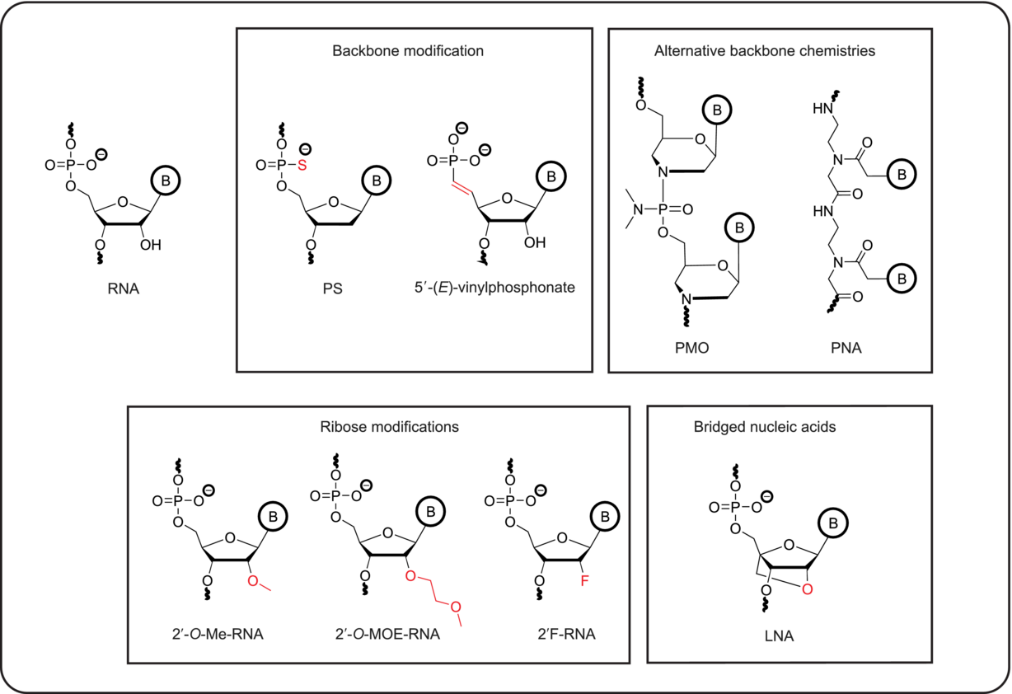
Figure 5 Common RNA Chemical Modifications
Image source: Reference 2
Improved Delivery System Enhances Cellular Uptake Efficiency
Chemical modifications can enhance the resistance of small nucleic acid drugs to nucleases, reduce immunogenicity, and increase affinity. However, small nucleic acid drugs need to enter cells to function. The uptake of small nucleic acid drugs by cells mainly occurs through different types of endocytosis. After entering the endolysosomal system, these drugs must escape from the endosome to avoid degradation in the lysosomal environment. Only a small portion of small nucleic acid drugs can successfully escape from the endosome and function properly. ASOs, due to their relatively small molecular weight, may be uncharged and somewhat hydrophobic, allowing them to efficiently enter cells and escape into the cytoplasm and nucleus without the need for delivery agents, although this often requires higher drug doses. For double-stranded siRNA drugs, their large size and negative charge make it impossible to enter cells without a delivery system. Therefore, optimizing and improving delivery systems can enhance the practicality of small nucleic acid drugs.
The current delivery systems include viral vectors and non-viral vectors. Viral vectors are mostly used in gene therapy, while non-viral vectors are more commonly applied in small nucleic acid drugs. Non-viral vectors can be further divided into two categories: direct conjugation with carriers and delivery via nanoparticle carriers.
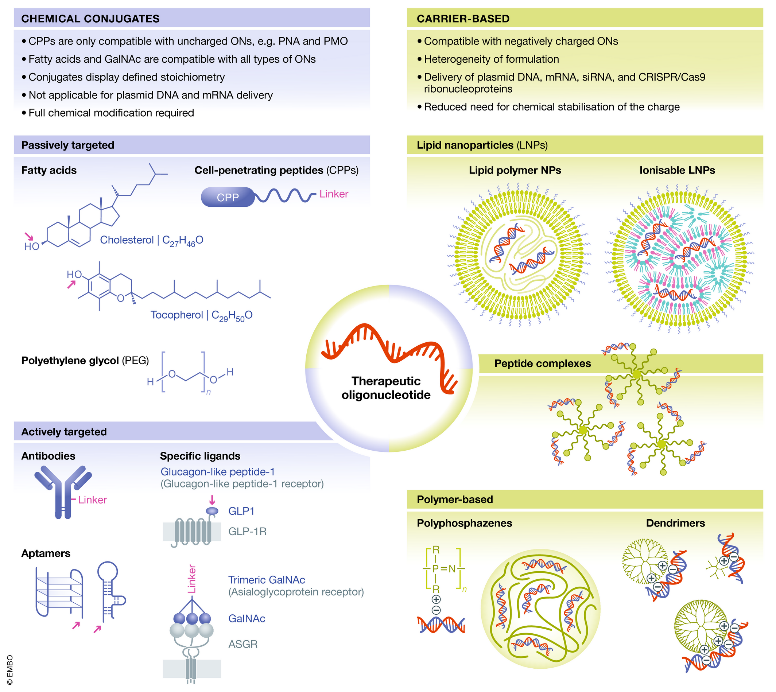
Figure 6 Therapeutic Oligonucleotide Delivery Systems: Chemical Conjugates (left) and Nanoparticle Carriers (right)
Image source: Reference 1
Polymers, cell-penetrating peptides (CPPs), and lipids can be covalently linked to small nucleic acid drugs for passive targeting, while the covalent conjugation of small nucleic acid drugs with antibodies, receptor ligands, and aptamers is suitable for active targeting.
Nanoparticle carriers can be used to encapsulate small negatively charged nucleic acid drugs. They can be lipid-based, such as lipid nanoparticles (LNPs) and exosomes; polymer-based, such as dendrimers and polyphospholipids; or peptide-based, or consist of hybrid systems composed of several different types of compounds.
CPP is only compatible with uncharged small nucleic acid drugs, such as PMO and PAN, while liposomes and GalNAc are compatible with all types of small nucleic acid drugs.
Summary
Small nucleic acid drugs have made significant progress in recent years. However, for small nucleic acid drugs entering cells via endocytosis, they can only function after escaping from endosomes into the cytoplasm. Studies show that the endosomal escape rate of small nucleic acids through endocytosis is less than 0.01%. Therefore, solving the issue of endosomal escape remains a challenge in the delivery of small nucleic acid drugs. Additionally, most drugs target the liver and are non-specifically delivered throughout the body, requiring further technological breakthroughs to enhance tissue-specific delivery. Since most treatments are for rare diseases with limited clinical data, this situation may change with the emergence of drugs targeting common diseases like hyperlipidemia and fatty liver inflammation.
Looking ahead, the development of RNA medicine will undoubtedly bring enormous benefits to patients.
References:
Delivery of oligonucleotide‐based therapeutics: challenges and opportunities.
RNA‐based medicine: from molecular mechanisms to therapy.
RNA therapy: rich history, various applications and unlimited future prospects.
Chemistry, structure and function of approved oligonucleotide therapeutics.
In 2023, the FDA approved 55 new drugs, with various types of new drugs flourishing. Multiple innovative drugs produced in China successfully entered the U.S. market…
The Risks of miRNA Therapeutics: In a Drug Target Perspective.
Highlight! Blackstone announces a $2 billion strategic partnership with Alnylam, the largest RNAi therapy company.
Publicly available information from online sources such as CSC Financial, Ribo Life Science's official website, etc.

Editor: Liuli
Disclaimer: The views expressed in this article are solely those of the author and do not represent the position of PharmCube. We welcome discussions and additional insights in the comment section; for reprints, please be sure to credit the author and source. If there are any issues regarding the content, copyright, or other aspects of the work, please leave a message on this platform, and we will address it promptly.