

Global Advancements in Treg Therapies: Tr1 Cells, iPSC-Derived Tregs, CAR-Tregs, and TCR-Tregs

Tr1X
Cell Therapy Developer

January 22, 2024
eMedClub News
Recently,Tr1X Announces Exit from Stealth Mode and Completion of $75 Million Series A Financing. The company aims to developUniversal Allogeneic Regulatory T (Treg) and CAR-Treg Cell Therapy for the Treatment and Potential Cure of Autoimmune and Inflammatory Diseases.This round of financing was led by The Column Group, with participation from NEVA SGR and Alexandria Ventures. It is reported that,Tr1X's investigational therapy is a potential first-in-class engineered Type 1 regulatory T (Tr1) cell therapy derived from donors, which may replicate the function of naturally occurring Tr1 cells.

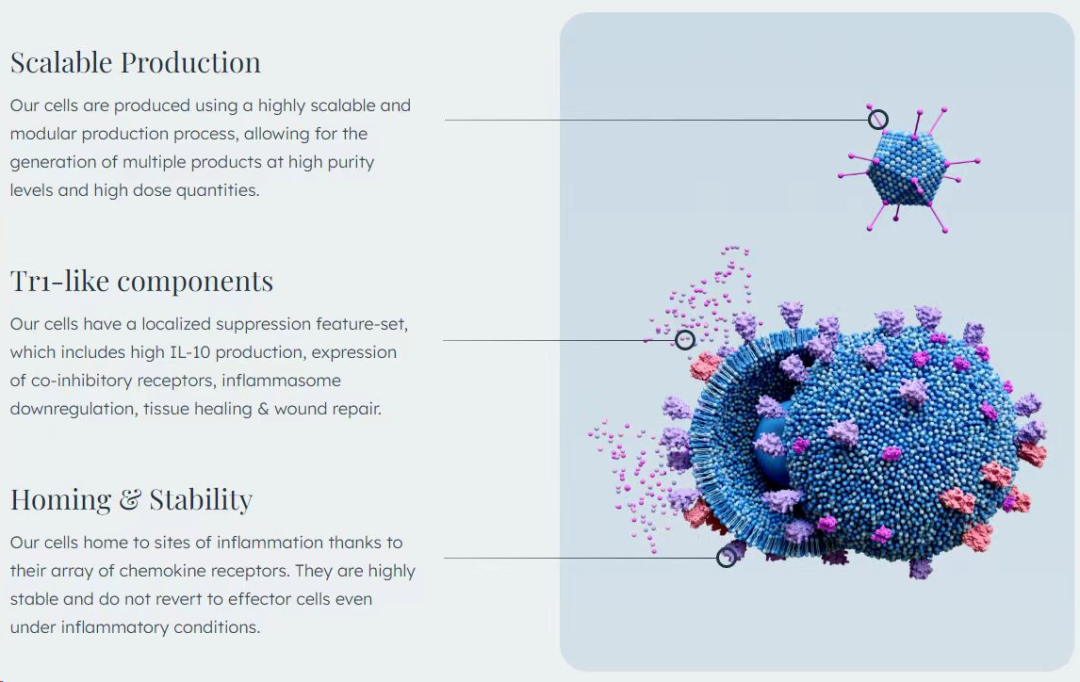
Tr1X's pipeline is primarily based on the work of its scientific founder, Dr. Maria Grazia Roncarolo, the discoverer of Type 1 regulatory T (Tr1) cells.Tr1 cells are a subset differentiated from regulatory T cells, which are crucial for maintaining immune balance and tolerance in healthy individuals.Several important functions of this type of cell have been observed in preclinical models and patients, includingInhibiting local inflammation and downregulating inflammasomes, suppressing pathogenic effector T-cell responses, and inducing long-term tolerance.

The 6th Symposium on Tumor Immunotherapy and Cell Treatment Technology
Challenges and Clinical Experience in CAR-T Frontline Treatment Development
Clinical Development Progress of CD19 Dual-Target CAR-T
Innovative Space in Hematologic Tumor Cell Therapy
Construction of a Process Platform for Rapid CAR-T Preparation
Strategies for the Armed Upgrade of CAR-T in Solid Tumors
How TCR-T Overcomes Tumor Antigen Escape
Frontier Breakthroughs in Universal Cell Therapy
Innovative Development of Targets for Solid Tumors
mRNA Technology Empowers Cell Drug Development
Non-viral Vector CAR-T
Logic Gate Design in Cell-Based Drugs
Innovative Design of CAR Molecules
Opportunities for China-produced CAR-T to Enter Overseas Markets

999 piecesFree single tickets,
Limited Time Offer!
Collaboration, Speeches, Synchronous Recruitment Ongoing
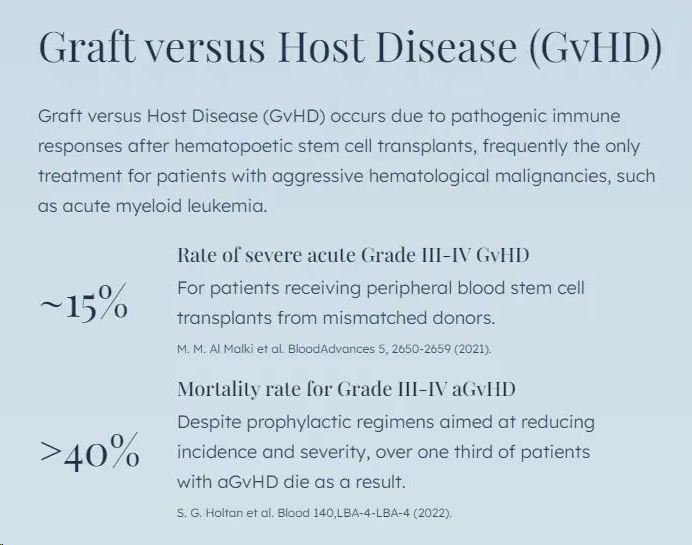
Tr1X's proprietary technology can convert CD4+ T cells isolated from healthy donors into Tr1-like regulatory T cells, which possess functions and characteristics similar to natural Tr1 cells. These cells can be further engineered to target specific tissues or organs for localized, targeted immune modulation. Currently,Tr1X is committed to developing its investigational Tr1 cell therapy TRX103, with plans to evaluate TRX103 in a Phase 1 trial for the prevention of graft-versus-host disease (GvHD) in patients., these patients underwent mismatched hematopoietic stem cell transplantation. The company is also developing additional pipeline projects forTreatment of inflammatory bowel disease, type 1 diabetes, and various B cell-mediated autoimmune diseases.
Frequent Cross-Border Collaborations Among International Giants in the Tregs Sector
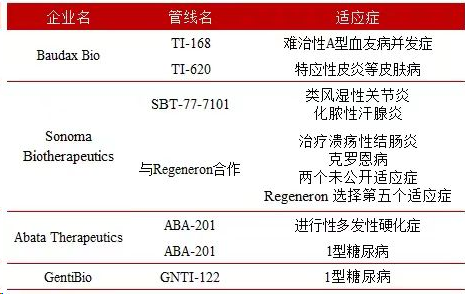
August,BlueRock Therapeutics, the world leader in iPSC-derived cell therapy, and synthetic biology company bit.bio announce a collaboration and option agreement to discover and manufacture iPSC-derived regulatory T cells (Tregs) for creating therapeutic drugs.。
Accelerating BlueRock's Process of Discovering and Manufacturing Tregs from iPSCs by Exploring bit.bio's opti-ox Cell Programming Technology, Leveraging the Critical Role of Tregs in Maintaining Immune System Balance to Advance iPSC-Derived Treg Therapies for Treating a Wide Range of Autoimmune and Inflammatory Diseases.
According to the terms of the agreement,bit.bio will use its machine learning-driven discovery platform to identify transcription factor (TF) combinations to reprogram iPSCs into Tregs.opti-ox uses a dual-genomic safe harbor approach for cell programming, driving TF-mediated rapid conversion of iPSCs into highly defined cell types in a single step.Capable of continuous large-scale production of any batch of human cells, while maintaining exceptional purity and unparalleled consistency in cell products.
➤Recommended Reading:Huawei and Tencent Enter AI Biology, Bayer’s $1 Billion Acquisition of BlueRock Collaborates with bit.bio on iPSC-Derived Tregs Drug Development
On June 9, AstraZeneca announced that it had entered into an exclusive collaboration with Quell Therapeutics and signed a licensing agreement to develop multiple Treg cell therapies, which mayFor the treatment of Type 1 Diabetes (T1D) and Inflammatory Bowel Disease (IBD). According to the terms of the agreement,AstraZeneca to Pay Quell $85 Million Upfront, including the main cash payments and equity investments. If successful,Quell is also eligible for over $2 billion in additional development and commercialization milestones, plus tiered royalties.In addition, Quell retains an option to co-develop the T1D project's Treg cell therapy with AstraZeneca in the United States, exercisable upon approval of the Investigational New Drug (IND) application or at the end of Phase I/II clinical trials, in exchange for additional milestone payments and increased royalties on U.S. net sales.

In March, Sonoma Therapeutics and Regeneron announced a collaboration to apply their scientific and clinical expertise as well as respective technology platforms to the discovery, development, and commercialization of novel regulatory T cell (Treg) therapies for autoimmune diseases.Including ulcerative colitis, Crohn's disease, and two other undisclosed indications, In addition, Regeneron can be used for the fifth indication. This collaborationWill bring together Regeneron's industry-leading VelociSuite® technologies for the discovery and characterization of fully human antibodies and T-cell receptors (TCRs), as well as Sonoma’s groundbreaking approach to developing and manufacturing gene-modified Treg cell therapies.
According to the terms of the agreement,Sonoma Biotherapeutics to Receive $75 Million Upfront Payment, including Regeneron's $30 million equity investment in Sonoma. Sonoma is also eligible to receive $45 million in development milestone payments,Potential transaction amount reaches $120 million。

TCR-Treg to Welcome New Progress in Pipeline
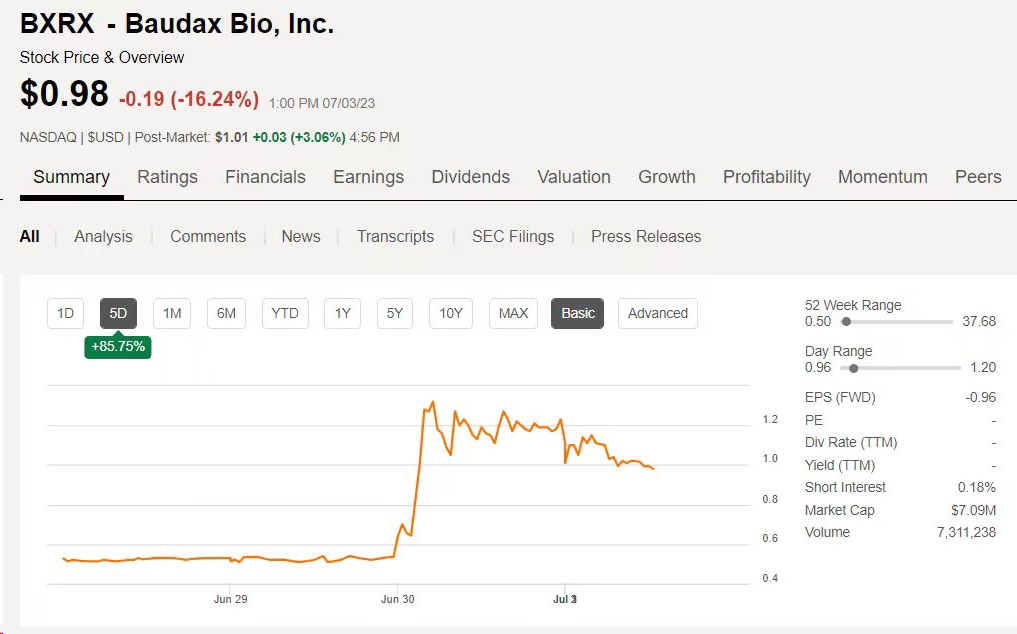
In October, Baudax Bio announced that it expects to initiate a Phase 1/2a clinical study of TI-168 in ADA patients with Hemophilia A in the first quarter of 2024.TI-168 is a next-generation FVIII-specific Treg therapy independently developed by TeraImmune, aimed at providing an effective and safe treatment for Hemophilia A patients with FVIII inhibitors.By combining the patented Treg culture method (TREGableTM) with the FVIII-specific TCR designed by TeraImmune, the team has successfully demonstrated the therapeutic concept of FVIII TCR-Treg therapy in controlling FVIII anti-drug antibodies (ADA) in animal models of hemophilia, showing highly encouraging preclinical data.
➤Recommended Reading:World’s First! TCR-Tregs Clinical Trial to Launch, Specifically Targeting Complications of Refractory Type A Hemophilia
CAR-Tregs Have Potential in Autoimmunity and Transplant Pathology
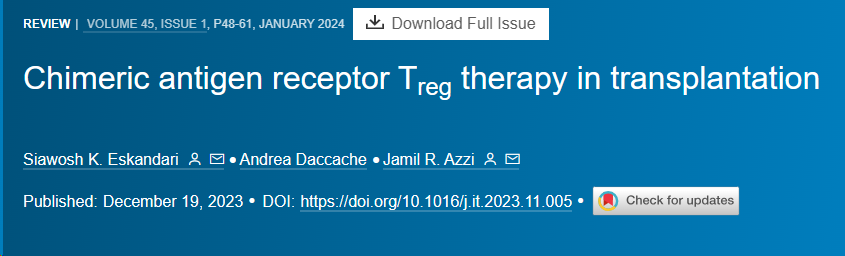
Notably, compared with polyclonal Tregs,CAR-Tregs can provide better phenotypic stability, homing, and therapeutic outcomes.Although the preclinical results of the transplant model are promising, further research is needed to determine the clinical advantages of CAR-Tregs.In addition,Immunomics can accelerate the search for new transplant-related antigens and help explore the prospects of CAR-Treg and related immunosuppressive cell therapies.。The evolution and development of effective CAR-Treg therapy may minimize or even eliminate chemical immunosuppression and its associated side effects.
The domestic track is poised for action.
Conclusion


DianDian "Share”、“Like" and "In view",Give me a little recharge~"