Shao Yifu Vascular Access Team: Treating Recurrent High-Resistance AVF Stenosis with Scoring Drug-Coated Balloon

DK Medtech
Vascular Interventional Balloon Product Developer

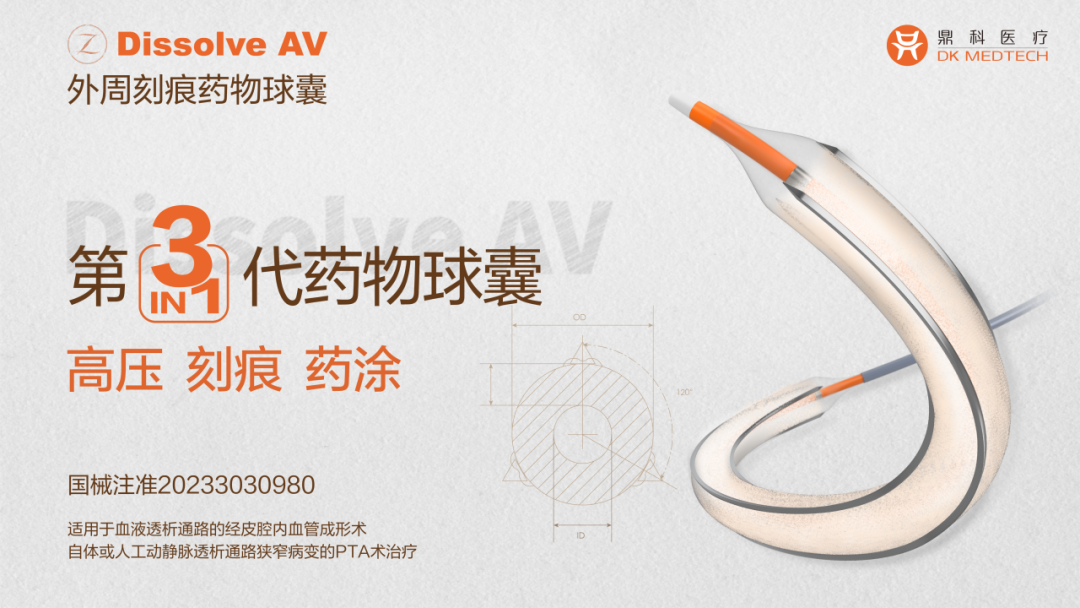
Complications such as stenosis and occlusion of arteriovenous fistulas (AVFs) in hemodialysis patients severely affect the function and usability of vascular access. Dense fibrosis or hyperplastic tissue makes it difficult to fully dilate some lesions with ordinary-pressure balloons, especially for refractory or long-segment stenosis, which is a major cause of surgical failure and low patency rates. Analysis suggests that this may be related to the irregular, forceful tearing of the intima and partial neotissue of the media by the balloon during percutaneous transluminal angioplasty (PTA), leading to endothelial damage and intense proliferation of vascular smooth muscle cells and macrophages. In recent years, there has been ongoing international exploration and clinical research on the use of high-pressure balloons, scoring balloons, and drug-coated balloons for PTA treatment of dialysis access. DK Medtech, specializing in the research, development, and production of vascular interventional medical devices, focuses on balloon innovation and has developed the Dissolve™ AV Scoring Drug-Coated Balloon, integrating "high pressure," "scoring," and "drug coating" to address multiple key challenges associated with hemodialysis access stenosis.
DK MedtechSpecially launched[Shao Yif Hospital Affiliated to Zhejiang University School of Medicine Access Team: Treatment of Recurrent AVF High-Resistance Stenosis with Notched Drug-Coated Balloons], demonstrating the meticulous operation of each case and the clinical application of advanced equipment and instruments. From the formulation of treatment strategies for different cases, standardized intraoperative procedures and technical applications, complication prevention, to perioperative management, etc., the aim is to promote the standardization of diagnosis and treatment for hemodialysis access stenosis, strengthen technical exchange and experience sharing among doctors, with the hope of providing new ideas and methods for the future diagnosis and treatment of hemodialysis access, benefiting more clinical patients.

Breaking Through Hardships, Extending Effects: Combining Near and Far
Scoring Drug-Coated Balloon for Treating Recurrent High-Resistance Stenosis in AVF
Lu Mingxi, Sir Run Run Shaw Hospital, School of Medicine, Zhejiang University

Basic Information NO.1
Patient:Male, 66 years old.
Chief Complaint:Maintenance hemodialysis for 3 years, difficulty in stopping bleeding from the internal fistula for 2 weeks.
History of Present Illness:Stenosis of arteriovenous fistula, chronic kidney disease stage 5, on hemodialysis, hypertension.
Past Medical History:More than four years ago, the patient was found to have a creatinine level of 850umol/L during a routine examination for diabetic complications. Subsequently, the patient was hospitalized in the endocrinology department of another hospital (specific medications unknown). Later, due to persistently high creatinine levels, the local hospital recommended dialysis treatment, and the patient underwent peritoneal dialysis for over a year. At the end of 2020, the patient underwent an autologous arteriovenous fistula formation surgery on the left upper arm (high elbow fistula). Over three years ago, the patient started regular hemodialysis (on Tuesdays, Thursdays, and Saturdays). Due to poor fistula flow, the patient underwent balloon angioplasty after arteriovenous fistula surgeries in June 2021 and June 2022. Two weeks ago, it became difficult to stop bleeding at the hemodialysis puncture site of the arteriovenous fistula. An outpatient follow-up ultrasound revealed fistula stenosis, and PTA surgery is planned. The patient has a history of type 2 diabetes for 19 years, with blood glucose controlled by insulin aspart, and the blood glucose control is acceptable; hypertension was diagnosed 6 years ago, and the patient is currently undergoing oral antihypertensive drug treatment, with acceptable blood pressure control.
Physical Examination:The pulsation of the autologous arteriovenous anastomosis in the left upper arm is enhanced, while the thrill is weakened. Obvious thrill can be palpated 10cm from the anastomosis at the outflow tract of the basilic vein of the internal fistula. The stenosis changes from pulsation to thrill. The positive result of the arm-raising test indicates that the blood vessels near the anastomosis of the internal fistula remain highly engorged and cannot collapse after raising the arm.
Admission Diagnosis:Preoperative Diagnosis: Stenosis of arteriovenous fistula, Chronic Kidney Disease Stage 5, Hemodialysis status, Hypertension.
History of Vascular Access NO.2
Time | Main Treatment Process |
2023.12.5 | Balloon Expansion After Arteriovenous Fistula Creation in the Left Upper Arm |
2023.6.27 | Balloon Expansion After Arteriovenous Fistula Creation in the Left Upper Arm |
2022.6 | Balloon dilation after arteriovenous fistula creation in the left upper arm |
2020.12 | Left upper arm autologous arteriovenous fistula formation, access via brachial artery to median cubital vein fistula, with the basilic vein of the upper arm as the draining vein. |
Early 2020 | Start hemodialysis, initially peritoneal dialysis |
Preoperative Analysis NO.3
Preoperative Analysis:The patient was hospitalized for artificial arteriovenous fistula balloon angioplasty six months ago due to high pressure in the internal fistula and difficulty in hemostasis. Restenosis occurred six months after the surgery. The previous use of high-pressure balloon dilation had unsatisfactory results. This hospitalization plans to treat the lesion using a high-pressure balloon or a high-pressure scoring drug-coated balloon.
Surgical Objective
Short-term Goals:Solve the problem of difficult hemostasis for patients, restoring their hemostasis time to normal.
Long-term Goals:Extend the primary patency time of patients' fistulas and reduce the number of interventions.
Surgical Strategy/Plan
Dilation treatment using a high-pressure balloon;
Intraoperative visualization of high-pressure balloon dilation effect; if the effect is not as expected, use a high-pressure scoring balloon for treatment.
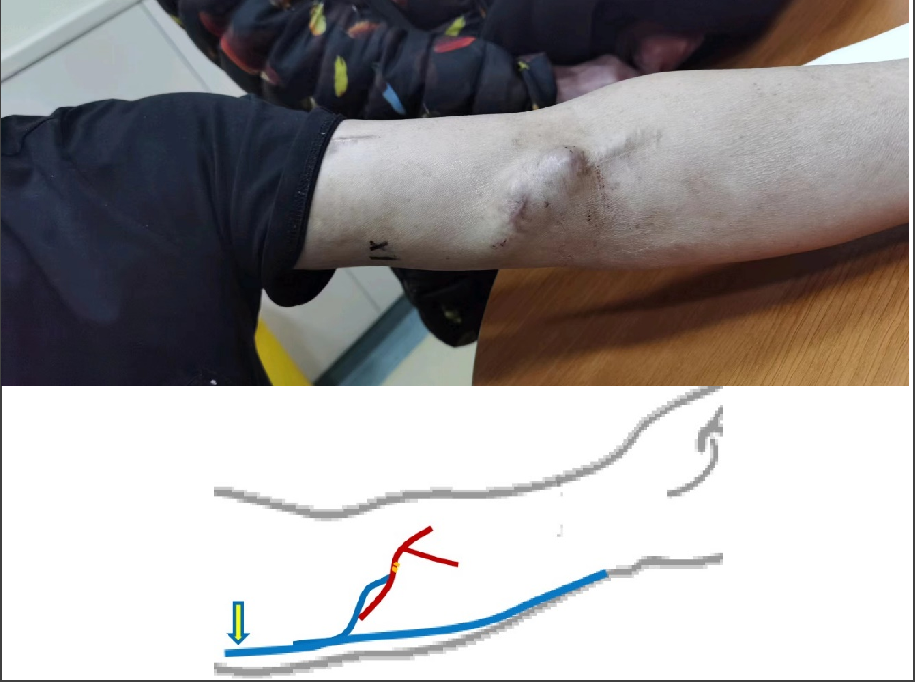
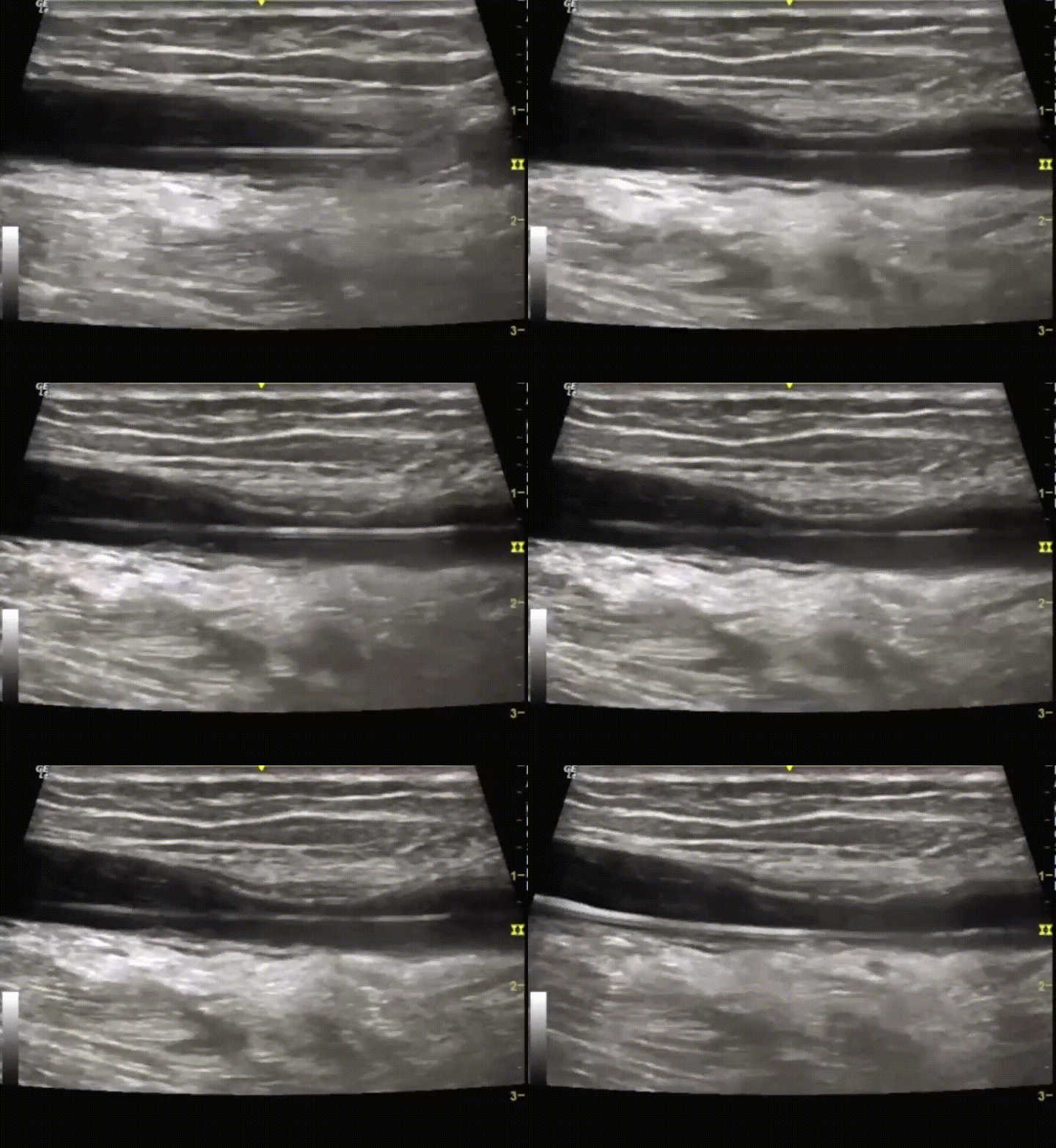
Preoperative evaluation, brachial artery-median cubital vein fistula, with the basilic vein of the upper arm as the reflux vein. The arrow indicates the site of stenosis.
Surgical Procedure NO.4
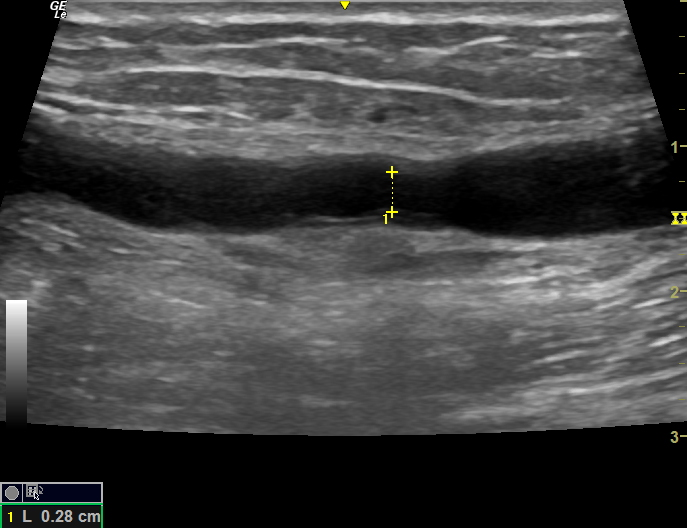
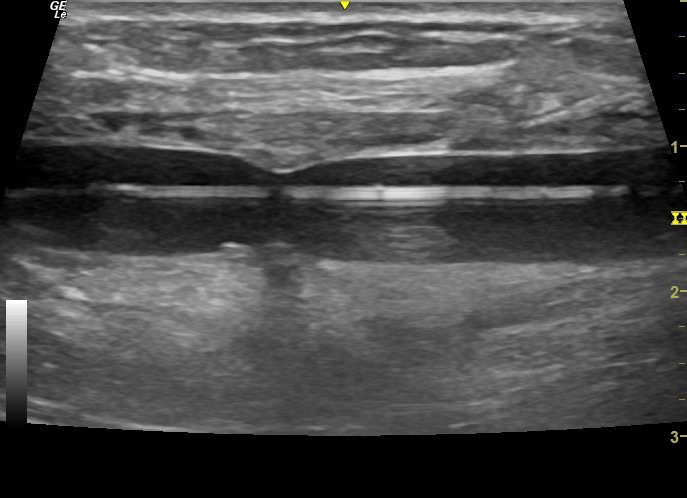
Imaging Description:Preoperative assessment: Color Doppler ultrasound showed a stenosis 10 cm away from the anastomosis in the left upper limb, with the narrowest inner diameter approximately 1.9 mm and intimal thickness 2.2 mm.
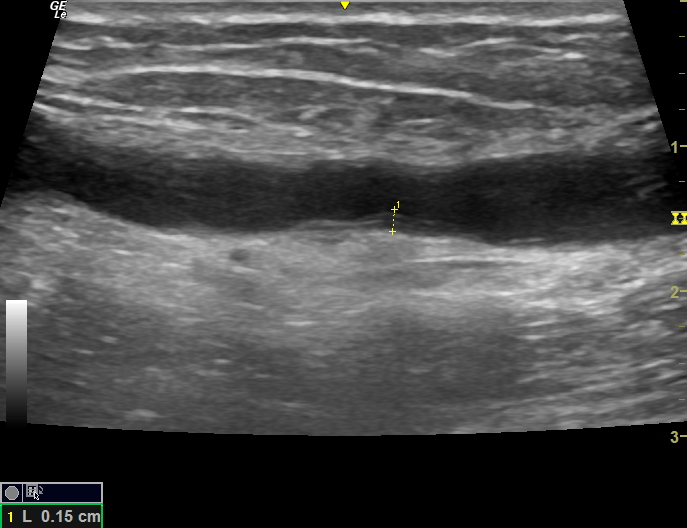
Imaging Description:Preoperative assessment: Color Doppler ultrasound showed a stenosis 10 cm away from the anastomosis in the left upper limb, with the narrowest inner diameter approximately 1.9 mm and intimal thickness of 2.2 mm.
Imaging Description:The patient lies in a supine position with the left forearm in external rotation. After routine disinfection and draping, 2% lidocaine is used for infiltration anesthesia on the venous outflow tract side of the left upper arm. The puncture needle is inserted, and upon observing the rush of arteriovenous fistula blood flow, the guidewire is advanced. The needle is withdrawn, the skin is incised, and a 6F sheath is inserted. Heparin (20 mg) is administered intravenously. The guidewire passes through the lesion.
Imaging Description:Initially, a 7.0mm * 40mm DK Medtech high-pressure balloon was used for dilation. After reaching the burst pressure, the balloon still showed a notch, and the stenosis was not fully dilated.
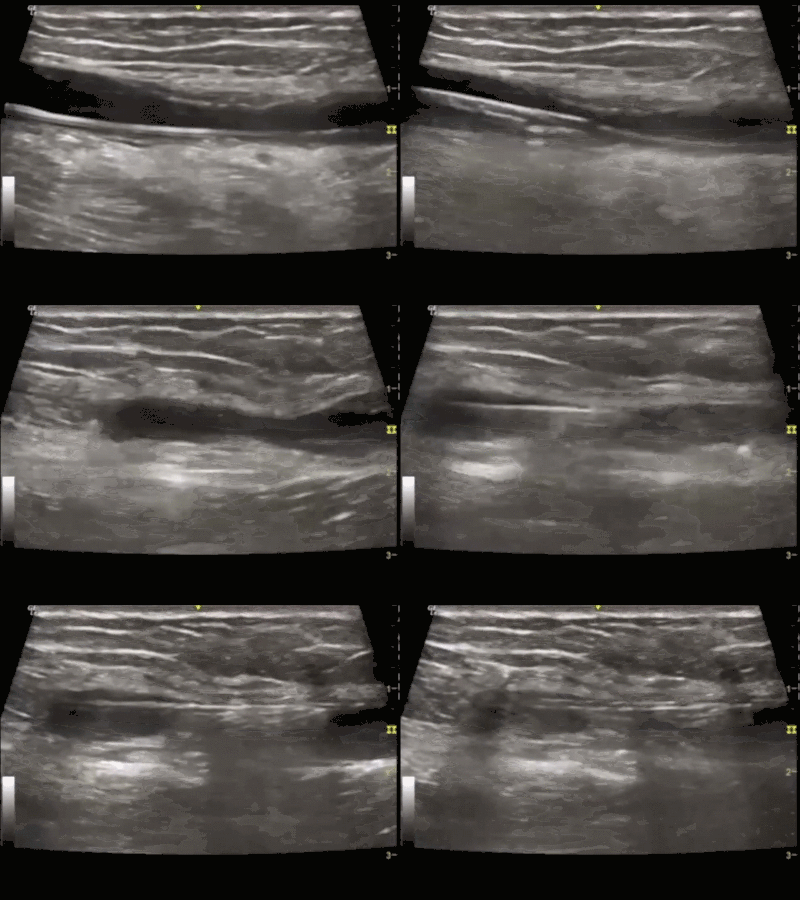
Imaging Description:Switched to a 7.0mm * 60mm DK Medtech high-pressure scored drug-coated balloon, which reached the lesion site.
Imaging Description:7.0mm*60mm DK Medtech high-pressure scored drug-coated balloon was slowly inflated to 20atm for dilation; an initial notch remained, and pressure was continuously maintained until 120 seconds.
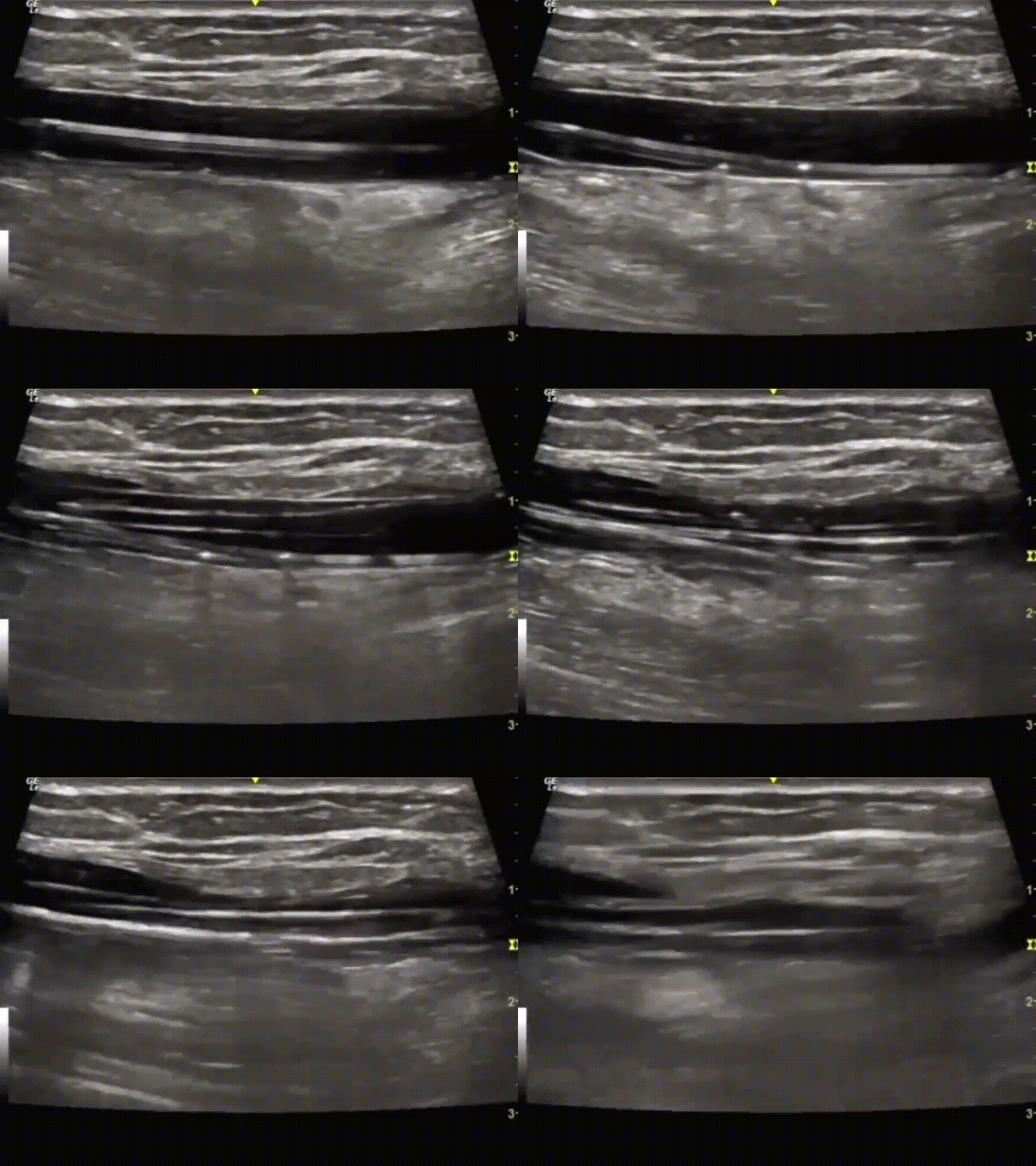
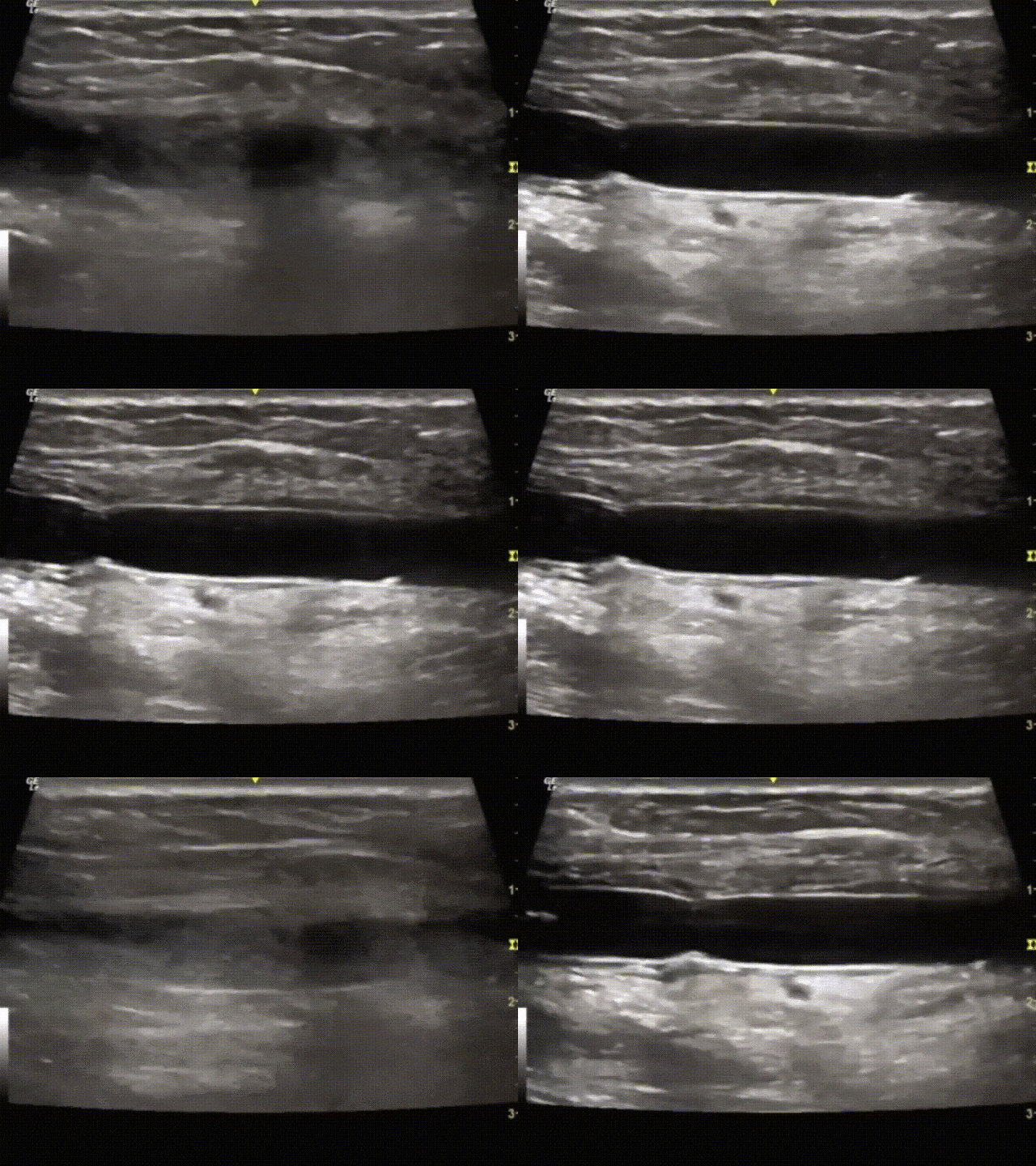
Imaging Description:The 7.0mm*60mm DK Medtech high-pressure scored drug-coated balloon maintained continuous expansion as the late-stage stenosis gradually improved, until fully dilated. Pressure was released after reaching 120 seconds.
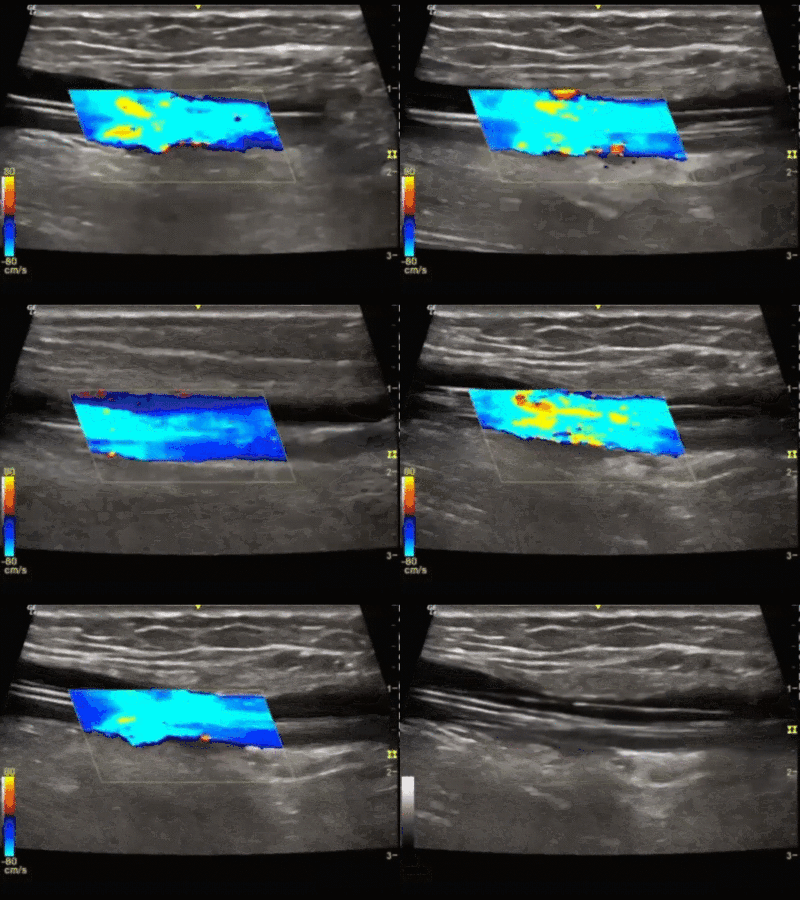
Imaging Description:Evaluate after the first dilation.
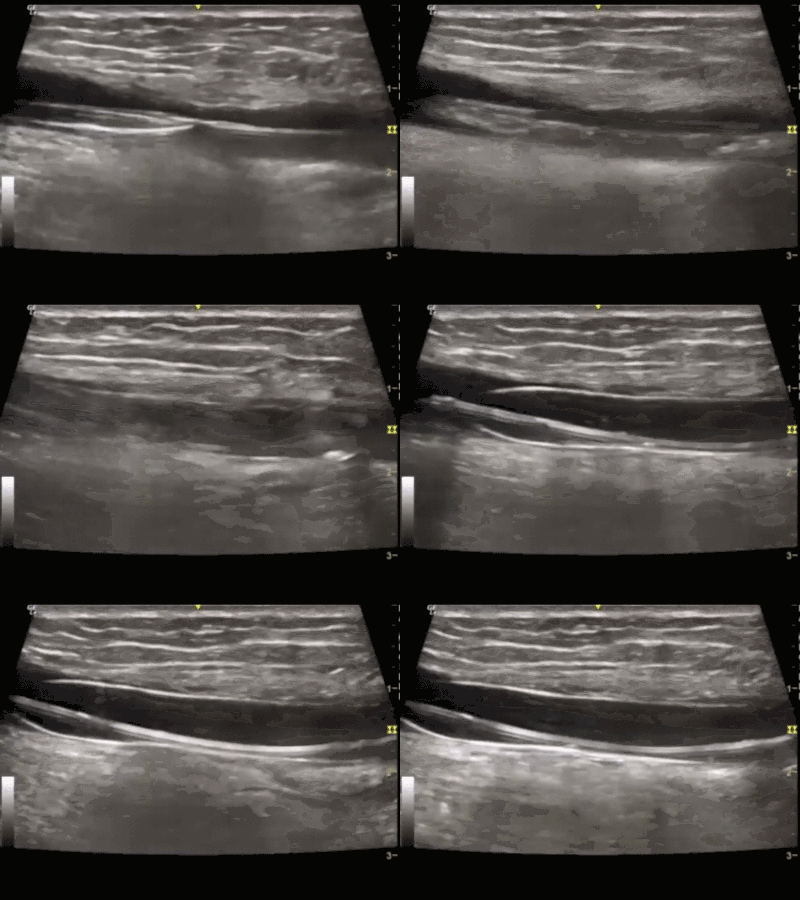
Imaging Description:7.0mm*60mm DK Medtech High-Pressure Scoring Drug-Coated Balloon Rotates 60 Degrees and Reaches the Lesion Site Again.
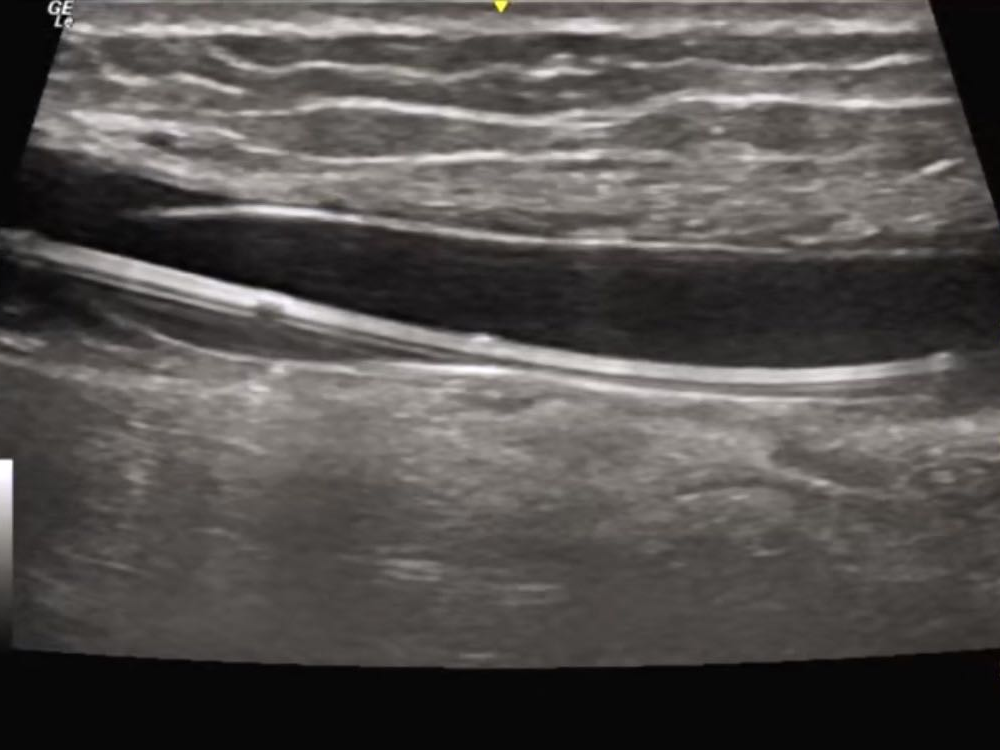
Imaging Description:The 7.0mm*60mm high-pressure scored drug-coated balloon was dilated again at 20atm and maintained for 60 seconds.
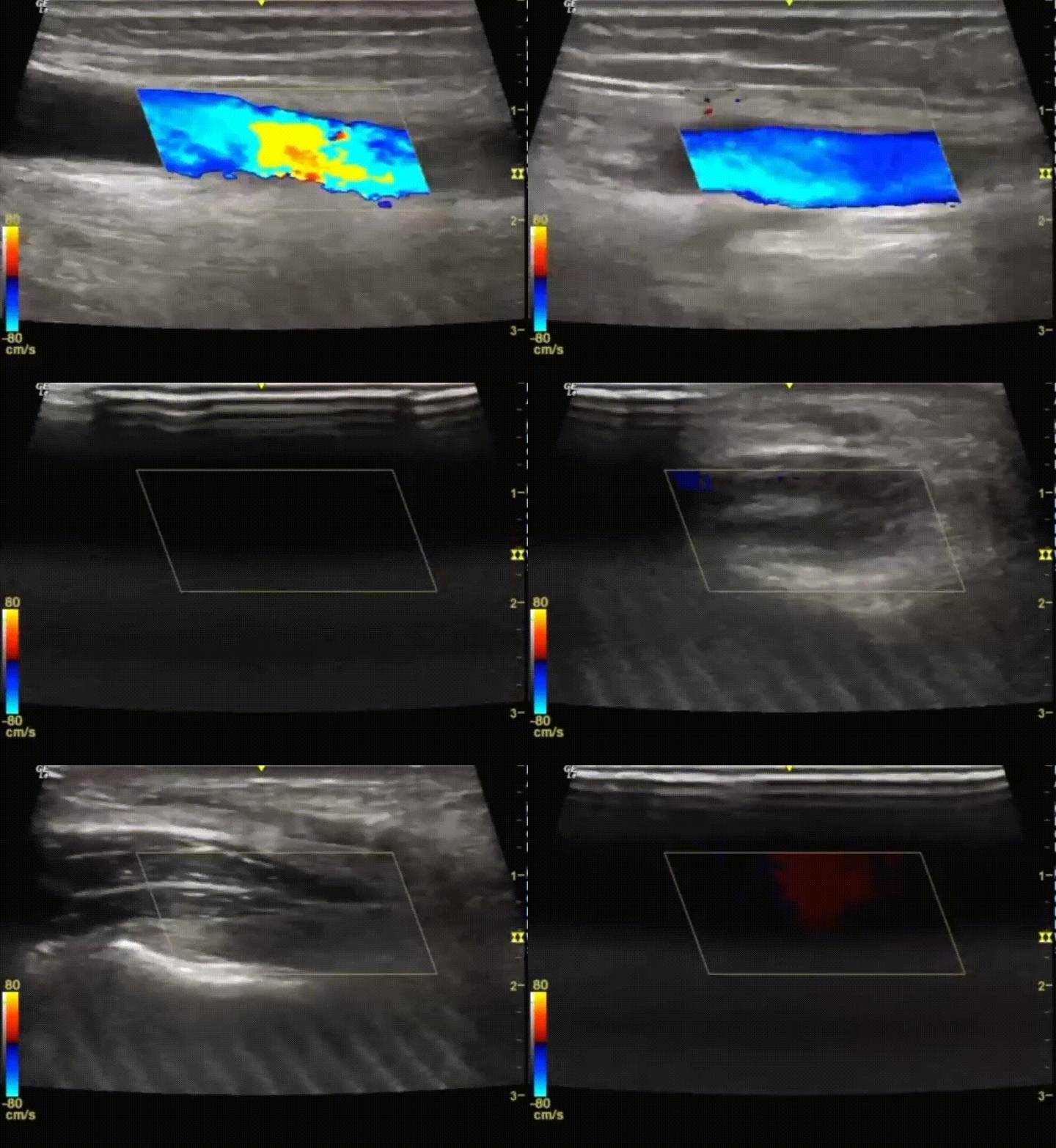
Imaging Description:After the dilation was completed, the narrow inner diameter was remeasured at 5.5mm, and the brachial artery flow was measured at 1417ml/min.
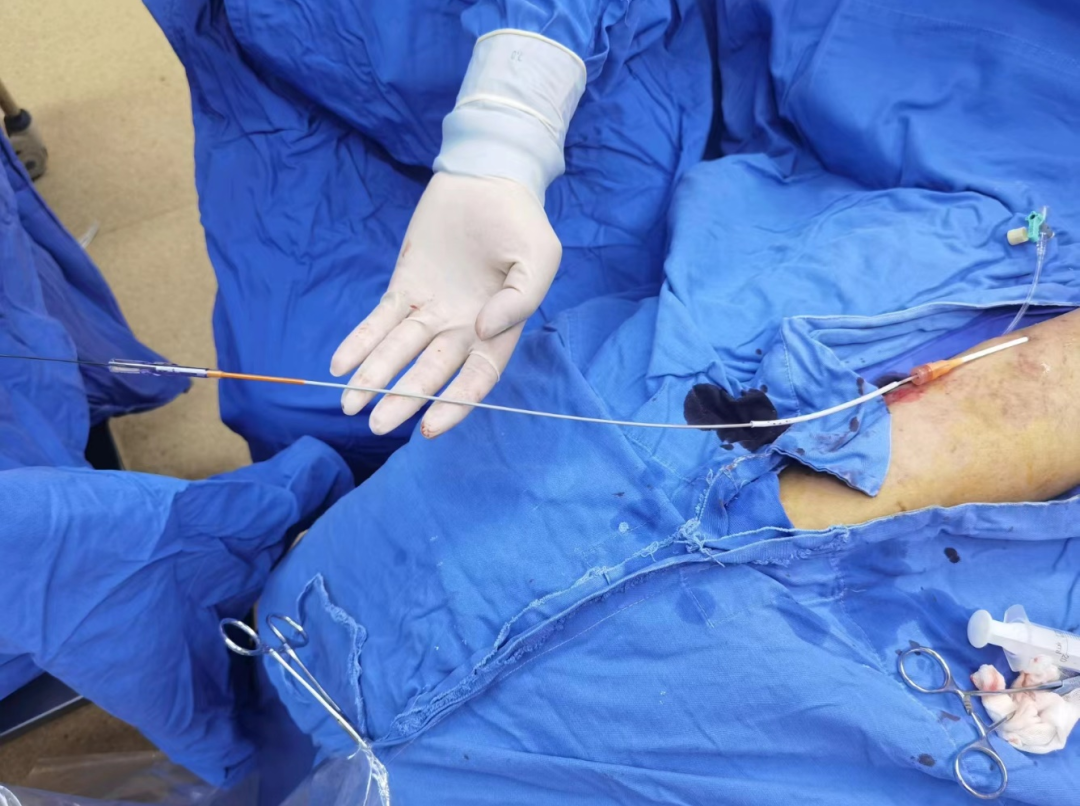
The scored drug-coated balloon used during the operation.
Follow-up NO.5
Discharge Status:The patient was discharged smoothly, with improved dialysis pressure locally and a hemostasis time of less than 10 minutes.
Case Summary NO.6
Preoperative Assessment Key Points:Preoperative ultrasound evaluation: inflow artery proximal end diameter 8.1mm, anastomosis diameter 3.8mm, outflow tract normal diameter 8.0mm, fistula flow 612ml/min. Color Doppler ultrasound showed left upper limb stenosis 10cm from the anastomosis, with the narrowest diameter approximately 1.9mm and intima thickness 2.2mm.
Surgical Strategy/Technical Key Points:
In June 2023, this patient underwent balloon angioplasty for arteriovenous fistula stenosis. The use of a high-pressure balloon yielded unsatisfactory results, with short-term recurrence of restenosis post-surgery.
The AV Peripheral Scoring Balloon Dilation Catheter, in addition to having high-pressure characteristics, features scoring elements on its surface that provide focused pressure scoring. This enables effective and precise incision of the intima and fibrous ring, enhancing dilation efficiency and increasing lumen gain. The balloon surface is coated with paclitaxel, which effectively inhibits intimal hyperplasia at the lesion site, improving long-term patency rates.
In this case, it can be seen that the lesion was fully opened when pressurized to 20atm.
Device Features / Usage Tips:
Dissolve AV Peripheral Scoring Balloon Dilation Catheter is equipped with three nickel-titanium alloy triangular scoring elements on its surface. The balloon surface is coated with a paclitaxel drug layer, which is used to inhibit hyperplastic intima after sufficient dilation of the lesion. In this case, after using the balloon once, rotate the balloon approximately 60 degrees and dilate the lesion again for more thorough treatment of the stenotic area.
During the use of the AV Peripheral Scored Balloon Dilation Catheter, pay attention to the following: When pressurizing up to 8 atm, increase the pressure by 2 atm every 3 seconds. Do not increase the pressure too quickly to minimize the occurrence of complications such as vascular rupture and dissection.
For lesions that are resistant to initial dilation, maintaining the burst pressure for a period of time can fully leverage the role of the scoring wire, still offering the opportunity to completely expand the stenosis.

Introduction of Experts


Professor Li Hua
Surgical Guidance
Director of the Department of Nephrology, Sir Run Run Shaw Hospital, Zhejiang University School of Medicine; Director of the Vascular Access Center; Member of the Zhejiang Provincial Committee of Nephrology, Chinese Medical Association; Member of the Nephrology Professional Committee, Chinese Research Hospital Association; Standing Committee Member of the Clinical Nephrology Professional Committee, China Medical Education Association; Member of the Vascular Access Group, Blood Purification Center Management Branch, Chinese Hospital Association; Chairman of the Nephrology Professional Committee, Zhejiang Society of Mathematical Medicine; Deputy Director of the Zhejiang Dialysis Quality Control Center; Vice Chairman of the Zhejiang Kidney Rehabilitation Society.

Professor Lu Mingxi
Surgeon of This Case
Chief Physician, Attending Doctor, Assistant to the Director of the Nephrology Department at Sir Run Run Shaw Hospital
Graduated from the Medical College of Zhejiang University, and went to Shizuoka Prefectural General Hospital in Japan for further study in 2014.
Member of the Society Of Dialysis Access Specialists (SoDAS)
Member of the Vascular Access Working Group of the Blood Purification Branch of the China Hospital Management Association
Member of the Chinese Hemodialysis Access Expert Committee of the International Vascular Alliance
Member of the Geriatric Nephrology Branch of the Chinese Geriatrics Society
Member of the Zhejiang Province Physician Association Nephrology Branch, Deputy Group Leader of the Dialysis Access Group
Standing Committee Member of the Blood Purification Group, Artificial Organs Branch, Chinese Society of Biomedical Engineering
Youth Committee Member of the Vascular Access Specialty Committee of the Peripheral Vascular Disease Branch of the Chinese Association of Integrative Medicine
Standing Committee Member of the Dialysis Access Group, Integrated Traditional Chinese and Western Medicine Intervention Committee, China Information Association of Traditional Chinese Medicine
Standing Committee Member of the Vascular Access Group, Interventional Physicians Branch, Chinese Medical Doctor Association
Committee Member of the Asia-Pacific Vascular Academic Alliance Hemodialysis Access Youth League
Standing Committee Member and Secretary of the Nephrology Committee, Zhejiang Society of Mathematical Medicine
Standing Committee Member of the Health Appropriate Technology Branch of the China Health Industry Enterprise Association
Copyright Statement: This platform aims to help medical and health professionals better understand the latest developments in relevant disease areas. The information content published on this platform does not imply agreement with its descriptions or viewpoints, but is only for providing more information. If there are any copyright issues, we kindly request the rights holders to contact us, and we will handle it as soon as possible. This information is solely for medical and health professionals to stay informed, and such information cannot replace professional medical guidance in any way, nor should it be regarded as diagnostic or therapeutic advice. If such information is used for purposes other than staying informed, this platform and the author shall not bear any related responsibilities.Contact email for cooperation:vascular@edoctor.cn。