

World’s first universal CD19-UCAR-Vδ1T cell drug IND approved in China, composite cells collaborate to combat lung cancer, ovarian cancer, etc., with 68% tumor control rate
April 22, 2025,The National Medical Products Administration (NMPA) of China approvedDeveloped by BioShin PharmaceuticalClinical Trial Approval for UTAA09 Injection(No.: 2025LP01155), Indication forAdult Relapsed/Refractory Acute B-Lymphoblastic Leukemia (B-ALL), it has also becomeThe world's first CD19-UCAR-Vδ1T cell product approved for clinical trial (IND) as an off-the-shelf universal therapy。
UTAA09 Injection is a universal off-the-shelf chimeric antigen receptor (CAR)-T cell injection (UCAR-Vδ1T cell product) targeting CD19 and based on Vδ1 T cells. It is manufactured using healthy donor apheresis blood as the raw material, retaining not only strong tissue and organ homing capabilities but also featuring a CMC manufacturing process at a globally leading level — this technological breakthrough significantly reduces the cost of cellular drugs, creating favorable conditions to improve patient accessibility to CAR-T cell therapy. More importantly, the approval of this product not only brings new hope for survival to patients trapped in this disease dilemma but also lays a solid foundation for the subsequent development of domestic immunocyte therapies in areas such as solid tumors!
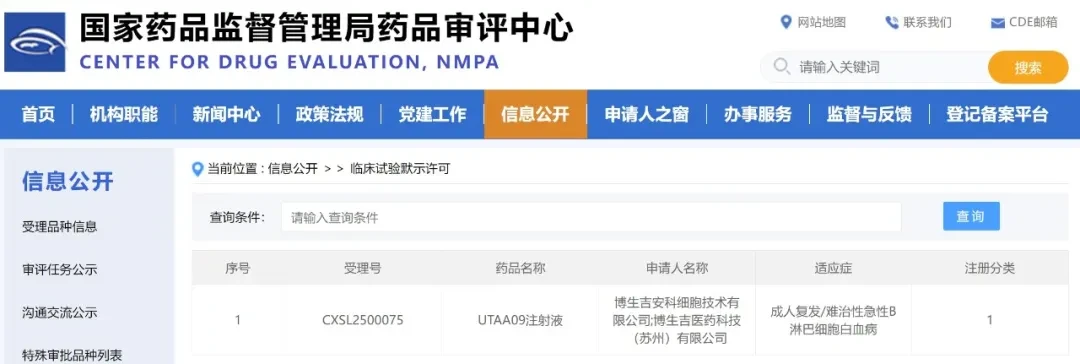
▲ Screenshot source“NMPA”
Combination Immunocyte Therapy is an important branch of cancer immunotherapy, commonly including dendritic cells (DC), natural killer (NK) cells, γδT cells, helper T cells (TH cells), cytotoxic T cells, and NKT cells. By mobilizing various immune cells to form a synergistic "joint force" against cancer, the anti-tumor effect is enhanced through efficient intercellular collaboration.
Among them, γδT cells are unique innate immune cells that account for 0.5%-5% of T lymphocytes and express γδT cell receptors (TCR). After maturation, they are abundant in epithelial mucosal tissues such as the skin and digestive tract (high-incidence areas for solid tumors), naturally advantageous for anti-cancer functions. Currently, they have shown excellent efficacy in treating various cancers, including malignant hematological tumors, advanced lung cancer, renal cell carcinoma, and colorectal cancer. They can directly eliminate tumor cells and activate anti-tumor immunity, making them a "rising star among immune cells for cancer treatment."
γδT cells initiate anti-tumor immune responses primarily through four pathways: (1) direct cytotoxic effects; (2) secretion of IFN-γ (interferon-gamma) and TNF-α (tumor necrosis factor-alpha); (3) induction of B cell transformation, promoting the secretion of large amounts of IgE (immunoglobulin E) to initiate adaptive immune responses; (4) triggering CD8+ T cell responses (see figure below for details).
From the perspective of subtype classification, γδT cells can be further divided into three common types: Vδ1T cells, Vδ2T cells (the main subset of γδT cells in peripheral blood), and Vγ9Vδ2T cells. Among them, Vδ1T cells are the predominant subset in human tissues, widely present in mucosal tissues such as the dermis and intestinal epithelium. As natural resident immune cells, they possess strong tissue homing and infiltration capabilities, inducing tumor cell apoptosis by releasing cytotoxic mediators like perforin and granzymes, as well as secreting IFN-γ and TNF-α. Currently, their cytotoxic functions have been utilized in the treatment of cancers such as Acute Lymphoblastic Leukemia (ALL) and Acute Myeloid Leukemia (AML). The UTAA09 injection mentioned at the beginning of this article is a targeted universal CAR-T cell product developed based on Vδ1T cells.
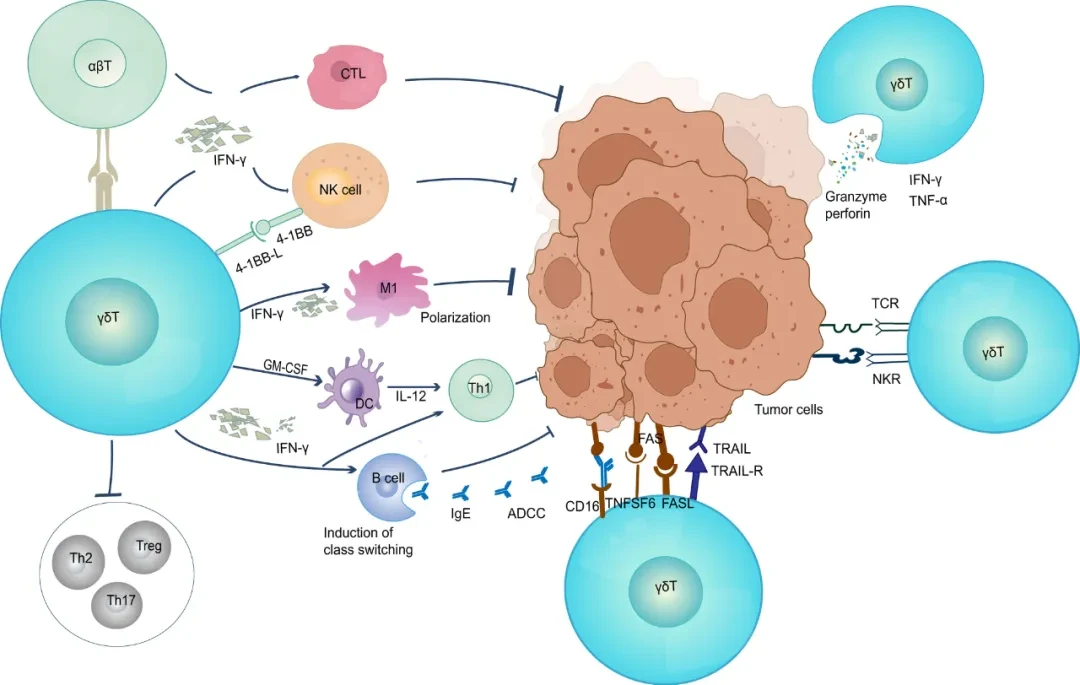
▲Image Source“frontiers", owned by the original author, if it unintentionally infringes on intellectual property rights, please contact us for removal."
A pilot study reported in the Journal of Translational Medicine has, for the first time, confirmed the feasibility of infusing haploidentical γδT cells. Significant proliferation of donor γδT cells can be induced in vivo by injecting phosphoantigens and low-dose IL-2. Meanwhile, this clinical trial also represents the first demonstration that selective stimulation of allogeneic γδT cells can generate antitumor activity in vivo without inducing graft-versus-host disease (GVHD).
This study enrolled a total of 4 patients with advanced refractory hematological malignancies, including 1 case of T-cell non-Hodgkin lymphoma, 1 case of acute myeloid leukemia, 1 case of secondary plasma cell leukemia, and 1 case of multiple myeloma, all of whom were ineligible for allogeneic transplantation due to their condition. All patients first received lymphodepleting induction chemotherapy (fludarabine + cyclophosphamide), followed by combination treatment with zoledronic acid + IL-2 to induce the proliferation of γδT cells in vivo.
The results showed that: despite all patients had previously received ineffective treatments,3/4 of patients achieved complete remission (CR) after treatment., whereinA Case of Secondary Plasma Cell Leukemia with 8 Months of Remission,The duration of remission for the remaining CR patients was 2-8 months.For example, Patient 3, who has secondary plasma cell leukemia, did not respond to three treatment regimens, including autologous stem cell transplantation, but still achieved remission after this treatment.Strict Complete Remission(See the figure below for details).
▼ Treatment and adoptive transfer of donor innate lymphocytes in patients with refractory plasma cell leukemia 3
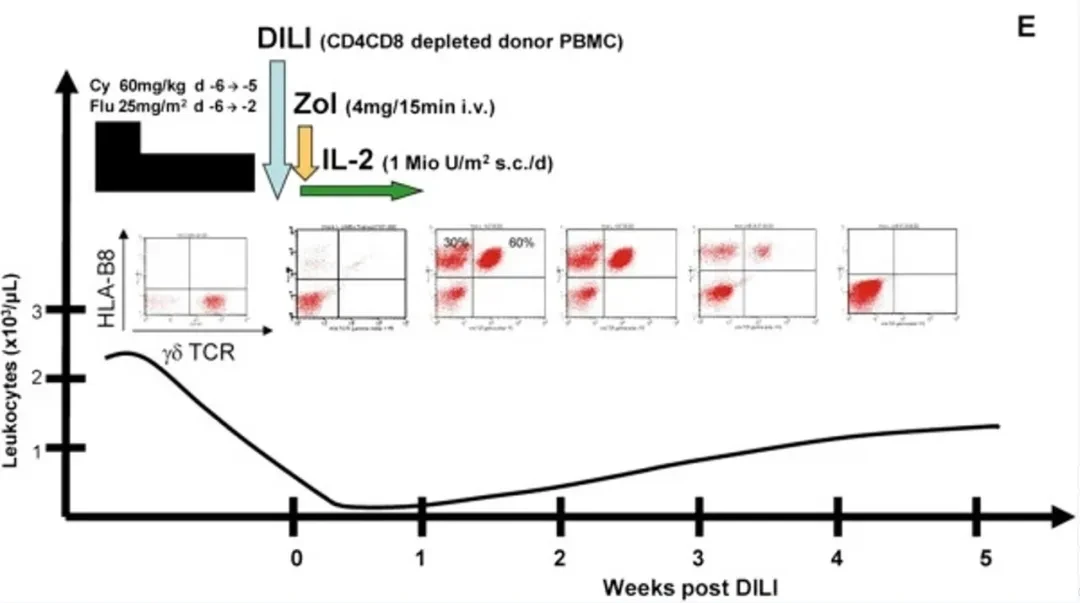
▲Image Source“BMC", owned by the original author. If we unintentionally infringe on intellectual property rights, please contact us for removal."
Note:The upper right quadrant shows the percentage of donor γδT cells over time.
In summary, the aforementioned preliminary research clarified the feasibility of haploidentical γδ T lymphocyte adoptive transfer and in vivo expansion, while also confirming the potential value of these cells in the treatment of hematological diseases.

In addition to this pilot study, the journal Blood also reported a successful case of γδT cell therapy for lymphoid malignancies.
This patient is a case of follicular center lymphoma (ID 9B) who had previously received high-dose chemotherapy but showed poor efficacy, and the condition recurred. After enrollment, the patient received three cycles of pamidronate plus low-dose IL-2 combination therapy to stimulate γδT cells in vivo for an anti-cancer effect.
Results showed that: After treatment, CT examination revealed thatRegression of Skin Metastases and Mediastinal Lymph Nodes(See the figure below, as indicated by the arrow); except for one slightly enlarged lymph node,The majority of the remaining lymph nodes showed no significant changes., and the pathological biopsy of the enlarged lymph node suggestsFibrosis, indicating only a small number of residual lymphoma cells. Thereafter, the patientTumor burden steadily decreased, eventually reaching partial response (PR) after 19 months of continuous treatment.。
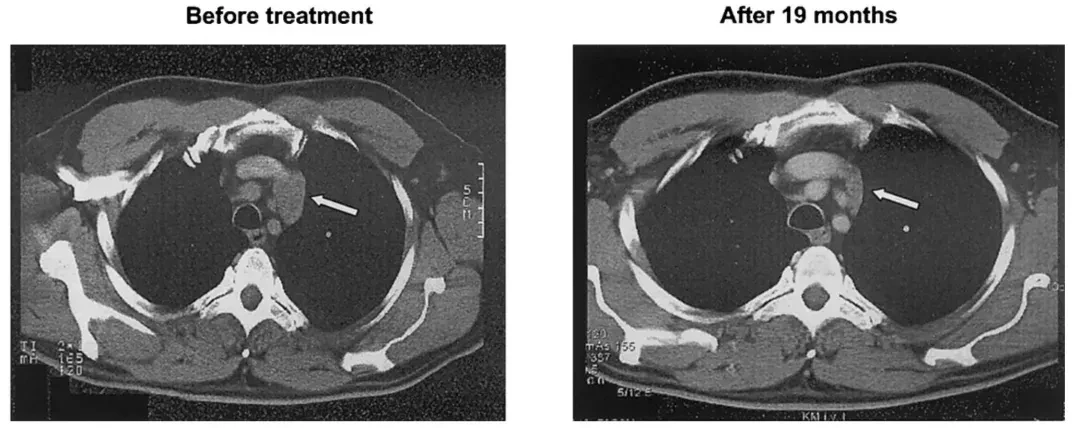
▲Image Source"Blood", copyright belongs to the original author. If we unintentionally infringe on intellectual property rights, please contact us for removal.
The Journal of Immunotherapy for Cancer reported the results of a phase 2 clinical study on "Treatment of refractory non-small cell lung cancer (NSCLC) with zoledronate-expanded autologous Vγ9Vδ2 T cells."
The study enrolled a total of 25 patients with refractory non-small cell lung cancer (including 20 adenocarcinomas, 4 squamous cell carcinomas, and 1 large cell carcinoma). All patients had unresectable or recurrent lesions and had previously received at least 2 standard chemotherapy regimens or at least one treatment regimen containing chemotherapy/radiotherapy. Ultimately, they were enrolled to receive autologous Vγ9Vδ2 T-cell therapy.
The results showed that: the clinical efficacy of this therapy was remarkable,Disease Control Rate (DCR) Reaches Up to 68.0%(Range: 46.5%–85.1%), whereOne patient achieved partial response (PR), and 16 patients reached stable disease (SD).;Median Progression-Free Survival (PFS) was 95.0 days(95% CI 73.0~132.0 days),Median overall survival (OS) was up to 418.0 days.(Range: 179.0–479.0 days).
Notably, among them, the treatment outcome of a 66-year-old male patient (ID TU-2844) was particularly remarkable. This patient had primary lung cancer in the upper lobe of the left lung with brain metastasis, and the pathological diagnosis was large cell neuroendocrine carcinoma. His condition continued to progress despite prior whole-brain radiation, systemic chemotherapy with CDDP+VP-16, and second-line TS-1 chemotherapy, which was discontinued due to diarrhea. Eventually, he enrolled in the study to receive Vγ9Vδ2 T-cell therapy. After receiving the treatment, the patient...Significant reduction in lung tumors and enlarged lymph nodes(See the figure below); although symptoms such as fever and cough briefly appeared during treatment, they were quickly alleviated after systemic steroid and antibiotic therapy.
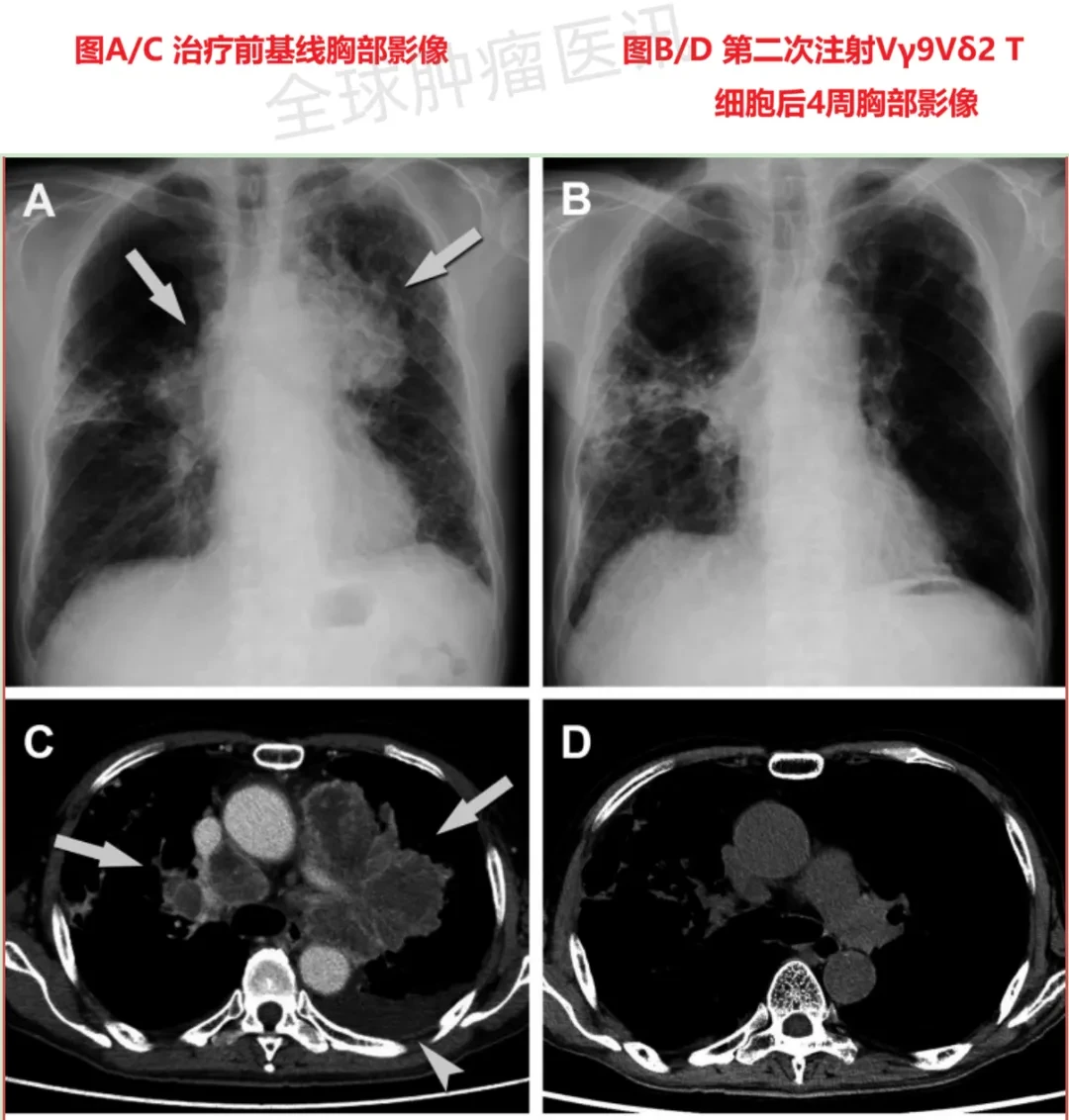
▲Image Source"J Immunother Cancer", the copyright belongs to the original author. If we unintentionally infringe on intellectual property rights, please contact us for removal.
In addition to the γδT cells mentioned earlier, the clinical efficacy of other composite immune cells is equally remarkable. For instance, a case reported in the renowned medical journal *Cureus* vividly demonstrated the inspiring anti-cancer effects of dendritic cell (DC) vaccines and natural killer (NK) cells working together — a patient diagnosed with ovarian cancer and accompanied by multiple systemic metastases experienced significant shrinkage of various tumors and complete disappearance of ascites after treatment with NK cells, a WT1-DC vaccine, and nivolumab. Her condition greatly improved, and the reduction in tumor size provided her with the opportunity for radical resection of the primary tumor.
This case involves a 30-year-old female who developed ascites symptoms six months after the birth of her second child and was diagnosed with stage IV ovarian cancer following a comprehensive examination. Initially, the patient received standard chemotherapy (paclitaxel + carboplatin AUC5), but after the doctor assessed her poor prognosis, the treatment plan was adjusted to include multiple rounds of WT1-DC vaccine + highly active NK cell combination therapy in addition to chemotherapy, which ultimately led to significant efficacy. The specific results are as follows:
1、Significant Reduction in Tumors Throughout the Body: Pre-treatment PET-CT showed that the patient not only hadPrimary ovarian cancer lesions with multiple systemic metastases to the liver, lungs, peritoneum, bones, and other sites.(See Figure 1A, marked with black arrows). On the 142nd day of receiving the combination therapy of NK cells + WT1-DC vaccine + Nivolumab, the follow-up PET-CT results were inspiring:The primary tumor was significantly reduced, the lung metastases and peritoneal dissemination completely disappeared, and the liver metastases were significantly reduced.(see Figure 1B). Based on the significant regression of the tumor, the patient hasMeet the conditions for radical resection of the primary tumor.。
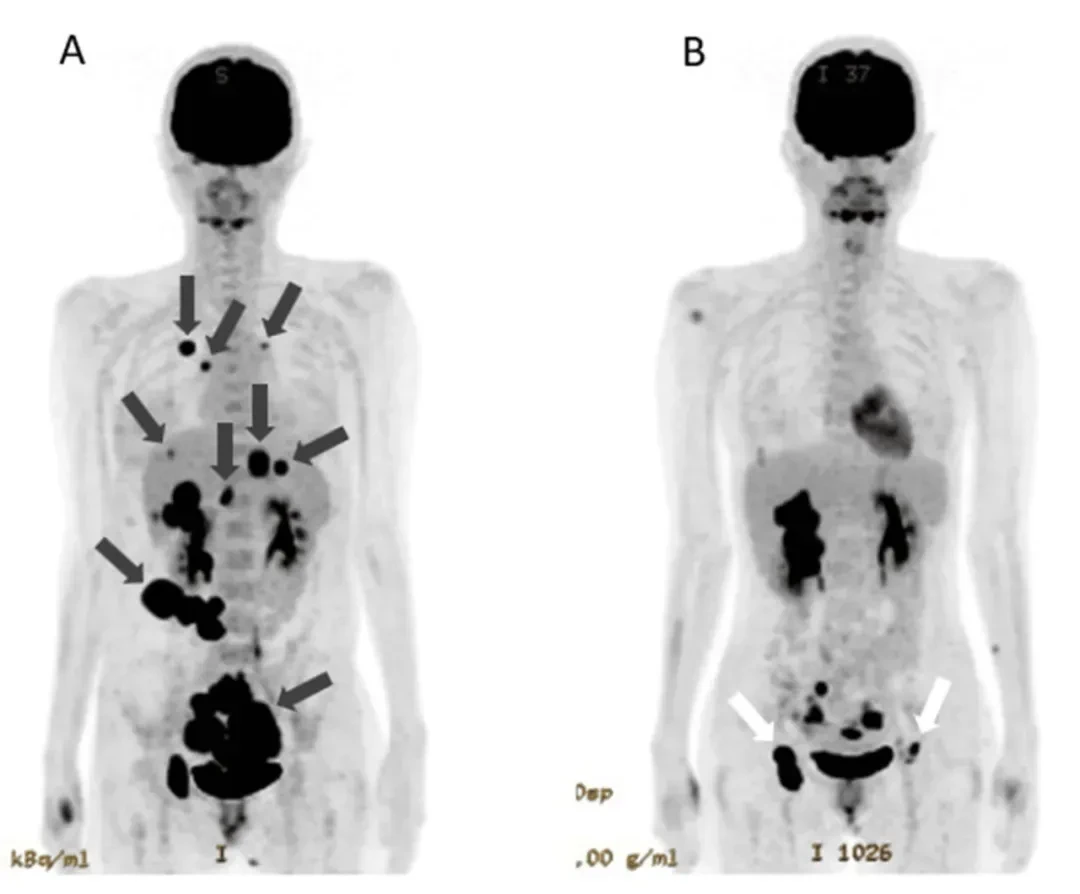
▲Image source: "Cureus", all rights reserved by the original author. If we unintentionally infringe on intellectual property rights, please contact us for removal.
2、Significant reduction in ascites, peritoneal dissemination suppressed: Before NK cell therapy, the patient's abdominal CT clearly showedMassive Ascites(See Figure A below);Significant reduction trend in ascites during treatment, on the 56th day, during the follow-up abdominal CT scan,The amount of ascites has significantly decreased compared to the time of diagnosis, and the liver metastases have also reduced in size.(See Figure B below). This change fully confirms that NK cell therapy has played a positive role in suppressing peritoneal dissemination.
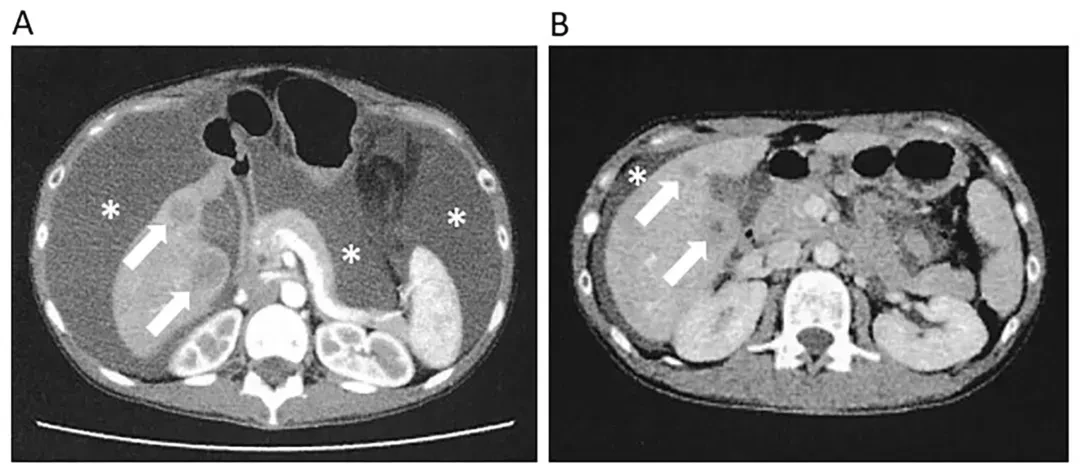
▲Image source: "Cureus", all rights reserved by the original author. If we unintentionally infringe on intellectual property, please contact us for removal.
3、Tumor markers and physical indicators continue to improve: After the patient received the third NK cell treatment,Levels of carcinoembryonic antigen (CEA) and carbohydrate antigen 125 (CA125) in the body significantly decreased and approached the normal range, and abdominal circumference also notably reduced.(See the figure below). Throughout the entire treatment cycle, the patient only experienced transient fever during the injection of the DC vaccine or NK cells, with no other serious adverse reactions. This demonstrates the safety of the combination therapy and provides assurance for the smooth progress of subsequent treatments.
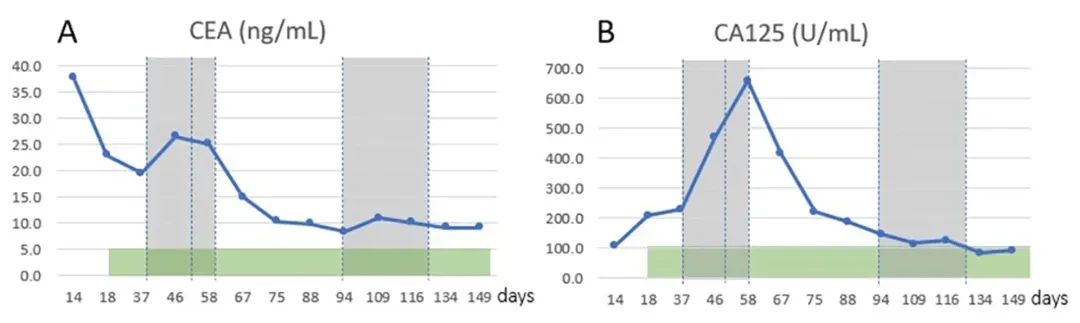
▲Source: "Cureus", all rights reserved. If we unintentionally infringe on intellectual property, please contact us for removal.
As a novel anti-cancer tool, hybrid immune cells have become the "rising star cells" in treating hematological malignancies and solid tumors due to their powerful tumor-killing activity, excellent immune surveillance characteristics, and unique tumor recognition capabilities. More notably, they can not only be combined with traditional anti-cancer methods such as molecular drugs, chemotherapy, and surgery, but in recent years, researchers have also paired them with cutting-edge therapies like CAR-T cells, paving the way for new anti-cancer approaches.
However, it is important to remind all patients: Cancer is highly mutable and extremely cunning, and it is currently difficult to achieve the desired results with a single treatment method alone. The ideal anti-cancer strategy should be based on precise and standardized diagnosis from authoritative hospitals and experts. It should rely on traditional treatments such as surgery, radiotherapy, and chemotherapy as the foundation, supplemented by cutting-edge approaches like immune cell therapy, targeted drugs, gut microbiota regulation, and cancer vaccines. These combined methods aim to enhance the patient's own resistance, consolidate treatment outcomes, and eliminate potential cancer cells in their infancy to prevent recurrence and metastasis. Ultimately, this approach seeks to improve quality of life while extending survival as much as possible.
If you want to learn more about the latest cutting-edge cancer therapies such as NK cells, DC cells, and γδT cells both domestically and internationally, you can submit your treatment history, recent pathology, and imaging examination reports toGlobal Oncologist Network Medical Department (400-666-7998), conduct a detailed assessment of the condition, or apply for a joint consultation with domestic and international cancer experts.
[1]Yan W,et al.The capability of heterogeneous γδ T cells in cancer treatment[J]. Frontiers in Immunology, 2023, 14: 1285801.
https://www.frontiersin.org/journals/immunology/articles/10.3389/fimmu.2023.1285801/full
[2]Wilhelm M,et al.Successful adoptive transfer and in vivo expansion of haploidentical γδ T cells[J]. Journal of translational medicine, 2014, 12(1): 45.
https://translational-medicine.biomedcentral.com/articles/10.1186/1479-5876-12-45
[3]Kakimi K,et al.Adoptive transfer of zoledronate-expanded autologous Vγ9Vδ2 T-cells in patients with treatment-refractory non-small-cell lung cancer: a multicenter, open-label, single-arm, phase 2 study. J Immunother Cancer. 2020 Sep;8(2):e001185.
https://pmc.ncbi.nlm.nih.gov/articles/PMC7511646/