

Isomorphic Labs Files for IPO Following Landmark Partnerships with Eli Lilly and Novartis and Breakthroughs in Atomic-Level Protein Structure Prediction

Novartis
Drug Development and Manufacturing

Eli Lilly
Global Pharmaceutical R&D and Production Company

Isomorphic Labs
AI Drug Developer
Eroom’s Law (the inverse of Moore's Law) exists in the process of innovative drug development.
According to data from Nature Reviews Drug Discovery, since 1950, the number of new drugs approved by the US FDA per billion dollars in R&D expenditure has approximately halved every 9 years. The factors contributing to this trend includeOne of the key reasons is the barrier to improving existing therapies.Increase, while AI, as a digital tool, has the potential to lower technical barriers and improve the efficiency of new drug development.
Therefore, in recent years, the "cross-border" cooperation between AI and biopharmaceutical companies has been increasing. For example,On January 7, 2024, Isomorphic Labs ("Iso" for short) announced strategic partnerships with Eli Lilly and Company and Novartis., which is also the first time Iso has established a pharmaceutical cooperation partnership.. Both collaborations focus on the research and development of small-molecule drugs, orBringing nearly $3 billion to IsoUpfront payment and performance milestone funds.
IsoFounded in November 2021, with its headquarters in London and a second branch in Lausanne, Switzerland. It operates independently within Alphabet, Google's parent company.Now under the control of DeepMind, a subsidiary of Alphabet.Unlike ordinary startups, Iso has extraordinary strength in terms of funding and computing power.
Iso undoubtedly stands at the "crossroads" of AI and biological disciplines, but to attribute its extraordinary capabilities to an individual, one must mention Iso's founder — artificial intelligence pioneer Demis Hassabis.
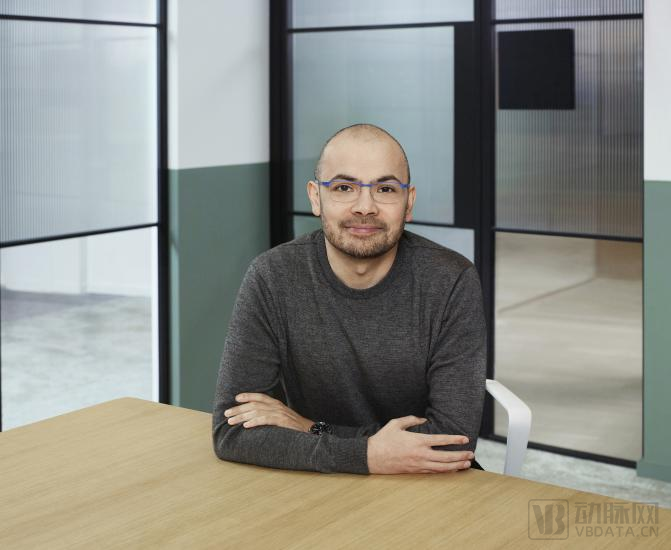
Demis Hassabis (Source: Isomorphic Labs Official Website)
In March 2016, AlphaGo defeated top Go player Lee Sedol, stunning the world. However, the name of the creator behind it remains little-known. In fact, it is Demis Hassabis, a man with a rich life experience and triple identities as a game developer, neuroscientist, and artificial intelligence entrepreneur.
Hassabis started playing chess at the age of 4 and was a child prodigy in the chess world. At 17,He developed the simulation game *Theme Park*, which sold millions of copies. After graduating top of his class in computer science from the University of Cambridge, he founded the video game company Elixir Studios, creating award-winning games for global publishers like Vivendi Universal. After a decade of navigating the business world, he returned to academia, completing a Ph.D. in cognitive neuroscience at University College London, followed by postdoctoral research at MIT and Harvard University, before eventually founding DeepMind.
In December 2013, DeepMind, which had been founded just four years earlier with a team of fewer than 20 members and no specific product released yet, attracted Google to acquire it for £400 million (approximately $660 million) solely based on a software demonstration at a machine learning research conference (which showcased the ability to learn from scratch and master complex tasks).This is also Google's largest acquisition in Europe to date.。
After being acquired, DeepMind has largely been granted autonomy, has now become part of Alphabet, and continues to achieve milestone breakthroughs.Iso was spun off from DeepMind and builds on the groundbreaking work of AlphaFold in protein folding, developing further from DeepMind's successful research in predicting protein structures.
The company name "Isomorphic" translates to isomorphism. Isomorphism captures the most essential information of things, ignoring other non-essential factors, and treats objects with the same underlying structure as one. That is to say,Isomorphism implies that biological systems and information science share a common underlying structure in principle.AI can not only be used to analyze data but also become familiar with biological rules through deep learning, reinforcement learning, active learning, and representation learning, establishing predictive and generative models of complex biological phenomena.
The intermolecular interactions within drugs are complex, occurring in a microscopic world invisible to the naked eye, and are difficult to predict and generate using traditional mathematical and physical methods. This is precisely where machine learning and artificial intelligence excel, as they continuously optimize the models for prediction and generation systems by learning from data, until achieving perfect deduction.
But to surpass the simple model of statistical inference is no easy task. Through deep training and model iteration, Iso has created a digital version of biological systems. It offers controllability and plasticity, providing a verifiable platform that can predict and simulate the biomolecular space represented by these models. The platform designs novel therapeutic drugs by identifying the pathways through which drugs exert their effects.Just like DeepMind's algorithm AlphaGo is able to intelligently search "GoJust as space is explored to find the next move in a game, the AlphaFold algorithm developed by Iso can search through "molecular" space to explore the full scope of biomolecules and diseases.
Compared with the previous generation of AlphaFold, the new generation of AlphaFold has been deeply integrated with other breakthrough artificial intelligence models developed by Iso.More"able to 'figure out'"Potential Biological Mechanisms of Drug Targets, Precisely Predicting Protein Structures
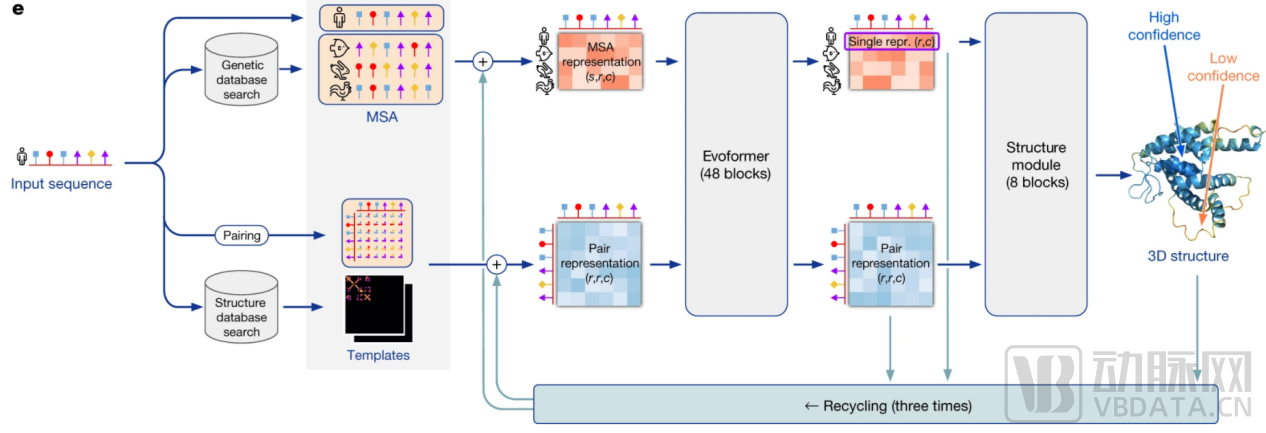 Schematic diagram of AlphaFold (Source: Nature)
The advantages and application scenarios are as follows:
·Atomic-level prediction accuracy
"Structure is function." The function of a protein depends on its three-dimensional structure, but it is not easy to predict these structural types with high precision. X-ray irradiation of crystallized proteins can convert the resulting diffraction light into three-dimensional atomic coordinates of the protein, thereby obtaining accurate protein structures, but the cost in terms of time and money is extremely high. Subsequently, computers, with their powerful computational capabilities, began to be applied to simulate protein structures, but the accuracy was not high, and the theoretical prediction methods were far from the experimental results.
Biologists such as John Moult founded CASP (Critical Assessment of Protein Structure Prediction) to measure the accuracy of predicted protein structures. The main metric for evaluation is GDT (the percentage of amino acid residues within a threshold distance of their correct positions), and a GDT score above 90 is considered comparable to experimental methods.
In the latest CASP evaluation results announced in November 2020, the AlphaFold system scored a total of 92.4 GDT, which means the average prediction error is about 1.6 angstroms (one angstrom equals 0.1 nanometers), equivalent to the width of an atom. Even for the most challenging random protein structure predictions, AlphaFold achieved a high score of 87.0 GDT. According to the Isomorphic Labs website, the newly iterated AlphaFold model has once again significantly improved prediction accuracy, reaching atomic-level precision.
·Continuously expanding coverage
AlphaFold has achieved a fundamental breakthrough in the prediction of single-chain proteins; AlphaFold-Multimer extends its applicability to complexes containing multiple protein chains; followed by AlphaFold2.3, which enhances performance and expands coverage to larger complexes; the next-generation AlphaFold broadens its scope from proteins to include almost all biomolecules in the Protein Data Bank (PDB), such as ligands (small molecules), nucleic acids (DNA and RNA), and molecules with post-translational modifications (PTM).
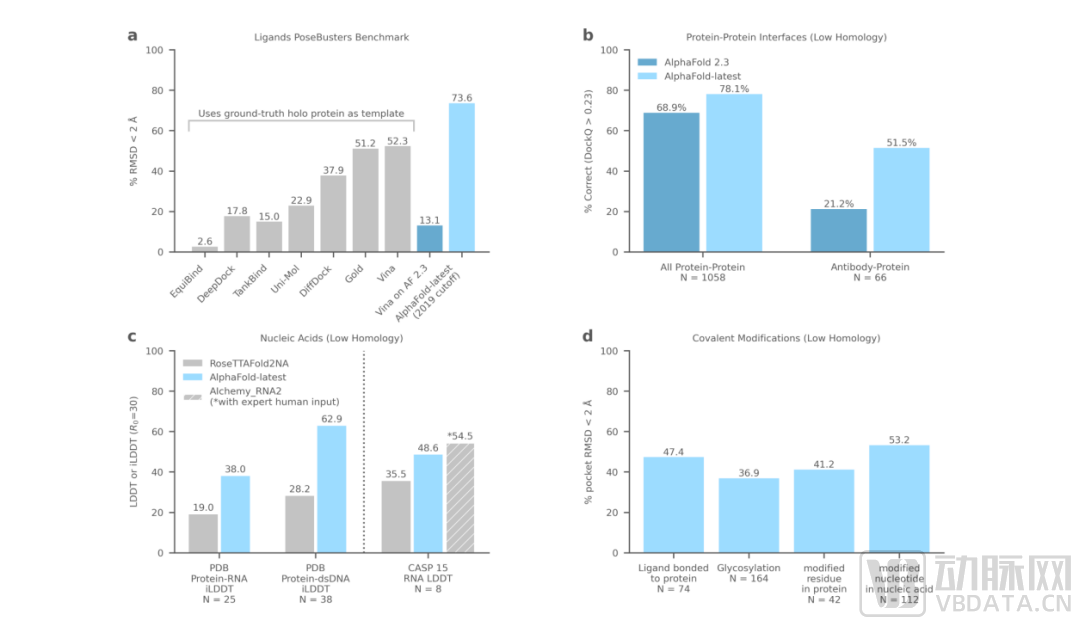
Prediction performance for protein-ligand complexes (a), proteins (b), nucleic acids (c), and covalent modifications (d) structures
(Source: Iso official website)
In 2022, AlphaFold collaborated with EMBL's European Bioinformatics Institute (EMBL-EBI) to freely provide the scientific community with AlphaFold’s structural predictions for nearly all catalogued proteins known to science through the AlphaFold Protein Structure Database.
·Perfecting Basic Biology
In addition, AlphaFold can model proteins and ligand structures as well as nucleic acids and nucleic acids with post-translational modifications, providing a faster and more accurate tool for studying fundamental biology.
As AlphaFold predicted the structure of CasLambda, which binds crRNA and DNA in the CRISPR system. CasLambda possesses the genome editing capability of the CRISPR-Cas9 system, commonly known as "gene scissors," which researchers can use to alter the DNA of animals, plants, and microorganisms. Moreover, it is smaller in size and can be more efficiently applied in genome editing.
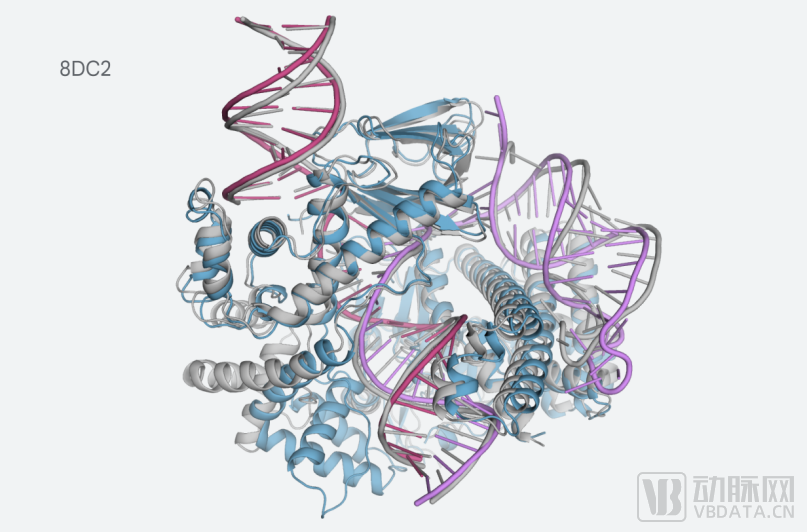 Predicted Structure of crRNA and DNA Binding
(Source: Iso official website)
·Accurately predict protein-ligand structures
The new generation of AlphaFold significantly outperforms AlphaFold2.3 and industry standards in areas related to protein structures associated with drug development, particularly in antibody binding prediction. Currently, the "docking method" is primarily used to predict protein-ligand structures, which requires reference to protein structures or the position of the ligand pocket.
The latest model of AlphaFold can predict entirely new proteins that have not been structurally characterized before, without requiring prior information on protein structures or ligand pocket positions. It is also capable of jointly modeling the positions of all atoms, providing a more comprehensive revelation of the flexibility of proteins and nucleic acids when interacting with other molecules.
In addition, in the latest released treatment cases, the predicted structures by the latest AlphaFold model (shown in color) are very close to the experimentally determined structures (shown in gray). These include the binding of anticancer molecules (PORCN), the covalent ligand binding of key cancer targets (KRAS), and the structural prediction of allosteric inhibitors of lipid kinases (PI5P4Kγ).
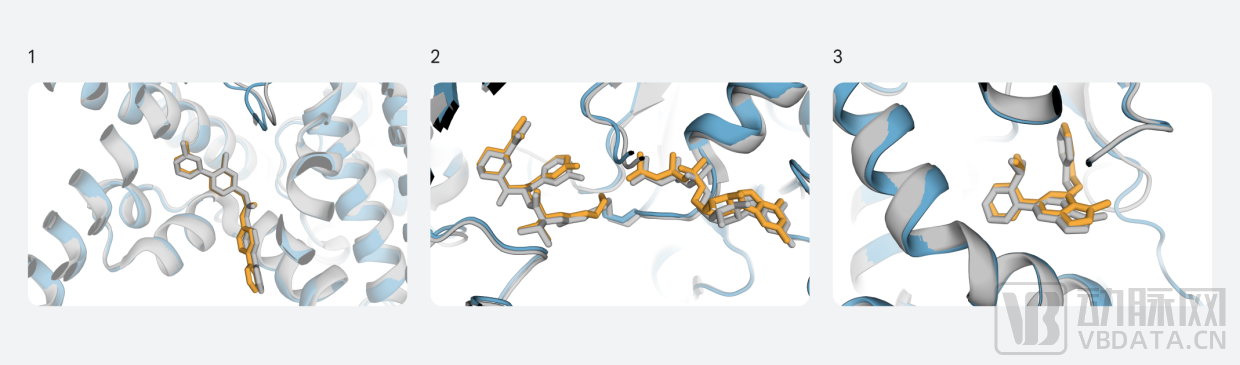 CorrectPredictive diagrams of PORCN(1), KRAS(2), and PI5P4Kγ(3) (Source: Isomorphic Labs website)
Iso is applying the iterative AlphaFold model to therapeutic drug design, making it possible to rapidly and accurately predict and generate a variety of critical macromolecular structures effective in treating diseases. According to Iso's official website, so far,More than 1.4 million users from over 190 countries have accessed the AlphaFold database.Biologists around the world have leveraged AlphaFold's predictions to drive research advancements across various fields, from accelerating the development of new malaria vaccines and promoting cancer drug discovery to creating plastic-eating enzymes to address pollution issues.
Accurately predicting protein-ligand structures can identify and design new biomolecules, thereby advancing the drug discovery process.According to the data from the "2020 China New Drug R&D Industry Analysis Report," the final approval probability for Phase I clinical drugs is only 11.30%. Even for drugs entering Phase III clinical trials, the success rate is just 53.40%. The overall cost during the clinical stage accounts for up to 70%. The new drug R&D industry generally faces issues of long cycles and low return on investment., and AI is undoubtedly an effective tool for improving the efficiency of new drug research and development.
AlphaFold's powerful modeling capability for biological complex systems further proves that the era of "digital biology" pharmaceuticals is approaching. The extensibility of artificial intelligence brings hope for breakthroughs in biomedicine and is expected to "shine brilliantly" in fields such as genomics, biorenewable materials, plant immunity, potential therapeutic targets, drug design mechanisms, protein engineering, and synthetic biology.
According to Research And Markets, the global market size for AI-driven drug discovery will grow from $910 million in 2020 to $1.27 billion in 2021, with a compound annual growth rate (CAGR) of 39%. By 2025, the market size is expected to reach $5.94 billion, with a CAGR of 47%, showing strong momentum in the AI pharmaceuticals industry.
Providing AI technology belongs to the upstream industry of the AI pharmaceutical industry chain, which also includes midstream and downstream industries. As capital enters the AI pharmaceutical track, in addition to traditional pharmaceutical companies and Biotech firms, CXO enterprises such as WuXi AppTec and IQVIA have also joined in, committing to the R&D of drugs empowered by AI technology.
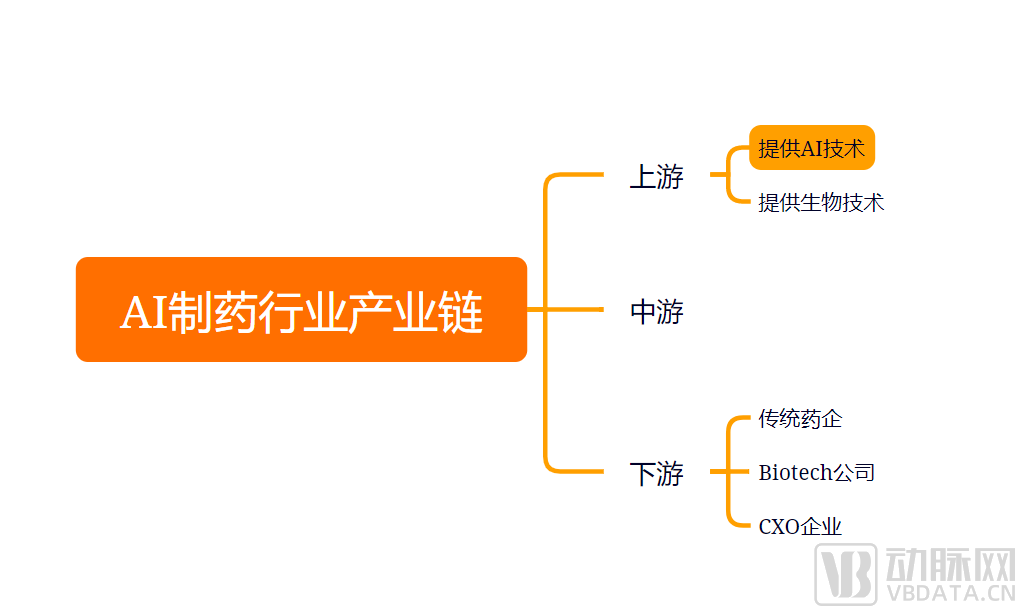
Looking overseas, listed companies with market values of billions of dollars have entered the AI pharmaceuticals industry, such as Roivant Sciences, which has 14 drug pipelines all in clinical stages, Structure Therapeutics and Schrödinger, both with two drug pipelines in clinical stages. In comparison to overseas markets, China's AI pharmaceuticals industry started relatively late.。But sinceSince 2015, numerous AI pharmaceutical startups such as XtalPi, Yiyao Technology, StarAI Pharma, StoneWise, and SinoAI Pharmaceuticals have emerged. Meanwhile, traditional pharmaceutical companies like WuXi AppTec have entered the AI pharmaceutical sector through strategic cooperation or equity financing, along with major internet companies such as Baidu, Tencent, and Alibaba.have also successively entered this field.
References:
〔1〕Jumper, J. et al. Highly accurate protein structure prediction with AlphaFold. Nature 596, 583–589 (2021).