Developer of Tumor Immune Cell Therapy Technologies and Products
Sinopharm
Pharmaceutical and Medical Device Distributors and Supply Chain Service Providers

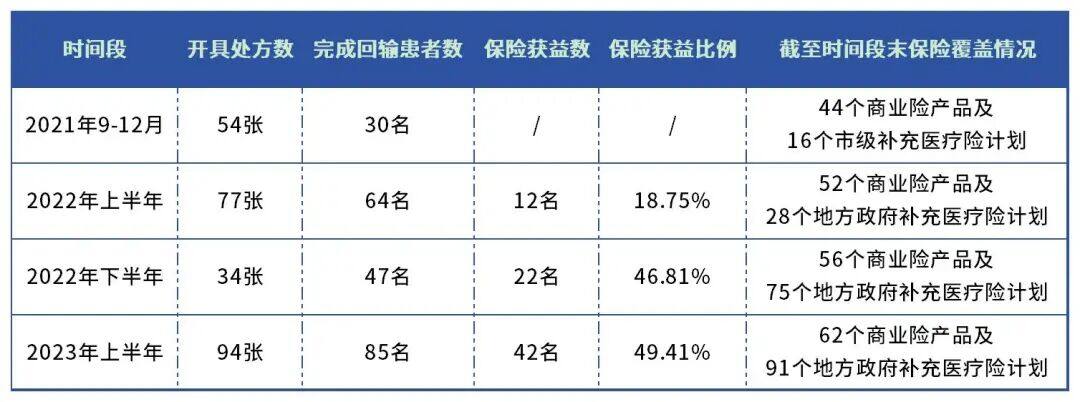
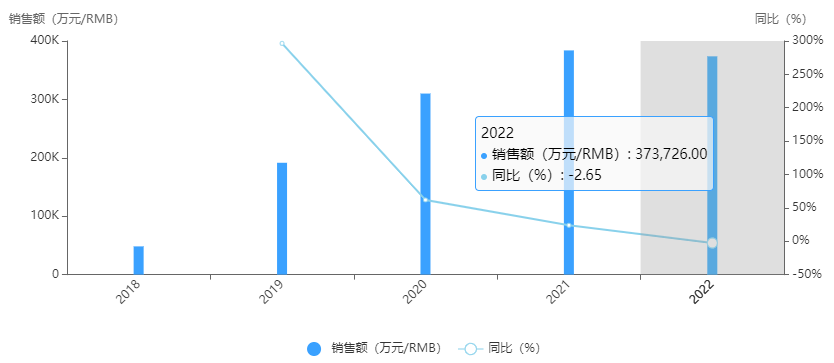
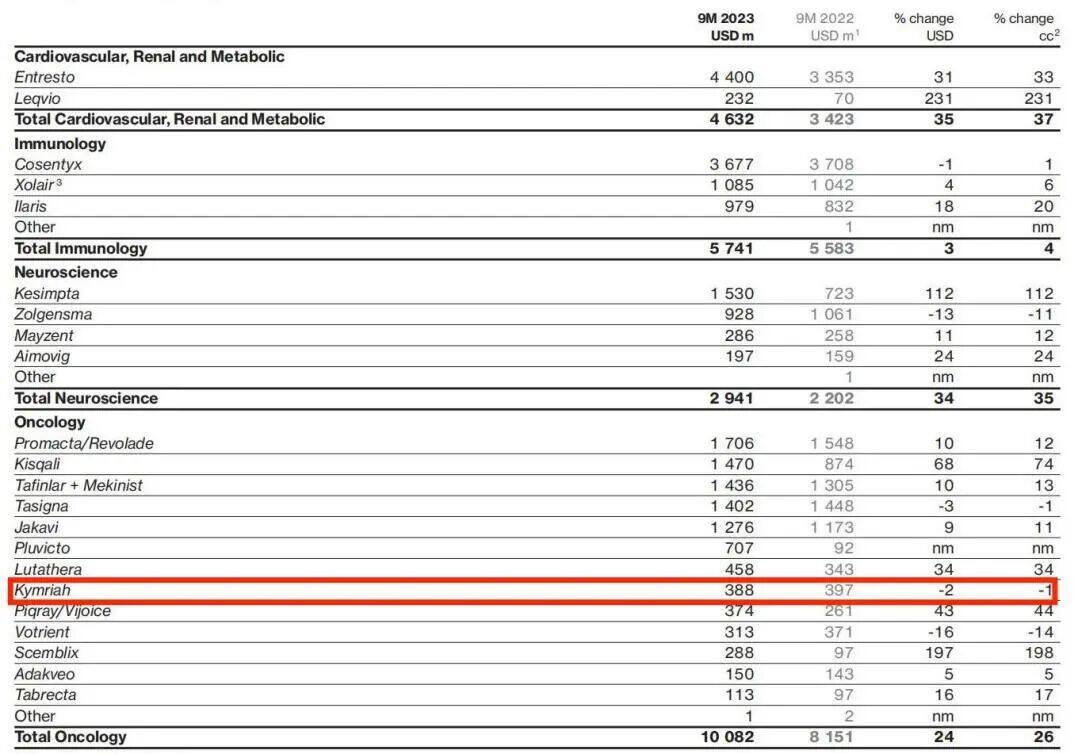
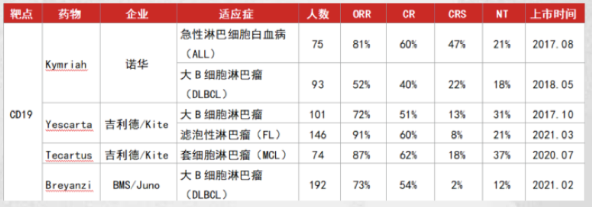
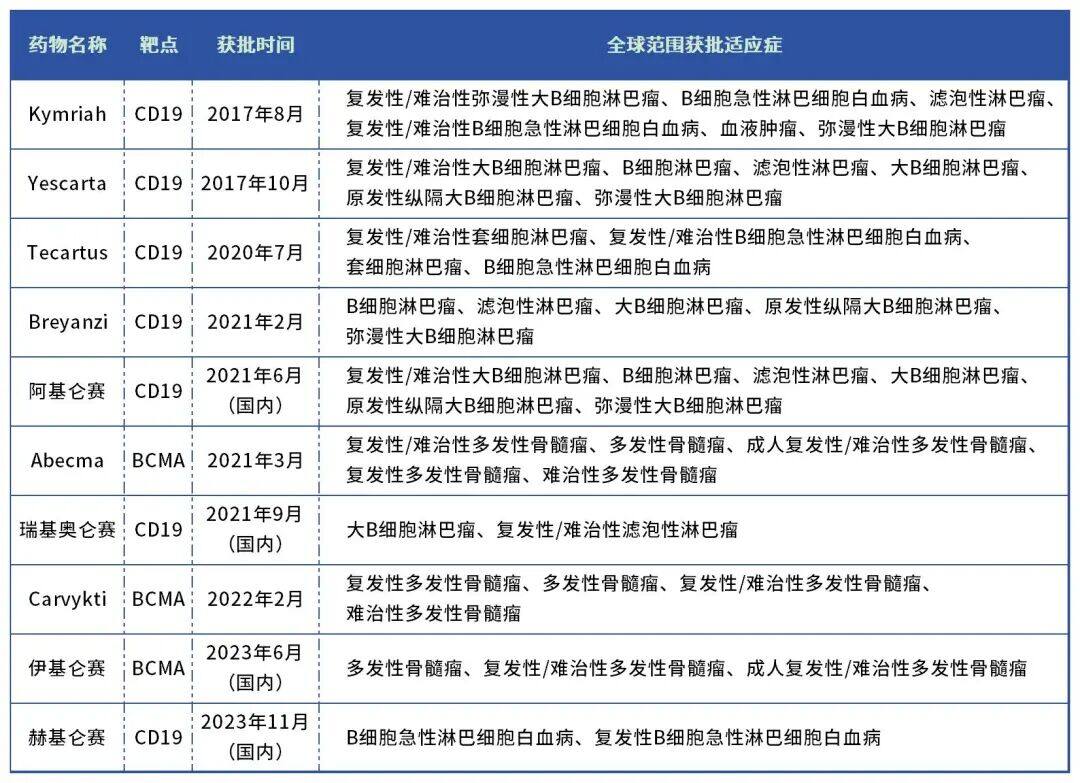
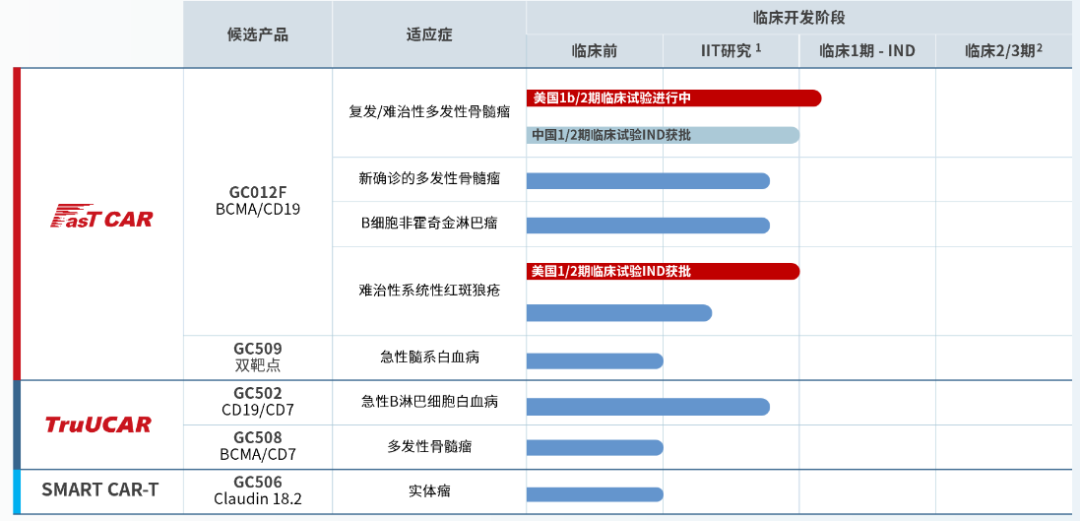
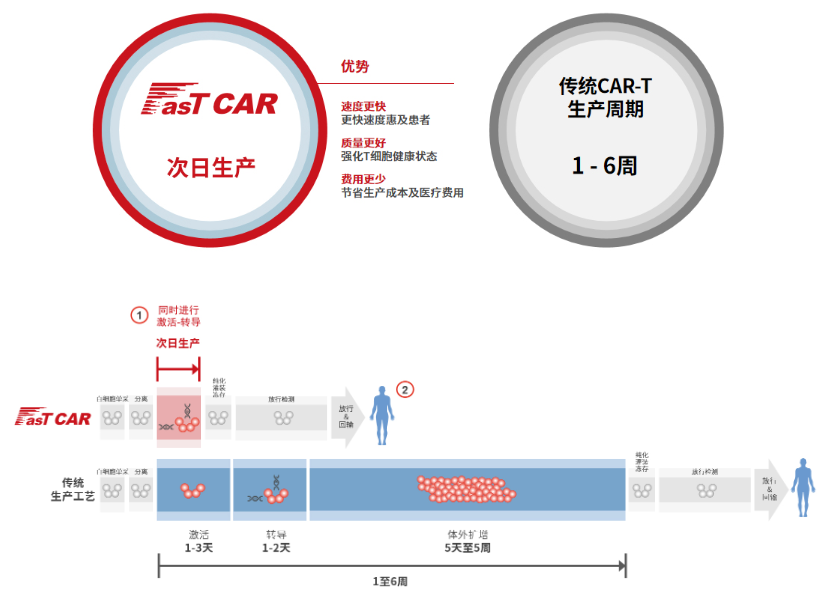
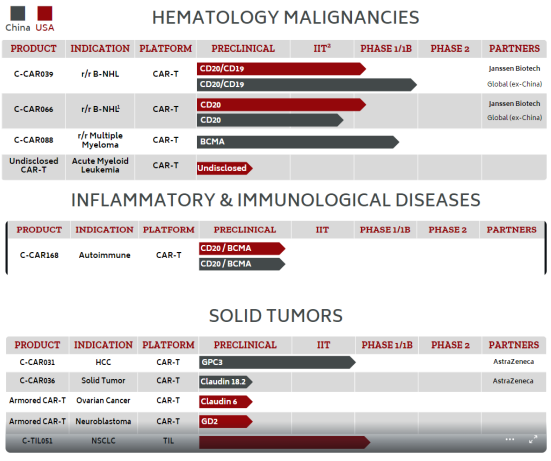
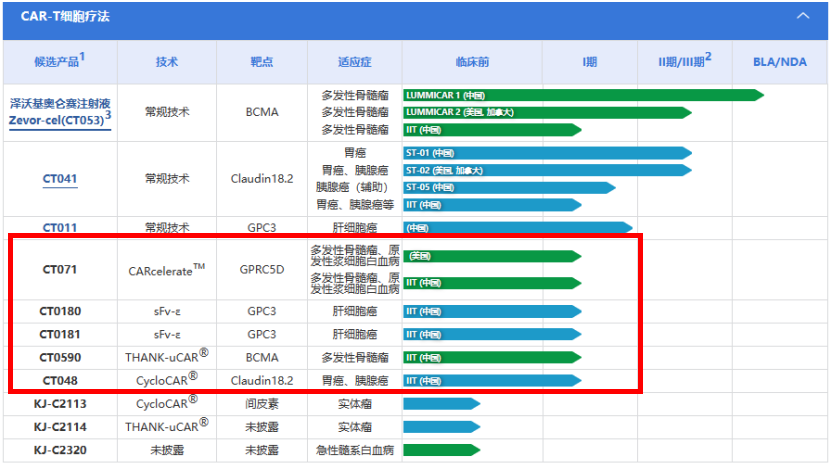
1.2 million yuan per injection, if the treatment effect does not meet the standard, and after half of the self-paid portion is refunded, should it then be "ineffective, full refund"? Recently, Fosun Kite Biotechnology Co., Ltd. and Sinopharm Group Co., Ltd. jointly launched the Axicabtagene Ciloleucel Efficacy Value Payment Plan. According to the payment plan, whether fully self-funded or the self-paid portion after insurance compensation, eligible patients who do not achieve complete remission (CR) after receiving Axicabtagene Ciloleucel treatment will receive a 50% refund of the cost. This plan is expected to trigger a chain reaction in China's CAR-T product market. Sky-high prices are the biggest stumbling block, with an annual prescription volume of over 100? As is known to all, CAR-T is a chimeric antigen receptor (CAR)-modified T cell that can eliminate target cells in an HLA-independent manner. Despite its significant therapeutic advantages, the high cost of treatment has become the biggest "stumbling block" to its market commercialization. Axicabtagene Ciloleucel is a CAR-T product that Fosun Kite Biotechnology Co., Ltd. introduced from Gilead’s Yescarta, undergoing technology transfer and gaining authorization for localized production in China. According to clinical data, the treatment of Chinese patients with relapsed/refractory large B-cell lymphoma shows results highly similar to Yescarta’s U.S. clinical data and real-world research data, with an overall response rate (ORR) of 79.2%, an objective response rate of 83%, a complete response rate of 58%, and a 4-year overall survival rate of 44%. It can significantly improve patients' overall survival and quality of life. As the first CAR-T product to be launched in China, Axicabtagene Ciloleucel once sparked new hope for lymphoma patients. It was approved in June 2021 for the treatment of adult patients with relapsed or refractory large B-cell lymphoma who had received two or more lines of systemic therapy. In June 2023, it was further approved for adult patients with large B-cell lymphoma that is either unresponsive to first-line immunochemotherapy or recurs within 12 months after first-line immunochemotherapy. However, the significant efficacy and the continuously expanding range of indications have made the high treatment costs a "stumbling block" for the vast majority of patients. According to the official website of Fosun Kite, as of the end of 2023, only over 600 patients had received the treatment. Relying on the same fate in market promotion, Relma-cel, which was approved for marketing in China nearly three months later than Axicabtagene Ciloleucel, had a total of 259 prescriptions issued as of June 2023. Heavy reliance on commercial insurance, value-based payment for efficacy seeks growth Two CAR-T products, despite being on the preliminary review list for the medical insurance catalog every year after their market launch, have still not made it into the catalog. The three failed attempts of CAR-T products to enter the medical insurance system reflect the helplessness regarding their high prices. As a result, city-level inclusive insurance and commercial insurance have become the main areas of focus for improving patient acceptance of CAR-T products. From the structure of patients treated with Relmacabtagene Autoleucel, it can be concluded that as of June 2023, Relmacabtagene Autoleucel has been included in 62 commercial insurance products and 91 local government supplementary medical insurance plans. The proportion of patients who have completed reinfusion and benefited from insurance increased from 18.75% in the first half of 2022 to 49.41% in the first half of 2023 (the year 2021 is not considered due to the lag in insurance plans). Conversely, although the number of prescriptions for Relmacabtagene Autoleucel and the number of patients completing infusion are on an annual growth trend, the acceptance rate among non-insurance-covered patients has decreased from 100% in 2021 to 50.59% in the first half of 2023. This indicates that the promotion of CAR-T products largely depends on the extent of insurance plan coverage for patients. Structure of Patients Treated with Relmacabtagene AutoleucelSource of the image: Compiled based on the JW Therapeutics report According to statistics, the insurance reimbursement rate for patients treated with Relma-cel ranges from 38% to 100%, with a median of 69%. Even so, the out-of-pocket cost for one injection is still as high as 300,000 yuan. Including additional expenses during the peri-treatment period such as examinations, hospitalization, side effect management, and ICU costs, the treatment remains unaffordable for the vast majority of patients, with the biggest concern being the risk of losing both money and life. Nowadays, Fosun Kite's value-based payment plan for therapeutic efficacy is equivalent to giving up a portion of the profit margin from patients who have not achieved complete remission. Based on the efficacy data of relapsed/refractory large B-cell lymphoma, with a 58% complete response rate and an average out-of-pocket expense ratio of 31%, this amounts to 93.49% of the original revenue. The seemingly impressive 50% discount is a strong marketing gimmick, but it has little impact on profit loss. Instead, it may open the door for China-produced CAR-T products to seek growth outside of medical insurance. After the 50% price cut, there might even be a "full refund if ineffective" policy introduced. Beyond Price, New "Hurdles" Need Attention Kymriah is the world's first approved CAR-T product, receiving FDA approval in August 2017. According to data from Pharma Intelligence, in its sixth year on the market (2022), Kymriah’s sales revenue ended its previous steady growth and recorded a 2.65% decline (in RMB terms). Image Source: PharmSnap Data As time entered 2023, the market weakness of Kymriah remained unchanged. According to Novartis' Q3 financial report in 2023, Kymriah’s sales revenue for the first three quarters was $388 million, a year-on-year decrease of 2.27%. Moreover, there were consecutive declines in both Q2 and Q3, with decreases of -5.43% and -8.06%, respectively. Comparing the 2022 sales performance of $536 million and Q4 2022 revenue of $139 million, Kymriah would need an 8.83% year-on-year growth in Q4 2023 sales just to match 2022 levels. Clearly, it is highly unlikely that Kymriah will achieve this. Source of the image: Novartis Q3 2023 Earnings Report Notably, Kymriah was approved by the U.S. FDA and the EU in 2022 for the treatment of patients with relapsed or refractory follicular lymphoma. Logically, the expansion of indications would lead to market growth. On the contrary, however, 2022 became a turning point for Kymriah's market weakness. What was the reason? The battle of efficacy became Kymriah's Waterloo. Among the three CAR-T products approved for the treatment of large B-cell lymphoma, Yescarta and Breyanzi demonstrated better objective response rates (ORR) and complete response rates (CR) than Kymriah, with both showing lower rates of cytokine release syndrome (CRS) compared to Kymriah. Image Source: Amino Observation Although there are not many CAR-T products on the market, they have already entered a highly competitive mode. Among the 10 CAR-T products approved for marketing globally, all indications are in the field of oncology, with lymphoma being the most common, followed by multiple myeloma and leukemia. In terms of targets, seven products target CD19, while the remaining three target BCMA. Notably, all three products targeting BCMA are indicated for multiple myeloma. The concentration of indications and targets is the main reason why Kymriah was eliminated from the competition in its sixth year on the market. Source: Pharma Intelligence Data According to Southwest Securities statistics, as of Q1 2023, there are 1,332 CAR-T therapy projects under research globally, with 1,290 in the oncology field. The competition within CAR-T continues to intensify. Which Chinese-produced CAR-T will stand out? Today's CAR-T is following the same path as yesterday's PD-1/L1; differentiation is the key to breaking through. On December 26, 2023, Gracell Biotechnologies reached a definitive acquisition agreement with AstraZeneca. AstraZeneca will acquire all of Gracell Biotechnologies for a total consideration of approximately $1.2 billion, including an upfront payment and potential or valuable milestone payments, representing an 86% premium over the closing price of the previous trading day. Founded less than six years ago, Gracell Biotechnologies is the same "age" as Kymriah. While Kymriah fell from its "pedestal," Gracell caught the attention of multinational corporations (MNCs) because its pipeline does not entirely focus on the fiercely contested area of lymphoma, nor does it concentrate on the most crowded target "battlefields" like CD19 or BCMA. Among the 5 products in Gracell Biotechnologies' pipeline, 4 are dual-targeted. The most advanced product, GC012F, targets both the well-established CD19 and BCMA simultaneously. In addition to oncology indications, its clinical trial application for the treatment of refractory systemic lupus erythematosus (rSLE) has been approved by both China and the U.S. The other two dual-targeted products with disclosed targets also adopt a strategy of combining mature targets with CD7, thereby avoiding intense competition. Image Source: Gracell Biotechnologies Official Website Moreover, the dual-target CAR-T therapy has also shown excellent efficacy. According to the IIT clinical data of GC012F for the treatment of multiple myeloma released by Gracell Biotechnologies at the 65th American Society of Hematology Annual Meeting, the overall response rate (ORR) was 100%, and the stringent complete response rate with minimal residual disease negativity (MRD-sCR) was 95.5%. GC012F is expected to become a new generation treatment option for multiple myeloma, various malignant hematological tumors, and systemic lupus erythematosus. Notably, Gracell Biotechnologies' differentiated layout is also reflected in the production process. The biggest advantage of its FasTCAR technology platform is that it can shorten the cell production cycle from the traditional 1-6 weeks to completion within a day, thereby reducing the risk of disease progression for patients. This not only addresses key challenges of existing CAR-T therapies but also lowers production costs. Source of the image: Gracell Biotechnologies official website Similarly, CIBOMAN Biotech, which also focuses on CAR-T, has been highly sought after by multinational corporations (MNCs). In December 2023, it successively reached new cooperation agreements with AstraZeneca and Janssen Pharmaceuticals (a subsidiary of Johnson & Johnson) for three CAR-T products. Specifically, an agreement was reached with AstraZeneca for C-CAR031, and agreements were made with Janssen Pharmaceuticals for C-CAR039 and C-CAR066. Notably, among the three products, C-CAR039 is a dual-target (CD20/CD19), while C-CAR066 and C-CAR031 target CD20 and GPC3 respectively, also avoiding the most popular targets. Image Source: Cellular Biomedicine Group Official Website In terms of technical platforms, similar to Gracell Biotechnologies in breaking through conventional technology, there is also CARsgen Therapeutics. In addition to three CAR-T products based on conventional technology, it has five products utilizing four different technologies that are distinct from conventional methods, all of which have entered the clinical stage. Image Source: CARsgen Therapeutics Official Website In addition, Ruishun Biotech's cost differentiation strategy has also made progress. The clinical application of RJMty19 for the treatment of refractory systemic lupus erythematosus was approved by the National Medical Products Administration in December 2023. Notably, although RJMty19 targets CD19, it is the world's first "off-the-shelf universal" CAR-DNT product to enter clinical trials without gene editing. Compared with the seven currently marketed autologous CD19-CAR-T products, it offers advantages such as standardized production, lower manufacturing costs, and immediate availability for patients, fundamentally addressing the commercialization challenges faced by autologous CAR-T products. Summary Unlike other innovative drugs, the main differentiated competitive advantages of CAR-T products are not only affected by efficacy but also by manufacturing costs and the waiting period for patient treatment, among other factors. Therefore, in the future CAR-T market, relying solely on insurance benefits and comprehensive "coverage" through叠加efficacy value payment will still not be competitive enough. It is expected that many CAR-T products (including pipeline products) will be pushed to the market's edge and left to survive or perish on their own. Source:PharmCube HeadlinesWorkAuthor: Zhao Yanwu