Kunstone Biotech Completes First-in-Human Dosing and Evaluation of Third-Generation CAR-M Therapy RR-M01 in Global Clinical Milestone

Rock Roc Biotechnology
Macrophage Chimeric Antigen Receptor Therapy Developer
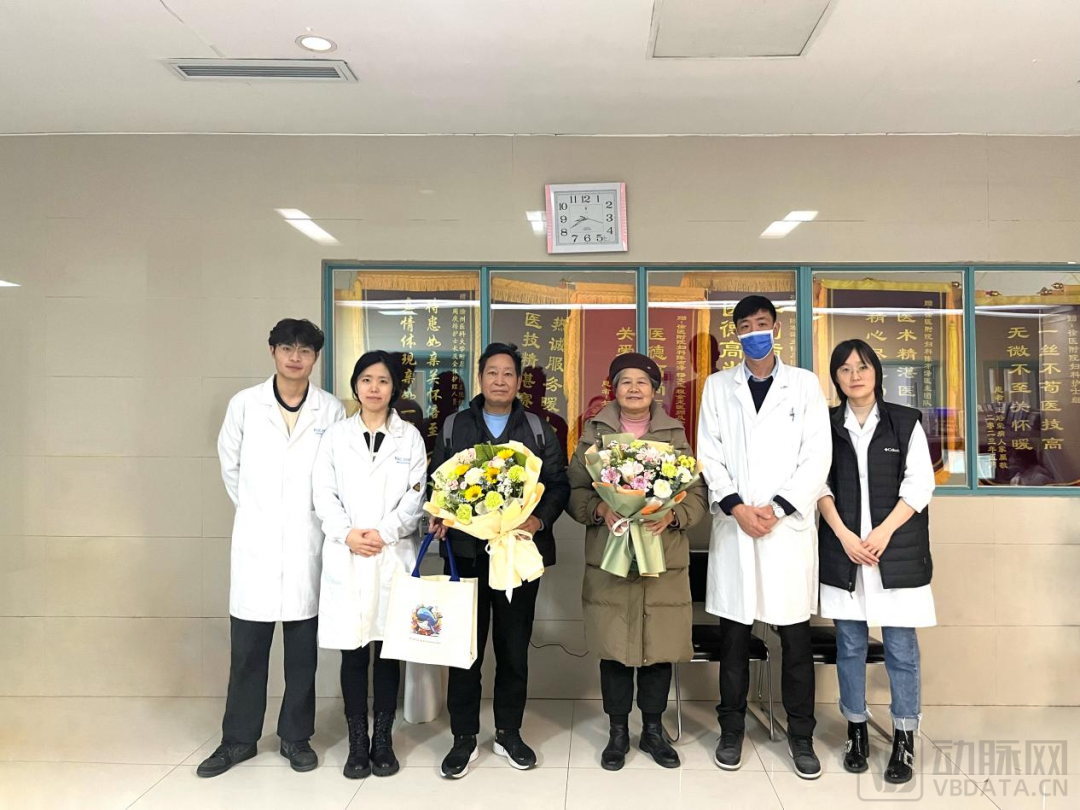
Recently, RR-M01 Injection, a third-generation Chimeric Antigen Receptor Macrophage (CAR-M) drug independently developed by ROC ROCK Biotechnology, has completed the first clinical subject dosing at the Affiliated Hospital of Xuzhou Medical University. After a month-long hospital observation, the patient was successfully discharged. The launch of this clinical trial brings new hope for the treatment of malignant solid tumors, especially recurrent and refractory ovarian cancer.
Ovarian cancer is one of the most common gynecological malignancies, ranking third in incidence among malignant tumors of the female reproductive tract, yet it has the highest mortality rate. Although improvements in surgical techniques and the clinical application of taxanes, platinum-based drugs, and other targeted therapies over the past 20 years have significantly improved the prognosis for ovarian cancer patients, the five-year survival rate for advanced-stage patients remains under 30%. Therefore, there is an urgent need to identify new and effective drugs to achieve better treatment outcomes.
RR-M01 Injection is a third-generation CAR-M cell therapy drug developed for HER2-positive solid tumors. In 2023, ROC ROCK Biotechnology, in collaboration with the Affiliated Hospital of Xuzhou Medical University, initiated an Investigator Initiated Trial (IIT). The primary objective of this study is to evaluate the safety and efficacy of CAR-M cell therapy in treating HER2-overexpressing recurrent and refractory ovarian cancer.
The first subject of this clinical study was a 65-year-old female with a 2-year history of ovarian malignant tumor, who underwent oophorectomy and hysterectomy. After adopting various first-line treatment regimens, multiple metastases still occurred one year after the surgery, with HER2++ detected by pathological examination. She was screened and enrolled in December 2023, completed leukapheresis, CAR-M preparation, and quality control in the middle of that month, and received cell infusion treatment at the end of the month. The subject's vital signs were stable post-infusion, with high comfort levels and good overall condition. No severe adverse reactions occurred during the follow-up observation period, demonstrating the favorable safety profile of this cellular drug. Meanwhile, the subject’s clinical symptoms gradually improved compared to pre-treatment, and indicators such as tumor markers were effectively controlled. After discharge, the patient will continue regular follow-ups according to the clinical protocol.
Dr. Yin Xiushan, CEO of ROC ROCK BiotechnologyCAR-M: A Highly Promising Targeted Solid Tumor ImmunotherapyCAR-M is a highly promising targeted solid tumor immunotherapy. The use of non-integrating viral transduction of macrophages does not pose a risk of secondary carcinogenesis. The treatment process does not require lymphodepletion, offering great convenience to patients. Moreover, since other immune cells are not depleted, they can exert a synergistic effect, enhancing therapeutic efficacy. ROC ROCK Biotechnology is a biotechnology company specializing in macrophage-based drugs for targeting solid tumors and is currently among the top tier internationally. The successful discharge of the first patient marks the official entry of ROC ROCK Biotechnology’s pipeline into the clinical stage. We once again express our gratitude to all employees of ROC ROCK Biotechnology for their hard work, to Director Chen Buze and his team from the Affiliated Hospital of Xuzhou Medical University, and to our strategic partner, Jiangsu Jicui Chuang Bio-Tech Research Institute Co., Ltd. (also known as the Cell Therapy Drug Clinical Research Center of the National Biopharmaceutical Technology Innovation Center) for their strong support. ROC ROCK Biotechnology will accelerate the clinical trial registration of this pipeline to benefit more cancer patients as soon as possible.
The principal investigator of this clinical study is Director Chen Buze from the Affiliated Hospital of Xuzhou Medical University."This subject showed very stable performance after administration, with tumor markers and other indicators effectively controlled. This indicates that RR-M01 has good safety and potential efficacy in treating recurrent and refractory ovarian cancer, giving the entire clinical research team great confidence. Subsequently, we will actively carry out dose escalation and expand the clinical research for new indications. Meanwhile, we would like to thank the participants involved in the study, their families, all researchers, and their clinical and nursing staff for their efforts in advancing ovarian cancer research."
About the Third Generation CAR-M
Chimeric Antigen Receptor Macrophages (CAR-M) represent a novel immunocyte therapy. The first-generation CAR-M cells were the initial attempt of this technology, utilizing the CD3ζ domain. The second-generation CAR-M incorporated macrophage-specific domains based on the first generation, enhancing the phagocytic function and tumor-killing ability of macrophages. ROC ROCK Biotechnology's third-generation CAR-M concept originated in 2010, linking essential cytokines required for the autologous proliferation and activation of macrophages to the original CAR structure. This improves the in vivo persistence of CAR-M, alters the tumor microenvironment, and further enhances the phagocytosis, tumor-killing, and antigen presentation capabilities of macrophages. The third-generation CAR-M from ROC ROCK Biotechnology is fully self-developed and 100% made in China, representing the crystallization of the team’s intellectual and physical efforts. It was recognized as a disruptive technology by the Chinese government in 2021 and approved as a key national project in 2023, holding significant strategic importance.
About RR-M01
RR-M01 Pipeline Targets HER2, a Novel Third-Generation Chimeric Antigen Receptor Macrophage Drug for HER2-Positive Solid Tumors