

Merck’s KEYTRUDA Demonstrates 38% Improvement in Overall Survival as Adjuvant Therapy in Phase 3 KEYNOTE-564 Trial for Renal Cell Carcinoma

MSD
Pharmaceutical R&D and Manufacturer
▎Edited by the WuXi AppTec content team
Recently, MSD released the latest results of the Phase 3 clinical trial KEYNOTE-564,This trial evaluated the treatment effect of anti-PD-1 therapy Keytruda as an adjuvant treatment for patients with renal cell carcinoma (RCC) who have intermediate-high or high risk of recurrence after nephrectomy, or after nephrectomy and resection of metastatic lesions.. The latest data shows,Keytruda as an adjuvant therapy significantly improved the overall survival (OS) of RCC patients by up to 38%.
At the third pre-specified interim analysis (median follow-up time was 57.2 months, ranging from 47.9 to 74.5 months),Keytruda as adjuvant therapy significantly improved overall survival — this was the primary secondary endpoint of the trial, with a 38% increase compared to placebo (HR=0.62, [95% CI, 0.44-0.87]; P=0.002).At 48 months, the estimated OS rate for patients treated with Keytruda was 91.2%, while the OS rate for patients treated with placebo was 86.0%.
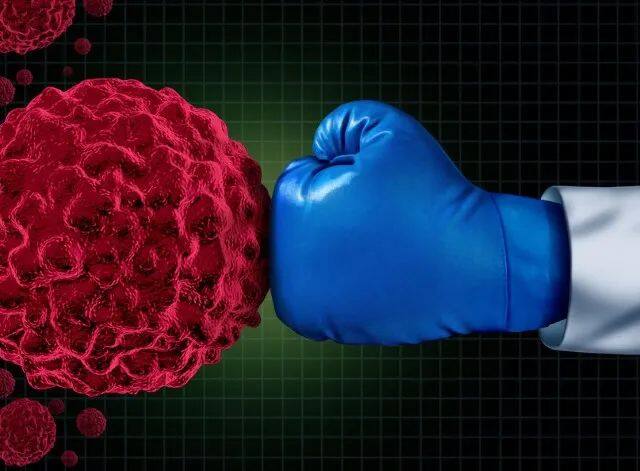
Image Source:123RF
According to previous reports, in the early pre-specified interim analysis with a median follow-up time of 24.1 months, KEYNOTE-564 reached the primary endpoint of disease-free survival.Compared with placebo, the risk of disease recurrence or death was reduced by 32% (HR=0.68, [95% CI, 0.53-0.87]; one-sided P=0.001).In the third interim analysis, the DFS benefit was consistent with previously reported data, compared to placebo,Keytruda as an adjuvant therapy reduced the risk of disease recurrence or death by 28% (HR=0.72, [95% CI, 0.59-0.87]).
Based on the DFS data from KEYNOTE-564, which was first presented at the 2021 ASCO Annual Meeting, Keytruda has been approved in the United States, the European Union, Japan, and other countries and regions around the world for adjuvant treatment of RCC patients. MSD is currently working with health authorities to incorporate these OS data into the full prescribing information for Keytruda.
MSD has launched an extensive RCC clinical development program across various settings, including adjuvant and advanced disease, utilizing Keytruda as a monotherapy or in combination with Welireg (belzutifan, MSD's oral hypoxia-inducible factor-2α inhibitor), Lenvima (lenvatinib, a multi-target VEGF tyrosine kinase inhibitor), and quavonlimab (a CTLA-4 monoclonal antibody).

Keytruda is a humanized anti-PD-1 monoclonal antibody that blocks the binding of PD-1 to its ligands PD-L1 and PD-L2, thereby activating T lymphocytes.This effect may enhance the ability of the immune system in the body to detect and resist tumor cells. In September 2014, Keytruda was first approved by the FDA for the treatment of advanced melanoma and was subsequently approved as a first-line therapy for patients with metastatic non-small cell lung cancer (NSCLC). In China, Keytruda has also been approved for multiple indications.
The safety profile of Keytruda was consistent with previously reported study results, and no new safety signals were identified.Treatment-related adverse events (TRAEs) occurred in 79.1% (n=386) of patients in the Keytruda group and 53.0% (n=263) of patients in the placebo group. The incidence of grade 3-4 TRAEs was 18.6% in the Keytruda group and 1.2% in the placebo group. Treatment was discontinued due to TRAEs in 18.2% of patients in the Keytruda group and 0.8% of patients in the placebo group, with no treatment-related deaths reported in either group.
From January 31 to February 1, 2024, we will launch a limited-time online replay of the "2024 WuXi AppTec Global Forum."Across time and space, allowing colleagues from all over the world to "zero-distance" listen to wonderful viewpoints, seize opportunities, and gain insights into the future! This article offers a sneak peek at some of the golden words and wise sayings from the guests, giving everyone an early look. Welcome to scan the QR code below to register and reserve to watch more exclusive insights!

Everyone is watching



▲To learn more about the application of cutting-edge technologies in the biopharmaceutical industry, please long-press and scan the QR code above to access "WuXi Live Studio" and watch live discussions and exciting replays on related topics.

Share,PointLike,In view, Focusing on Global Biomedical Health Innovation