

Sanofi and Synthekine Enter Global Collaboration to Develop Selective IL-10 Receptor Agonist for Inflammatory Diseases

Sanofi
Pharmaceutical R&D Developer

Synthekine
Targeted Cytokine Therapeutics Developer
Welcome to follow Asymchem Pharma News

On January 29, 2024, Synthekine announced that it had reached a global collaboration with Sanofi to develop and commercializeIL-10 Receptor Agonist for the Treatment of Inflammatory Diseases。
Under the terms of the agreement, Sanofi will take full responsibility for the subsequent preclinical, clinical, and commercialization activities of the IL-10 drug; SynthekineWill receive a $40 million upfront payment from Sanofi,And is eligible for additional payments, including potential preclinical, development, regulatory, and commercial milestones, as well as tiered royalties on net sales.。
One
About Synthekine
(1) Company Profile
Synthekine, based on the research of Professor K. Christopher Garcia from Stanford University’s Department of Structural Biology, where Garcia is a world-leading expert in the field of cytokine structure and cytokine signal transduction; the company's vision...The potential of cytokine therapy lies in the in-depth research on the structure and function of cytokines, unleashing their full efficacy while avoiding associated toxicity.
(II) R&D Platform
Part.1
Cytokine Partial Agonist
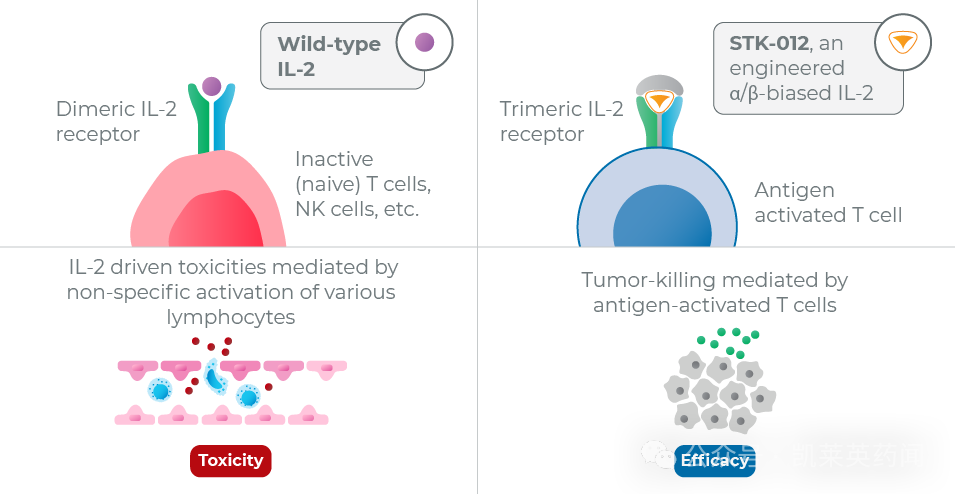
The company enhances the binding with receptors on efficacy-driven cell types while reducing the binding with receptors on toxicity-driven cell types by altering or adjusting the receptor-binding surface of wild-type cytokines. As a modified cytokine or mutant protein, it allows for selective agonism of cytokine signaling on specific cells to maximize efficacy and minimize toxicity.
Part.2
Orthogonal Ligand-Receptor Signaling Platform
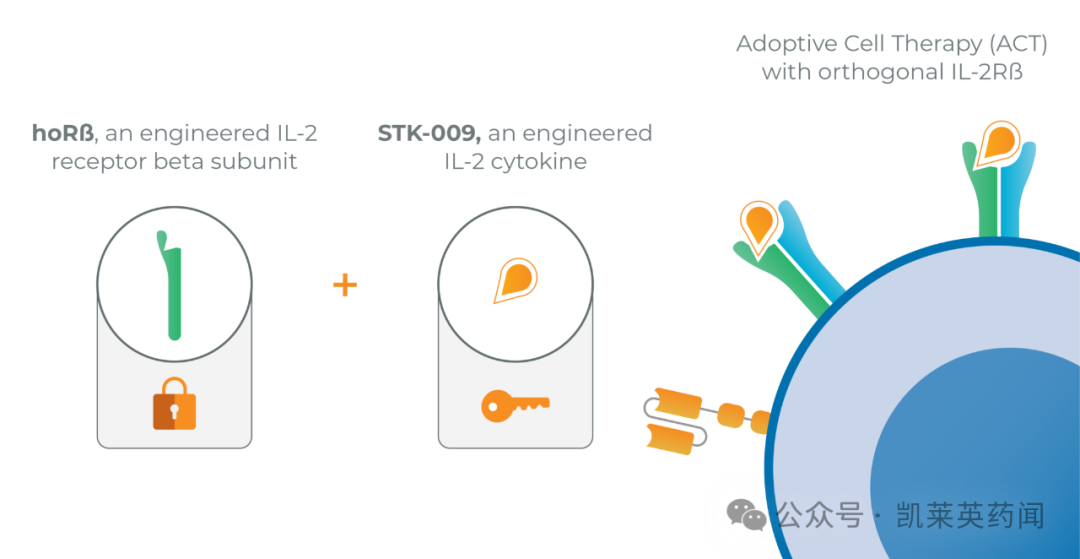
This platform utilizes engineered derivatives of naturally occurring cytokines as selective ligands for complementary engineered cytokine receptors. The modified cytokine receptors act as "locks" engineered into ACT, while the modified cytokine ligands serve as "keys" that can selectively stimulate. This approach makes cytokine-receptor binding completely independent of the endogenous cytokine system, controlling target cells and enhancing in vivo expansion, while avoiding toxicity caused by uncontrolled expansion or non-selective activation of the endogenous immune system due to ACT infusion.
Part.3
Alternative Cytokine Agonist
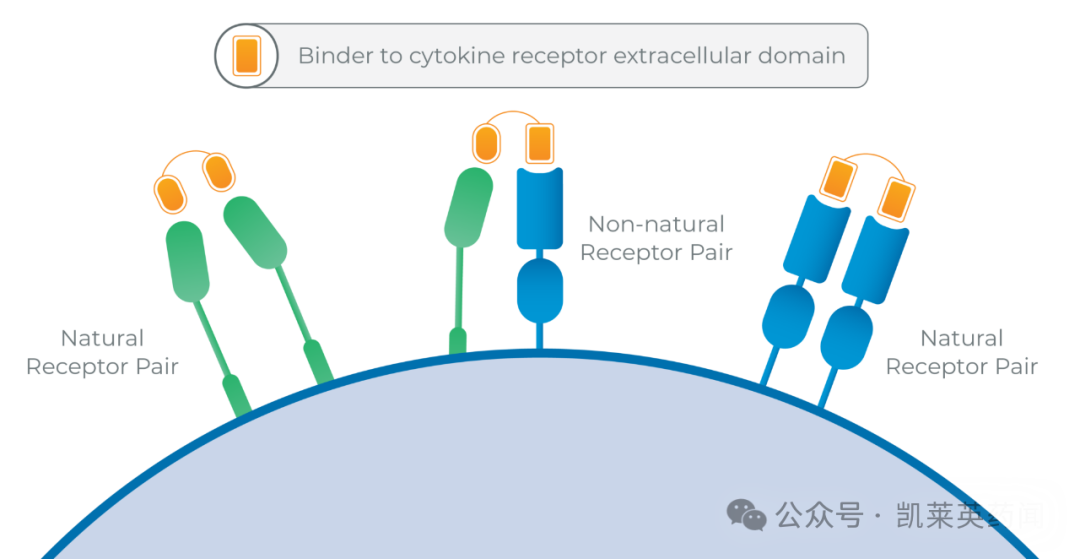
It is designed as an entirely new structure specifically for dimeric or multimeric receptor subunits, which wild-type cytokines or mutation-based protein approaches cannot achieve. This provides unlimited biased signaling possibilities for Synthekine's alternative cytokine agonist platform, including unnatural pairing of cytokine receptor subunits to create novel biology and drive new cellular selectivity and signaling.
(III) Product Pipeline
The company is applying the principles of partial cytokine agonism and immune specificity across multiple protein engineering platforms to create a broad and deep pipeline of candidate products.
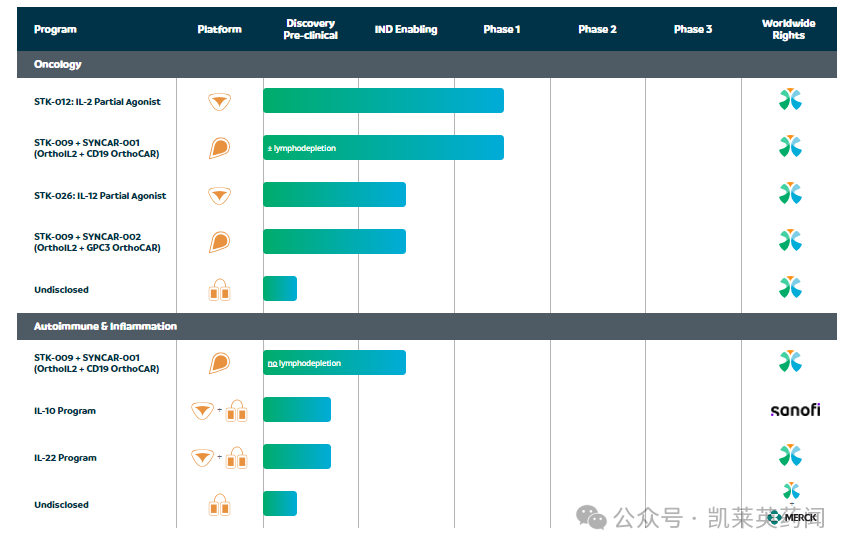
1、STK-012:STK-012 is a CD25/CD122-biased and pegylated IL-2 mutant protein with an extended half-life, carrying the L18R, Q22E, and Q126K mutations to reduce CD132 binding. STK-012 has been shown to selectively expand tumor-specific antigen CD25+ CD8+ T cells, surpassing not only CD122+ CD4+/CD8+ T and NK cells but also CD25+ Treg cells; thus, compared to the activation of CD8+ T cells, STK-012 exhibits a competitive disadvantage.
2、SYNCAR-001 + STK-009:It is Synthekine's second clinical-stage program following the "highly differentiated" IL-2 partial agonist STK-012; in addition to expressing a chimeric antigen receptor targeting CD19, SynCAR-001 also expresses an engineered IL-2 receptor beta subunit, which, under stimulation by the company’s designed IL-2 cytokine, can enhance CAR-T cell expansion and persistence while reducing the initial CAR-T cell therapy dosage, mitigating therapy-related toxic side effects. STK-009 enables CAR-T cells expressing hoRb to proliferate both in the presence and absence of tumor antigens, maintaining the presence of stem cell memory T cells (TSCM) and effector T cells.
3、STK-026:It is a novel partial agonist of human IL-12, designed to selectively engage antigen-activated T cells while reducing stimulation of NK cells; additionally, STK-026 also avoids excessive activation of the immune system by NK cells.
Two
About IL-10 Drugs
The Interleukin-10 (IL-10) family is a group of cytokines with structural similarities, including IL-19, IL-20, IL-22, IL-24, IL-26, in addition to IL-10. The human IL-10 gene is located at 1q32.1, consisting of 5 exons and 4 introns, with a total length of approximately 4.8kb. From the production perspective, the IL-10 cytokine encoded by the IL-10 gene is mainly secreted by antigen-presenting cells (such as monocytes, activated T cells, B cells, and macrophages). RNA-seq analysis of tissue samples from 27 different tissues of 95 individuals revealed that IL-10 expression is highest in the appendix, followed by the bladder, lymph nodes, and gallbladder.
Active IL-10 is a dimer formed by the non-covalent binding of two monomers (160 amino acids, molecular weight 18.6 kD). This dimer features two V-shaped domains, each containing six helical structures, where A-D belong to one monomer and the other two (E0 and F0) belong to the other monomer. Within each monomer, there are two disulfide bonds, C30-C126 and C80-C132, which help maintain the structure and biological activity of the cytokine.
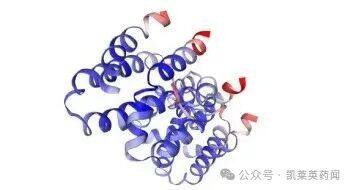
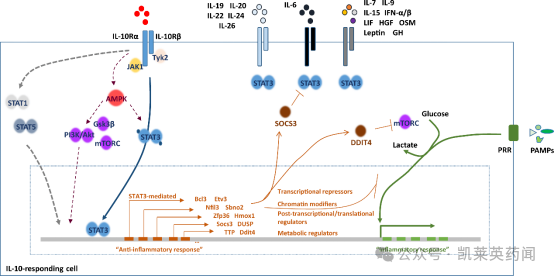
The cytokine IL-10, encoded by the IL-10 gene, is primarily produced by monocytes and is also present in small amounts in lymphocytes. IL-10 plays a crucial role in immune regulation and inflammatory processes, including reducing the expression of MHC class II molecules on macrophages, promoting B cell survival and proliferation. Additionally, IL-10 can inhibit the NF-kB pathway and activate JAK-STAT3 signaling. Studies have found that mutations in the IL-10 gene are associated with increased susceptibility to HIV-1 infection and rheumatoid arthritis.
When IL-10 binds to the receptor complex composed of IL-10R1 and IL-10R2, it activates the JAK1 and Tyk2 kinases. These kinases phosphorylate specific tyrosine residues (Y446 and Y496) within the intracellular chain of IL-10R1; once phosphorylated, these tyrosine residues serve as transient docking sites for the transcription activator STAT3. STAT3 binds to these sites via its SH2 domain and is phosphorylated on tyrosine 705 by JAK1 kinase; subsequently, STAT3 dimerizes and translocates to the nucleus, where it binds to the promoter sequences of anti-inflammatory response genes, thereby enhancing their transcription. Collectively, these molecules inhibit, for example, pathogen recognition receptor (PRR)-dependent inflammatory responses.
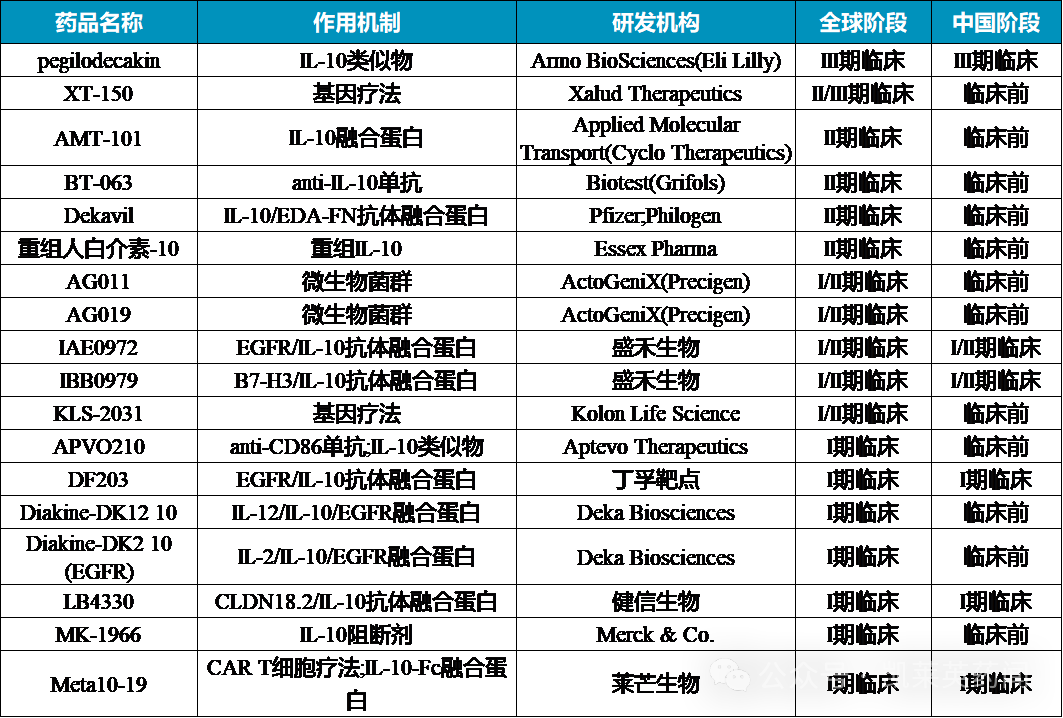
According to incomplete statistics, there are currently about 58 IL-10 drugs under research, and no relevant drugs have been approved yet.
In the clinical stageIL-10 Drug
Three
About Sanofi's Layout in Immune Inflammation
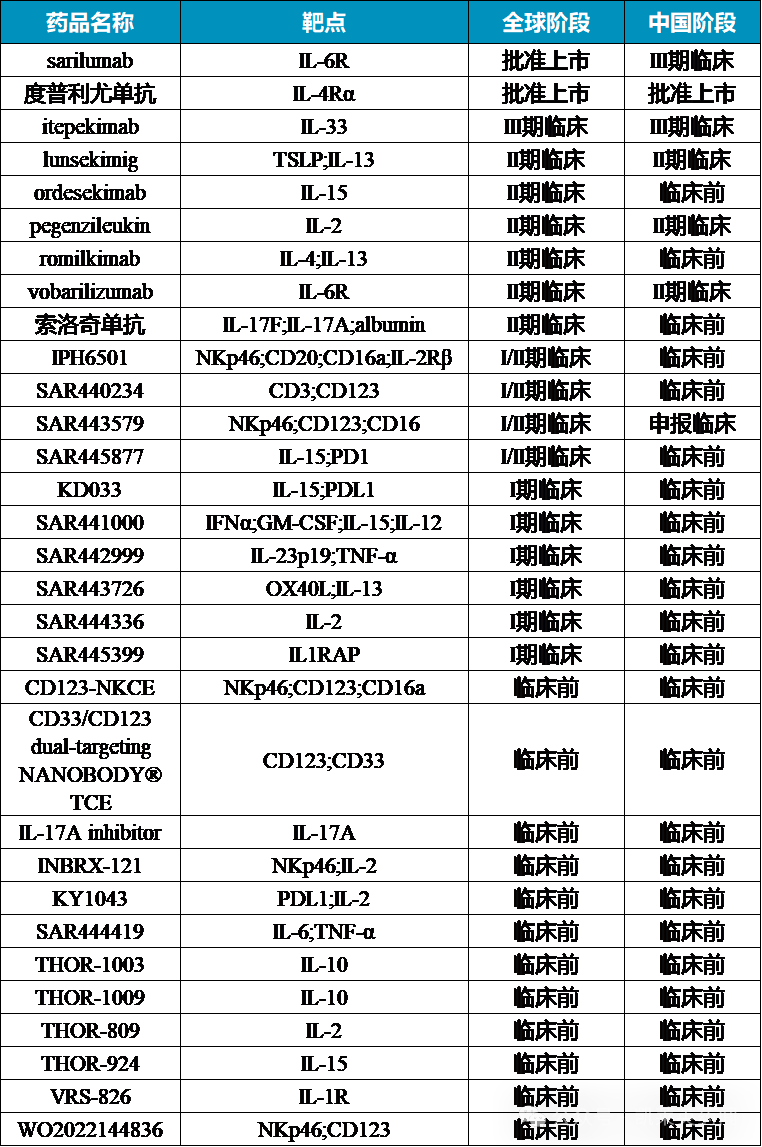
In October 2023, Sanofi announced the launch of a new strategic chapter, "Power to Win," aiming to continuously increase R&D investment; by 2030, Sanofi expects sales in the immunology and vaccine fields to exceed 22 billion euros and 10 billion euros, respectively.
According to publicly available data, Sanofi's current pipeline layout in the immunology field mainly consists of three categories: systemic disease pathways such as asthma and atopic dermatitis; peripheral inflammatory diseases like rheumatoid arthritis, as well as autoimmune challenges in type 1 diabetes and cancer; combined with Sanofi’s strengths in the vaccine sector, these form an innovative pillar for the company's future, with immune inflammation being a significant component.
Taking Dupilumab as an example, from the current status of approved indications in China, it has covered six indications across three major areas: moderate-to-severe atopic dermatitis in populations ranging from infants aged 6 months and above to adults, moderate-to-severe prurigo nodularis in adults, and asthma in adolescents aged 12 years and above as well as adults. It spans different age groups for atopic dermatitis, crosses various skin disease types within dermatology, and extends across therapeutic fields for both respiratory and dermatological conditions. Recently, the drug was also approved by the FDA for use in children aged 1 year and above with eosinophilic esophagitis (EoE). The unique mechanism of type 2 inflammation behind this achievement has played an indispensable role.
In-depth research in the field of Type 2 inflammation has moved beyond the perspective of a single disease area, uncovering deeper, systemic disease mechanisms. This transaction further explores IL-4/IL-13, IL-10Interleukin factors represented by, are used for the in-depth study of key and core pathogenic factors in type 2 inflammatory responses.
Sanofi inInterleukin (IL)Layout of Related Drugs
References
1. Official Website of the Company
2. Official Accounts: MedPeer, Gene Stories, Cancer Totem, E-Pharma Managers, BioWorld
3、Ip W K E, Hoshi N, Shouval D S, et al. Anti-inflammatory effect of IL-10 mediated by metabolic reprogramming of macrophages[J]. Science, 2017, 356(6337): 513-519.


"Views"Click once