Source of the article: Eye Future ;Editor: Bai XiaofeiReprint Requirements: Can be reprinted 24 hours after the first publication, source must be credited.
January 2024,Fuhan Medical(abbreviation: Fuhan Medical) has completedTens of Millions of Yuan in Series A Financing. This round of financing was led byJin Yu Maowu Leads Investment, renowned healthcare industry investor follows up. This round of funding will be dedicated toAccelerate the Kiretem Series Ultra-Wide Field Fundus Camera to Break the Monopoly of International Brands in the Chinese MarketBreak, accelerate the research and development as well as registration of a series of innovative products, and realize the cross-border export of high-quality Chinese products.
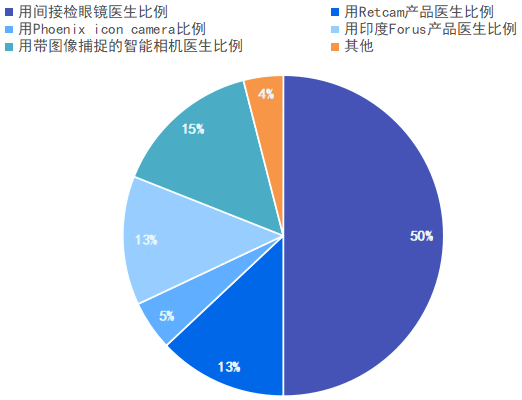
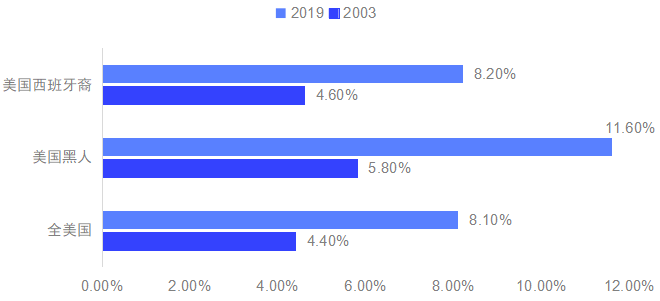
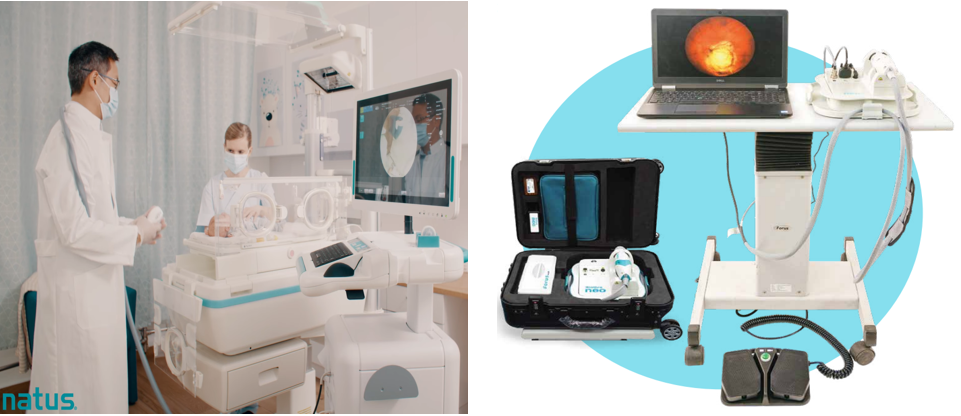
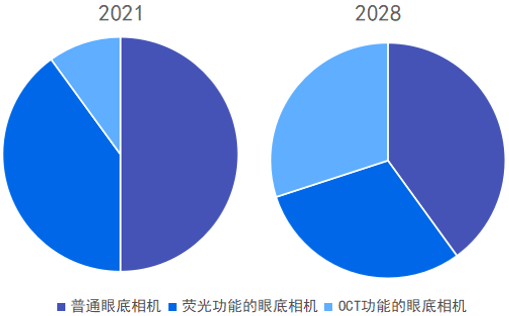
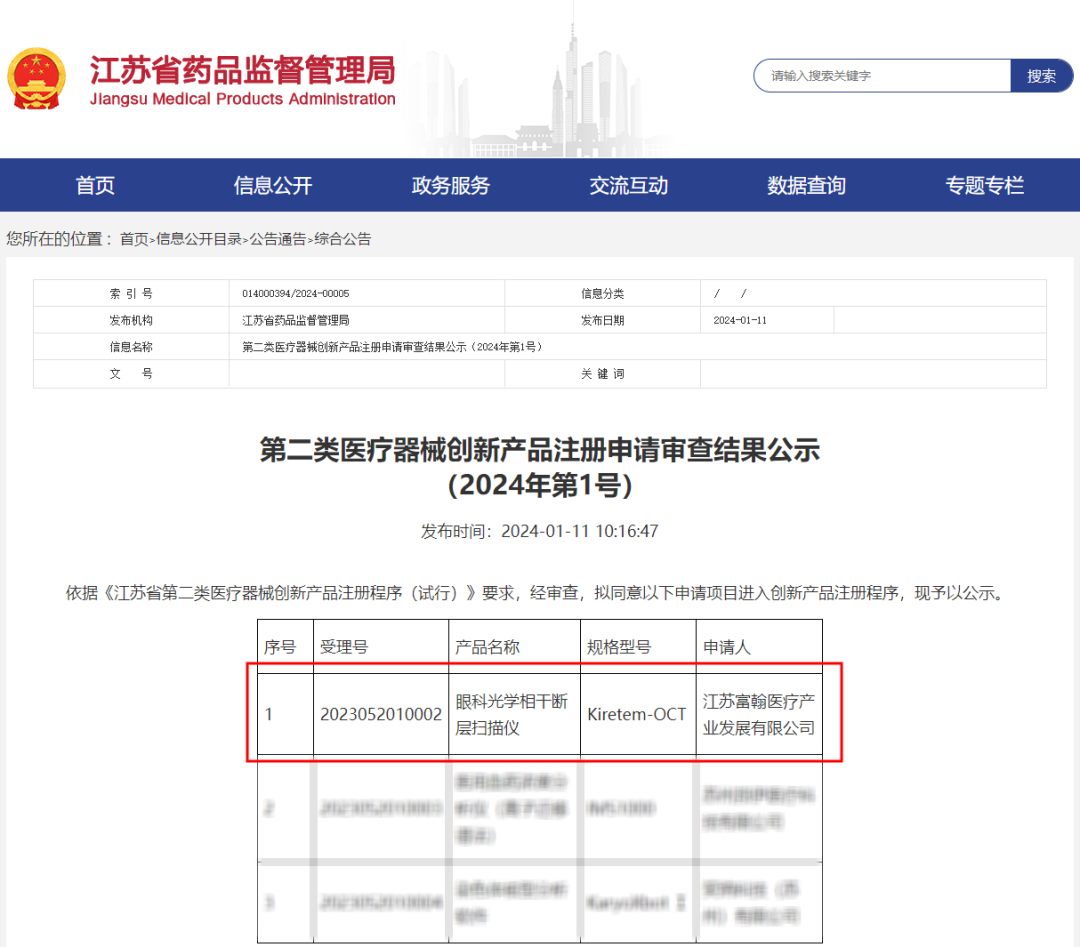
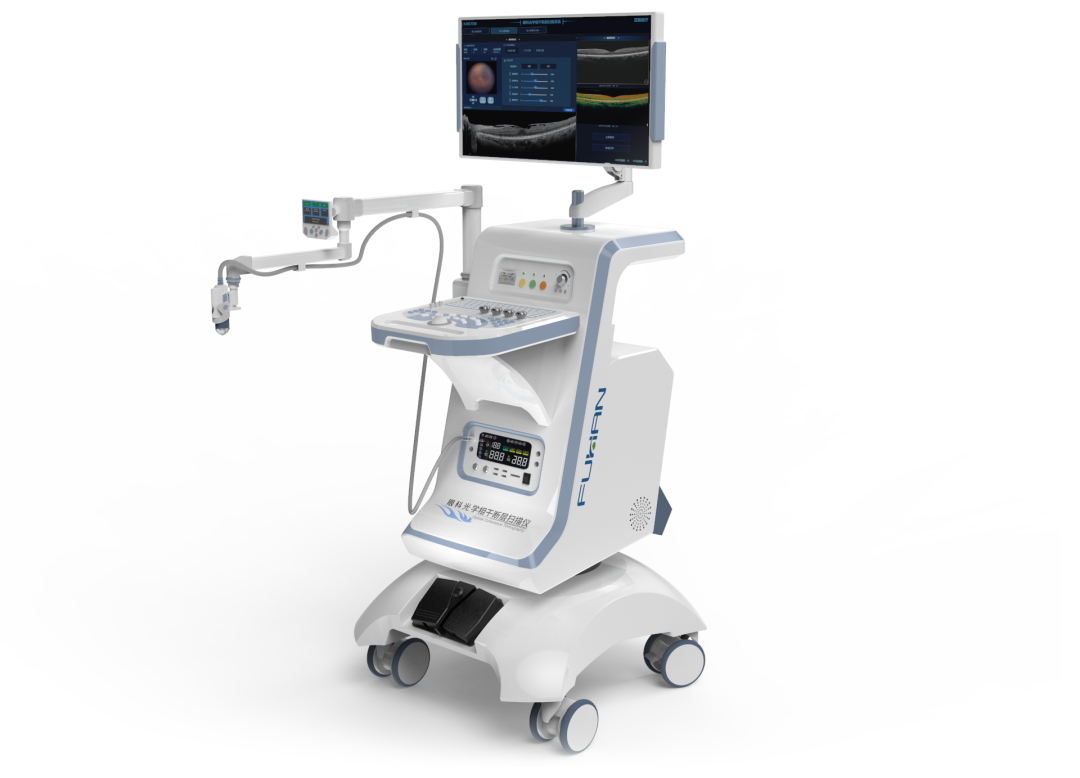
Fuhan Medical Focuses on the Product Development of Advanced Pediatric Contact Optometry SystemsSuch diagnostic systems are currently dominated by U.S.-based Natus and Phoenix companies.,Nearly monopolized in China, especially in the field of pediatric ophthalmic screening widely promoted in developed countries,Developing countries have extremely low accessibility due to the inability to afford high prices.。# Contact Fundus Imaging SystemContact-based fundus imaging systems are mainly used for fundus diagnosis in populations who cannot focus their gaze autonomously, such as newborns, infants, and surgical patients. The system canEffectively reduce retinopathy-caused amblyopia, strabismus, and blindness in adolescents。Contact-based fundus imaging systems are more convenient to operate than indirect ophthalmoscopes in neonatal fundus examinations. The intelligent system design allows pediatricians or junior ophthalmologists with simple training to accurately identify fundus lesions, disease severity, and classifications.More sensitive detection of diseases, more convenient tracking of disease progression and treatment conditions。# Overview of the Global MarketAt present, contact systems are still in the global marketIntroduction PeriodIn 2022, statistics from projects supported by the United Nations Children's Fund (UNICEF) showed that globally,50% of doctorsDiagnosing Neonatal Fundus Diseases Using Only Indirect Ophthalmoscopy,67% of doctors do not have access to fundus imaging systems.,20% of doctors simply take fundus photographs using mobile phones and other imaging recording systems.。Mobile phones and other imaging recording systems generally have an imaging field of view within 65 degrees, making it more difficult to clearly observe the peripheral areas of the fundus that are prone to lesions compared to the current professional contact-based fundus imaging systems (Retcam, Phoenix, Forus shown in the figure below) with 130-degree imaging. Moreover, they cannot integrate advanced optical examination technologies such as Optical Coherence Tomography (OCT).▲Statistical Results of UNICEF-Supported Projects in 2022The number of newborns in China who need fundus examination each yearMore Than a Million CasesThis includes preterm infants accounting for about 10% of the birth population and high-risk newborns triggered by abnormal oxygen inhalation as required by national screening, as well as infants with retinal developmental abnormalities caused by genetic disease risks or other factor risks that are not included in the screening requirements.According to the U.S. statistical data on preterm infants published in May 2023,After using a precise contact-type fundus camera for examination, the incidence of fundus diseases in premature infants has been increasing year by year, butThe incidence of blindness, amblyopia, and strabismus has been effectively controlled.. On the one hand, it indicatesContact-based fundus imaging systems are also in the introduction phase in the United States.,With the promotion of advanced equipment, more pediatric fundus diseases can be effectively detected and intervened in the early stage; on the other hand, it alsoReflects the demand for contact-based fundus imaging systems, thereby achieving the goals of disease treatment and control in pediatric ophthalmology.▲ The incidence of ROP in the United States continues to rise (due toJAMA ophthalmology)In 2022,Global sales of contact imaging systems for newborns (wide-field retinal cameras for newborns) reached $1.535 billion, and the global market is expected to reach $2.535 billion by 2030, showing relatively rapid growth.。Contact-based fundus imaging systems are dominated by U.S.-based Natus and Phoenix companies, which have nearly monopolized the market in China., the product's high price and complex lens components have made the promotion of this diagnostic tool in developing countries extremely difficult. However, developing countries have a significant demand for high-quality, cost-effective contact fundus imaging systems.The demand is increasing day by day., the success of India's local brand Forus Camera in the Indian market is sufficient to demonstrateHuge Market Space in Developing Countries。▲ Products from the U.S. Natus company and India's Forus company (source: official website)From the development of fundus cameras, contact-based fundus imaging systems will also undergo a process of continuous iteration with advanced optical functions being integrated into products. In 2021, about half of the market consisted of standard fundus cameras, followed by fundus cameras with fluorescein angiography functionality, and those with OCT functionality were the least used.By 2028,The usage of OCT functional fundus cameras will rise rapidly., the market for ordinary fundus cameras will be compressed, and it is expected to form a "tripod" market pattern consisting of ordinary fundus cameras, fluorescein angiography fundus cameras, and OCT fundus cameras.From a clinical perspective, 60% of fundus diseases require angiography for diagnosis, and 30% of fundus diseases can only be diagnosed with OCT technology. This is the intrinsic driving force behind the technological transformation of fundus cameras.▲ Sales Proportion of Different Products in Fundus Imaging Systems(Source: Grand View Research)# Overview of the Domestic MarketContact Fundus CameraBecause the physical optics part has significant design differences from non-contact fundus cameras (e.g., desktop or handheld devices for adults),Increased Difficulty in OCT, currentlyThe overseas developer under research is Leica.,The developer in China is Fuhan Medical.。In January 2024, the Jiangsu Provincial Drug Administration released the review results announcement for the registration application of innovative Class II medical device products, approving Fuhan Medical'sOphthalmic Optical Coherence Tomography (Model: Kiretem-OCT) Enters Innovative Product Registration Process,Fuhan Medical Becomes One of Only Two Global Developers and Producers of Contact OCT Optometry Systems。▲Image source: Jiangsu Provincial Drug AdministrationKiretem-OCT is suitable for occasions requiring tomographic imaging of the fundus. The product consists of a main unit, imaging client software (Kiretem-OCT, release version V1), and a foot pedal.It is the only OCT device in China and abroad that is suitable for infant fundus imaging., self-developed contact optical lens, meets the clinical needs of pediatric ophthalmologists for OCT imaging.▲ Kiretem-OCT (from the official website)The approval of Fuhan Medical's "Ophthalmic Optical Coherence Tomography (Model: Kiretem-OCT)" through the special review for innovative medical devices not only affirms the product's independent innovation but also effectively accelerates its market launch. It fills the technical gap in contact-based OCT suitable for infants and young children both in China and globally, offering a more scientific solution that benefits a wide range of users, with significant clinical and social value.
Fuhan Medical (referred to as: "Fuhan MedicalFounded in 2018, it is a company dedicated toDevelopment of Products and Services in the Field of Children's Eye HealthThe technology-based small and medium-sized enterprise has its headquarters and R&D base located in the Nanjing Jiangbei New Area. The company possesses strong technical and R&D capabilities and has been recognized by the government as a "high-tech enterprise" and "innovative enterprise."
The founding team of the company comes from leading international enterprises in the medical industry and national key laboratories, possessing fully independent intellectual property rights for the underlying technology in advanced optometric equipment development:Ultra-wide-angle HD lens module, KNT wireless real-time image transmission technology, lesion qualitative and quantitative analysis, intelligent quality control and capture, intelligent mosaic and zoning, intelligent noise reduction, etc., have obtained more than 50 patents and software copyrights.。Based on the aforementioned underlying technologyDevelopedThe First in China160-degree ultra-wide-angle contact lens, the first contact OCT optical lens, OCT optical system suitable for infant and toddler ocular parameters。
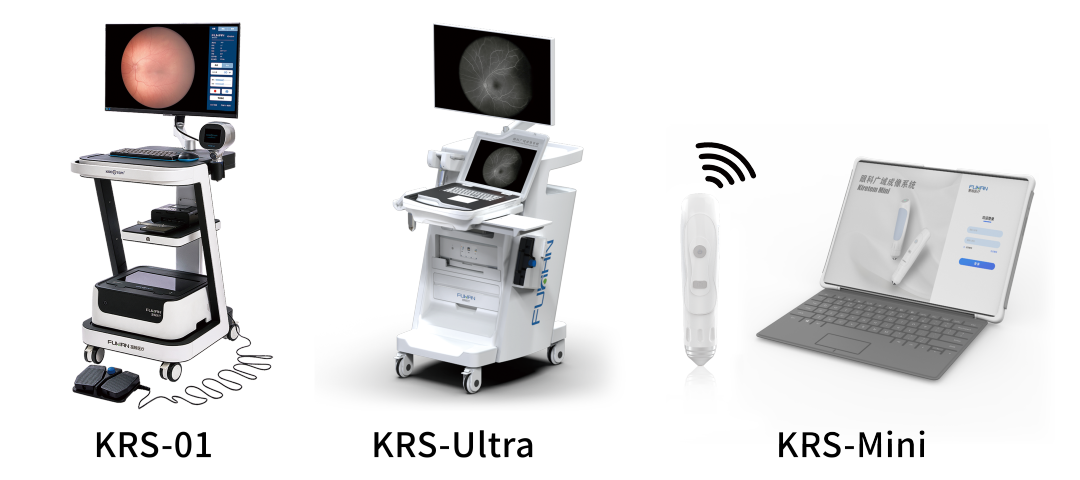
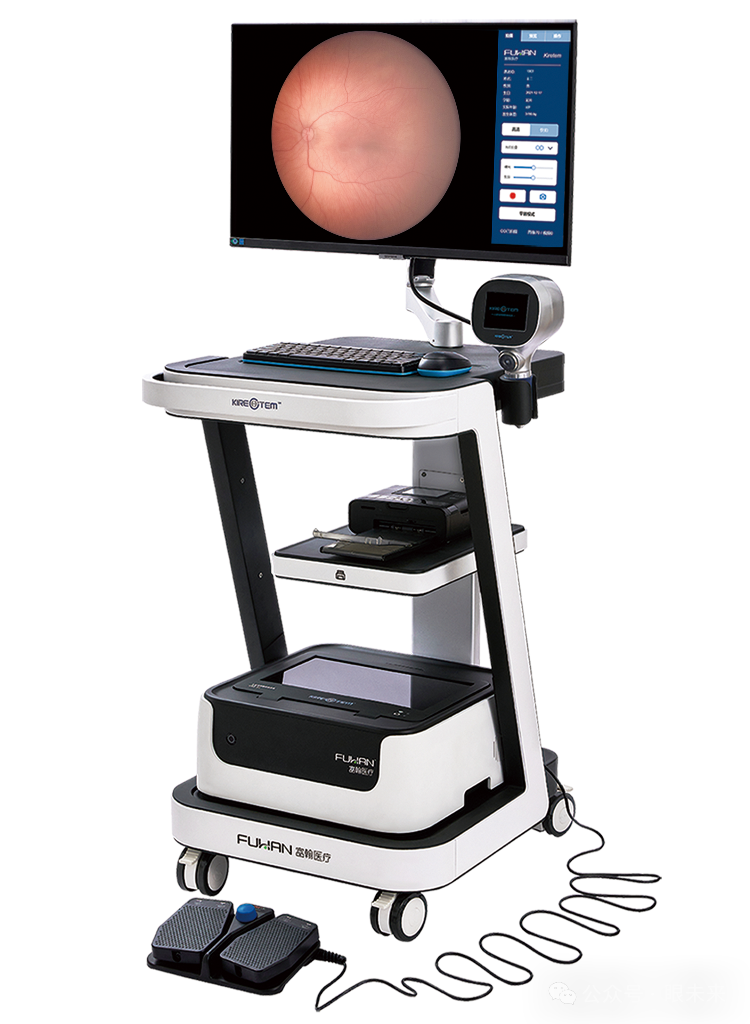
▲ Products under the company (from the official website)
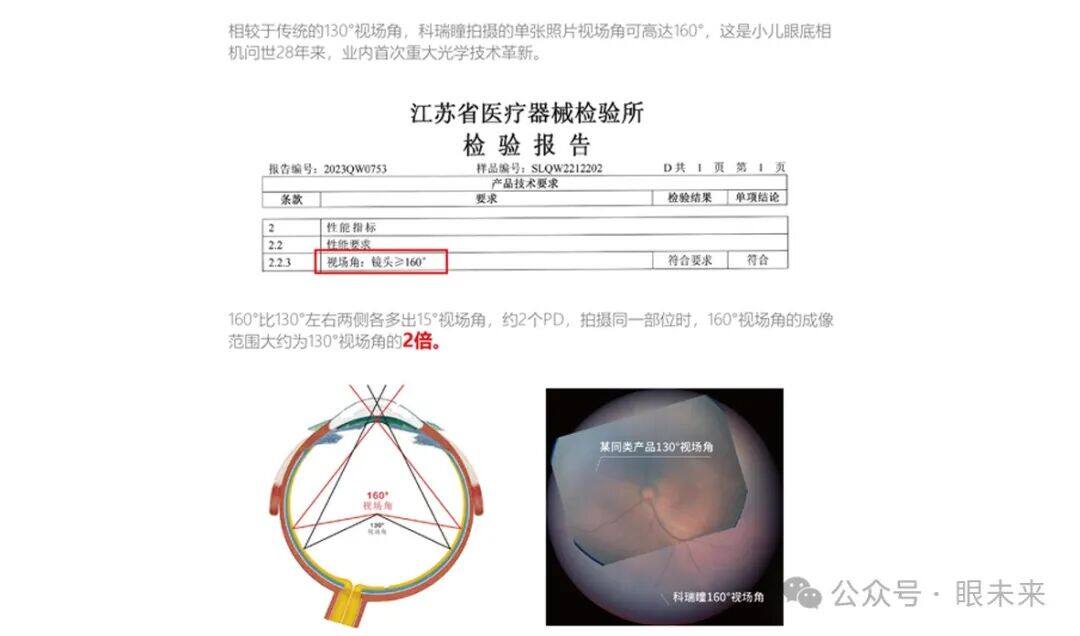
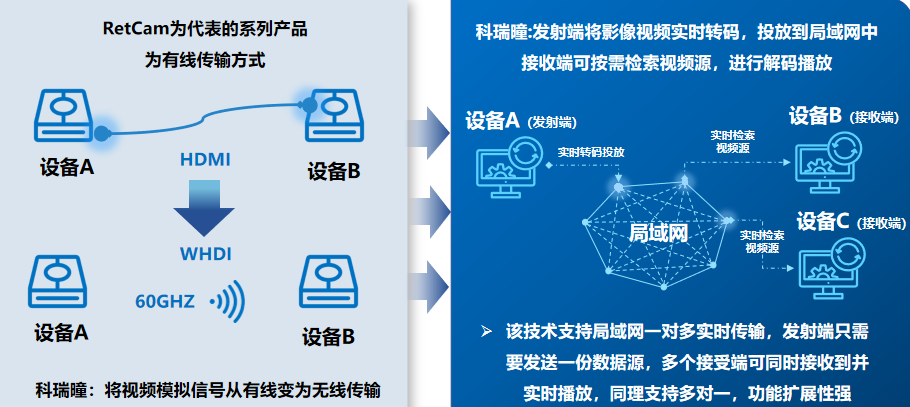
In 2023, Fuhan Medical launched the first-generation wide-field retinal imaging system for children, which received unanimous acclaim from both clinical and market sectors, achieving listing and completion within the same year.Total tens of millions of bids for hospital use. Meanwhile, Fuhan MedicalIn-depth cooperation with dozens of benchmark hospitals across China, continuously increasing the integration of medical and engineering, as well as academic and industrial efforts, and has successively given rise to a series of new product pipelines created to meet clinical needs.Fuhan Medical, 2024More innovative technologies originating from clinical needs will be iterated to form a new product pipeline, building a smarter future.Pediatric Diagnostic System,Break the Monopoly of Foreign Brands in the Field of Contact Optometry, improve the accessibility of advanced technology, serve a wide range of newborns, children, and surgical patients in the diagnosis and treatment of eye diseases, and strive to practice "scientific and technological innovation., Mingtong Future".# Company Product CompetitivenessThe quality of basic optical views is one of the fundamental technical conditions of optometric detection systems. The developmental characteristics of children's eyes, especially newborns, highlight the importance of ultra-wide-field angle detection, as many fundus diseases require a clear observation of vascular development at the far end of the fundus.The field of view of the product series represented by RetCam is 130 degrees, achieved through innovative design of the lens assembly and the application of new materials.Fuhan Medical Takes the Lead in Achieving160-degree field of view for examination,And it avoids the problem of peripheral blackening in images caused by the brittleness of ordinary optical fiber materials.In practice, it can be found that a larger and clearer field of view can effectively prevent missed detection of lesions, allowing doctors to complete examinations more quickly.Fuhan MedicalCreton Ophthalmic Wide-field Imaging System KRS-01, is a screening device for infant fundus diseases and an accurate examination tool for pediatric ophthalmology, enabling objective and non-invasive examinations. The system is simple and quick to operate, offers an extremely wide field of view, and provides high-quality images, which are beneficial forEarly detection of various neonatal congenital eye diseases and fundus lesions, providing a reliable basis for the early treatment and intervention of neonatal eye diseases.▲ Creton Ophthalmic Wide-field Imaging System KRS-01(Source: Official Website)The 160° field of view of Correton captures an additional 15° on each side compared to the traditional 130°, approximately equivalent to 2 PD (disc diameters), offering a wider fundus imaging range and making it easier to capture peripheral retinal images. When capturing the same area, the imaging range of the 160° lens is about twice that of the 130° lens, effectively reducing the risk of doctors overlooking peripheral retinal lesions.During the process of capturing peripheral retinal images, the CreoTone handle has a smaller deflection amplitude, is easier to operate, and shortens the learning curve for medical staff.▲ImageSource: Official WebsiteNetwork communication and network intelligence are crucial for the development of image-based medical devices. How to achieve high-definition, lossless, and low-latency transmission of medical images, and how to ensure interference-free and rapid wireless transmission are at the forefront of research and development in this field.Fuhan Medical has complete independent intellectual property rightsKNT Image Transmission Technology specifically addresses the aforementioned issues.。▲Two Communication Transmission Methods of Contact Fundus Imaging System ((Source: Official Website)Clinically, the use ofWireless Detection System, avoiding the hassle of doctors having to push carts to the patient's side for testing, and avoiding the secondary risks of removing critically ill infants from incubators.Achieving Point-of-Care Testing (POCT) for Contact-Based Fundus Imaging Systems. This wireless communication technology can also be applied to other medical devices that require high-speed, stable transmission of high-quality images.This wireless communication technology is also the cornerstone for subsequent artificial intelligence to deeply process medical images, forming automated or semi-automated, quantitative or semi-quantitative intelligent disease diagnosis.。Literature research found that deep learning technologyRetinopathy of Prematurity (ROP)The diagnosis provides accuracy equivalent to a doctor's diagnosis. Combined with the application of telemedicine technology, it allows the sophisticated field of ophthalmology to benefit pediatrics and underprivileged areas. With the development of antibody drugs and gene therapy drugs, more and more difficult and complicated ophthalmic conditions have become treatable.Early detection of diseases and effective tracking and subsequent treatment require more accessible testing methods in various scenarios.。In addition to being more portable, how to facilitate doctors' use in different scenarios and how to develop intelligent quantitative diagnostic assistance tools for different disease types are all issues that provide directions for the research and development of new products.。