Takeda Pays $300M Upfront for Protagonist's Hepcidin Mimetic; Mabwell Biosciences Leads Domestic Development with TMPRSS6-Targeting Candidate 9MW3011

Takeda
Biopharmaceutical Manufacturer

Protagonist Therapeutics
Developer of Novel Therapies
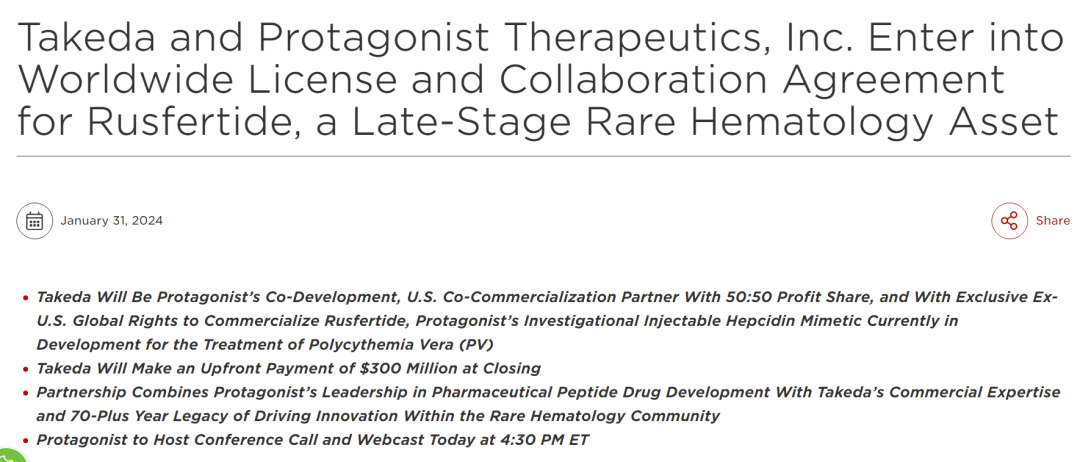
On January 31, 2024, Takeda acquired the rights to Rusfertide, a Hepcidin analog under development by Protagonist Therapeutics. Takeda obtained half of the commercial rights in the United States and full commercial rights outside the United States. According to the agreement, Takeda paid a $300 million upfront payment, additional milestone payments, and royalties on sales outside the United States.
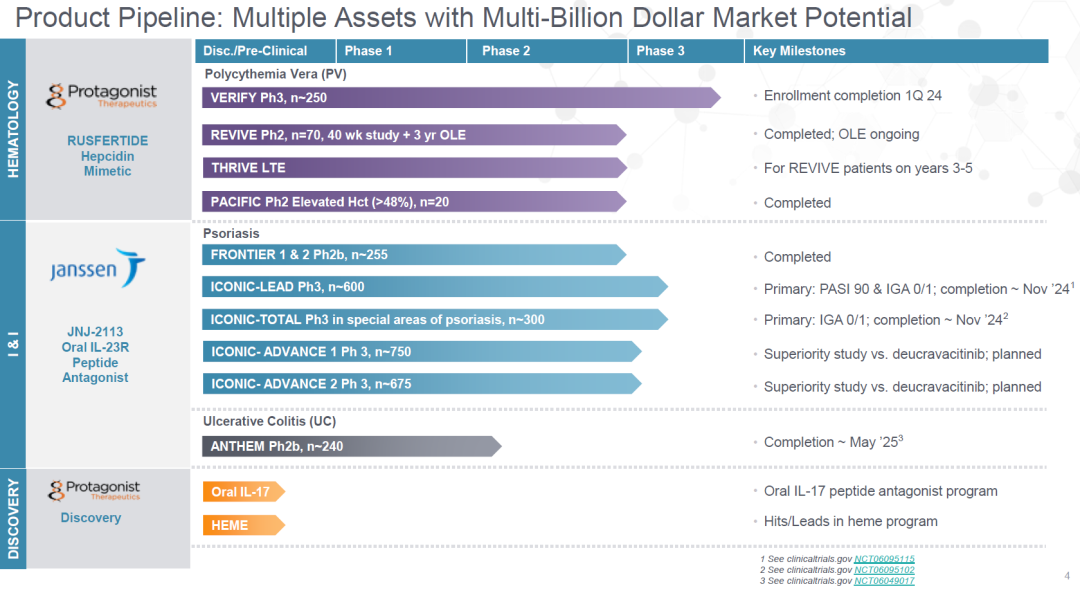
Rusfertide is a hepcidin mimetic currently in the pivotal Phase III clinical stage for polycythemia vera, with patient enrollment expected to be completed in the first quarter of 2024.
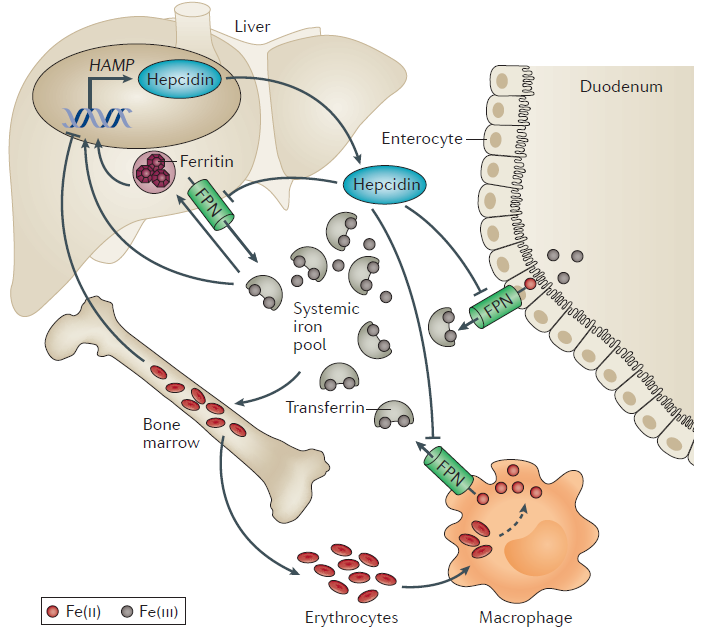
The human body absorbs 1-2mg of iron from food every day. Iron from food enters the bloodstream through ferroportin (FPN), the iron transport protein in the duodenal epithelial cells, and exists in the blood bound to transferrin. Red blood cells are the primary site of iron utilization, while excess iron is stored in organs such as the liver. The iron in aging and dying red blood cells is reused after being phagocytosed by macrophages. Iron levels are tightly regulated by hepcidin, and the expression of the hepcidin-encoding gene HAMP is, in turn, regulated by iron and red blood cells, forming a precise feedback control system.
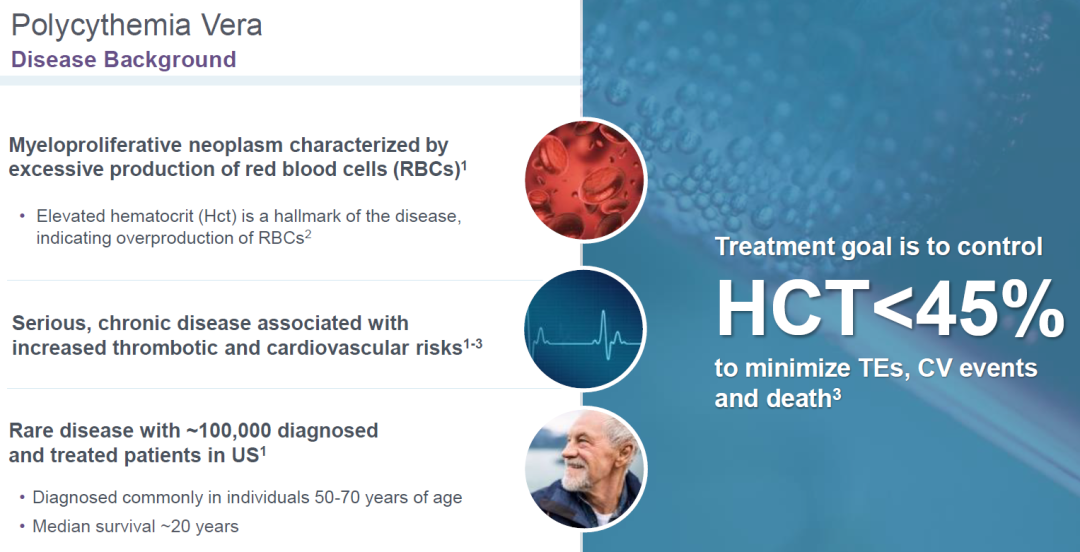
Under normal conditions, the iron metabolism regulation system can maintain normal iron balance in the body. However, in some disease states, such as β-thalassemia, polycythemia vera, and other diseases related to iron homeostasis, imbalances in iron homeostasis occur. The typical pathological feature of polycythemia vera is the excessive production of red blood cells, a serious chronic condition associated with increased thrombotic and cardiovascular risks. In the United States, there are 100,000 cases of polycythemia vera.
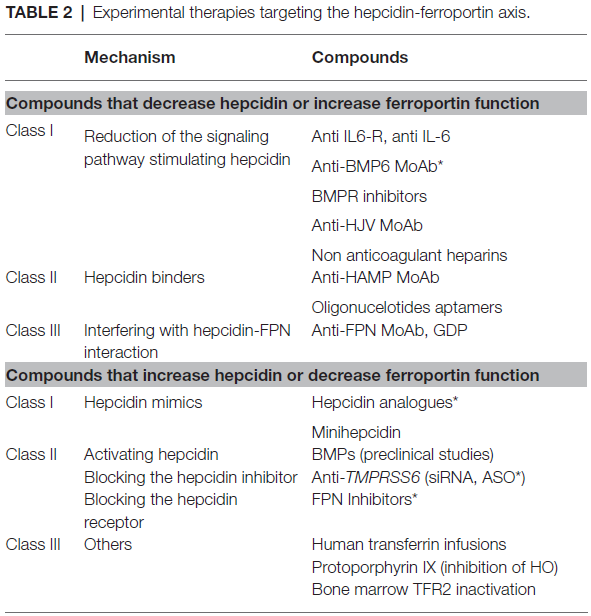
Drug development targeting iron metabolism may focus on different stages, involving various targets, but hepcidin is usually the key. For example, in the development of drugs that upregulate hepcidin, its function can be amplified through hepcidin analogs, or hepcidin can be upregulated by targeting TMPRSS6, FPN, etc.
Summary
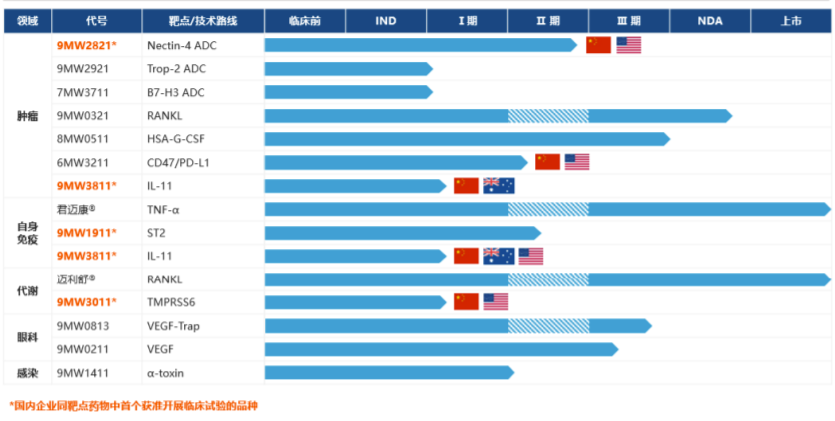
In China, only Mabwell Therapeutics has an innovative drug in the hepcidin pathway under research. 9MW3011, independently developed by Mabwell Therapeutics' U.S. subsidiary, is a novel monoclonal antibody targeting TMPRSS6. In terms of mechanism of action, 9MW3011 upregulates the expression of hepcidin in hepatocytes by binding to TMPRSS6 expressed on the surface of hepatocytes, inhibiting iron absorption and release, thereby achieving the regulation of systemic iron homeostasis.
In November 2022, the clinical trial application for the 9MW3011 injection was approved by the FDA, allowing clinical trials to be conducted on patients with polycythemia vera. In January 2023, its clinical trial application was approved by the National Medical Products Administration to conduct clinical trials targeting iron overload-related indications in patients with β-thalassemia and polycythemia vera. It is currently in Phase I clinical stage. In January 2023, Mabwell entered into an exclusive license agreement with DISCMEDICINE, INC. According to the agreement, DISC will obtain exclusive rights to develop, manufacture, commercialize, and otherwise exploit 9MW3011 in all regions except Greater China and Southeast Asia. Mabwell is eligible to receive up to $412.5 million in upfront and milestone payments, as well as royalties of nearly double-digit percentages of net sales of the licensed product. DISC has already paid Mabwell a one-time, non-refundable upfront payment of $10 million.

Editor: Baiji
Disclaimer: This article is a reprint from Yaozhi.com. The images and text are the original property of their respective owners. The purpose of the reprint is to convey more information and does not represent the views of this platform. If there are any issues regarding the content, copyright, or other aspects, please leave a message on this platform, and we will address it promptly.