

Domestic Innovative Drug INDs, NDAs, and Approvals, Alongside Global Phase III Clinical Trial Updates (Jan 29 – Feb 4)
Bio-Raid
CAR-T Immune Cell Drug Developer

GD Kongming Biotech
Developer of Immune Function Assessment and γδ T Cell Product Technology

TCRX
Developer of T-Cell Therapies for Solid Tumors
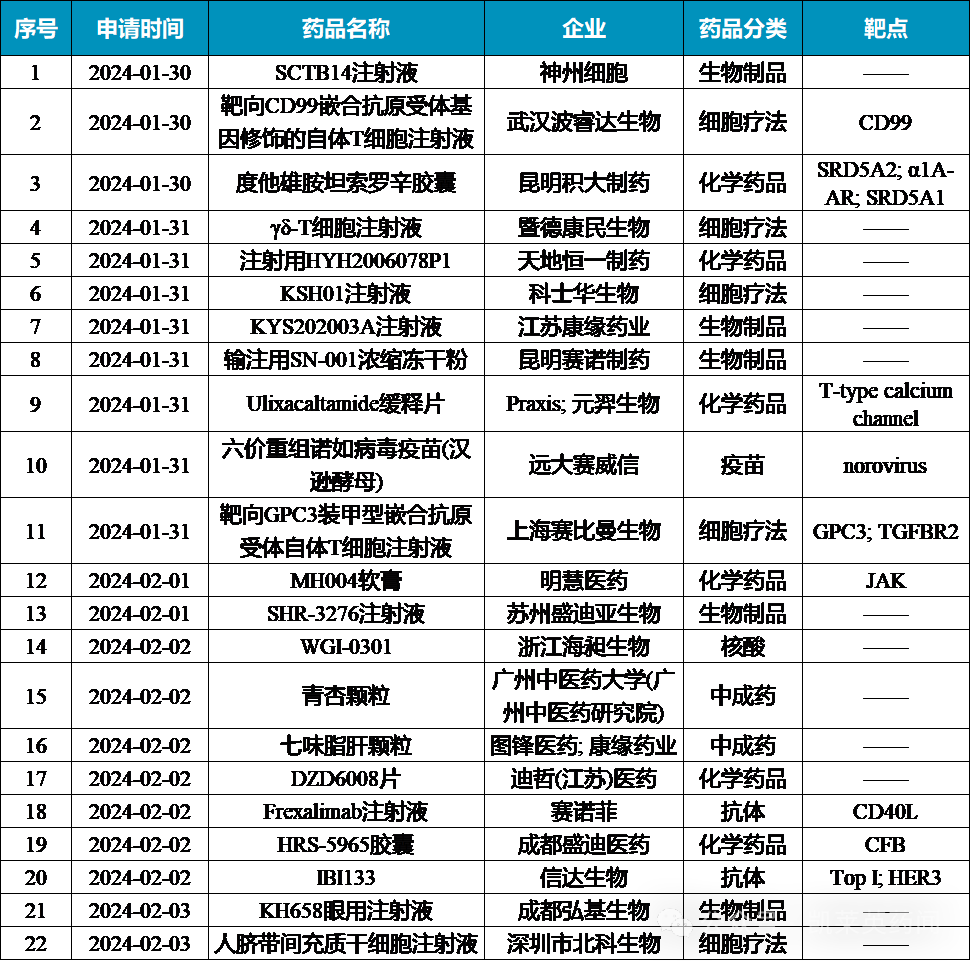
Collection Period: 1.29-2.4, covering innovative drugs in China that are first-time clinical trial applications, first-time marketing applications, and first-time approved for marketing.
Summary of IND for Innovative Drugs in China
1. Bio-Raid: BRD-03
Mechanism of Action: Targeting CD99 CAR-T
Indications: Recurrent/Refractory CD99+ Bone or Soft Tissue Sarcoma
On January 30, the clinical trial application for BRD-03, a CD99-targeted chimeric antigen receptor gene-modified autologous T-cell injection developed by Bio-Raid, was accepted by the CDE for the treatment of recurrent/refractory CD99+ bone or soft tissue sarcoma. BRD-03 is generated through genetic engineering by recombining the scFv that recognizes the CD99 antigen on the surface of tumor cells with the intracellular signaling domain "immunoreceptor tyrosine-based activation motif (CD3ζ)" in vitro to create a recombinant plasmid. This plasmid is then transfected into the subject’s T cells via gene transfection technology in vitro, enabling the subject's T cells to express the CD99 antigen antibody scFv. After amplification, purification, and monitoring of multiple indicators, a qualified anti-CD99 CAR-T cell product is produced and infused back into the subject at the intended dose. The specific receptor on its surface specifically targets CD99-positive tumor cells, recognizing and binding to the CD99 antigen on the tumor cell surface without MHC restriction. This binding activates the T cells through signal transduction pathways, leading to the release of granzymes, perforin, and various cytokines that induce apoptosis in CD99-positive tumor cells. This demonstrates specific recognition and direct cytotoxic activity against CD99-positive tumor cells, thereby achieving the therapeutic goal for CD99-positive tumors.
This drug took four years of independent research and development and is the world's first autologous CAR-T cell therapy product targeting CD99. Preclinical animal experiments showed that BRD-03 has good therapeutic effects and safety, with pharmacodynamic results indicating that tumors were well suppressed in the low, medium, and high dose groups.
2. GD Kongming Biotech: γδ-T Cell Injection
Mechanism of Action: γδT Cell Therapy
Indications: Tumor
On January 31, the clinical trial application for GD Kongming Biotech's γδ-T cell injection was accepted by the CDE. As a type of T cell that is relatively scarce in the human body, γδT cells possess high killing efficiency and safety. They can directly and indirectly kill tumors, recognize target antigens without being restricted by MHC, and do not cause GvHD. Additionally, γδT cells have a natural homing advantage and excellent potential, requiring no genetic modification. Therefore, γδT cells exhibit strong and broad anti-tumor activity, good safety, and the potential for allogeneic use.
3. Keshihua (Nanjing) Biotechnology Co., Ltd.: KSH01 Injection
Mechanism of Action: TCR-T Cell Therapy
Indications: Solid Tumors
On January 31, the clinical trial application for KSH01 Injection from Keshihua (Nanjing) Biotechnology Co., Ltd. was accepted by the CDE. KSH01 is a TCR-T product, and its core sequence is rapidly screened from patients using potent anti-tumor active natural TCR sequences derived from Keshihua's core technology platforms, TCR-XFinder™ and TCR-XPlanet™ T-cell databases. The product is being developed to treat various advanced solid tumors such as esophageal cancer, gastric cancer, melanoma, sarcoma, bladder cancer, and laryngeal cancer. In April last year, the FDA granted KSH01 orphan drug designation.
4. Praxis/Yuan Yi Bio: Ulixacaltamide Sustained-Release Tablets
Mechanism of Action: T-type Calcium Channel Small Molecule Inhibitor
Indications: Essential Tremor
On January 31, the clinical trial application for the ulixacaltamide extended-release tablets, co-developed by Praxis and Yuanyi Biotech, was accepted by the CDE. Ulixacaltamide is a differentiated, highly selective small-molecule T-type calcium channel inhibitor designed to block abnormal neuronal burst firing in the cerebello-thalamo-cortical (CTC) circuit associated with tremor activity. Essential tremor is a common neurological disorder primarily characterized by tremors in the hands, head, or other parts of the body during voluntary movements or at rest. Earlier in the same month, Yuanyi Biotech announced an exclusive collaboration and licensing agreement with Praxis, granting Yuanyi Biotech the rights to develop and commercialize ulixacaltamide in Greater China. As part of the collaboration agreement, Praxis will receive an upfront payment of $15 million, including $5 million in cash and a $10 million equity investment in common stock. Additionally, Praxis is expected to receive up to $264 million in development, regulatory, and commercial milestone payments, as well as tiered royalties on net sales in Greater China.
5. Sybiam Biotech: C-CAR031
Mechanism of Action: GPC3-targeted CAR-T
Indications: Tumor
On January 31, the clinical trial application for CellBio's GPC3-targeted armored chimeric antigen receptor autologous T-cell injection (C-CAR031) was accepted by the CDE. C-CAR031 is a second-generation autologous CAR-T cell targeting the GPC3 antigen, featuring a safety-optimized antigen-recognition scFv (single-chain variable fragment) and an armored dominant-negative TGF-β type II receptor developed based on AstraZeneca's global innovative cell therapy discovery platform. At the 2023 AACR Annual Meeting, the company presented the first-in-human study of C-CAR031 in treating patients with advanced hepatocellular carcinoma. The enrolled patients were all histologically confirmed GPC3-positive advanced HCC patients who had failed systemic therapy. In exploratory dose cohorts involving multiple cases of advanced hepatocellular carcinoma, 3 subjects achieved confirmed partial response (PR), and 2 subjects achieved stable disease, demonstrating favorable anti-tumor activity.
6. Minghui Pharmaceuticals: MH004 Ointment
Mechanism of Action: JAK Inhibitor
Indications: Autoimmune Diseases
On February 1, the clinical trial application (IND) for MH004 ointment from Minghui Pharmaceuticals was accepted by the CDE. MH004 is a JAK inhibitor developed by Minghui Pharmaceuticals using its proprietary technology. According to the company's press release, this product is expected to significantly improve skin permeability to achieve broad-targeted inhibition of local skin tissues without causing the systemic toxicity associated with existing oral JAK inhibitors. Currently, the drug is undergoing clinical trials in the fields of atopic dermatitis, eczema, and non-segmental vitiligo, among other autoimmune diseases.
In a Phase II clinical trial for atopic dermatitis, compared with the placebo group, the Eczema Area and Severity Index (EASI) score of patients in the 1.0% MH004 cream group significantly decreased (-78.7% vs. -46.7%; P=0.0003); the proportion of patients achieving at least a 75% improvement in EASI score was also significantly higher in the 1.0% MH004 cream group than in the placebo group (79.6% vs. 42.0%; P<0.0001). Additionally, the proportion of patients assessed by investigators as achieving treatment success (IGA-TS) was 46.9% in the 1.0% MH004 cream group and 20.0% in the placebo group, which was statistically significant (P=0.0011).
7. HiChow Biotech: WGI-0301
Mechanism of Action: AKT-1 Inhibitor, Antisense Oligonucleotide
Indications: Tumor
On February 2, the IND for WGI-0301 from HaiChang Biotech was accepted by the CDE. WGI-0301 is a next-generation antisense nucleic acid AKT-1 inhibitor encapsulated using QTsomeTM nucleic acid delivery technology; it exhibits highly selective specificity and is less prone to drug resistance. It utilizes HaiChang Biotech's globally intellectual property-protected QTsomeTM nucleic acid delivery technology, addressing key issues such as low intracellular nucleic acid uptake efficiency and insufficient targeting, effectively meeting the needs of liver cancer treatment. The AKT-1 target acts on the PI3K/AKT/mTOR signaling pathway, playing a crucial role in cancer cell proliferation, survival, angiogenesis, metastasis, and drug resistance, and is overexpressed in various cancers including liver cancer, kidney cancer, breast cancer, colorectal cancer, gastric cancer, and pancreatic cancer.
8. Sanofi: Frexalimab Injection
Mechanism of Action: Targeted CD40L Monoclonal Antibody
Indications: Multiple Sclerosis
On February 2, the IND application for Sanofi's Frexalimab injection was accepted by the CDE. Frexalimab (SAR441344) is a monoclonal antibody targeting CD40L, which can block the co-stimulatory CD40/CD40L pathway essential for the activation and function of adaptive (T and B cells) and innate (macrophages and dendritic cells) immune cells without causing lymphocyte depletion. Currently, the drug is undergoing clinical trials for multiple sclerosis and type 1 diabetes. In May 2023, the company presented the phase 2 clinical trial results of frexalimab in treating relapsing multiple sclerosis at the 2023 CMSC Annual Meeting. The results showed that: (1) Compared with placebo, higher and lower doses of frexalimab reduced the number of new GdE T1 lesions by 89% and 79%, respectively. (2) Both groups receiving frexalimab treatment showed a reduction in the number of new or enlarged T2 lesions and the total number of GdE T1 lesions. (3) At week 24, 96% of patients receiving the higher dose of frexalimab had no new GdE T1 lesions.
9. Hengrui Medicine: HRS-5965 Capsule
Mechanism of Action: CFB Inhibitor
Indications: Primary or secondary glomerular diseases
On February 2, the IND for HRS-5965 capsule from Hengrui Medicine was accepted by the CDE. HRS-5965 can improve glomerular inflammation caused by immune complex deposition. Preclinical studies have shown that it has a significant therapeutic effect in rat nephritis models with good safety. Previously, the tablet form of this drug was approved by the CDE to conduct clinical trials for indications including IgA nephropathy, idiopathic membranous nephropathy, C3 glomerulopathy, and lupus nephritis, among other complement-mediated primary or secondary glomerular diseases.
10. Innovent Biologics: IBI133
Mechanism of Action: HER3-Targeted Antibody-Drug Conjugate
Indications: Tumor
On February 2, Innovent Biologics' clinical trial application for IBI133 was accepted by the CDE. IBI133 is a HER3 ADC developed by Innovent; HER3 is widely expressed in solid tumors and is associated with tumor growth, metastasis, drug resistance, and poor prognosis. The company initiated a Phase I/II clinical trial in Australia in December last year, targeting patients with solid tumors.
Summary of NDA for Innovative Drugs in China

1. Pfizer: Elranatamab Injection
Mechanism of Action: Targeting BCMA/CD3 Bispecific Antibody
Indications: Relapsed or Refractory Multiple Myeloma
On January 31, the marketing application for Pfizer's Elranatamab injection was accepted by the CDE for the treatment of adult patients with relapsed or refractory multiple myeloma (RRMM) who have previously received at least three prior lines of therapy (including a proteasome inhibitor, an immunomodulatory agent, and an anti-CD38 monoclonal antibody). Elranatamab (PF-06863135) is a bispecific antibody targeting BCMA and CD3. It received accelerated approval from the U.S. FDA in August 2023 for RRMM. The binding affinity of Elranatamab to BCMA and CD3 has been optimized to enhance T-cell mediated anti-myeloma activity. Subcutaneous injection allows for the use of higher doses than intravenous injection without increasing adverse events.
Previously, the approval of Elranatamab by the U.S. FDA was based on the positive results of the Phase II clinical trial MagnetisMM-3: (1) Data from Cohort A (n=123) showed that Elranatamab generated clinically meaningful responses in heavily pretreated patients with relapsed or refractory multiple myeloma receiving Elranatamab as their first BCMA-targeted therapy. (2) In patients (n=97) who had previously received four or more lines of therapy, the overall objective response rate (ORR) was 58%, with approximately 82% of patients maintaining durable responses for at least 9 months. (3) Data from Cohort B (n=64) showed that among 63 patients who had received at least four prior lines of therapy, the ORR was 33%, with approximately 84% of patients maintaining durable responses for at least 9 months.
According to the long-term efficacy data released at the 2023 EHA, the objective response rate (ORR) was 61%, with 35.0% of patients achieving complete response (CR) or better (≥CR), and 56.1% of patients reaching very good partial response (VGPR) or better. At a median follow-up time of 14.7 months, the median duration of response (DOR), overall survival (OS), and progression-free survival (PFS) had not yet been reached. Among responding patients, approximately 72% maintained their responses at 15 months.
In terms of safety, common adverse events include: infection, cytokine release syndrome (CRS), anemia, and neutropenia.
2. Keshihua Bio: Finasteride Spray
Mechanism of Action: SRD5A2 Inhibitor
Indications: Androgenetic Alopecia
On January 31, the listing application for Code Bio's finasteride spray (CU-40102) was accepted by the CDE. CU-40102 is a specific type II 5α-reductase competitive inhibitor that treats androgenetic alopecia in male patients by inhibiting the conversion of testosterone to dihydrotestosterone in the scalp. It is the world's first and only topical finasteride product approved for the treatment of androgenetic alopecia, as well as the first topical finasteride product in China to be submitted for marketing approval. Unlike oral finasteride, the topical formulation of CU-40102 allows patients to apply the medication directly and precisely to the scalp surface, maintaining a high concentration at the application site while reducing systemic exposure to the drug, thereby minimizing side effects commonly associated with oral medications.
The registration clinical trial of this drug in China was a multi-center, randomized, double-blind, placebo-controlled trial, evaluating the efficacy and safety of the product in Chinese adult male patients with androgenetic alopecia. This clinical trial enrolled 270 Chinese adult male subjects with androgenetic alopecia. During the 24-week treatment period, the subjects applied the drug topically to the scalp once daily. The results of the clinical trial showed,
In terms of efficacy, after 24 weeks of treatment, the total hair count and terminal hair count improvements in the target area of the vertex alopecia for subjects in the CU-40102 group were significantly better than those in the placebo group, with a statistically significant difference (P<0.05), achieving both the primary endpoint and key secondary endpoints. The efficacy began to show from week 12. Additionally, based on the investigator-assessed vertex hair score effectiveness rate, the CU-40102 group was significantly superior to the placebo group after 24 weeks of treatment, with a statistically significant difference.
In terms of safety, CU-40102 subjects showed good local tolerance at the administration site, with an overall incidence of adverse events similar to that of the placebo group. No serious adverse events (TESAE) or adverse events leading to death (TEAE) occurred.
Innovative Drugs Approved for Marketing in China
1. Hengrui Medicine: Fumarate Targiniq Injection
Mechanism of Action: Full Agonist of Opioid Receptors
Indications: Moderate to severe pain after abdominal surgery
On January 31, the NMPA approved the marketing of Hengrui's Class 1 innovative drug, Fumarate Targiniq Injection (brand name: Aisute), for moderate to severe pain after abdominal surgery. Fumarate Targiniq Injection is a full agonist of opioid receptors, with relatively selective action on the μ-subtype (MOR) of opioid receptors, and is managed as a narcotic drug. By efficiently activating the G-protein pathway and reducing the impact of the β-arrestin pathway on the gastrointestinal and respiratory systems, it produces a central analgesic effect similar to classic MOR agonists while reducing the incidence of common gastrointestinal adverse reactions. The approval of this drug provides a new treatment option for patients with moderate to severe pain after abdominal surgery.
The approval of this drug was based on positive data from a Phase III study, which showed that the injection of Tigilidine effectively treated moderate to severe pain after abdominal surgery and significantly improved subjects' satisfaction with analgesic treatment.
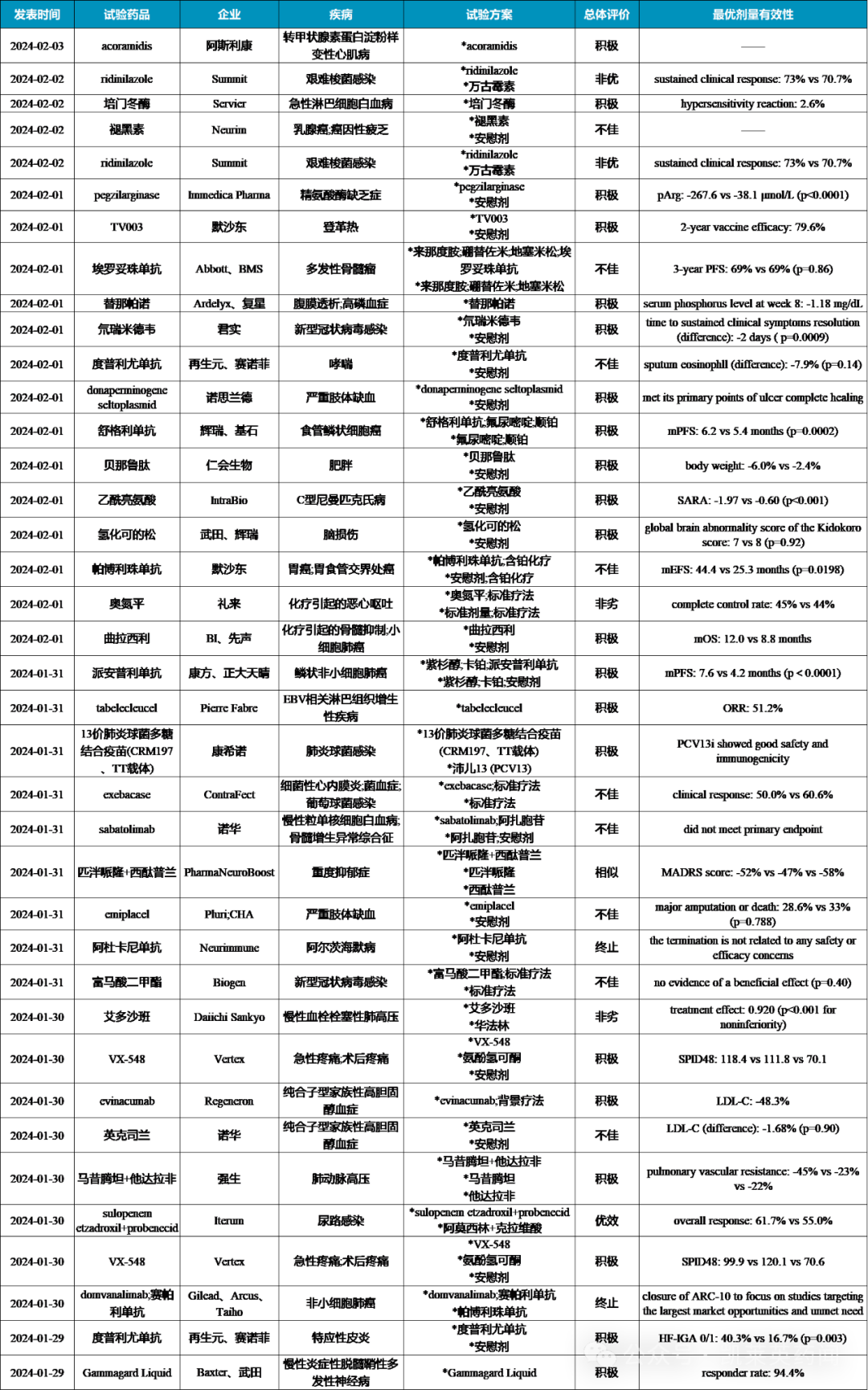
Global Phase III Clinical Summary


"Views"Click once