▎Edited by the WuXi AppTec content team (Source: STAT)
"If this therapy can give my son one more day to live, that is a cure. That's what I see."——Brent Furbie, father of a child with Duchenne muscular dystrophyRecently, Sarepta Therapeutics announced its gene therapy jointly developed with Roche.Elevidys(delandistrogene moxeparvovec,SRP-9001) The efficacy supplement to the Biologics License Application (BLA) has been accepted by the U.S. FDA and granted Priority Review status. This is the first approvedWhether a one-time gene therapy for treating Duchenne muscular dystrophy (DMD) in patients aged 4-5 can receive another nod from the FDA, expanding its indication scope and transitioning from accelerated approval to full approval, is a focal point of attention for many DMD patient communities and industry experts. Taking this opportunity, the WuXi AppTec content team will lead readers in reviewing the development journey of the first DMD gene therapy and the patient stories behind it.
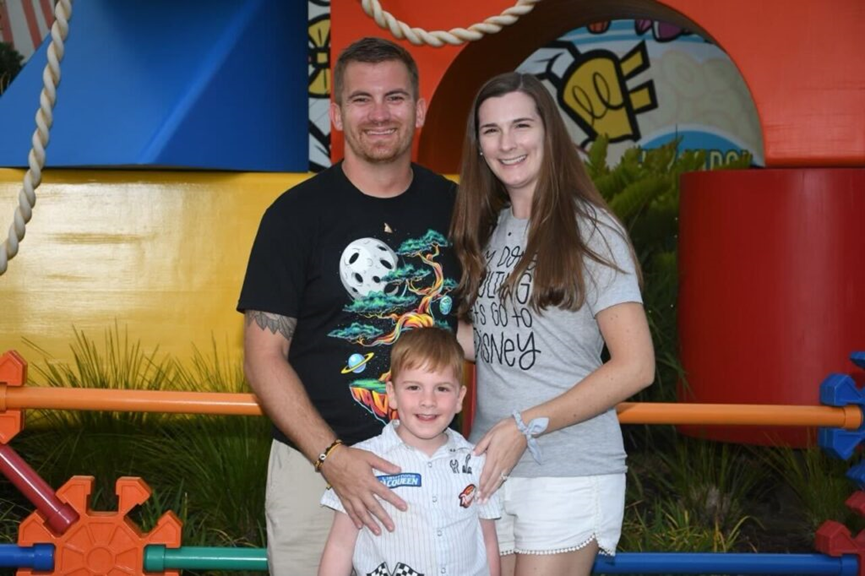 ▲The Furbee Family (Image Source: Reference [1], Courtesy of the Furbee Family)The beaming three-member family in the photo is an ordinary household from Tennessee. Little would anyone expect that the young boy in the middle suffers from a fatal recessive genetic disorder called Duchenne Muscular Dystrophy (DMD). With an incidence rate of 1/3500 globally, this disease almost exclusively affects males. Compared to healthy individuals, those with DMD not only progressively lose their ability to care for themselves but also have an average life expectancy far shorter than that of healthy people. In order to extend the life of their son, little Emerson, for as long as possible, the Furbys embarked on a challenging journey in search of medical treatment…
Once Untreatable, a Gene Therapy Dose Revives Emerson
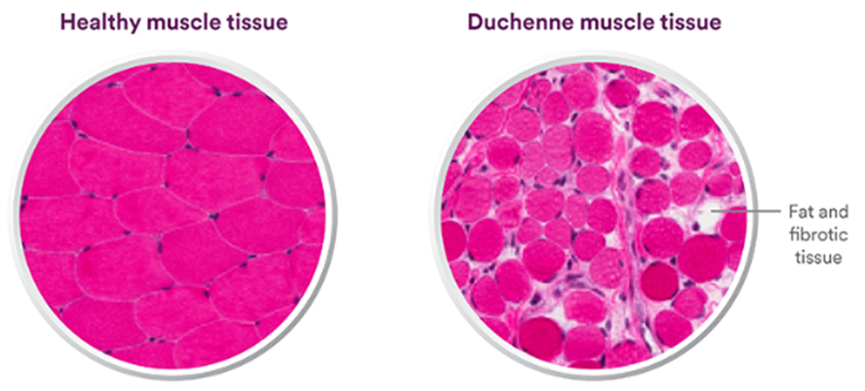
On the surface, Emerson appeared no different from other healthy children of the same age. Only the closest family members could detect some clues through careful observation—little Emerson would fall for no reason during music class and struggled to climb play equipment on the playground. However, the doctor initially found nothing wrong with Emerson. As for the abnormal signs pointed out by the Ferbee couple, the doctor attributed them to minor issues caused by Emerson's flat feet.The Furby couple were skeptical about this explanation. Three months later, they took Emerson for a re-examination. This time, the doctor found the real cause of Emerson’s condition through a blood test — DMD.DMD is a genetic disease caused by mutations in the gene encoding dystrophin, a protein essential for maintaining muscle function.In healthy muscle tissue, dystrophin acts like a shock absorber, stabilizing muscle cells during contraction and relaxation. However, patients with DMD produce very little or no dystrophin at all. As a result, even everyday activities can cause damage to the muscles of DMD patients, leading to their gradual breakdown. Now, doctors have detected evidence in little Emerson's blood that his muscles are deteriorating—aThe Basic Components in Muscle Cells——A large amount of creatine kinase has entered Emerson's bloodstream, significantly higher than normal levels.▲Comparison of muscle tissue in healthy individuals (left) and DMD patients (right) (Image source: Sarepta's official website)
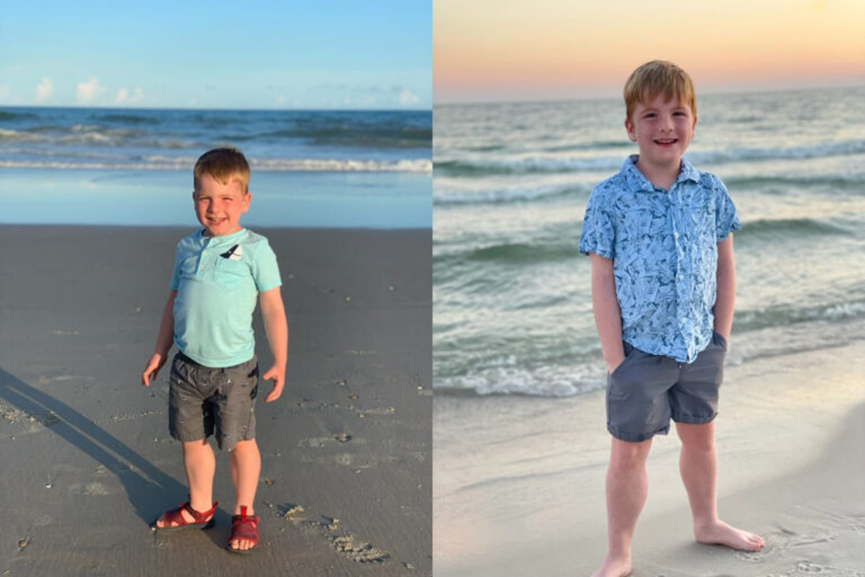
The subsequent news was like a bolt from the blue for the Furbys. The doctor indicated that, based on the results of thousands of papers written from nearly two centuries of medical observation, little Emerson's future was already clear —Since there is currently no effective treatment, his symptoms will gradually worsen. He is highly likely to be in a wheelchair by the age of 12, and then pass away at around 30 or at most 40 years old.Despite the doctors having given little Emerson a death sentence, the Furby family did not give up. After Emerson was diagnosed in 2019, his father Brent, a gardener, taught himself biology and kept a close eye on any new developments in the treatment of the disease. One evening, Brent discovered online that a new gene therapy was recruiting patients for clinical trials, which might be able to treat Emerson's condition. After thorough research, he immediately began efforts to secure Emerson’s eligibility for the clinical trial. This included relocating the family to the suburbs of Nashville so Emerson could receive specialized care, as well as sending application emails to the doctors in charge at various trial sites across the U.S. requesting inclusion in the clinical trial.As the saying goes, "Everything comes to him who waits." In February 2021, little Emerson finally qualified for a clinical trial. By that time, Emerson’s symptoms had worsened; the strength in his lower limbs could no longer support him to climb stairs step by step. Instead, he had to move both feet onto one step before laboriously shifting to the next. The good news was that he would soon be able to try a treatment method that held the promise of changing his fate. At 7:30 a.m. on March 22, the Frobbies arrived on time at St. Louis Children’s Hospital, where Emerson was to receive treatment. To encourage Emerson, Brent told him that the treatment he would undergo was akin to the mysterious serum that gave Captain America his superhuman strength. Captain America was Emerson's favorite superhero, and on the day of the treatment, he wore pajamas printed with the Captain America design. Emerson also learned that if this bold therapy proved effective for him, it could potentially help other boys like him who have "special" muscles.Little Emerson seemed to understand the important mission he was undertaking. He stood ready and did his best to complete all the actions the nurse instructed him to do — this would ensure the medication was fully distributed throughout his body. The treatment ended quickly, and by noon, little Emerson was discharged.Three days later, the astonishing effect of this therapy completely exceeded the Ferbys' expectations — Emerson was already able to climb the stairs step by step!Eleven days later, Emerson was able to ride a tricycle by himself. That summer, Emerson was even able to play children's baseball. Now, two years have passed since Emerson received treatment, and at the age of 6, he not only looks no different from other children but is also quite strong.▲Emerson at 4 years old, photo before treatment at 8 months (left) and photo after two years of treatment (right) (Image Source: Reference [1], Courtesy of the Furbee Family)Brent happily expressed, "Never has a parent asked us, 'What's wrong with Emerson?' There is no noticeable difference between Emerson and other children." The tremendous transformation this therapy has brought to Emerson is so miraculous that Brent sincerely hopes every family like theirs can experience the same 'miracle.' In fact, his wish is very likely to come true soon.The therapy that cured Emerson is named SRP-9001, a gene therapy for DMD developed through the collaboration between Sarepta and Roche. In June 2023,SRP-9001 ObtainedAccelerated approval by the U.S. FDA,Becoming the first treatment for Duchenne muscular dystrophy4-5 years oldPatient's one-time gene therapy.So, how was this miraculous therapy born?
A Gene Therapy "Born" in a Bar
In November 2015, Mr. Bo Cumbo, then head of business development at Sarepta, attended a DMD research conference in London. After the conference, he had drinks and casual conversation with British scientist Dr. George Dickson, who also attended the conference, at a nearby pub. When the discussion turned to the future of DMD therapies, a video shown by Dr. Dickson left Mr. Cumbo in disbelief.At the beginning of the video, a young Golden Retriever appeared, its gait unsteady and steps weak due to a damaged dystrophin gene. When the experimenters took out food and toys in an attempt to lure it over a low obstacle, the Golden Retriever, despite its willingness, lacked the strength and could only move left and right following the experimenter. The camera then shifted to another Golden Retriever similarly afflicted with DMD.The difference is that this Golden Retriever received an early corrective gene therapy developed by the French research team Genethon, so it runs happily in the hallway like a normal Golden Retriever and easily jumps over low obstacles to snatch snacks from the experimenter's hand.This video deeply shocked Mr. Cambo, and he realized that the future of DMD patients lies in gene therapy. Immediately, he called Sandy Mahatme, the then Chief Financial Officer of Sarepta: "Sandy, we must get the license right away."Subsequently, from the end of 2015 to early 2016, Sarepta's management team began formulating a strategy for gene therapy. A series of follow-up efforts were also carried out against the clock, such as securing sufficient funding to keep the company operational, obtaining licenses for the most potentially effective gene therapies, and reaching out to hospitals that might develop DMD treatments, among others.In July 2016, Dr. Ed Kaye, then CEO of Sarepta, met with Dr. Jerry Mendell, a world-renowned DMD physician from Nationwide Children's Hospital in Ohio, who has been working for more than two decades to develop a gene therapy. Among all the early gene therapies, MendellProfessorThe project being developed by Dr. Kai is the most likely to succeed, with substantial preclinical evidence for this therapy, and it is now preparing to enter clinical trials. Due to Dr. Kai's dual identity as both a doctor and a scientist, he quickly gained recognition from Mendel.Professor's recognition, and successfully with MendelProfessorSigned an exclusive license agreement for its gene therapy under development. Since then, the development of SRP-9001 has officially entered the fast track.▲Jerry MendellProfessor (Image Source: Child Neurology Society Official Website)Since gene therapies were still in the testing phase at the time, although Professor Mendell was highly confident that his gene therapy would yield positive results in clinical trials, Sarepta, as a precaution, did not disclose much information about this early-stage gene therapy to the public initially. Even Dr. Kaye's successor and Sarepta’s current CEO, Douglas Ingram, only became aware of the SRP-9001 project after taking over the company. Fortunately, SRP-9001 did not disappoint.Small-Scale Clinical Trial Achieves Great Success, but the First Placebo-Controlled Study Unexpectedly Fails
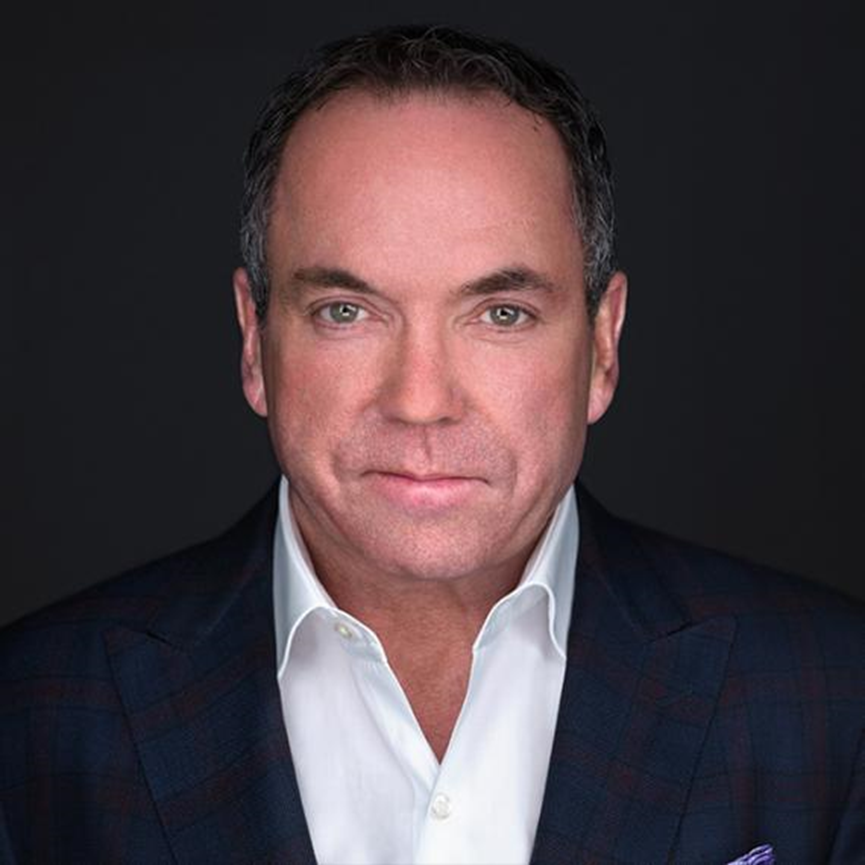
In January 2018, the first patient received treatment with SRP-9001, followed by two more young boys joining the clinical trial, aged 4, 5, and 6 respectively. As the infusion proceeded, tens of trillions of "good" viruses were delivered into the children’s bodies, each carrying gene copies capable of specifically producing the functional components of dystrophin.After a period of follow-up, the researchers conducted muscle biopsies on the young boys and compared the results with those from the baseline biopsies. The results showed that the production of micro-dystrophin in the children's muscles...(microdystrophin)The average level has recovered to 38% of the level in healthy individuals.This result far exceeded the researchers' expectations, being nearly four times better than previously estimated!Moreover, there is a more直观的例子能用来说明这种疗法的效果有多好。当研究人员向Sarepta的高管展示这些小患者肌肉细胞的免疫荧光图像时,这名高管甚至要求研究人员再次核实该图片不是来自于健康受试者的参考图像。In addition to its significant efficacy, the safety of SRP-9001 is also within a controllable range, with no serious side effects reported in any of the boys.The first small-scale clinical trial of SRP-9001 was a great success, and Sarepta also held a public event for investors and the media to announce the good news. After Professor Mendell shared the data on this gene therapy, three young patients came on stage with Mendell.ProfessorHeld tightly together. This scene brought tears to more than half of the audience on site, and the future fate of these children is very likely to change drastically from this point on.Several months later, these children were recalled to the hospital for mobility tests. All of them showed consistent improvement in muscle function, strength, walking ability, and flexibility compared to before the treatment — the most desired outcome for DMD patients.Researchers believe that these improvements are precisely due to the significant increase in micro-dystrophin in patients caused by gene therapy.Motivated by these data, Sarepta decided to fully invest in the clinical development of SRP-9001, not only expanding the production scale of the engineered virus but also quickly launching the first placebo-controlled study of SRP-9001.At the end of 2019, Roche reached a $2.85 billion agreement with Sarepta.Cooperation Agreement, jointly develop this gene therapy.If all goes well, Sarepta expects to obtain positive results from the clinical trial in 2021, and then submit an application for market approval to the FDA.How many children with DMD are gradually withering away, while their families and clinicians can only watch helplessly. We can't make them wait any longer!However, just as everyone believed that this clinical trial would undoubtedly succeed, bad news arrived — the first placebo-controlled randomized trial of SRP-9001 had failed. Researchers reported that although a significant amount of micro-dystrophin was produced in the muscle cells of patients receiving gene therapy, these increases did not appear to translate into improved muscle function compared to patients treated with the placebo. Numerically, the performance of patients in the SRP-9001 treatment group was slightly better than that of the placebo group but fell short of reaching statistical significance.▲Mr. Doug Ingram (Image Source: Sarepta's official website)"When Ingram recalled the day he learned that the trial had failed, he said, 'The life just drained out of me. It's hard to describe how that moment felt—I was as if I'd been punched in the face.' He couldn't help but think about what would happen to those DMD patients and their families who had been eagerly awaiting the results if this trial had indeed failed?"On January 7, 2021, Sarepta publicly announced the failure of the clinical trial for SRP-9001, which was followed by a more severe crisis——Many people began to question whether the micro-dystrophin produced by SRP-9001 in patients can really function as effectively as the full-length dystrophin.This is a historical issue in the development of gene therapies for DMD, and both within Sarepta and externally, there is an urgent desire to know the definitive answer.Clearing Doubts, Applying for Accelerated Approval
To understand why SRP-9001 uses the version of micro-dystrophin seen today, we need to go back to the 1980s.At that time, a series of breakthroughs in biotechnology made gene therapy possible, especially for genetic diseases like DMD caused by gene mutations. Gene therapy, which delivers a functional copy of the gene to patients to produce proteins capable of repairing those rendered defective due to genetic flaws, appeared to be the most "savior-like" potential treatment.
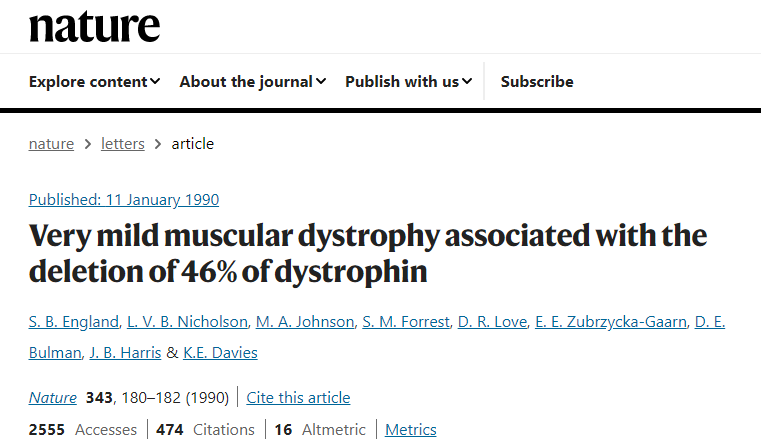
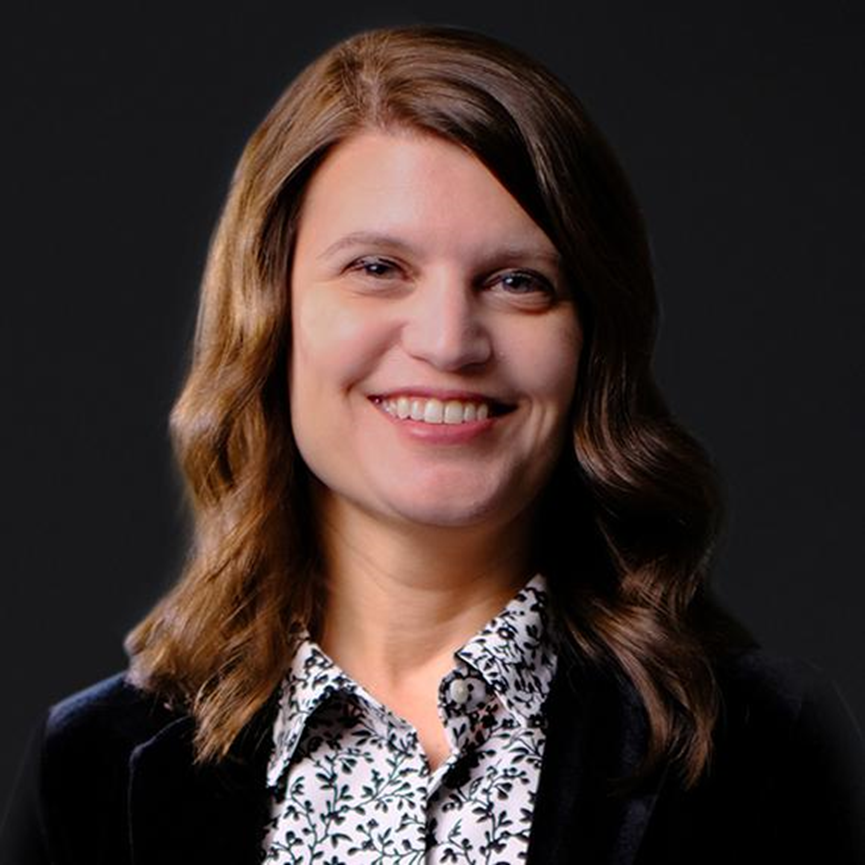
In fact, developing gene therapy for DMD is not as simple as imagined. There are two reasons: one is that the viruses researchers use to deliver genes tend to first infect the liver and lungs, rarely reaching DMD's target tissue — muscles; the second is that in the late 1980s, while studying the gene encoding dystrophin, researchers found that the gene was enormous, and viral vectors simply could not accommodate it. As a result, the development of gene therapy for DMD once fell into a dilemma.Until 1990, the case report of a man who was missing half of his dystrophin gene yet remained mobile into his 61st year offered scientists a new perspective. His existence demonstrated that,Even an incomplete dystrophin gene may produce a functional protein version, providing scientists with the basis to develop a streamlined version of the dystrophin gene.Subsequently, the obstacles on the path to developing DMD gene therapy were gradually overcome. In 1996, Dr. Jude Samulski, a gene therapy researcher at the University of North Carolina, designed an adeno-associated virus (AAV) capable of infecting muscle cells. Some scientists also successively developed minimized versions of dystrophin. In 2006, Dr. Samulski and MendellProfessorGene therapy, as a new type of treatment, has been tested.They injected gene therapy into the biceps of six patients with muscular dystrophy, confirming that Dr. Samulski's AAV virus could safely deliver the micro-dystrophin gene to human muscle cells.The success of this trial has led MendelProfessorGreatly encouraged, he knew the next step should be to develop a gene therapy that could be administered systemically. MendellProfessorNot an expert in genetic engineering and viruses, but after adding a new key member, Dr. Louise Rodino-Klapac, as a postdoctoral researcher to his lab, Rodino-Klapac, who had prior experience in basic research, began to take full charge of designing a new gene therapy that could be administered systemically. After countless days and nights of hard work, success was finally achieved in 2016, by Mendell.ProfessorConfirmed the final version of this gene therapy with Dr. Rodino Clapack, and SRP-9001 was born.▲Dr. Louise Rodino-Klapac (Image Source: Sarepta's official website)As for whether micro-dystrophin will work, MendellProfessorDr. Rodino Clappac has the most say, as they have both witnessed the miraculous effects of this mini version of the malnutrition protein on patients. Professor Jeffrey Chamberlain from the University of Washington, who has also been involved in the research on anti-muscular dystrophy proteins, stated,Proteins generated from rationally designed genes may actually work better than some of the microgenes found in relatively healthy DMD patients.The reason for the failure of the first randomized controlled study was uncovered by Dr. Rodino Clapp after a more in-depth investigation — for some unknown reason,Many DMD patients with milder conditions or slower progression were assigned to the placebo control group, and this imbalanced grouping method led to the issue of insufficiently significant differences between the final gene therapy group and the control group.But there is no room for regret in the drug development process. Sarepta cannot request a re-grouping after the trial ends and then analyze a favorable outcome to declare the experiment a success. Sarepta promptly devised two contingency plans: continue collecting data from the first randomized, placebo-controlled study, while pushing forward with the second, larger-scale randomized, placebo-controlled study.In the late spring and early summer of 2022, Sarepta completed this work.In two different datasets totaling 49 patients, the micro-dystrophin produced in patient muscles reached 39% and 54% of normal levels, respectively, a result that in some aspects is even better than previous trials.In addition, Sarepta collected muscle function data from all subjects in the studies. Due to the lack of control group data available for comparison, Sarepta compared the patients' muscle function data with a separate dataset consisting of DMD patients with similar disease severity who had not received treatment.Over the course of a year, boys in the "external control" group scored 0.1 points lower on the same standardized test, while boys treated with gene therapy scored 2.3 points higher on standardized tests of muscle strength, performance, and agility.However, as the number of patients receiving gene therapy increases and the follow-up time extends, potential safety issues with SRP-9001 have gradually emerged. Seven participants experienced serious side effects related to the treatment, with one boy developing heart disease that required hospitalization, and another boy suffering from liver damage. Common side effects of the therapy include nausea and vomiting.Based on the data they had gathered, Sarepta submitted an application to the FDA for accelerated approval of SRP-9001. Although some staff within Sarepta believed it would be safer to wait for the results of a second large randomized controlled study before filing for market approval, Mr. Ingram insisted on pushing for SRP-9001 to be brought to market as soon as possible. He said, "We are dealing with a degenerative disease that causes patient deaths every day; waiting makes no sense. We have a strong surrogate endpoint (micro-dystrophin levels) that can reasonably predict clinical benefits for patients, and we have solid data indicating that it should be predictive."As for the remaining uncertainties, Mr. Ingram said that there might be some, but this is exactly why the FDA sets up accelerated approval and why biopharmaceutical companies conduct confirmatory clinical trials.From Accelerated Approval to Full Approval?
As SRP-9001 received FDA approval in June of last yearAccelerated Approval, the related controversy came to a temporary end at that time. However, with subsequent verificationThe release of the test results,Now, many experts and patient groups are shifting their focus to whether the therapy can once again gain FDA approval, transitioning from accelerated approval to full approval, and further expanding the patient population for the indication.InOn the eve of the therapy's accelerated approval,Emerson's father once indicated that if someone asked for his opinion, he was quite sure what he would say.He knows the future of Emerson is full of uncertainties, and no one knows how much or how long his son can benefit from this gene therapy, but he doesn't care.He said:“What I understand as a cure is different from what you consider a cure. If this treatment can let my son live one more day, then that's a cure. That's how I see it.”As a CTDMO under WuXi AppTec specializing in cell and gene therapies, WuXi Advanced Therapies is committed to accelerating and transforming the development, testing, manufacturing, and commercialization of gene and cell therapies as well as other advanced therapies. WuXi Advanced Therapies can help global customers bring more innovative treatments to market sooner, benefiting patients. If you have related business needs, please click on the image below to fill out the specific information.▲If you have any business needs, please long press to scan the QR code above, or click "Read more" at the end of the article to access the business对接 platform and fill in your business needs information.
▲To learn more about the application of cutting-edge technologies in the biopharmaceutical industry, please long-press and scan the QR code above to access "WuXi Live Studio" and watch live discussions and exciting replays on related topics.
References:
[1] A bellwether moment: Once a distant dream, gene therapy for Duchenne nears historic decision. Retrieved April 25, 2023, from https://www.statnews.com/2023/04/17/sarepta-gene-therapy-duchenne-muscular-dystrophy-fda-decision/
[2] England SB, Nicholson LV, Johnson MA, et al. Very mild muscular dystrophy associated with the deletion of 46% of dystrophin. Nature. 1990;343(6254):180-182. doi:10.1038/343180a0
[3] FDA staff leaned toward rejecting Sarepta gene therapy before top official intervened. Retrieved April 25, 2023, from https://www.statnews.com/2023/04/13/fda-staff-leaned-toward-rejecting-sarepta-gene-therapy-before-top-official-intervened/
[4] Sarepta Therapeutics Announces That U.S. FDA has Accepted for Filing and Granted Priority Review for the Biologics License Application for SRP-9001, Sarepta’s Gene Therapy for the Treatment of Ambulant Individuals with Duchenne Muscular Dystrophy. Retrieved April 25, 2023, from https://investorrelations.sarepta.com/news-releases/news-release-details/sarepta-therapeutics-announces-us-fda-has-accepted-filing-and?_ga=2.58073770.1044422834.1669665150-341127421.1669665150
[5] Sarepta Therapeutics Submits Biologics License Application for SRP-9001 for the Treatment of Ambulant Patients with Duchenne Muscular Dystrophy,Retrieved April 25, 2023, from https://investorrelations.sarepta.com/news-releases/news-release-details/sarepta-therapeutics-submits-biologics-license-application-srp?_ga=2.241143424.282841863.1664505466-1503290699.1664505466
[6] Roche enters licensing agreement with Sarepta Therapeutics to improve the lives of patients living with Duchenne muscular dystrophy. Retrieved April 25, 2023, from http://www.globenewswire.com/news-release/2019/12/23/1963846/0/en/Roche-enters-licensing-agreement-with-Sarepta-Therapeutics-to-improve-the-lives-of-patients-living-with-Duchenne-muscular-dystrophy.html
Disclaimer: The content team of WuXi AppTec focuses on introducing the research progress in global biopharmaceuticals and health. This article is for information exchange purposes only, and the views expressed in the article do not represent the position of WuXi AppTec, nor does it imply that WuXi AppTec supports or opposes these views. This article is not a recommendation for treatment plans. For guidance on treatment options, please visit a正规 hospital.
Copyright Statement: This article is from the content team of WuXi AppTec. Individuals are welcome to share it on their social media circles, but unauthorized reproduction by media or institutions in any form to other platforms is prohibited. For authorization to reproduce, please reply with "reprint" on the WeChat Official Account of "WuXi AppTec" to obtain reprint guidelines.

Share,PointLike,In View, Focusing on Global Biomedical Health Innovation