


MicroPortDistal Pancreatectomy (MIDP)Has become the standard surgical method for distal pancreatectomy in non-malignant diseases. This is based on minimally invasive techniques withOpen Distal Pancreatectomy (LEOPARD)AndLaparoscopic versus Open Distal Pancreatectomy (LAPOP)Randomized trial, compared with open pancreatic resection, this trial confirmed thatOpen Distal Pancreatectomy (ODP)In comparison, the functional recovery time after MIDP was shorter, and the hospital stay was also shorter.
Health-relatedQuality of Life(QoL) is increasingly being used as the primary stomach-related patient-reported outcome.Intestinal SurgeryKey outcome measures of treatment effectiveness. Due toPancreatic SurgeryIn the early postoperative period, it has a significant impact on QoL; therefore, it seems worthwhile to evaluate the impact of MIDP on QoL. The multicenter LEOPARD trial found that short-term QoL up to 30 days after MIDP improved compared with ODP. However, this benefit was no longer present at the 1-year follow-up. These findings are consistent with previous retrospective studies with up to 1-year follow-up.
Since distal pancreatectomy is often used for diseases with long-term survival (such asCystic Tumor, neuroendocrine tumors), thus the report of long-term outcomes is relevant to this group of patients. Addressing Quality-Adjusted Life Years (QALYs) may provide relevant prognostic information while obtaining consent from these patients.September 13, 2021Published inJOURNAL OF THE AMERICAN COLLEGE OF SURGEONSTheThe study aims to evaluate the impact of MIDP and ODP on QALYs, generic and disease-specific QoL, and major complications during long-term follow-up of patients participating in the LEOPARD trial.
The LEOPARD (Minimally Invasive versus Open Distal Pancreatectomy) trial randomized 108 patients in 14 Dutch centers (April 2015 to March 2017) to either MIDP (laparoscopic or robotic) or ODP. The primary outcome measure of this study was Quality-Adjusted Life Years (QALYs), assessed using the EQ-5D. The EORTC was utilized.QLQ-C30PAN-26 and the Body Image Questionnaire subscales assessed QoL. The latter included cosmetic satisfaction scores (range 3-24) and body image scores (range 5-20). Differences between MIDP and ODP were analyzed for QALYs, generic and disease-specific QoL, and body image. Missing QoL data were imputed using multiple imputation.
The research results showed that a total of 84 patients were still alive, with a median follow-up time of 44 months; among them, 62 patients (74%) completed the questionnaire (27 MIDP, 35 ODP). There was no significant difference in QALYs between the two groups (mean scores of 2.34 vs. 2.46 years, p = 0.63), and no significant differences were observed in the QoL subscales. Over time, significant changes occurred in the overall EQ-5D health utility in both groups (p < 0.001). Patients in the MIDP group scored higher in terms of appearance satisfaction (21 vs. 14, p = 0.049). No differences were observed between the two groups in clinical outcomes such as major complications, readmissions, and others.Incisional Hernia。
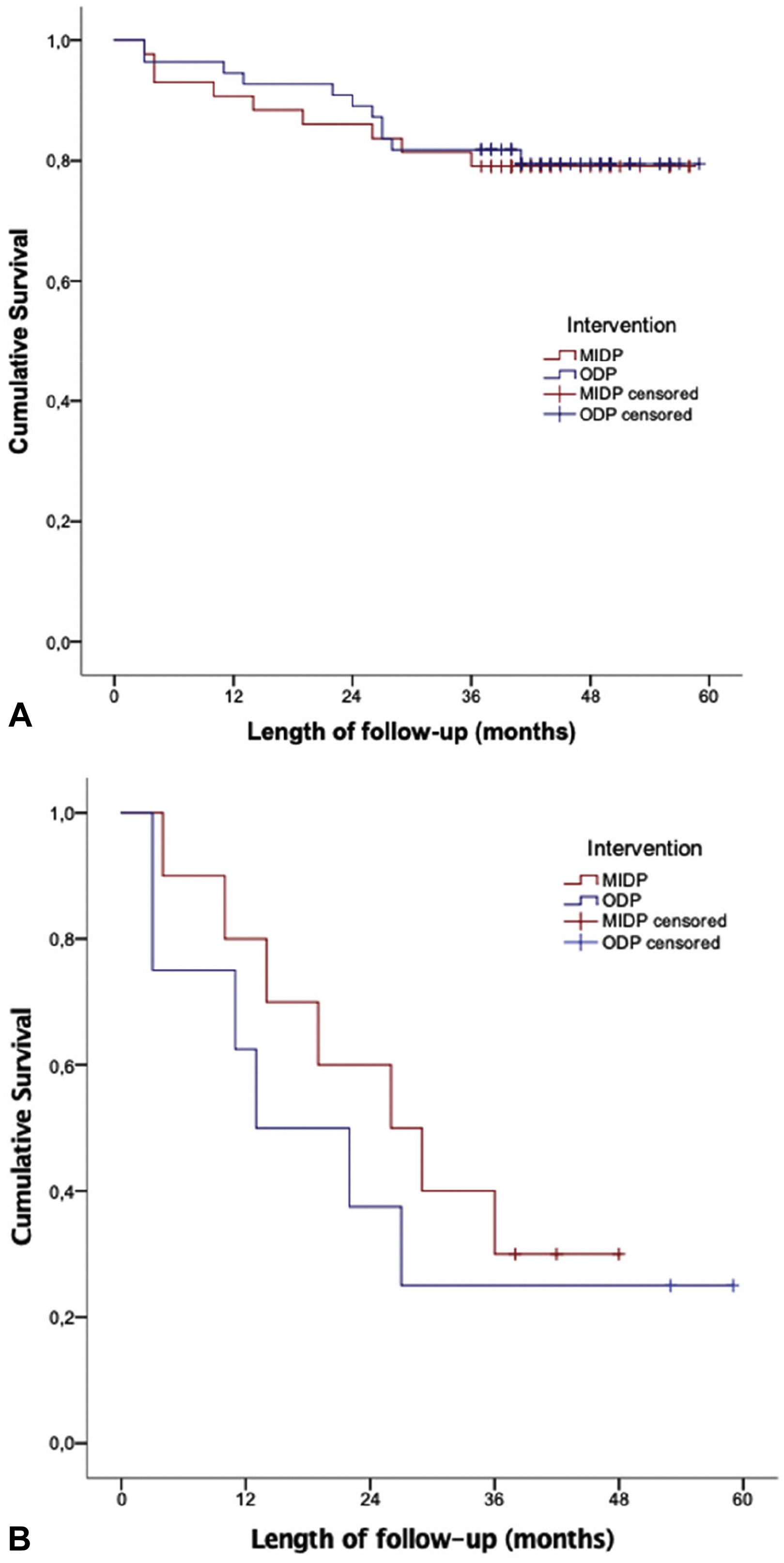
Figure 1: Kaplan-Meier Curves of Overall Survival After Minimally Invasive Distal Pancreatectomy (MIDP) and Open Distal Pancreatectomy (ODP)
In summary, QALYs did not improve in the long-term follow-up after MIDP, but cosmetic satisfaction was higher after MIDP. There were no significant differences in overall QoL and major complications between MIDP and ODP.
Source of Original Text
Korrel, M., Roelofs, A., van Hilst, J., Busch, O. R., Daams, F., Festen, S., ... & Hilal, M. A. (2021). Long-term quality of life after minimally invasive vs open distal pancreatectomy in the LEOPARD randomized trial. Journal of the American College of Surgeons, 233(6), 730-739.