Areteia Therapeutics Files for IPO Following $425M Series A to Advance Oral Dexpramipexole for Eosinophilic Asthma

Areteia Therapeutics
Biopharmaceutical Manufacturer
Viking Global Investors
Global Investment Institutions

Marshall Wace
Alternative Investment Management Firm

Access Industries
Private Industrial Investment Group

GV
Google's Investment Fund
ARCH Venture Partners
Venture Capital Firms

Saturn Partners
An Investment Institution Focused on Early-Stage Innovative Enterprises
Maverick Capital
Investment Advisory Firm

Population Health Partners
Venture Capital and Private Equity Firms

Sanofi
Pharmaceutical R&D Developer

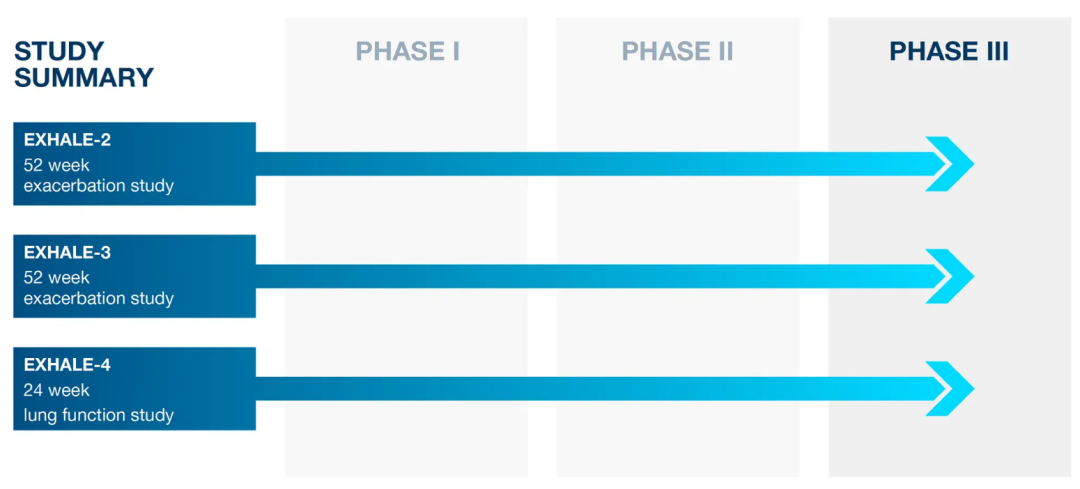
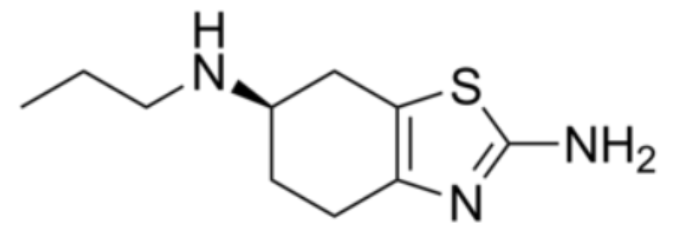
Recently, Areteia Therapeutics announced the completion of an additional $75 million Series A financing to support the expansion of its current treatment for eosinophilic asthma.The Phase III clinical development of pramipexole dihydrochloride has brought the total amount of Series A financing to 425 million US dollars. Viking Global Investors and Marshall Wace joined the original investor consortium led by Bain Capital Life Sciences, with other investors including Access Biotechnology, GV, ARCH Venture Partners, Saturn Partners, Sanofi, Maverick Capital, and Population Health Partners.New Star! $350 Million Series A Financing to Develop Oral Asthma Therapy with Dexpramipexole)
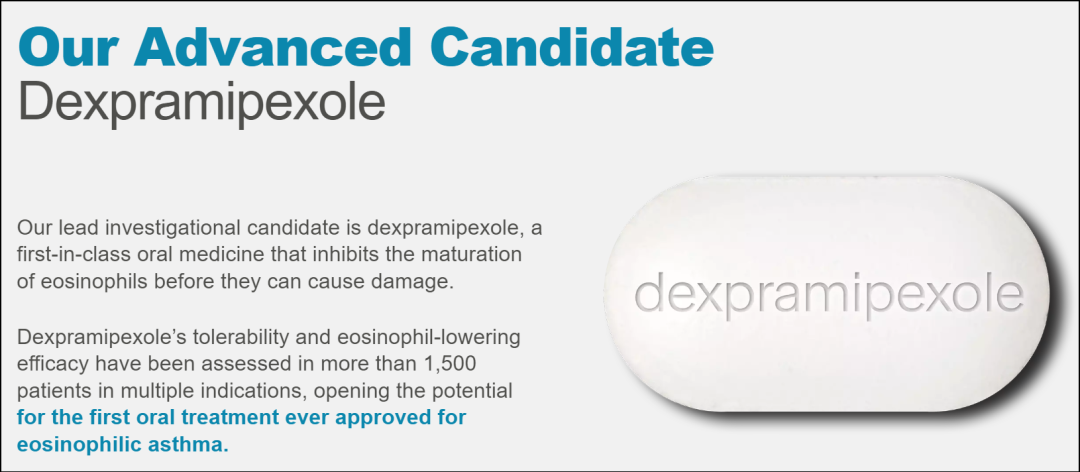
dexpramipexole