

Suzhou Shengen Biotech Submits IPO Prospectus Highlighting SGB-3403, a Novel siRNA-Based PCSK9 Inhibitor for Hypercholesterolemia

SANEGENEBIO
Small Nucleic Acid Drug Developer
On January 15, 2024, the website of the National Drug Clinical Trial Registration and Information Disclosure Platform showed that Suzhou SANEGENEBIO initiated the Phase I clinical trial of SGB-3403 injection, a small nucleic acid drug targeting PCSK9 in hepatocytes, to evaluate the safety, tolerability, pharmacokinetic characteristics, and pharmacodynamic characteristics of the drug in healthy subjects and subjects with elevated low-density lipoprotein cholesterol (LDL-C).

Public Information of Clinical Phase I Trial for SGB340 Injection
SGB-3403 is an siRNA-GalNAc conjugate targeting PCSK9 in hepatocytes, delivered to liver cells using SANEGENEBIO's proprietary next-generation GalNAc conjugation technology, and inhibits the synthesis of PCSK9 protein in the liver through RNAi. SGB-3403 is clinically used for the treatment of hypercholesterolemia, mixed dyslipidemia, and atherosclerotic cardiovascular diseases to reduce the risk of cardiovascular events.
Oligonucleotide drugs mainly include antisense oligonucleotides (ASO), small interfering RNA (siRNA), microRNA (miRNA), small activating RNA (saRNA), messenger RNA (mRNA), and RNA aptamers (Aptamer). Compared with traditional small molecule drugs and antibody drugs, oligonucleotide drugs can intervene at the source of diseases and have the characteristics of: a large number of targets, low drug toxicity, strong specificity, long-lasting effects, and short development time and cost.
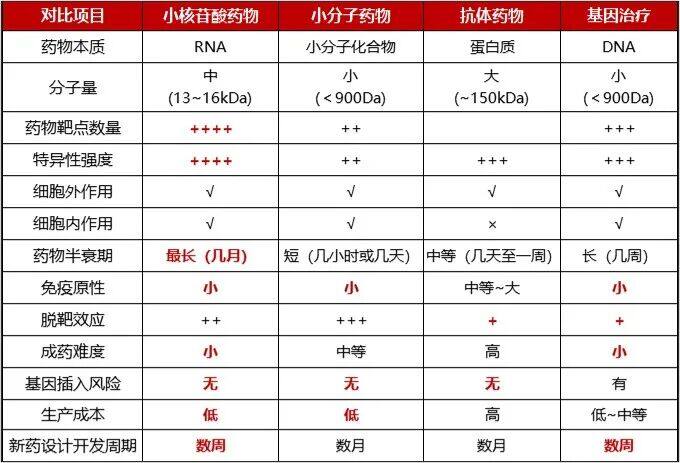
Comparison of Small Nucleic Acid Drugs with Small Molecule Drugs, Antibody Drugs, and Gene Therapy
As of 2023, 16 small nucleic acid drugs have been approved for marketing. From the development pipeline, the majority fall into two major types: ASO and siRNA. In recent years, siRNA drugs have developed rapidly. As an important category of small nucleic acid drugs, siRNA boasts advantages such as high-efficiency gene silencing, controllable adverse reactions, and convenient synthesis. Compared with ASO, the advantage of siRNA lies in its ability to repeatedly guide the cleavage of target mRNA multiple times, which has also made siRNA another popular pipeline type in the small nucleic acid field following ASO.
PCSK9 inhibitors mainly work by blocking the interaction between PCSK9 and low-density lipoprotein receptors in the form of small peptide molecules, or by using antisense oligonucleotide technology to block the synthesis and expression of PCSK9. As research on PCSK9 continues to deepen, PCSK9 is considered the most effective lipid-lowering target after statins. To date, four PCSK9-targeted drugs, including the siRNA drug inclisiran sodium injection, have been approved for marketing worldwide, with another 23 PCSK9 drugs currently in clinical trials.
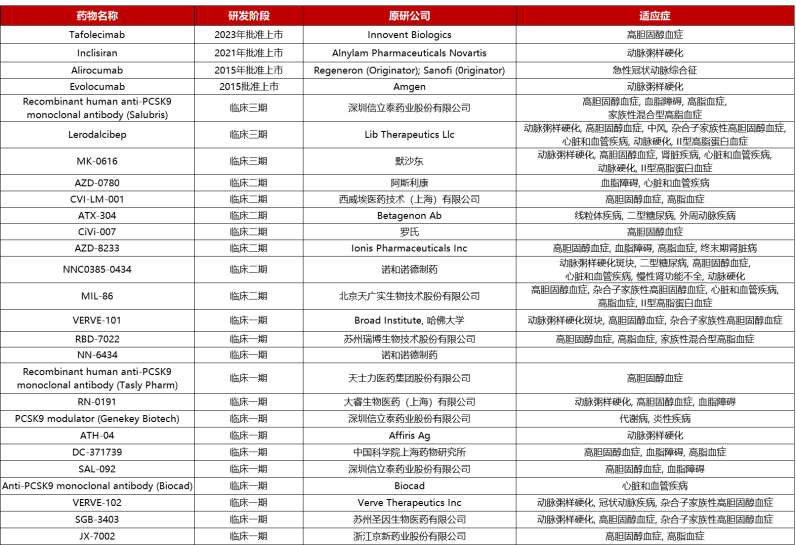
Development Status of PCSK9-Targeted Drugs
In August 2023, inclisiran sodium injection was approved for marketing in China. As early as 2021 and 2022, this drug had benefited more than three thousand Chinese patients with dyslipidemia in advance in the Hainan Boao Lecheng Pilot Zone and the Guangdong-Hong Kong-Macao Greater Bay Area, thanks to the national "pilot first" policy for innovative drugs. In terms of antibody drugs, China has introduced two imported drugs: evolocumab and alirocumab. In July 2023, Innovent Biologics announced the phase III clinical trial results of torseptilib (IBI306): After 12 weeks of treatment with torseptilib, LDL-C levels in patients with hypercholesterolemia significantly decreased by up to 68.9%. Torseptilib was launched on August 16, 2023, becoming the first domestically produced PCSK9 monoclonal antibody inhibitor. Another investigational small nucleic acid inhibitor targeting PCSK9:Preclinical trial data of SANEGENEBIO's SGB-3403 shows that the drug has good safety and tolerability. It demonstrated superior efficacy compared to reference products in multiple preclinical animal disease models (including a hyperlipidemia model in cynomolgus monkeys). With a lower dosage and reduced dosing frequency, it achieves a sustained reduction in LDL-C, lowering LDL-C by 40%-70%, with the potential to become best-in-class.
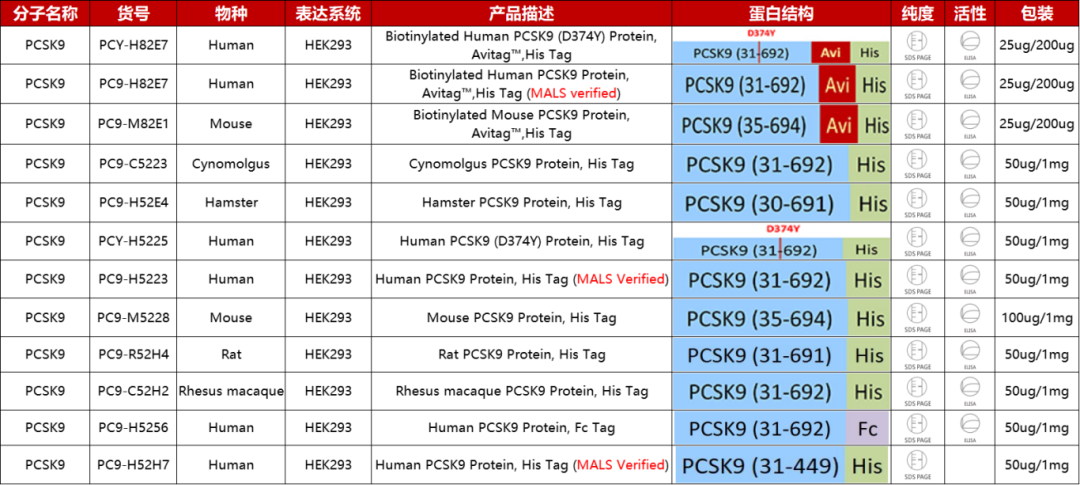
To meet the development needs of small nucleic acid inhibitors and antibody inhibitors targeting PCSK9, ACROBiosystems has developedPCSK9 Recombinant Protein Product, all expressed by human cell lines, verified by SEC-MALS, ELISA, SPR, and BLI, characterized by high purity, high activity, and high batch-to-batch consistency, suitable for applications such as immunization, antibody screening, and functional validation of candidate drugs.
ACROBiosystems conducts batch-by-batch quality inspections on recombinant protein products, verifying performance such as purity and activity, and documenting the experimental operations and parameters of the R&D personnel accordingly.Protocol Provided Free of Charge, helping you save on the R&D cycle.

PCSK9 proteins are all expressed by high-quality human cell lines (HEK293 cells).
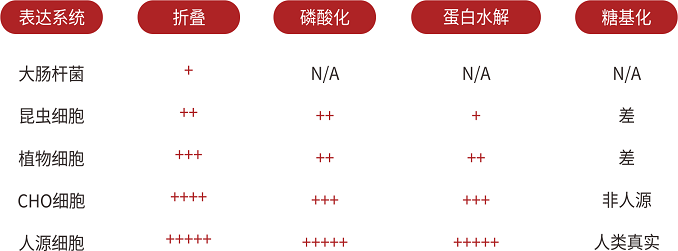
PCSK9 Recombinant Protein Product List, Click to View Product Details
PCSK9 High Bioactivity: Validated by ELISA
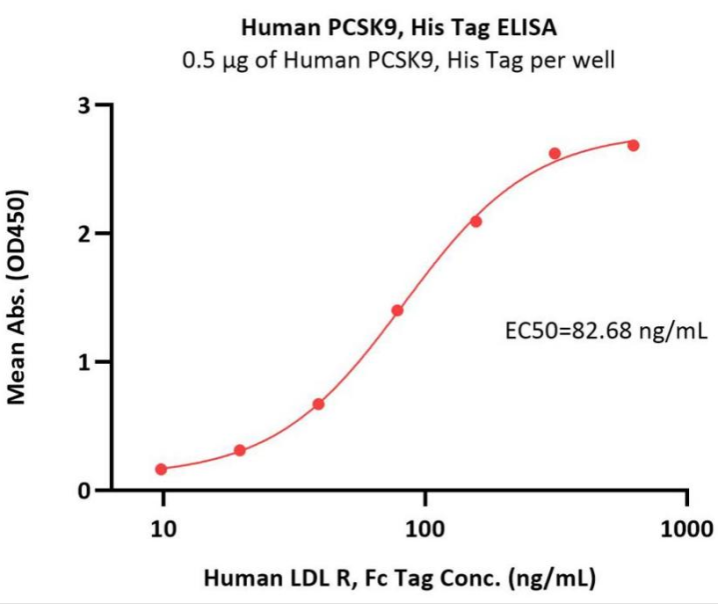
Immobilized Human PCSK9, His Tag (Cat. No. PC9-H5223) at 5 μg/mL (100 μL/well) can bind Human LDL R, Fc Tag (Cat. No. LDR-H5254) with a linear range of 10-156 ng/mL (QC tested).

PCSK9 High Bioactivity: Verified by BLI
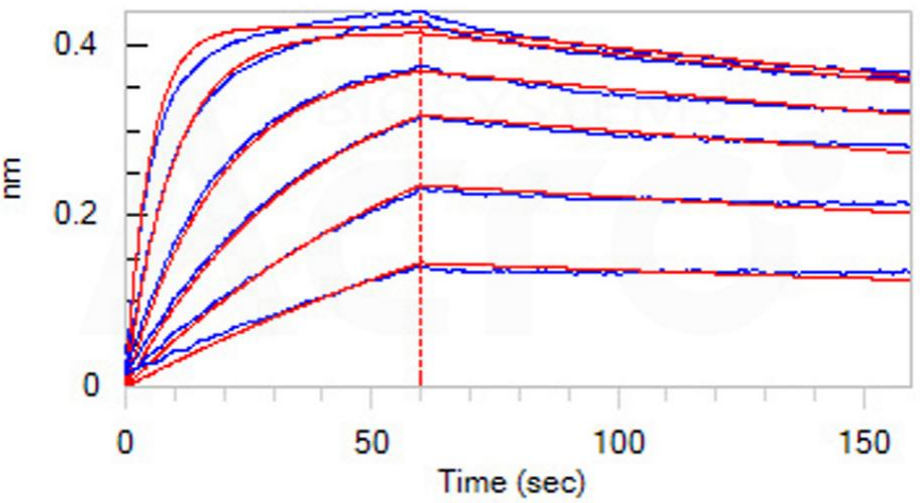
Loaded Human LDL R, Fc Tag (Cat. No. LDR-H5254) on Protein A Biosensor, can bind Cynomolgus PCSK9, His Tag (Cat. No. PC9-C5223) with an affinity constant of 1.46 nM as determined in BLI assay (ForteBio Octet Red96e) (Routinely tested).

PCSK9 High Bioactivity: Validated by FACS
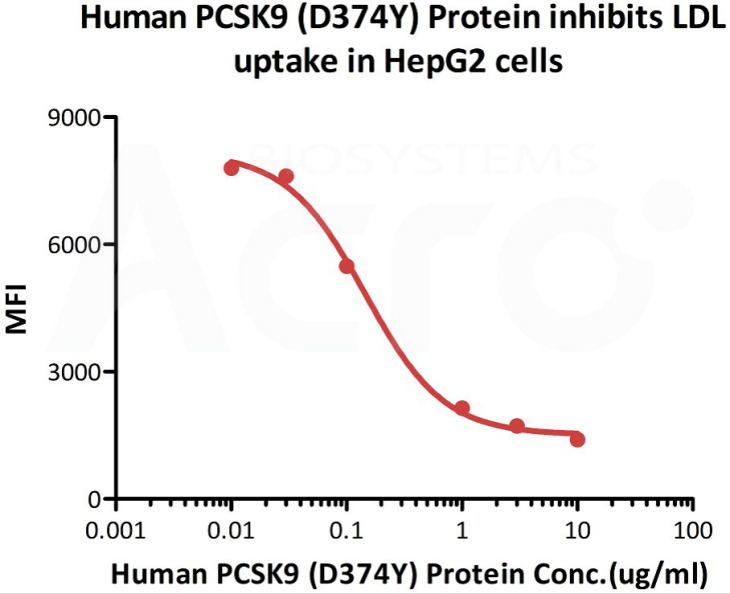
FACS analysis shows that Human PCSK9 (D374Y), His Tag (Cat. No. PCY-H5225) inhibits LDL uptake in HepG2 cells. The EC50 for this effect is 0.0689-0.3049 μg/mL.

PCSK9 High Purity: Validated by SDS-PAGE, SEC-MALS
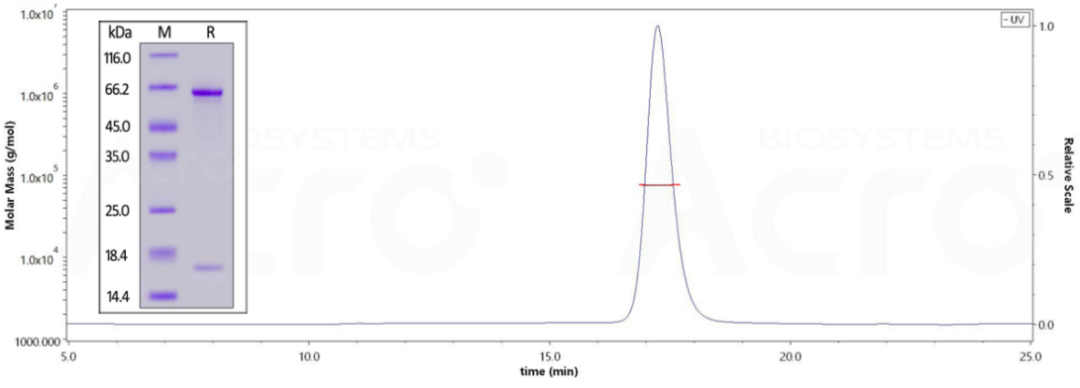
The purity of Human PCSK9, His Tag (Cat. No. PC9-H5223) is greater than 90% verified by SDS-PAGE; the purity of Rhesus macaque PCSK9, His Tag (Cat. No. PC9-C52H2) more than 95% verified by SEC-MALS.
>> Click to learn more about TF, TFR proteins and cell lines information
>>Click to learn more about Integrin family proteins
>>Click to learn more about HMGB1 protein products
>>Click to learn more about ASGR1-related product information

Check-in Activity, Click to Participate

Product Reviews, Click to Comment

Scan to download:
Cell and Gene Therapy Drug Development and Evaluation Solutions

Scan to download:

Scan to download:


ACROBiosystems
inquiry@acrobiosystems.com
15117918562
(Note: Name + Company)