Global Medtech Giants Retreat from Ventilator Market Amid Strategic Shifts

Medtronic
Chronic Disease Medical Device and Therapy Developer
Source丨Original Work by Healthnews21
Author/Han Liming
Editor/ Xu Xu
Image/21 Image Library

Recently, Medtronic announced its third-quarter financial report for the fiscal year 2024. During the reporting period, driven by a significant increase in demand for cardiovascular and diabetes devices, Medtronic achieved global revenue of $8.089 billion, representing a year-on-year growth of 4.7%.At the same time, in order to further enhance profitability, Medtronic announced its exit from the ventilator product line.
In fact, as early as October 2022, Medtronic announced the spin-off of its Patient Monitoring and Respiratory Interventions (PMRI) business. Unlike previous spin-offs, this time Medtronic will completely abandon the ventilator business.
Coincidentally, a month ago, Philips also released a notification of changes to its sleep and respiratory product portfolio for U.S. customers, stating that in the U.S. and within the U.S., Philips Respironics will focus on the sales of consumables and accessories, including masks.No longer sell hospital ventilators, certain home-use ventilators, portable and stationary oxygen concentrators, and sleep diagnostic products.
With the exit of multinational medical device giants, will the global ventilator business market be reshaped, and will Chinese medical device companies welcome new market opportunities?
In this regard, an industry insider analyzed to the 21st Century Business Herald, "On the one hand, it depends on whether the product is strong enough. For products that can gain recognition in foreign markets, there will naturally be opportunities to gain overseas market share. On the other hand, the export of Chinese-produced products cannot rely solely on a few companies; it requires the joint efforts of the entire industry to expand the influence of Made-in-China products in overseas markets."

The Medtronic website shows that its ventilators include the Puritan Bennett series and other products. In 2020, amid a global shortage of ventilators caused by the COVID-19 pandemic, Medtronic publicly shared the full set of intellectual property for its Puritan Bennett 560 on its official website, including design schematics, production specifications, instructions, and more.
It is understood that Medtronic's PMRI business includes ventilators, networked bedside monitors, pulse oximetry sensors, and anesthesia equipment, among others. These devices are used in hospitals and homes, and were in short supply during the COVID-19 pandemic. However, as the pandemic came to an end, product sales also declined rapidly.
In 2022, Medtronic decided to spin off PMRI and announced that the separation of these two divisions would allow Medtronic to focus more investment on areas with the highest strategic priority, including cardiovascular, neuroscience, and medical surgical procedures, as well as the relatively smaller diabetes business.
At that time, the industry believed that one of the resistances faced by the development of most medical companies was that their businesses were too large and complex. Compared with their current situation of being big and inflexible, spin-offs might become a trend.And one year after the spin-off of PMRI, Medtronic ultimately decided to divest its ventilator business.
Medtronic's Q3 FY2024 earnings report shows that the ventilator product line belongs to the PMRI business. After exiting the ventilator product line, Medtronic merged the remaining PMRI business into the Acute Care and Monitoring (ACM) business unit. It is reported that this unit will include pulse oximeters, remote patient monitoring, airway management, and respiratory monitoring products.
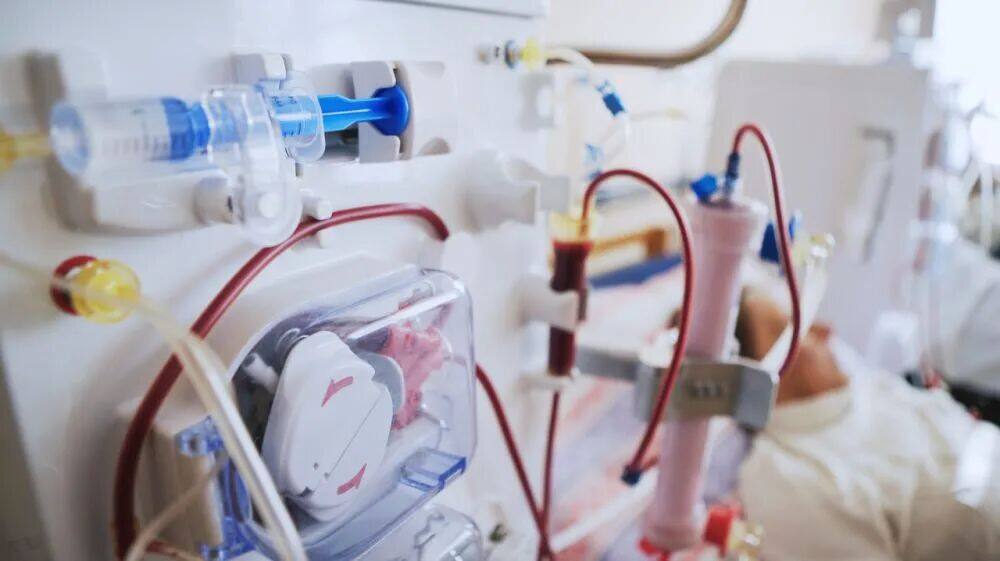
According to public reports, Medtronic CEO Geoff Martha said on the earnings call that the decision to close the ventilator business was difficult but in the company's best interest. "Last year, the business became increasingly unprofitable, and growth slowed further.At the same time, this field is changing, shifting to ventilators with lower sensitivity. Medtronic's main high-sensitivity products have lost their competitive advantage.”
Why Retain Patient Monitoring in PMRI? Geoff Martha Explains: Significant Changes in Competition for Patient Monitoring Devices Originally Planned for Divestiture. Medtronic Gains Upper Hand Against Key Rival Masimo, Identifies Growth Pathway. Post-Exit from Ventilator Business, More Funds May Be Allocated to Patient Monitoring.
According to the third-quarter financial report, the Surgical and Endoscopic (SE) and PMRI divisions achieved revenue of $2.148 billion during the reporting period, representing a year-over-year increase of 3.9%. Among these, the growth in patient monitoring business supported the revenue of the PMRI division, with the Nellcor™ pulse oximeter growing by 20%, while the performance of the respiratory intervention business showed a declining trend.
"Medtronic will continue to fulfill existing ventilator contracts to meet the needs of its customers and their patients. At the same time, it is expected that the current manufacturers, who occupy the majority of the market, will be able to meet the demand for new ventilators." Medtronic stated in its annual report, "Given the increased investment and improved competitive landscape, the company is confident in driving lasting category leadership in this newly consolidated business."

According to the market research report "2018-2023 Global COPD (Chronic Obstructive Pulmonary Disease) and Asthma Devices Market Research and Forecast" released by WiseGuyReports, the global ventilator market will reach a market size of 26.662 billion US dollars by 2023.
Many companies are positioned in the ventilator field. In terms of scenarios, in the home-use ventilator field, major manufacturers include ResMed, Philips, Schiller, Weinmann, Dehaier, and BMC. In the medical ventilator field, key players include Philips, Dräger, Maquet, GE Healthcare, and Hamilton Medical.
According to ResMed's Q4 2023 sales revenue of $1.163 billion, a year-over-year increase of 12.48%, with the sleep and respiratory care business equipment segment achieving revenue of $606 million, marking a year-over-year growth rate of 11.64%. The company believes that, excluding the impact of exchange rates, the rapid growth of related businesses is mainly due to booming demand on a global scale. The global development trend of the ventilator industry has been somewhat validated.
But in recent years, the ventilator industry has been plagued by controversies. Take Philips as an example, which has been deeply embroiled in recall issues in recent years. According to a research report by Pacific Securities, in April 2021, Philips released its first-quarter financial report and flagged potential health risks associated with the PE-PUR foam soundproofing component used in its ventilator products. In June 2021, Philips sent a letter titled “Urgent: Medical Device Recall” to customers, recalling 3 to 4 million ventilators.
In January 2022, Philips expanded its global recall of ventilators to 5.2 million units, increasing the recall cost by 225 million euros. In June of the same year, the National Medical Products Administration (NMPA) of China issued two consecutive notices, announcing the recall of 28,494 non-invasive ventilators and X-ray computed tomography devices from Philips.
Philips' multiple active or passive recalls of ventilators have had a significant impact on the industry.In July 2021, ResMed stated in a press release that due to the global recall of Philips ventilators, there was a significant increase in market demand for products such as ventilators, and the company was ramping up production. However, it is worth noting that in January this year, the FDA website indicated that all ResMed-recalled continuous positive airway pressure (CPAP) masks with magnets were classified as a Class I recall.
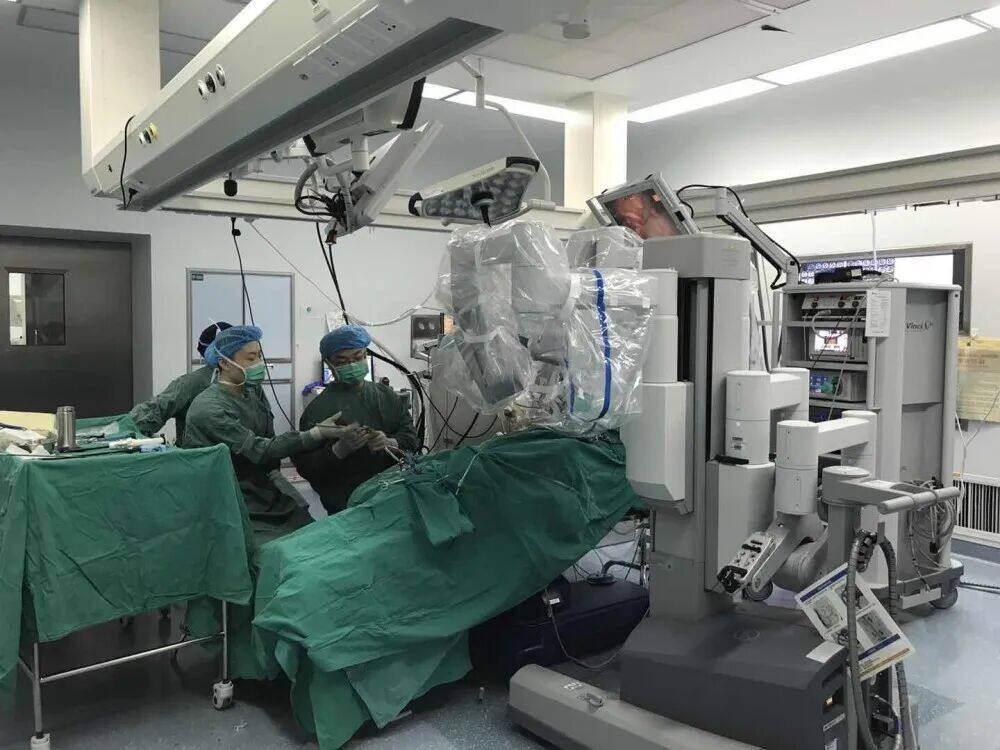
In January 2024, Philips announced that it would cease sales of key products in its respiratory business line, including medical ventilators and home ventilators, in the U.S. market.
The prospectus of BMC Medical once showed that the global market share of home non-invasive ventilators is mainly concentrated in foreign-funded leading companies. ResMed and Philips are the global industry leaders, accounting for nearly 80% of the market share in 2020. Among them, ResMed ranked first with approximately 40.3% of the global market share, while Philips ranked second with a share of about 37.8%.
As industry giants exit the market, the competitive landscape in regional markets will be reshaped, and Chinese medical device manufacturers may have the opportunity to further expand their overseas market share.
Public information from YHJY shows that from 2019 to 2021, the company's overseas market revenue accounted for 62%, 45%, and 70% respectively, contributing to the majority of the company’s income. Due to a competitor's product recall incident, demand for products in the U.S. market has further increased, with orders continuing to grow.
Mindray Medical also stated in its financial report, "Mindray's future battlefield is far beyond China, and the future of China's medical device industry should not be limited to China." Overseas, Mindray Medical noted that due to the improvement in product competitiveness, its life information and support businesses, including patient monitors and ventilators, are accelerating penetration into high-end customer groups.