Straight to the Point: Targeted mRNA Delivery to Immune Cells for Improved Vaccine Design

GSK
Pharmaceutical R&D Manufacturer
 Introduction:With the understanding of adaptive immunity at the cellular and molecular levels, targeting antigens to immune cells has proven to be a successful strategy for developing innovative and potent vaccines, as it may enhance vaccine efficacy and/or modulate the quality of immune responses while reducing off-target effects. With the development of mRNA vaccines, several methods for targeting immune cells (dendritic cells, DCs), which are the most effective antigen-presenting cells, using nanoparticle delivery systems encapsulating mRNA have been explored in recent years.Antigen-presenting cells, as well as B cells and T cellsThe key medium of the epidemic is considered to be the ideal target for cell-specific antigen delivery.
So, how to design mRNA vaccine delivery systems to target immune cells? In November 2023, the GSK team published a review article in the journal Front Immunol:《Straight to the point: targeted mRNA-delivery to immune cells for improved vaccine design》The article summarizes the potential specific targets for mRNA targeted delivery to the immune system, categories of targeted receptor-ligands, and research progress in delivery systems.
1. Immunocyte Targeting
4、Modifiability: Can be rapidly modified to adjust half-life and immunogenicity characteristics for personalized treatment or urgent adaptation to emerging pathogens.
3. Antibody response to certain proteins (e.g., spike protein)Shorter persistence, requiring continuous administration of booster doses to maintain protection against infection.
mRNA Selective Targeting of Immune Cells Becomes Key Technology to Address Above Issues Due to Enhanced Immune Response, Reduced Vaccine Dosage, Prolonged Protection, and Minimized Off-Target Effects and Side Effects.And antigen-presenting cells (APCs), especially DCs, because they initiateThe unique ability of naive T cells to initiate adaptive immunity makes them a candidate cell for mRNA targeted delivery. Studies have shown that even at low antigen doses, DC targeting can enhance and accelerate specific antibody responses.
Targeting can be achieved by using ligands that specifically interact with receptors on the surface of specific cells. The involvement of different receptors can influence the type of immune response induced, thereby achieving specific outcomes. DCs can express a variety of receptors for targeted vaccine delivery, including C-type lectin receptors (CLRs), Toll-like receptors, scavenger receptors, chemokine receptors, complement receptors, and Fc receptors, among others. DC targeting not only enhances the efficacy of mRNA vaccines but also broadens the range of pathogens they can act against. In addition to DC subsets, other cell types involved in immune responses, such as macrophages, can also serve as targets.
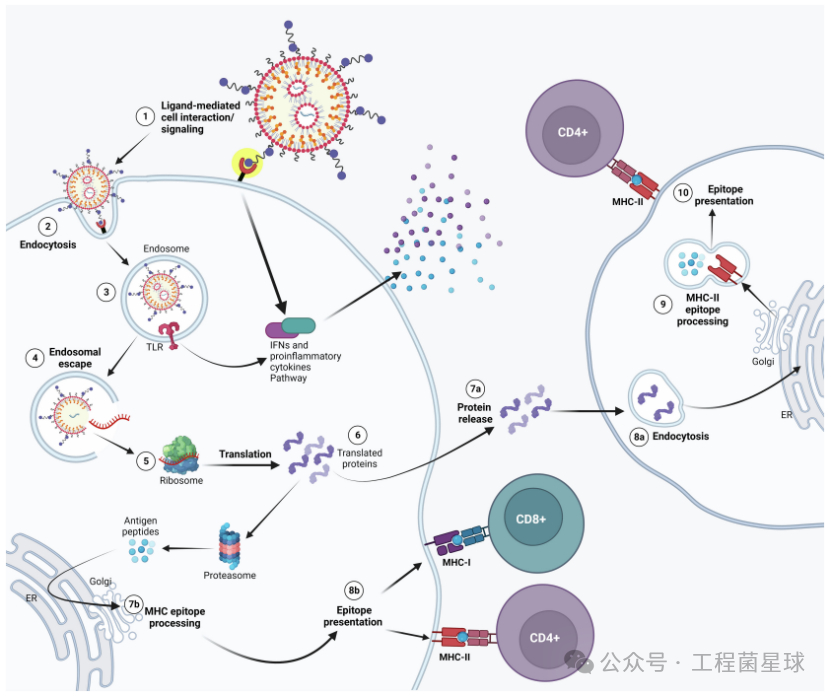
Figure 1. Mechanism of APC-targeted LNP-mRNA action
2. Target Cells
The table below compares various antigen-presenting cells (APCs) in terms of origin, distribution, characteristics/functions, and other aspects:
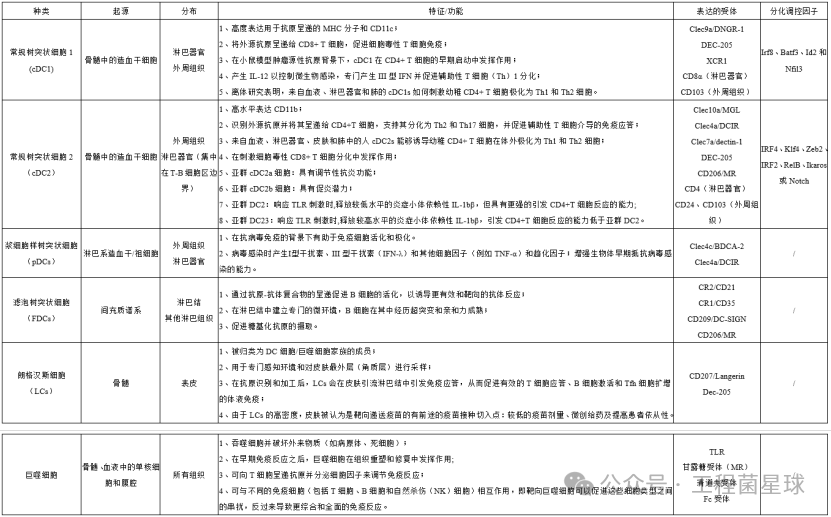
Each type of APC has its advantages and limitations: compared with pDCs, cDCs are more efficient in antigen presentation and T-cell activation; compared with macrophages, DCs have a stronger ability to initiate antigen-specific immune responses due to their superior antigen presentation and capacity to migrate from peripheral tissues to lymph nodes, making them more advantageous for targeted delivery. The final choice of which APC to target also depends on the characteristics of the pathogen or antigen to be targeted. A combination of multiple APCs (such as DCs and macrophages) can trigger synergistic effects and elicit a stronger and more versatile immune response.
3. Target Receptor
3.1 C-type Lectins (CLRs) Receptors
3.1.1 General Properties of CLRs
CLRs are a superfamily composed of more than 1,000 proteins. They are highly expressed on the surface of various immune cells, including DCs, macrophages, and neutrophils, and play roles in recognizing self and non-self antigens, internalization, antigen processing, initiating immune responses, and regulating interactions between immune cells, making them targets for targeted antigens and mRNA delivery:
CLRs possess a conserved structural motif—the carbohydrate recognition domain (CRD)—which recognizes pathogen (virus, bacteria, and fungi)-associated carbohydrate structures through interactions with conserved calcium-chelating binding sites, promoting recognition and phagocytosis. CLR signaling can be divided into two groups: The first group transduces intracellular signals via an immunoreceptor tyrosine-based activation motif (ITAM)-like motif (Clec-2, Dectin-1) or by binding to FcRγ adaptor molecules carrying ITAMs (Dectin-2, Mincle, BDCA-2). After phosphorylation, the ITAM motif recruits and activates Syk, which induces the transcription of pro-inflammatory cytokines by activating subunits of the NF-kB transcription factor complex. The second group of CLRs has an immunoreceptor tyrosine-based inhibitory motif (ITIM) at their cytoplasmic tail (e.g., MICL).
The mannose receptor (CD206, MR) is an endocytic receptor expressed by macrophages and DCs, mediating the cross-presentation of soluble ligands of mannans (from simple mannose to advanced mannan structures), fucose, and sulfated LacdiNAc. These characteristics make mannose-based targeting one of the most common CLR-targeting strategies. In 2006, White et al. used mannosylated liposomes in an in vitro model to enhance the uptake of OVA by monocyte-derived DCs (moDCs). Numerous reports indicate that mannose-based strategies increase the internalization and transfection of mRNA vaccines in immune cells through receptor-mediated mechanisms. The first clinical trial of an MR-targeted cancer vaccine was reported in 2011, but the clinical activity of MR-targeted mRNA vaccines remains unclear.
6、hDCIR(Clec4a): Present on CD14+ monocytes, CD15+ granulocytes, all DC subsets (including pDCs), and B cells in peripheral blood; not found in T cells. Using antibodies to target antigens to DCIR can enhance cross-presentation by LCs, blood mDCs, and pDCs, and augment CD8+ T cell activation in human cells in vitro.
3.2 For mRNATargeted DeliveryOther receptors
2、X-C Motif Chemokine Receptor 1 (XCR1): A chemokine receptor that recognizes XCL1, selectively expressed on cDC1. Fossum et al. studied Clec9a, DEC-205, and XCR-1 as targets by injecting DNA vaccines encoding single-chain variable fragments (scVf) fused with antigens into mice. They found that targeting XCR-1 enhanced IFN-γ+CD8+ T cell responses in the spleen and lungs, with stronger cytotoxicity. Although both Clec9a and XCR1 are cDC1-specific, they led to different outcomes, indicating that not only the cell subtype but also the receptor itself determines the outcome and efficacy of targeting.
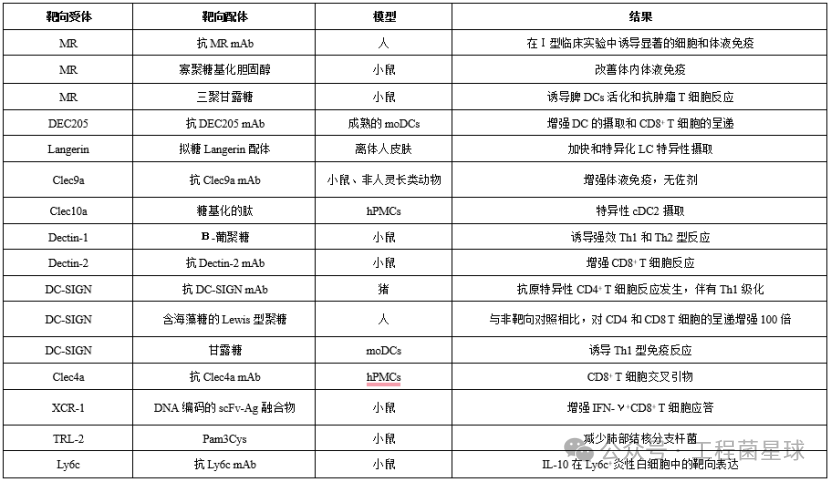
4. Nanoparticles as Targeted mRNA Delivery Carriers
mRNA is combined with carriers to protect it from degradation and achieve intracellular delivery. Current delivery systems are simply divided into viral and non-viral vectors. Viral vectors utilize their naturally evolved ability to efficiently transfer genetic material into cells, achieving high translation efficiency, but their inherent tropism does not always meet therapeutic needs, and the induced immune response can translate into reactogenicity that compromises treatment efficacy. Currently, nanoparticles (especially lipid nanoparticles, LNPs) are the preferred non-viral vectors, offering the possibility of customizing their properties to optimize their performance as transfection agents. Lipid nanoparticles (LNPs) have evolved from liposomes and lipid complexes into more effective mRNA carriers, giving rise to ionizable lipids, which have the following advantages:
1. Ionizable lipids are positively charged at acidic pH and neutral at physiological pH, which significantly improves the inherent drawbacks of permanently cationic lipids, such as poor tolerability and cytotoxicity.
2. After ionizable lipids are acidified in endosomes, the amine groups are protonated and promote chloride ion transport to balance membrane charge and osmotic pressure until the membrane is disrupted and genetic material is delivered into the cytosol.
3. By increasing the unsaturation of the hydrophobic tails of ionizable lipids and adjusting their pKa, endosomal escape can be enhanced, thereby strengthening vaccine efficacy;
4. Ionizable lipids can achieve high-rate mRNA encapsulation. Due to the low pH of the aqueous phase during production, ionizable lipids are positively charged, thereby promoting interaction with the negatively charged mRNA backbone.
Another component of LNPs is pegylated lipids, which are formed by the conjugation of hydrophilic PEG polymers with hydrophobic lipids. Pegylated lipids can prevent opsonin binding, increase LNP circulation time, and prevent particle fusion. By altering the anchor length of PEG lipids, their shedding rate from the LNP surface can be adjusted, which is crucial for promoting cellular uptake and endosomal escape. Additionally, phospholipids and cholesterol in LNPs help encapsulate mRNA and enhance stability.
Modifying the lipid components and/or ratios of LNPs to achieve their preferential accumulation in specific organs, Goswami et al. demonstrated that mannosylated cholesterol can enhance the internalization and potency of an anti-RSV self-amplifying mRNA vaccine (SAM). Examples of MR-targeted siRNA (ligand directly conjugated to siRNA or siRNA encapsulated particles) have also been reported.
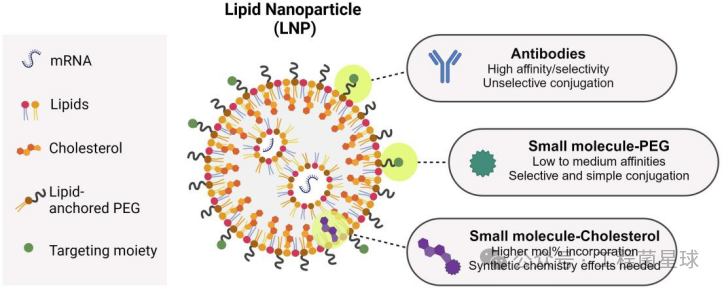
Figure 2 LNP Structure, Composition, and Targeting Ligand Incorporation Strategies
5. Conclusion
Targeting specific receptors on innate immune-related cells can elicit a stronger and more durable immune response tailored to vaccines. A combined targeting strategy for different subsets of innate immune cells is even more promising, as they play unique and central roles in the immune response. For example, macrophages drive inflammatory responses, while dendritic cells play a crucial role in antigen presentation to T cells; simultaneously targeting both cell types may help initiate an improved antigen-specific immune response.
Further research is needed to identify potential common key receptors in different cell types or to formulate LNPs with combinations of multiple targeting ligands.
For the development of RNA delivery vectors, it is necessary to consider the compatibility of components during the formulation process, as well as the need to maintain effective endosomal escape and adequate multivalent ligand presentation.
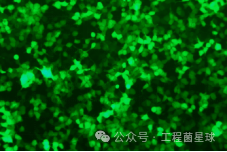

eGFP mRNA and mCherry mRNA Achieve High Expression in 293T Cells
References
[1] Clemente B, Denis M, Silveira CP, Schiavetti F, Brazzoli M, Stranges D. Straight to the point: targeted mRNA-delivery to immune cells for improved vaccine design. Front Immunol. 2023 Nov 27;14:1294929. doi: 10.3389/fimmu.2023.1294929.