

SanegeneBio's C3-Targeting RNAi Therapeutic SGB-9768 Enters Phase I Clinical Trial in New Zealand, Challenging the Complement C3 'Blue Ocean'

SANEGENEBIO
Small Nucleic Acid Drug Developer


丨Compiled by the Drug Hunter Club Research Team
On February 26, 2024, SANEGENEBIO announced that its self-developed siRNA drug SGB-9768 for the treatment of complement-related diseases has recently been approved by New Zealand's Medicines and Medical Devices Safety Authority (Medsafe) and the Health and Disability Ethics Committee (HDEC) to conduct Phase I clinical trials in New Zealand. SGB-9768 is an RNAi therapy targeting Complement 3 (C3) protein and is the second siRNA drug from SANEGENEBIO to enter the clinical trial stage.

1
The complement system is an important component of innate immunity, playing a regulatory role in adaptive immune responses as well as functions in immune surveillance and maintaining tissue homeostasis. The complement system performs essential immune and physiological roles in the human body; however, abnormal complement regulation or excessive activation can induce inflammation and damage self-tissues, causing immune injury. It is closely related to the occurrence and development of diseases in fields such as hematology, ophthalmology, and nephrology, including age-related macular degeneration (AMD), paroxysmal nocturnal hemoglobinuria (PNH), generalized myasthenia gravis (gMG), atypical hemolytic uremic syndrome (aHUS), C3 glomerulopathy (C3G), IgA nephropathy (IgAN), and thrombotic microangiopathy (TMAs), among other immune-related diseases.
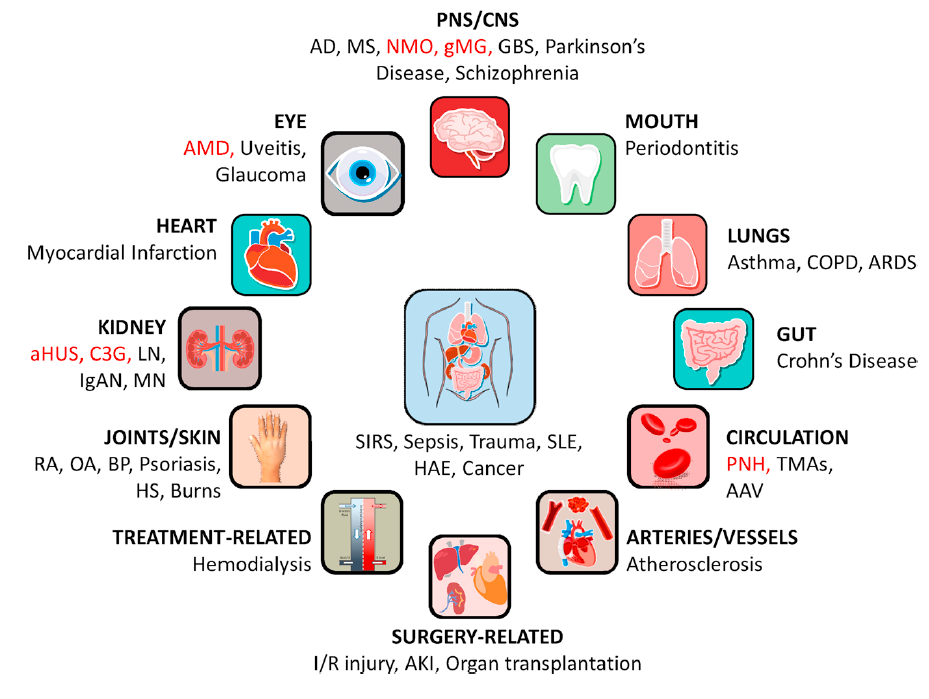
Common Complement-Driven Diseases
The complement system consists of more than 30 soluble proteins, membrane-bound proteins, and complement receptor components.Among them, the content of complement C3 is the highest, and it is a common member of all complement activation pathways., mainly synthesized by hepatocytes and macrophages, participates in the classical and alternative complement activation pathways through activation and cleavage, thereby mediating the complement cascade.
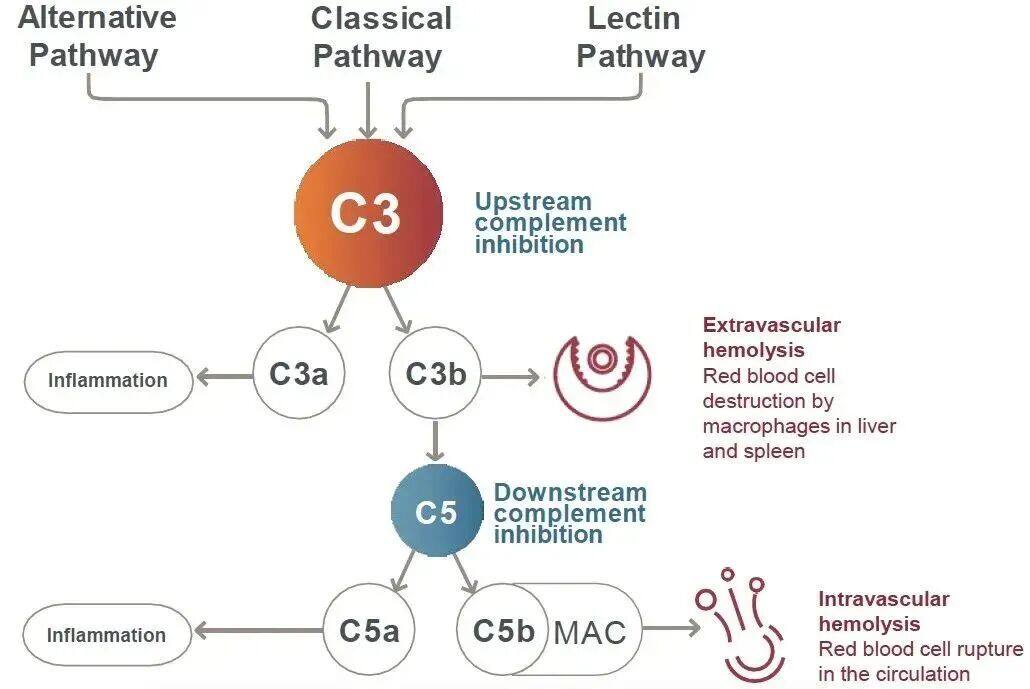
Given the complexity of the complement system and its involvement in the pathogenesis of many diseases, including various rare conditions, the difficulty of research and development is relatively high. Currently, only a few rare diseases have seen successful developments, leaving a significant gap in R&D. Among them,Targeting the C3 target, currently, there is only one drug approved globally, which was launched in 2021.Pegcetacoplan, used for treatmentParoxysmal Nocturnal Hemoglobinuria (PNH) andSecondary geographic atrophy associated with age-related macular degeneration (AMD)。
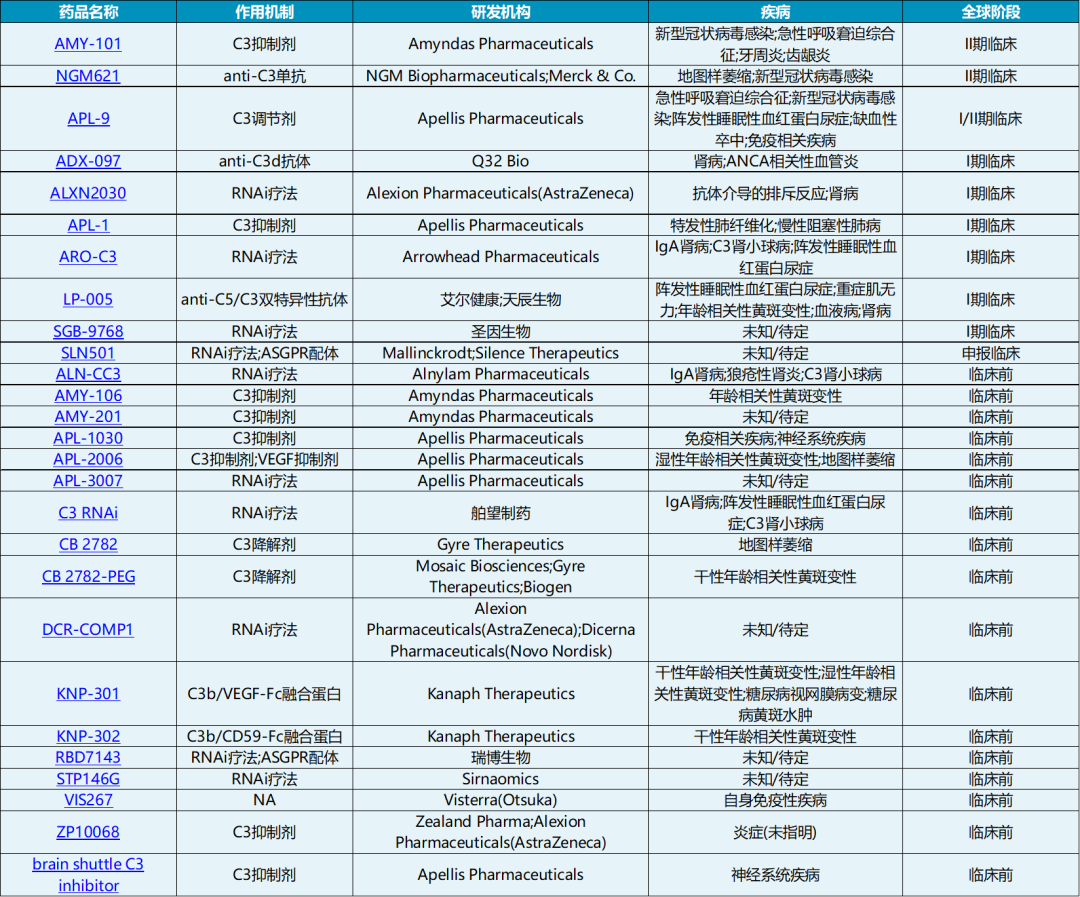
According to the PharmCube database,ForThe huge unmet clinical needs in this field, global clinicalThere are nearly 30 C3-targeting drugs under research, with a highly diversified range of types, including peptides, fusion proteins, siRNA (e.g., ARO-C3), bispecific antibodies (e.g., LP-005), and small molecule drugs (e.g., APL-1030).
Among them, the 9 drugs that have entered the clinical stageIn China, the fastest progressing one is aNovel Peptide Complement InhibitorAMY-101(Amyndas Pharmaceuticals), andAn anti-C3 monoclonal antibodyNGM621 (NGM Biopharmaceuticals, MSD), have all entered phase 2 clinical trials.
2
PegcetacoplanIt is a synthetic cyclic peptide developed by Apellis that provides comprehensive control of the complement cascade by targeting C3. The first indication, paroxysmal nocturnal hemoglobinuria (PNH), was approved by the FDA in May 2021 under the trade name Empaveli, as the first approved complement C3 inhibitor. The second indication for PNH, age-related macular degeneration (AMD)-related secondary geographic atrophy, received FDA approval in February this year under the trade name Syfovre.
As the first C3-targeted therapy approved by the FDA for the treatment of PNH, and also the world's first approved drug for treating geographic atrophy of the macula,PegcetacoplanWere highly anticipated at the time of listing,It has also successfully made it to the list of ten major blockbuster new drugs predicted by market research firm Evaluate Vantage at the beginning of 2023.
However,Severe blindness-causing side effect incidents have poured cold water over the situation.
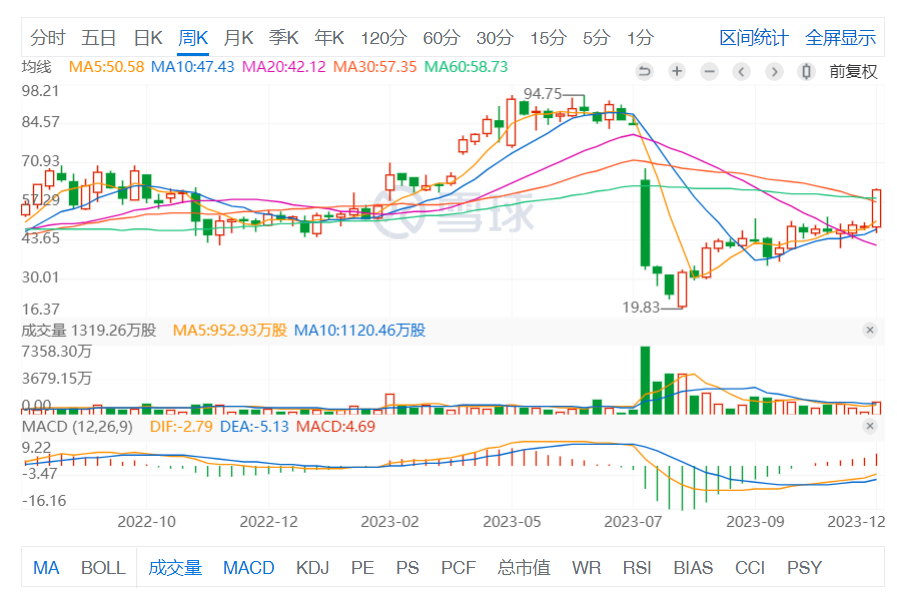
In mid-to-late July 2023, the American Society of Retina Specialists(ASRS)The Safety Committee found that patients receiving Syfovre treatment had developed retinal vasculitis and issued a notification regarding this. Subsequently, Apellis confirmed seven rare but serious adverse events related to Syfovre. The side effect experienced by these seven patients was "retinal vasculitis," with four cases diagnosed as "occlusive," meaning the blood flow to the retina was blocked—a severe ocular inflammation that could potentially lead to blindness.Affected by this news, Apellis' stock price plummeted for five consecutive days starting from July 14, nearly halving.
On the other hand, the expansion of new indications for Pegcetacoplan has not been smooth.。In May 2023, Apellis/Sobi announced that they would discontinue the development of Pegcetacoplan for the indication of amyotrophic lateral sclerosis (ALS), as Pegcetacoplan failed to meet its primary endpoint and key secondary endpoints in a Phase II clinical study named MERIDIAN.
3
RNAi is a gene silencing phenomenon mediated by small interfering RNA through the RNA-induced silencing complex (RISC), which degrades target mRNA and inhibits its translation. Through this mechanism, RNAi can be used to silence specific target genes associated with diseases. Compared with traditional drugs, RNAi drugs have the advantages of long-lasting effects, high specificity, and minimal side effects.
This clinical trial was conducted bySGB-9768It is a siRNA-GalNAc conjugate targeting complement C3, utilizing SANEGENEBIO's unique and innovative technology.Next-Generation LEAD™ GalNAc TechnologyDelivered to liver cells to inhibit the synthesis of hepatic C3 through RNAi. The safety, efficacy, and stability of GalNAc-delivered siRNA drugs have been extensively validated by a large amount of data. SGB-9768 can achieve a dosing frequency of once every 3 or 6 months.With the advantages of lower treatment frequency, good patient compliance, and long-lasting efficacy, Preclinical trial data shows,SGB-9768 can effectively and continuously reduce C3 synthesis, demonstrating superior efficacy compared to competitors, with the potential to become a best-in-class drug.。
Some of China's leading small nucleic acid companies also place great importance on C3 complement-targeting drugs. In addition to SANEGENEBIO, Bowang Pharmaceutical and Ribo Biotech, which announced significant BD deals earlier this year, have also entered this field, with both currently in the preclinical stage.
RNAi Drugs Targeting Complement C3 in Global Research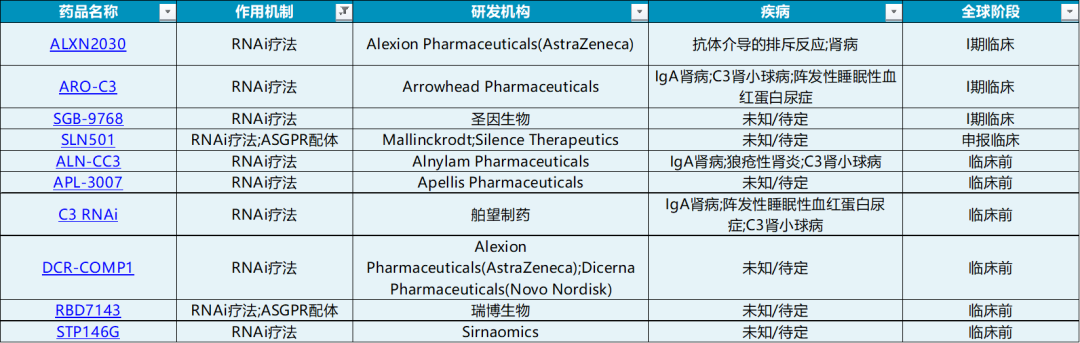
4
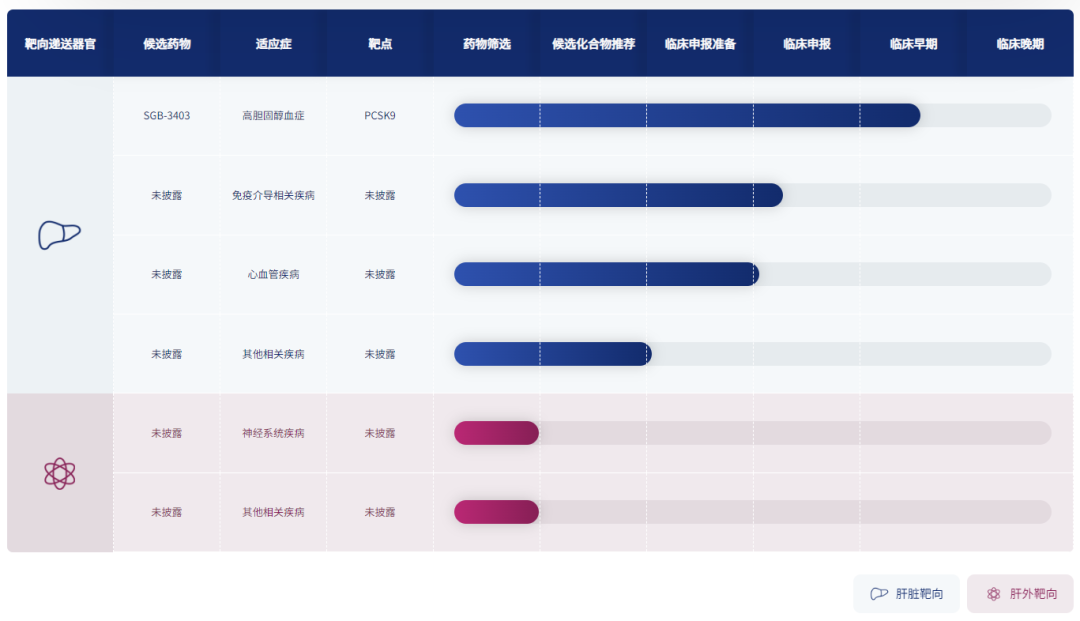
SANEGENEBIO has established a robust small nucleic acid drug development platform with independent intellectual property rights.LEAD™ (Ligand and Enhancer Assisted Delivery) Platform, Through innovative design in three key modules—tissue-specific delivery ligands, delivery enhancers, and optimized chemical modifications—SANEGENEBIO builds a powerful engine for the company’s RNAi drug development to overcome multiple barriers in RNAi drug development. The LEAD™ platform enables highly efficient design, screening, identification, and development of novel RNAi molecules with enhanced drug tissue distribution, significant efficacy, and high safety. The innovative technology of the LEAD™ platform expands the therapeutic scope of RNAi therapies from liver tissue to tissues beyond the liver and can target multiple extrahepatic disease treatment sites, fully unlocking the application potential of RNAi technology and fulfilling unmet medical needs in various disease areas.
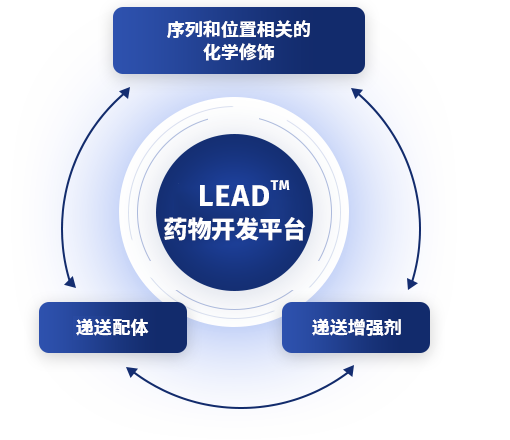
In terms of financing, SANEGENEBIO has accumulatedOver 130 Million USDSANEGENEBIO Completes $80 Million Series A+ Financing Round in December 2023. This round was led by Tencent Investment and Oriza Ventures, with participation from Northern Light Venture Capital, C&D Emerging Capital, Oriza Holdings, Shanghai Biomedical Industry Fund, Shenzhen Capital Group, and Teda Science & Technology Investment, while existing investors Qiming Venture Partners, Yahu Investment, K2VC, TF Capital, and Lingang Blue Bay Capital continued their support. In previous financing rounds, SANEGENEBIO received backing from prominent investment firms such as K2VC, GL Ventures (Hillhouse), Qiming Venture Partners, TF Capital, Yahu Investment, Lingang Blue Bay Capital, and Lanhu Capital.
In terms of collaboration deals, SANEGENEBIO was undoubtedly the hottest biotech at the end of 2023.
On November 9, SANEGENEBIO reached a strategic cooperation with Hangzhou Zhongmei Huadong Pharmaceutical Co., Ltd., a wholly-owned subsidiary of Huadong Medicine, with the target undisclosed.
On December 27, SANEGENEBIO and Innovent Biologics reached a strategic cooperation agreement to jointly develop the siRNA candidate drug SGB-3908 targeting Angiotensinogen (AGT) for the treatment of hypertension.
Featured Article Recommendations


Disclaimer
1. All information provided by the "Drug Hunter Club" is for reference only and should not be used as a basis for any commercial transactions or medical services. If any deviation occurs from the self-use of the "Drug Hunter Club" content, our company assumes no responsibility, including but not limited to legal liability and compensation.
2. "Drug Hunter Club" is committed to providing reasonable, accurate, and complete information, but does not guarantee the reasonableness, accuracy, or completeness of the information, and shall not be liable for any loss or damage caused by unreasonable, inaccurate, or omitted information.
3. Some article information in the "Drug Hunter Club" is sourced from online reprints with the purpose of conveying more information, and does not imply endorsement of the views or confirmation of the authenticity of the content. If you have any questions about the content, please contact our company in a timely manner.
4. For issues not covered in this statement, please refer to relevant national laws and regulations. In case of any conflict between this statement and national laws and regulations, the latter shall prevail.


"Views"Click 1