

CirCode Biomed Announces Feasibility Study Collaboration with BMS on Circular RNA Technology Following Prior Deal with Pfizer

Bristol-Myers Squibb
Biopharmaceutical and Nutritional Product R&D and Sales

Welcome to follow Asymchem Pharma News

February 29, 2024CirCode Announces Feasibility Research Collaboration with Bristol-Myers Squibb (“BMS”) to Explore the Feasibility of Applying Circular RNA Technology in a Certain Therapeutic Area. This collaboration will fully leverage CirCode's proprietary circular RNA technology platform and Bristol-Myers Squibb's extensive expertise and积累 in the pharmaceutical field, deepening the understanding of circular RNA technology drug translation within the industry.
This isFollowing the R&D cooperation agreement reached with Pfizer in July 2023Afterward, another collaboration between CirCode and MNC!
As early as August 2022,Merck once reached a research and development cooperation agreement with Orna, combining Merck's significant expertise in nucleic acid biology, clinical development, and manufacturing with Orna's compelling circular RNA technology to explore the development of next-generation vaccines and therapies;Potential deal amount could reach up to $3.75 billion。
I. About CirCode
CirCode is an innovative biotechnology company focused on the development of circular RNA nucleic acid drugs. Utilizing its self-developed circular RNA technology platform, it specializes in developing therapeutic drugs and vaccines to address unmet medical needs.
(1) Technology Platform
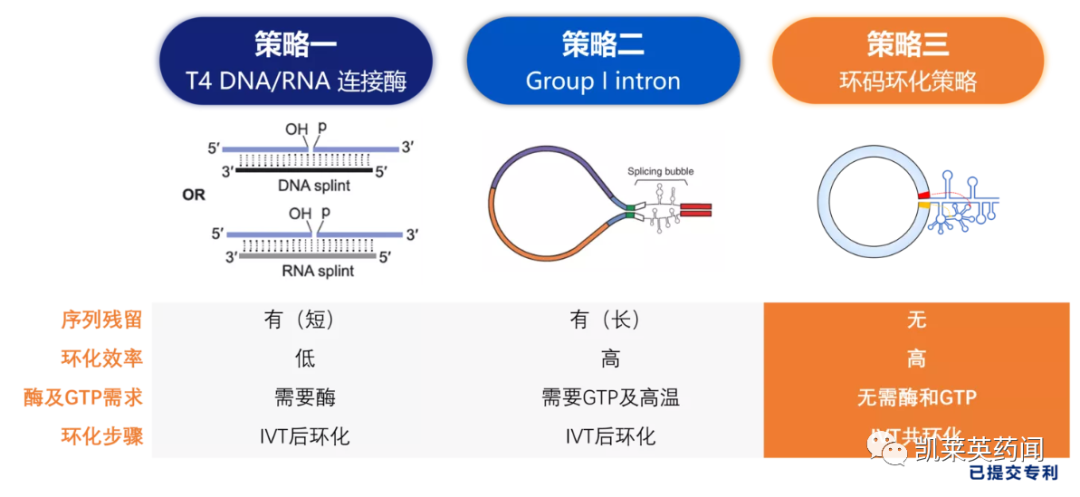
1. Nucleic Acid Technology Platform:
Owns independently developed patents. This patented technology is based on the activity of Type II intron self-splicing ribozymes, which can cyclize any RNA in vitro. The technology features no sequence residue, uniform cyclization products, high cyclization efficiency, and mild reaction conditions, making it suitable for industrial scale-up.
Circular RNA has a natural advantage in its form, as it is not easily recognized by the body's RNA degradation system, making it more stable than mRNA in the body and providing a longer therapeutic time window. Additionally, circular RNA has very low immunogenicity, which means there is no need to use modified bases to increase the drug tolerance dose. The translation initiation of circular RNA differs from the mRNA system, as it does not require a 5' cap structure or a 3' polyadenylate tail. It can initiate translation through specific translational initiation elements in a tissue- or cell-specific manner, allowing for better specificity of drug expression and reduced side effects.
2. Sequence Design Platform:
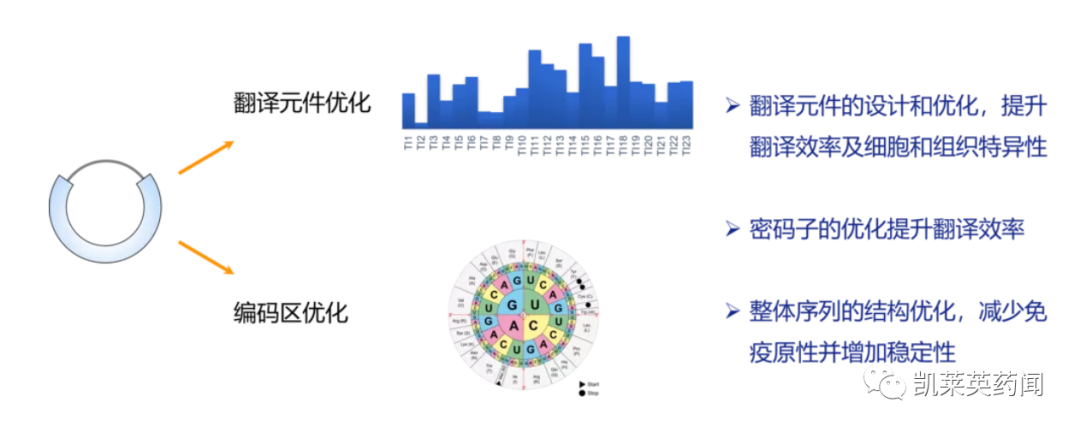
The translation initiation of circular RNA differs from that of mRNA, utilizing specific translation initiation elements to initiate translation in a cap-independent manner. Typically, the activity of these translation initiation elements is weaker than the 5' cap structure of mRNA, but they possess certain cell and tissue specificity.
CirCode has established a high-throughput screening system based on circular RNA, which can efficiently screen translation initiation elements. Currently, it has completed the screening of millions of sequences and obtained a large number of translation initiation elements. Based on this, a sequence design optimization platform for circular RNA has been built using computational biology methods. This platform can design and optimize translation initiation elements and coding region sequences to achieve efficient translation of circular RNA.
(II) Financing Situation
Currently, the company has completed multiple rounds of financing, and according to PharmaCube estimates, the company's market value is approximately $1.804 billion.
In June 2021, completed angel round financing of nearly ten million US dollars
In June 2021, completed Pre-A round financing of over 20 million US dollars
In August 2023, completed Series A financing of approximately tens of millions of US dollars
(III) R&D Pipeline
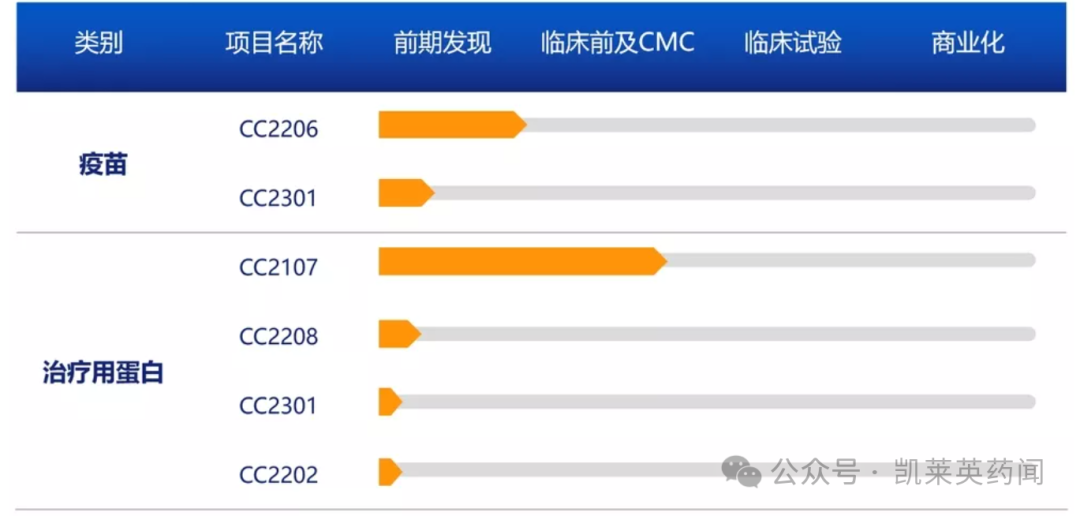
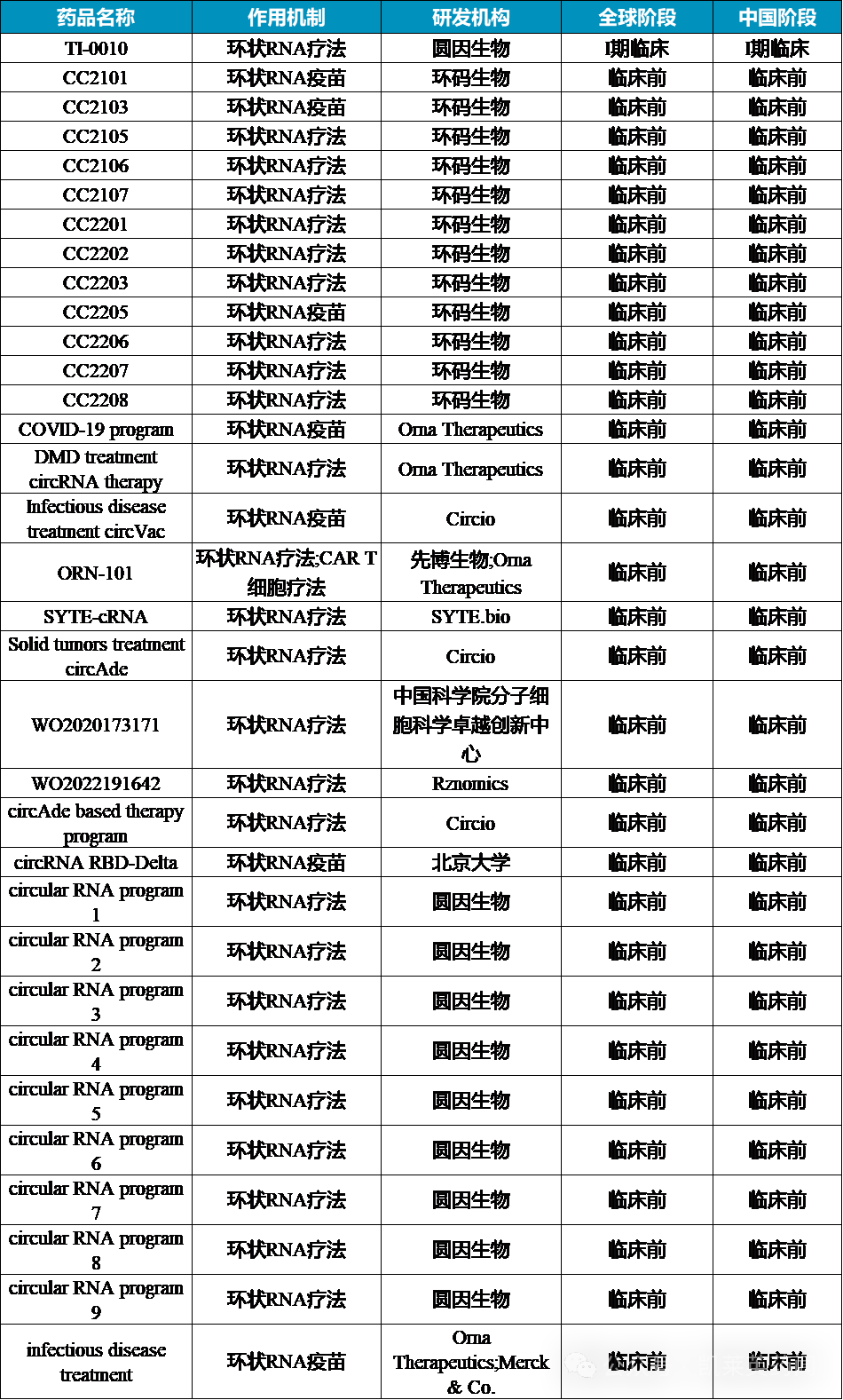
According to incomplete statistics, the company's official website disclosed six key research drugs, all of which are in the preclinical stage.
II. About Circular RNA
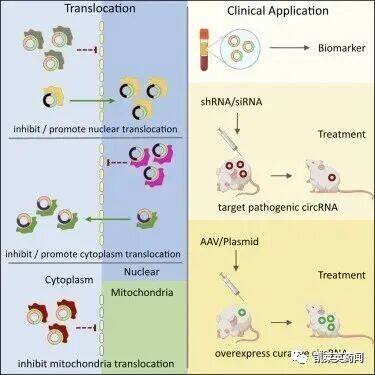
Circular RNA is a closed circular molecule, which, as a special type of non-coding RNA, can exist independently without relying on proteins and is unaffected by exonucleases due to its unique structural characteristics. It is widely present in animal and plant cells and regulates gene expression.
Circular RNA was first discovered in 1976 by the Sanger team while studying viroid RNAs. In 1991, Nigro et al. accidentally discovered an unusual new type of RNA product. Due to the low abundance expression of circular RNA and limitations in detection technology, circular RNA was initially considered an abnormal product of RNA splicing and was overlooked. In recent years, with the increasing maturity of high-throughput sequencing technology, more and more circular RNAs have become a focus of research.
To date, more than 30,000 circular RNAs have been discovered and validated in mice, fruit flies, mammals, and human fibroblasts.
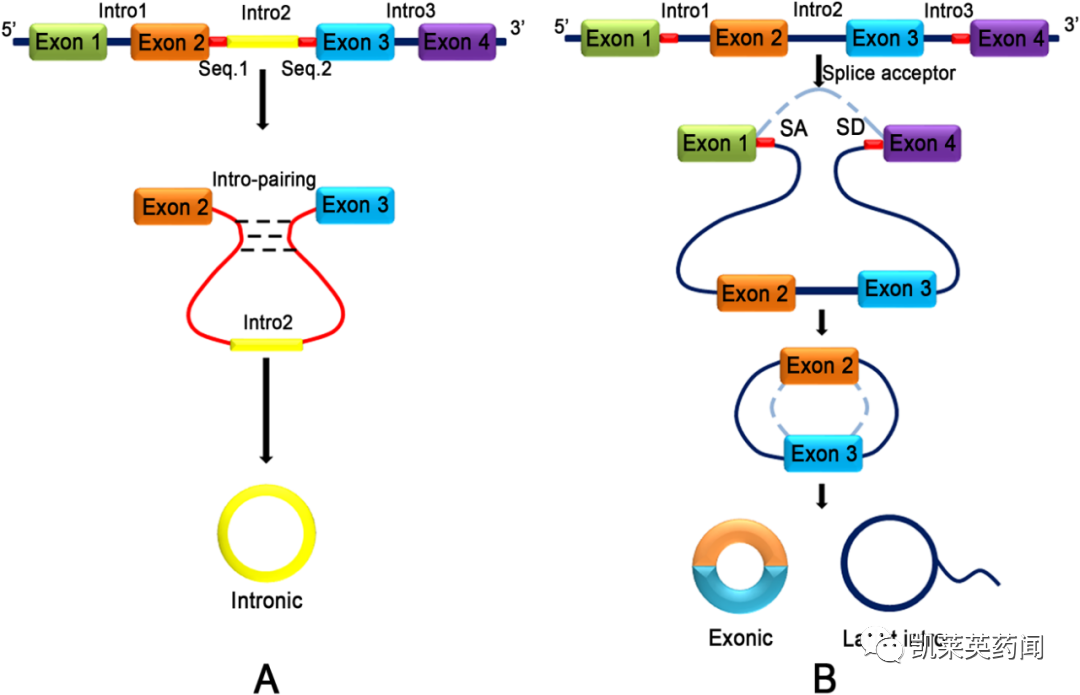
Circular RNA can be divided into four categories according to the mechanism of production: exonic circRNA, intronic circRNA, exon-intron circRNA, and intergenic circRNA. Compared with linear RNA, circular RNA has significant characteristics, making it a valuable potential biomarker or therapeutic target in clinical settings.
Its advantages include:
(1) High Stability:circRNAs have a closed-loop structure, are resistant to RNase R digestion, and exhibit higher stability than linear RNAs.
(2) High specificity:The expression of circRNAs is tissue-specific and stage-specific in disease progression.
(3) High conservation:Most circRNAs are conserved in sequence across different species.
However, more research is needed on the biogenesis mechanisms and characteristics of circular RNAs to uncover their potential roles in key physiological processes.
According to incomplete statistics,Currently disclosed cyclicRNADrug Overdose30More than 10 varieties; only TI-0010 from China's CirCode has been approved for clinical trials.
References
1. Company Official Website
2. Frontiers in Cell and Gene Therapy



"Under Observation"Click once