

Genentech Unveils Mechanism of Action for PD-L1 and TIGIT Combination Therapy in Nature

Genentech
Pharmaceutical R&D Manufacturer
Atezolizumab (atezolizumab) is aPD-L1Targeted monoclonal antibody, approved for metastatic non-small cell lung cancer (whose tumors have highPD-L1Expression) as a first-line monotherapy for patients and as a resectionII-IIIAPeriodNSCLC78Adjuvant treatment for patients.
TiragolumabIs a substance with activityIgG1κFcAnti-TIGITAntibody,AndTIGITBinding and preventing it from interacting with high-affinity ligandsPVRAnd its receptor antagonistCD22616Combination. InCITYSCAPERandom2In the research period, evaluate the front-lineTiragolumabUnitedatezolizumabAndatezolizimabMonotherapyPD-L1Positive (TPS>1%)NSCLCThe efficacy of patients. The results showed that the combination therapy demonstrated superior clinical benefits, among those receivingatezolizumabIn individuals treated with combination placebo,ORRFor31%, whereas in the intention-to-treat population, it was16%,PFSAndOSImproved.
In mouse models, the TIGIT and PD-1 pathways are mechanistically interdependent, and co-blockade of TIGIT and PD-L1 has been shown to synergistically elicit anti-tumor T cell responses.Several mechanisms of action for TIGIT-targeted therapy have been proposed, including Fc-independent receptor-ligand blockade, Fc-dependent depletion of Treg cells expressing TIGIT, and Fc-dependent modulation of myeloid cells. However, it remains unclear which of these mechanisms are relevant to the clinical blockade of TIGIT, and the functionality of the anti-TIGIT-Fc domain has been a subject of debate.
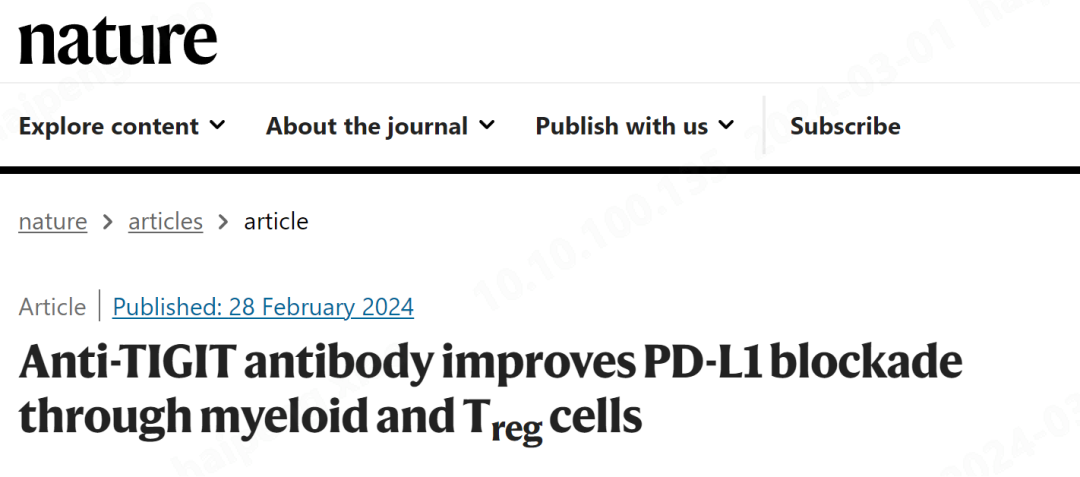
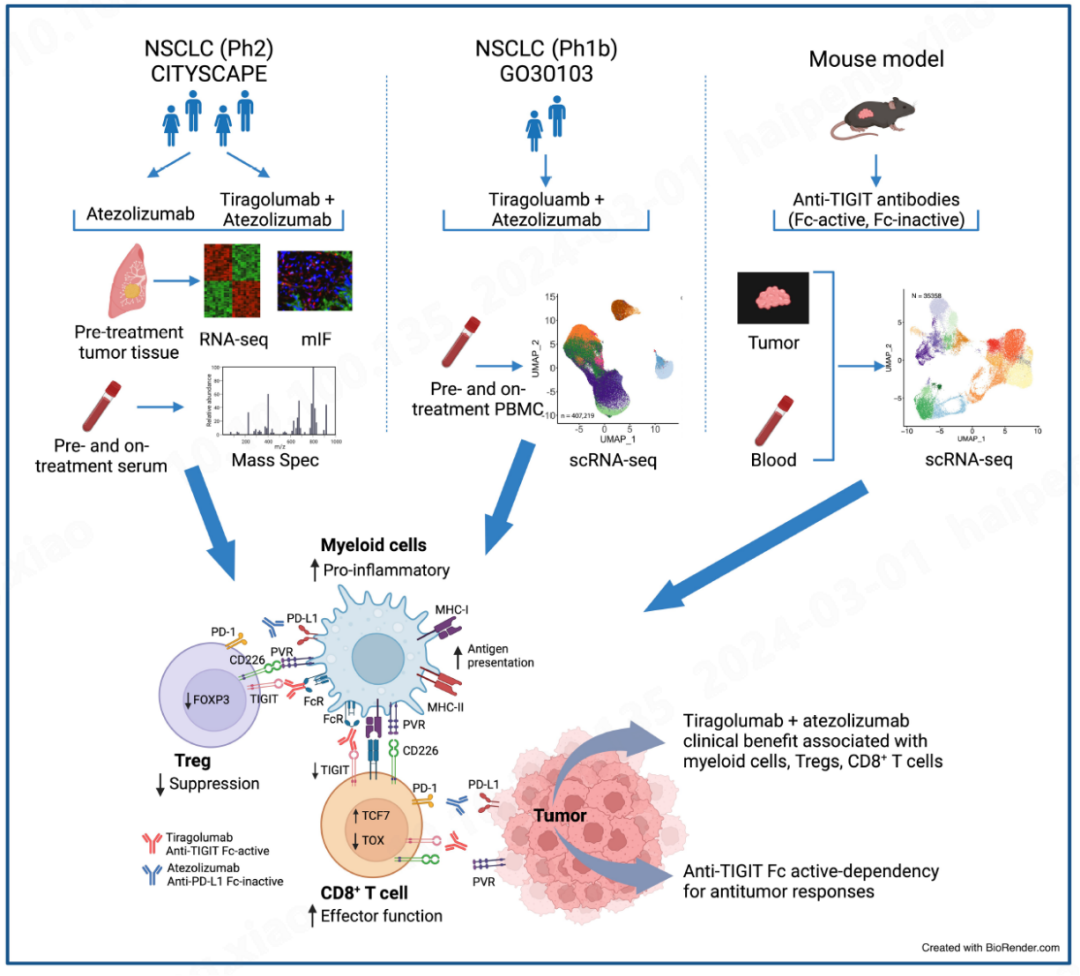
On February 28, 2024, researchers from Roche's Genentech published a research paper titled "Anti-TIGIT antibody improves PD-L1 blockade through myeloid and Treg cells" in the journal Nature.The study identified the mechanism of action of Tiragolumab and demonstrated the important role of Fc domain function in TIGIT antibodies through clinical biomarker analysis of the CITYSCAPE randomized Phase 2 study, combined with preclinical exploration.
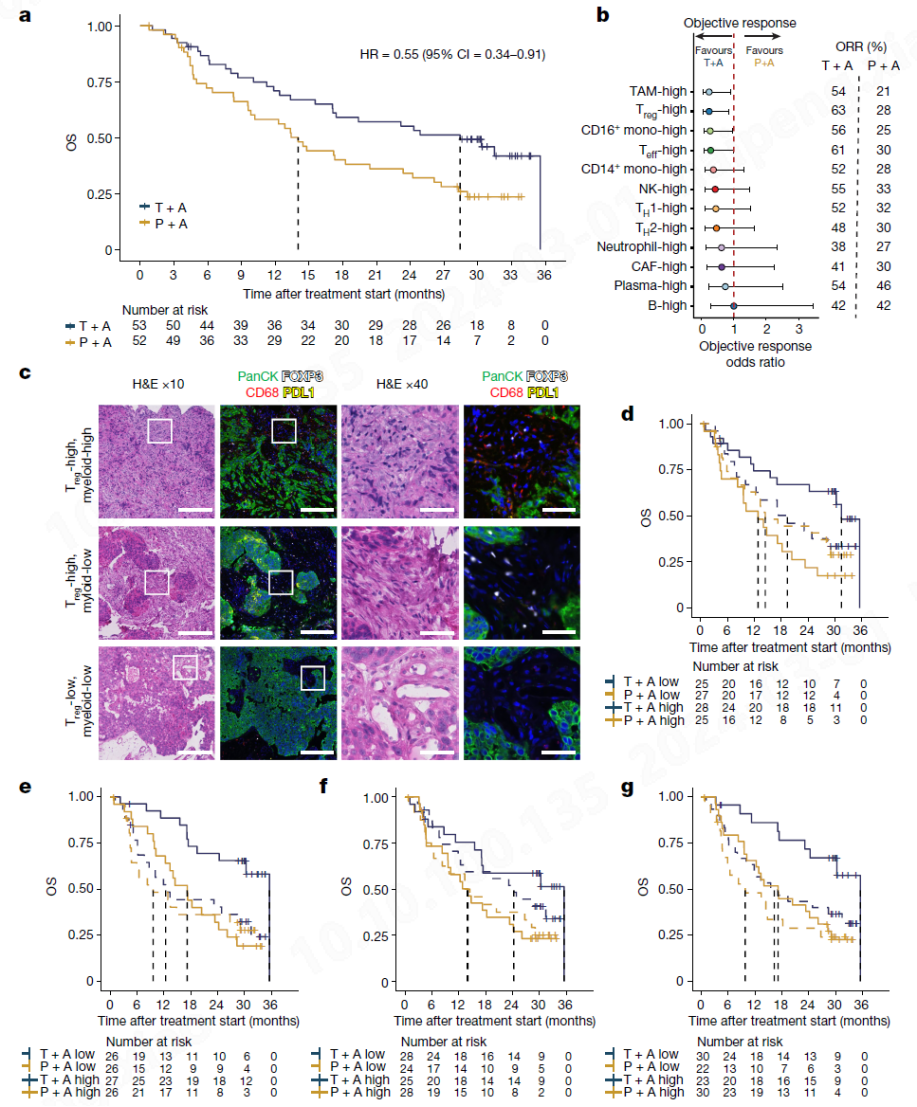
In the CITYSCAPE Phase 2 trial (NCT03563716), clinical outcomes improved when combined with atezolizumab compared to atezolizumab alone. Further research found that, compared to monotherapy,High baseline of intratumoral macrophages and regulatory T cells in combination therapy,And this result is associated with a better clinical response.
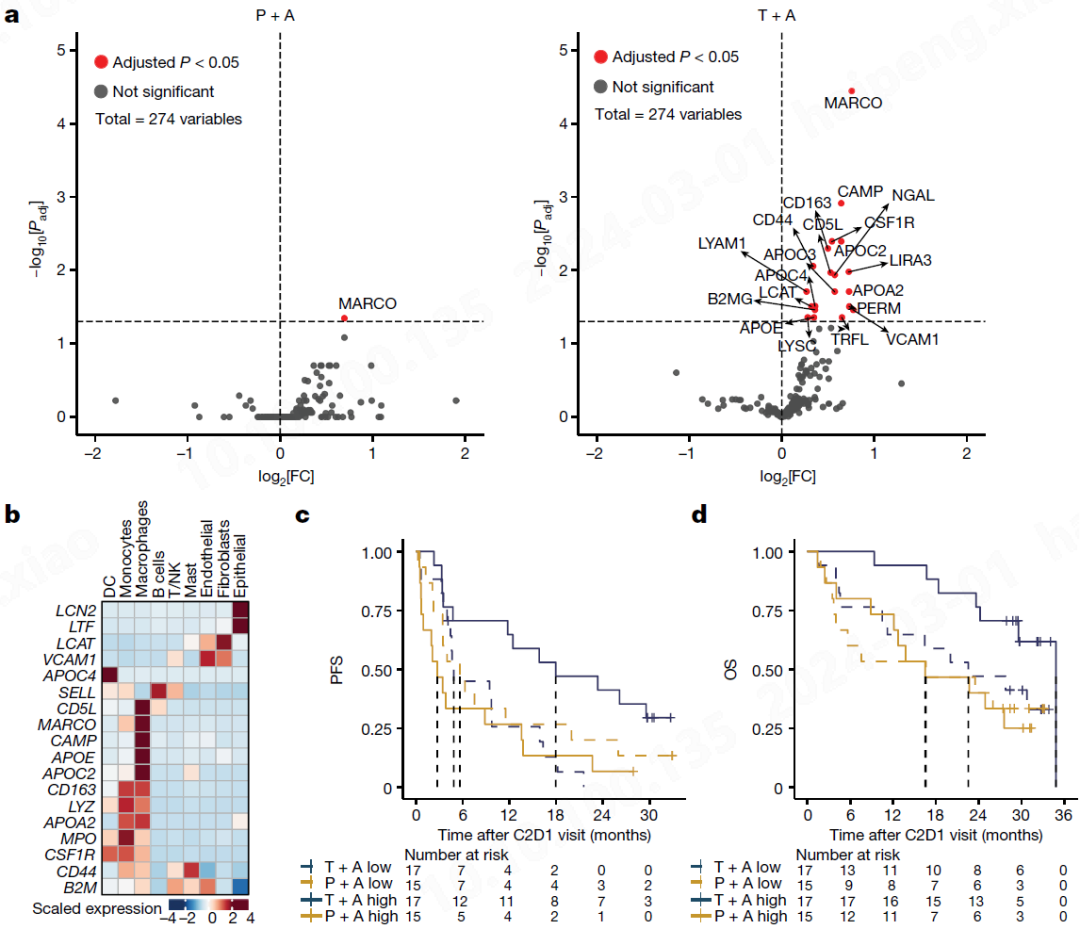
Serum sample analysis showed that patients receiving combination therapy had clinical benefits associated with myeloid cell activation, expressing more serum myeloid proteins.
In mouse tumor models,Tiragolumab Substitute Antibody Promotes Inflammation in Tumor-Associated Macrophages, Monocytes, and Dendritic Cells via Fcγ Receptors (FcγR), Driving Anti-Tumor CD8+ T Cells from an Exhausted Effector-Like State to a More Memory-Like State.
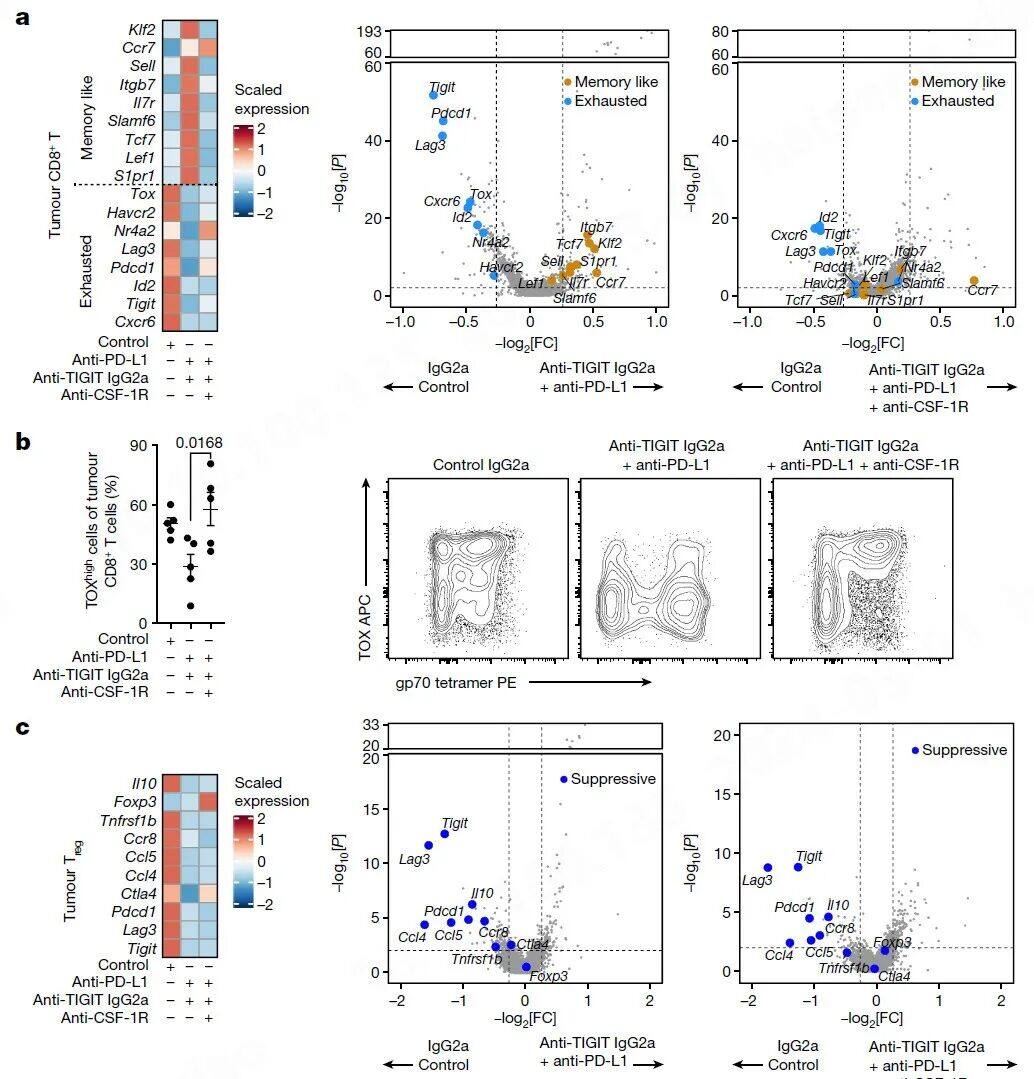
Results Reveal TIGITAntibodies can reshape the immunosuppressive tumor microenvironment, and indicate that FcγR engagement is an important consideration in the development of anti-TIGIT antibodies.
Thinking
Myeloid cells have a significant impact on the tumor microenvironment. The chemokines and cytokines they produce often determine the extent and composition of immune infiltration, and the regulation of myeloid cells has been shown to influence T-cell priming, activation, recruitment, survival, and fate decision.
It is worth noting that there are significant differences between mice and human macrophages as well as Fc-Fc receptor biology. Careful characterization of therapeutic effects in patients is required to further dissect the complex network of myeloid cell interactions and the mechanistic contributions of Fc-active TIGIT antibodies. The importance of FcγR engagement by TIGIT antibodies has been a uniquely controversial topic within the field of checkpoint inhibitors, with antibodies in clinical development spanning from Fc-silent to high Fc-active isotypes.This study reveals the positive role of FcγR in anti-TIGIT immunotherapy, suggesting that TIGIT antibodies capable of engaging FcγR may offer greater therapeutic benefits than those that cannot.
However, on March 30, 2022, Roche's Phase III SKYSCRAPER-02 clinical study data showed that tiragolumab in combination with atezolizumab plus chemotherapy (carboplatin and etoposide) as the initial (first-line) treatment for patients with extensive-stage small cell lung cancer (ES-SCLC) did not meet the co-primary endpoint of PFS. OS was also not reached in the interim data analysis and is unlikely to reach statistical significance. On May 11, 2022, the Phase III SKYSCRAPER-01 clinical trial studying PD-L1+TIGIT treatment as the first-line therapy for locally advanced or metastatic non-small cell lung cancer with high PD-L1 expression did not meet the co-primary endpoint of PFS, and the primary endpoint data for OS are not yet mature.The transformation and application of TIGIT have sparked significant controversy in the industry, and further in-depth understanding is required for future basic research and translational applications.
Reference:Guan, X., Hu, R., Choi, Y. et al. Anti-TIGIT antibody improves PD-L1 blockade through myeloid and Treg cells. Nature (2024). https://doi.org/10.1038/s41586-024-07121-9