

Weekly Summary of China's Innovative Drug INDs, NDAs, Approvals and Global Phase III Clinical Trials (Feb 26 – Mar 1)
Bayer
Pharmaceutical Product R&D Developer

Hengrui Pharma
Innovative and High-Quality Pharmaceutical Developer

BiolineRx
Cancer Drug Developer

Gloria Pharmaceuticals
Pharmaceutical R&D Developer

CanSinoBIO
Vaccine Developer

CARsgen Therapeutics
Developer of CAR-T Cell Immunotherapy Drugs

Welcome to follow Asymchem Pharma News
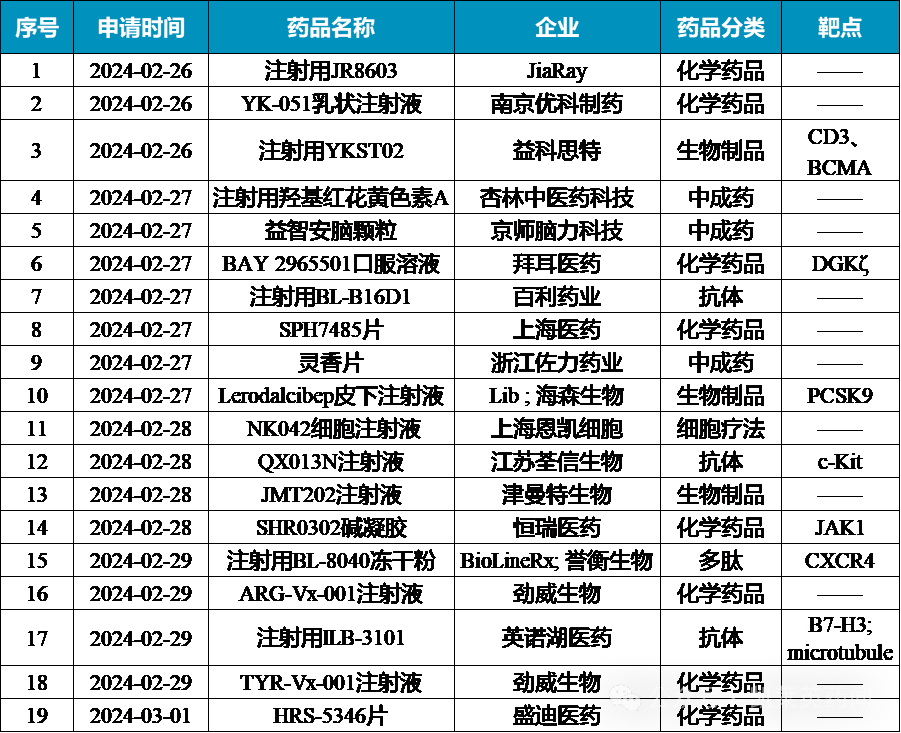
Collection Period: 2.26-3.1, the domestic portion includes innovative drugs for the first clinical application, first marketing application, and first marketing approval in China.
Summary of IND for Innovative Drugs in China
1. YKST02 for Injection (Developed by Chengdu Ren Heng Mei Guang Technology Co., Ltd.)
Mechanism of Action: Targeting CD3/BCMA Bispecific Antibody
Indications: Multiple Myeloma
On February 26, the clinical trial application for YKST02 injection by Chengdu Ren Heng Mei Guang Technology Co., Ltd. was accepted by the CDE. YKST02 is a bispecific antibody drug targeting CD3 and BCMA, designed based on the company’s FIST platform, with an indication for multiple myeloma. YKST02 adopts a gentle T-cell stimulation approach, reducing the side effects of cytokine storms.
The FIST platform is a differentiated bispecific antibody molecular construction platform specifically developed by Yikesite (Beijing) Pharmaceutical Technology Development Co., Ltd. The platform’s molecules adopt a symmetrical left-right lgG-like structure, consisting of a complete IgG antibody (containing Fab) and a single-chain antibody (scFv). Typically, the Fab targets tumor antigens, while the scFv generally targets CD3. The scFv can be attached to either the N-terminus or C-terminus of the heavy chain. This configuration avoids light chain mispairing issues, making the antibody easier to purify with high purity, and enabling production at gram-scale yields. Additionally, the platform optimizes molecular design to achieve mild stimulation and adjustable activity, ensuring that T cells are only activated in the presence of cancer cells, avoiding systemic toxic side effects, and significantly reducing CRS. Multiple products developed based on the FIST platform exhibit potential advantages of long-acting efficacy, high yield, and low toxicity.
2. Bayer: BAY 2965501 Oral Solution
Mechanism of Action: DGKζ Inhibitor
Indications: Tumor
On February 27, the clinical trial application for Bayer's BAY 2965501 oral solution was accepted by the CDE. BAY 2965501 is a diacylglycerol kinase (DGK) ζ inhibitor developed by Bayer, which can enhance T-cell priming to suboptimal tumor antigens by inhibiting DGKζ, while potentially overcoming various immunosuppressive mechanisms in the tumor microenvironment.
Preclinical studies have shown that: (1) BAY2965501 can enhance the responsiveness of human and mouse T cells and overcome the inhibitory effects of immunosuppressive factors such as adenosine and prostaglandin E2. (2) In MB49, F9, and Hepa129 mouse tumor models, BAY 2965501 monotherapy inhibited tumor growth compared to the untreated control group. (3) Compared with anti-PD-L1 monotherapy, the combination of BAY2965501 and anti-PD-L1 antibody reduced tumor growth. In the same month, the clinical trial application for the tablet formulation of BAY 2965501 was accepted by the CDE.
3. HASON: Lerodalcibep Subcutaneous Injection
Mechanism of Action: PCSK9 Inhibitor
Indications: Hypercholesterolemia
On February 27, the clinical trial application for HASON's Lerodalcibep subcutaneous injection was accepted by the CDE. Lerodalcibep is a novel third-generation PCSK9 inhibitor. Compared with traditional PCSK9 inhibitor monoclonal antibodies, Lerodalcibep requires only one injection per month and has a smaller injection volume (1.2ml), which can help reduce adverse reactions at the injection site and immunogenicity. In addition, Lerodalcibep is more stable at room temperature, providing greater convenience for clinical applications.
In September 2023, HASON entered into a licensing agreement with LIB for Lerodalcibep, granting the former the rights to develop and commercialize the drug in Greater China (including mainland China, Hong Kong, Macao, and Taiwan). LIB is expected to submit a Biologics License Application to the U.S. Food and Drug Administration (FDA) in the first half of 2024 and a marketing application to the European Medicines Agency (EMA).
In August 2023, LIB announced positive results from the global Phase 3 LIBerate-HeFH trial of Lerodalcibep. The trial enrolled 478 patients with heterozygous familial hypercholesterolemia. After adjusting for placebo effects, patients in the treatment group receiving monthly subcutaneous injections of Lerodalcibep experienced an average reduction of 58.6% in low-density lipoprotein cholesterol (LDL-C) at week 24 and an average decrease of 65.0% at weeks 22/24. Additionally, 68% of patients in the Lerodalcibep group achieved at least a 50% reduction in LDL-C from baseline and reached the LDL-C target recommended by the 2019 European Society of Cardiology for atherosclerotic cardiovascular disease (ASCVD) or high-risk ASCVD populations, compared to only 1.9% in the placebo group. Furthermore, Lerodalcibep demonstrated good tolerability and safety, with adverse events during treatment being similar to those observed in the placebo group.
4. Hengrui Pharma: SHR0302 Alkaline Gel
Mechanism of Action: JAK1 Inhibitor
Indications: Atopic Dermatitis
On February 28, the clinical trial application for Hengrui Pharma's SHR0302 Alkaline Gel was accepted by the CDE. SHR0302 is a highly selective JAK1 inhibitor available in both oral and topical formulations, which exerts anti-inflammatory and immunosuppressive biological effects by inhibiting JAK1 signaling. Currently, the company is conducting multiple clinical studies worldwide involving various immune-inflammatory diseases such as atopic dermatitis, ulcerative colitis, and Crohn’s disease. As early as September 2022, the company announced that the first patient in China had been enrolled and dosed in the Phase III clinical trial (MARBLE23) of SHR0302 topical ointment for the treatment of mild to moderate atopic dermatitis. In 2018, Hengrui Pharma licensed the JAK1 inhibitor SHR0302 to U.S.-based Arcutis, allowing its innovative drug to benefit patients globally.
5. BioLineRx/Gloria Pharmaceuticals: Injectable BL-8040 Lyophilized Powder
Mechanism of Action: CXCR4 Antagonist
Indications: Tumor
On February 29, the clinical trial application for BioLineRx/Gloria Pharmaceuticals' injectable BL-8040 lyophilized powder was accepted by the CDE. BL-8040 (Motixafortide) is a selective CXCR4 receptor inhibitor developed by BiolineRx with potent anti-tumor effects. Motixafortide is derived from the chemical modification of the natural defense peptide Polyphemusin and is a synthetic cyclic peptide consisting of 14 amino acids cyclized through disulfide bonds. It is currently being developed to promote autologous hematopoietic stem cell transplantation and treat solid tumors. The drug has completed a Phase II clinical trial, the first part of which included studying motixafortide in combination with pembrolizumab for the treatment of patients with metastatic pancreatic adenocarcinoma, while the second part evaluated the safety, tolerability, and efficacy of motixafortide combined with pembrolizumab; the study demonstrated positive efficacy. In 2020, another Phase II clinical trial was initiated to assess the efficacy of motixafortide in combination with cemiplimab and standard-of-care chemotherapy for treating patients with metastatic pancreatic ductal adenocarcinoma.
6. Innolake: Injectable ILB-3101
Mechanism of Action: Targeting B7H3 ADC
Indications: Tumor
On February 29, the clinical trial application for ILB-3101 injection by Innolake was accepted by the CDE. ILB-3101 is an antibody-drug conjugate targeting B7H3, developed based on Innolake's self-built antibody and ADC platforms, with independent and complete intellectual property rights. The optimized B7H3 antibody used in this drug shows significant advantages over the B7H3 antibodies used in internationally leading ADC products, particularly in key indicators such as internalization and in vivo and in vitro efficacy tests. Regarding the linker-payload, Innolake has selected a highly unique toxin as the payload, which demonstrates higher potency and better safety compared to camptothecin-class toxins (such as Dxd). Its linker has been specially designed to ensure exceptional stability in plasma and is protected by independent intellectual property rights.
In preclinical CDX studies, ILB-3101 demonstrated superior anti-tumor effects compared to two internationally leading B7H3 ADC products; meanwhile, in the pre-toxicology study on cynomolgus monkeys, ILB-3101 also exhibited a wider therapeutic window.
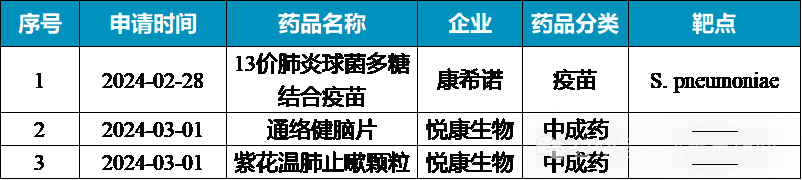
Summary of NDA for Innovative Drugs in China
1. CanSinoBIO: 13-valent pneumococcal polysaccharide conjugate vaccine
Mechanism of Action: ——
Indications: Pneumococcal Infection
On February 28, CanSinoBIO's marketing application for its 13-valent pneumococcal polysaccharide conjugate vaccine was accepted by the CDE. According to publicly available information from CanSinoBIO, the company’s 13-valent pneumococcal polysaccharide conjugate vaccine (PCV13i) uses a method of covalently binding polysaccharide antigens with protein carriers. After the polysaccharide antigen is linked to the carrier protein, the polysaccharide can be converted into a T-cell-dependent antigen, which not only induces high levels of specific antibodies in infants and young children under 2 years old but also generates memory B cells, creating immune memory. At the same time, the company employs a dual-carrier technology that reduces immunosuppression of immunogenicity when co-administered with other vaccines. In terms of production processes, CanSinoBIO has adopted a safer manufacturing process, using animal-origin-free culture medium in fermentation, reducing risks associated with animal-derived biological factors, and avoiding toxic residues brought by the traditional purification process using the phenol method.
In January 2024, the company announced the completion of the Phase III clinical trial summary report for PCV13i, showing that the vaccine has good safety and immunogenicity, and the clinical study has reached the pre-set clinical endpoints in the target population.
2. YOUCARE: Purple Flower Warm Lung Cough Relief Granules
Mechanism of Action: ——
Indications: Cough
On March 1, the marketing application for YOUCARE's Zihua Wenfei Zhisu Granules was accepted by the CDE. Zihua Wenfei Zhisu Granules consist of six herbal ingredients: Aster tataricus, Tussilago farfara, Belamcanda chinensis, dried ginger, mango kernels, and Schizonepeta tenuifolia. It is used for relieving wind-cough and warming the lungs to resolve phlegm, primarily treating post-infection cough (wind-cold stagnation in the lungs syndrome). Preclinical studies have shown that Zihua Wenfei Zhisu Granules possess cough-suppressing, phlegm-resolving, anti-asthmatic, immunity-enhancing, anti-inflammatory, anti-allergic, and antibacterial effects. It has demonstrated therapeutic effects on animal models of wind-cold syndrome with good safety.
In a randomized, double-blind, placebo-controlled, multi-center Phase III clinical trial, the primary endpoint was the cough relief rate; secondary endpoints included the complete cough relief rate, time to cough relief, time to complete cough relief, changes in the Simple Cough Severity Score, changes in the Cough VAS score, TCM syndrome efficacy, and the Leicester Cough Questionnaire (LCQ). The results showed that in patients with post-infectious cough (Wind-Cold Afflicting the Lungs Syndrome), the drug demonstrated superiority in the primary efficacy endpoint, exhibited a favorable safety profile, and no new safety signals were reported.
Innovative Drugs Approved for Marketing in China
1. CARsgen Therapeutics, Ltd: Zevor-cel Injection
Mechanism of Action: Targeting BCMA CAR-T
Indications: Multiple Myeloma
On March 1, CARsgen Therapeutics announced that the National Medical Products Administration ("NMPA") has officially approved the new drug application for Saikaze® (Zevor-cel Injection, product code: CT053) for the treatment of adult patients with relapsed or refractory multiple myeloma who have progressed after receiving at least three prior lines of therapy (including at least one proteasome inhibitor and one immunomodulatory agent). Zevor-cel is an autologous BCMA-targeted CAR-T cell product generated through lentiviral transduction of T cells. The lentivirus-encoded CAR includes a fully human BCMA-specific single-chain variable fragment ("scFv"), a human CD8α hinge domain, a CD8α transmembrane domain, a 4-1BB co-stimulatory domain, and a CD3ζ activation domain. The self-developed new fully human scFv demonstrates high binding affinity and stability. This approval in China is based on an open-label, single-arm, multi-center Phase II clinical trial conducted in China (for specific data, see: Fifth in China! CARsgen Therapeutics' BCMA-targeted CAR-T product Zevor-cel approved by NMPA). According to the trial results published at the 2022 American Society of Hematology ("ASH") meeting, Saikaze® showed encouraging efficacy and favorable safety.
In January 2023, CARsgen Therapeutics granted Huadong Medicine the exclusive commercialization rights of Therox® in mainland China. According to the agreement terms: Huadong Medicine will pay an upfront payment of 200 million RMB and registration and sales milestone payments of up to 1.025 billion RMB; CARsgen Therapeutics will continue to be responsible for the development, registration, and production of CT053 in mainland China.
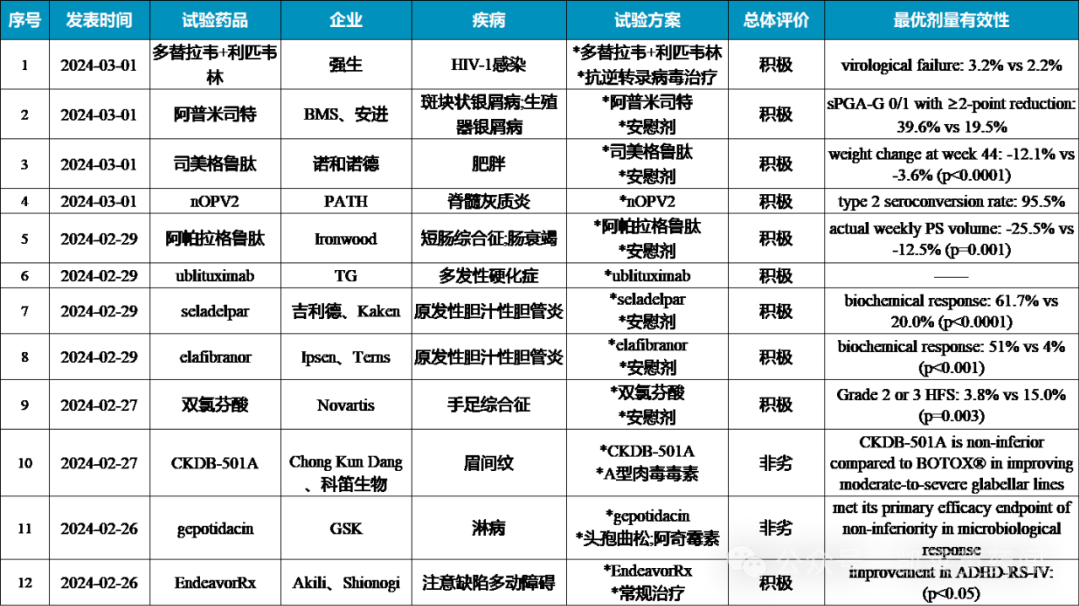
Global Phase III Clinical Summary


"Views"Click once