Philips, Siemens Healthineers, and GE HealthCare Unveil AI-Powered Innovations at ECR Conference

Philips
Healthcare Service Provider

SyntheticMR
Medical Software Provider

Siemens Healthineers
Medical Solutions Provider

GE Healthcare
Digital Solution Provider

At the annual meeting of the European Congress of Radiology held in Vienna, Austria, artificial intelligence once again became the absolute theme of the conference, with multiple imaging giants showcasing their new products.
According to a primary list released by the agency in October 2022, in recent years, the FDA has given the green light to hundreds of products driven by artificial intelligence and machine learning, with imaging diagnostics occupying the largest share—covering computer vision algorithms and parsing software for MRI, CT, and X-ray scans.

Philips Collaborates with AI Developers

First,Philips Establishes Exclusive Partnership with Swedish AI Developer SyntheticMR, Jointly Launching Diagnostic Decision Support Programs for Multiple Sclerosis, Traumatic Brain Injury, and Dementia
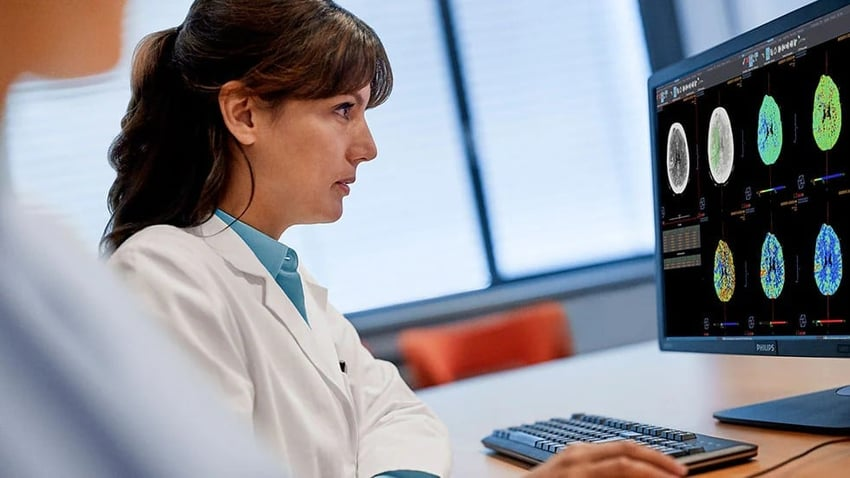
From algorithms that quantify brain tissue changes to automated ultrasound procedures, artificial intelligence is once again at the forefront and center of the major radiology conferences. (Philips)
The Smart Quant Neuro 3D products from the two companies provide a quantitative assessment of brain tissue status, not just readings from 2D image slices. This includes complete segmentation and volume measurements, as well as analysis of white matter, gray matter, cerebrospinal fluid, and myelin.
Ruud Zwerink, head of Philips' MRI business, said in a statement: "Life-changing brain injuries and neurodegenerative diseases are two of the most difficult diagnoses clinicians must make every day, as individual patients exhibit different symptoms."
For example, the ability to describe the loss of nerve myelin over time is not only particularly important for diagnosing neurodegenerative diseases such as multiple sclerosis, but also a major aspect of traumatic brain injury, which may be invisible in routine scans.
In addition, Philips has launched a new electric mobile C-arm imaging system, Zenition 90, for X-ray guided procedures such as cardiovascular interventions and other treatments. This device follows the recently introduced non-electric Zenition 30. The company has also upgraded its Azurion image-guided therapy scanner for stroke and neurovascular care, which features a dual-wing system allowing for faster parking of the imaging arm and switching between 2D and 3D imaging.

Siemens Healthineers' Radiation Therapy System Receives FDA Approval

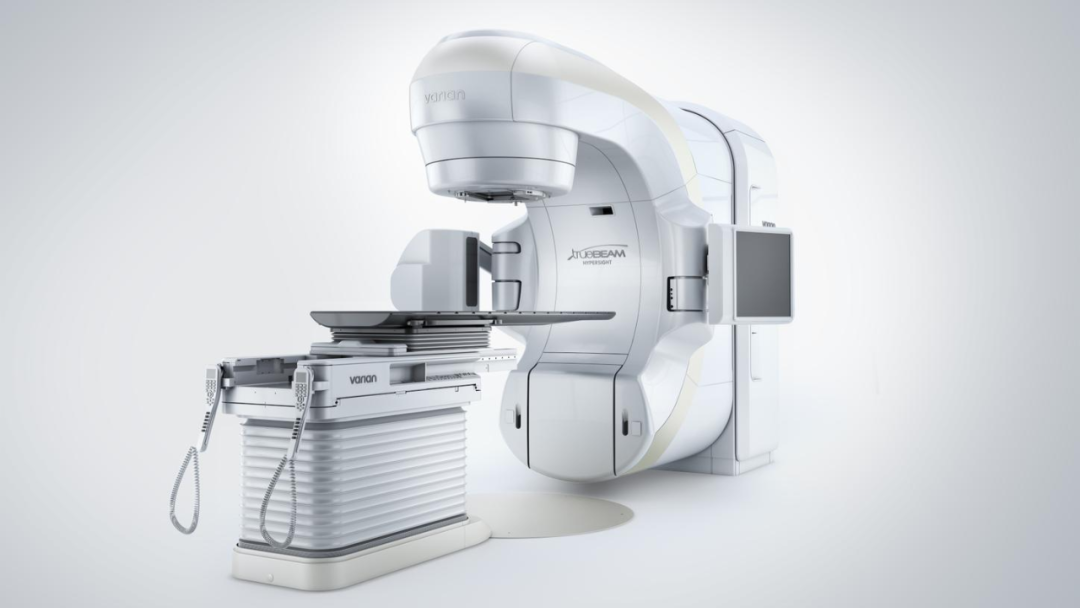
During the ECR conference,Siemens Healthineers Announces FDA Clearance for Varian’s TrueBeam and Edge Radiation Therapy SystemsThese devices are equipped with the HyperSight imaging program from the two companies, which uses scans conducted during a patient’s daily radiotherapy sessions to help deliver more accurate dosing, with the aim of avoiding damage to surrounding organs without the need for additional CT scans.
The company also launchedThe first 1.5T MRI scanner, which adopts a closed helium circuit and a non-quenching exhaust pipe.Siemens Healthineers states that the relatively compact AI-driven Magnetom Flow system reduces the amount of liquid helium needed to cool the magnet to 0.7 liters, whereas a refillable scanner may require up to 1,500 liters over its lifetime.
"World population is growing, and so is the demand for MRI scans. However, rising cost pressures and a lack of personnel are making it difficult to operate MRI systems economically," said Andreas Schneck, head of Siemens MRI. "The Magnetom Flow platform offers an answer to the challenges faced by healthcare systems. With its high level of automation, it enhances productivity in routine clinical practice and makes a decisive contribution to sustainability through Dry Cool technology."

GE Healthcare Launches Next-Generation Ultrasound Product Portfolio

At the same time,GE Healthcare Launches Next-Generation Logiq Ultrasound Portfolio
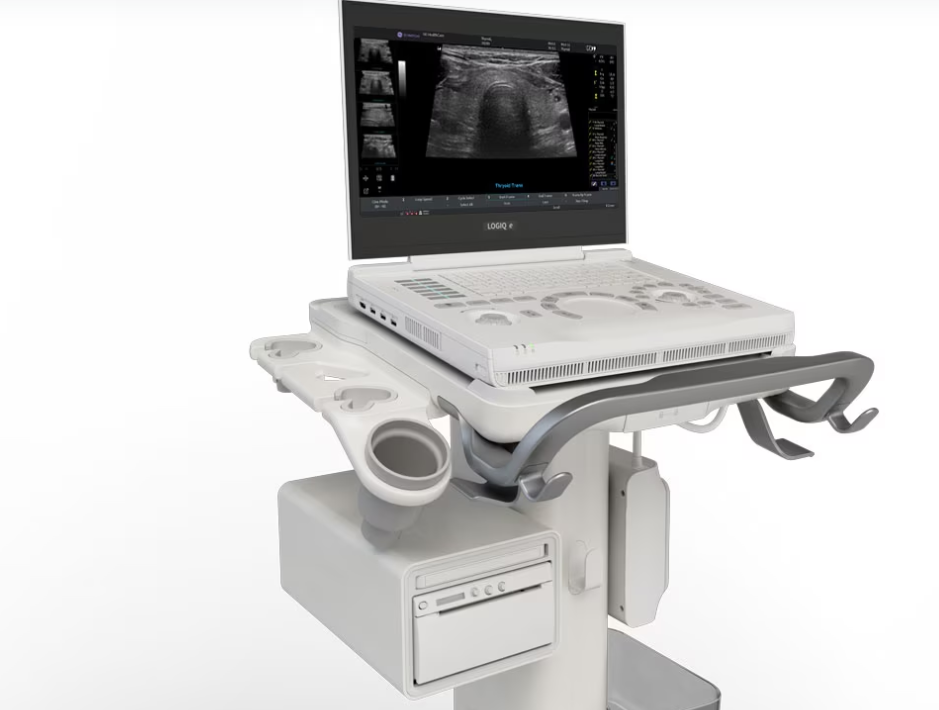
E10 Series and Fortis System Integrate AI-Based Workflow and Decision Support Tools, Including Third-Party Applications, While the New Totus Aims to Provide a Versatile Solution for Whole-Body Imaging in Various Clinical Settings. All Three Devices Can Connect with GE’s Vscan Air CL Wireless Handheld Probe to Enhance Flexibility.
Moreover, at the 2023 conference, GE planned to focus on AI-driven systems in its imaging, ultrasound, and digital service products as a means to assist healthcare systems by automating routine tasks and "addressing the root causes of burnout," thereby alleviating pressure on frontline providers, said CEO Peter Arduini.Said.
"Through our smart devices, simplified disease state focus, and digital solutions, we are bringing data together for providers at the right time, addressing workflow inefficiencies, enabling precision care, and helping improve patient outcomes," Arduini said in a statement.
At the conference, GE HealthCare launched the MyBreastAI Suite, a collection of software tools for mammography workflows, which includes three programs developed by iCAD.



Sudden! 2700 Doctors Resign En Masse! Is This the Reason?
What Impact Does OpenAI's New Viral Sensation, Sora, Have on the Healthcare Industry?
May Lead to Death, Philips Issues Another Level 1 Recall!