

Sanofi Successfully Hosts Hematopoietic Stem Cell Transplantation Summit and Launches Elikrok (Belumosudil) in China

Sanofi
Pharmaceutical R&D Developer

On March 1, 2024, Sanofi's Blood Transplant Summit and the China Launch Event of Ylaike were grandly held in Beijing. More than ten experts and scholars in the field discussed the frontier progress in blood transplantation, focusing on how to develop high-quality hematopoietic stem cell transplantation (HSCT) protocols in China and expand new horizons in clinical management.
Help Build a Comprehensive Management Blueprint for HSCT
Perioperative and Long-term Postoperative Management of HSCT: A Key Focus in the Field of Hematopoietic Transplantation, with Emerging Innovative Treatment Options in Recent Years Outlining a Comprehensive Blueprint for HSCT Management:
Effective preoperative mobilization:Self-produced Hematopoietic Stem Cell Transplant Mobilizer释倍灵1Since its clinical application, more Chinese patients have gained the opportunity for autologous transplantation and disease cure;
Prevention and Treatment in the Acute Postoperative Period:Anti-Thymocyte Globulin (ATG) - Thymoglobuline2The emergence provides a powerful weapon for the treatment of acute graft-versus-host disease (aGVHD) and the prevention of chronic graft-versus-host disease (cGVHD);
Long-term Management After Surgery:Highly Selective ROCK2 Inhibitor Yilaike3Commercially launched in China in March 2024, bringing hope for the treatment and long-term management of cGVHD.
Yilaike is the first and only targeted drug approved in China for cGVHD patients aged 12 years and above with insufficient response to corticosteroid treatment.3,4, its highly selective targeting of ROCK2 brings about a dual action of achieving immune homeostasis and reversing fibrosis simultaneously.5-8Clinical studies have confirmed that it can significantly improve the overall response rate and organ response in cGVHD patients, with a low recurrence rate of the primary disease, reduced hormone dosage after treatment, and improved quality of life without increasing the risk of infection.8。
In May 2023, Ileclizumab was piloted in Boao, Hainan, China. In August of the same year, it received approval from the National Medical Products Administration (NMPA) of China, and officially debuted at the CIIE in November. Subsequently, in December, it was officially named Ileclizumab. At this Sanofi Hematopoietic Stem Cell Transplantation Summit and Ileclizumab China Launch Conference, the product was officially launched, enabling Sanofi to achieve full coverage in perioperative and long-term postoperative management within its product line.
A New Chapter in China's HSCT Management
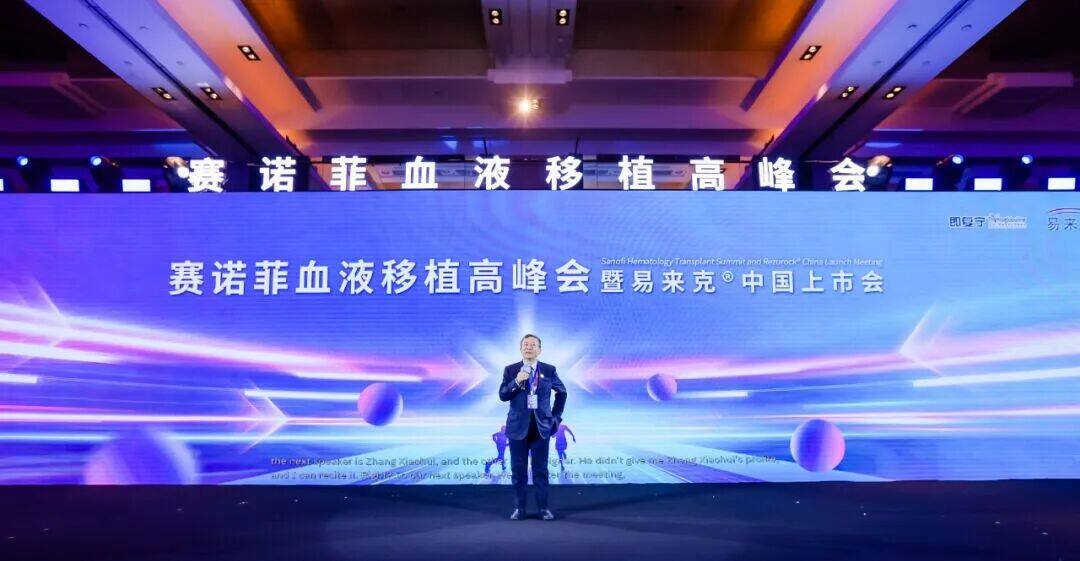
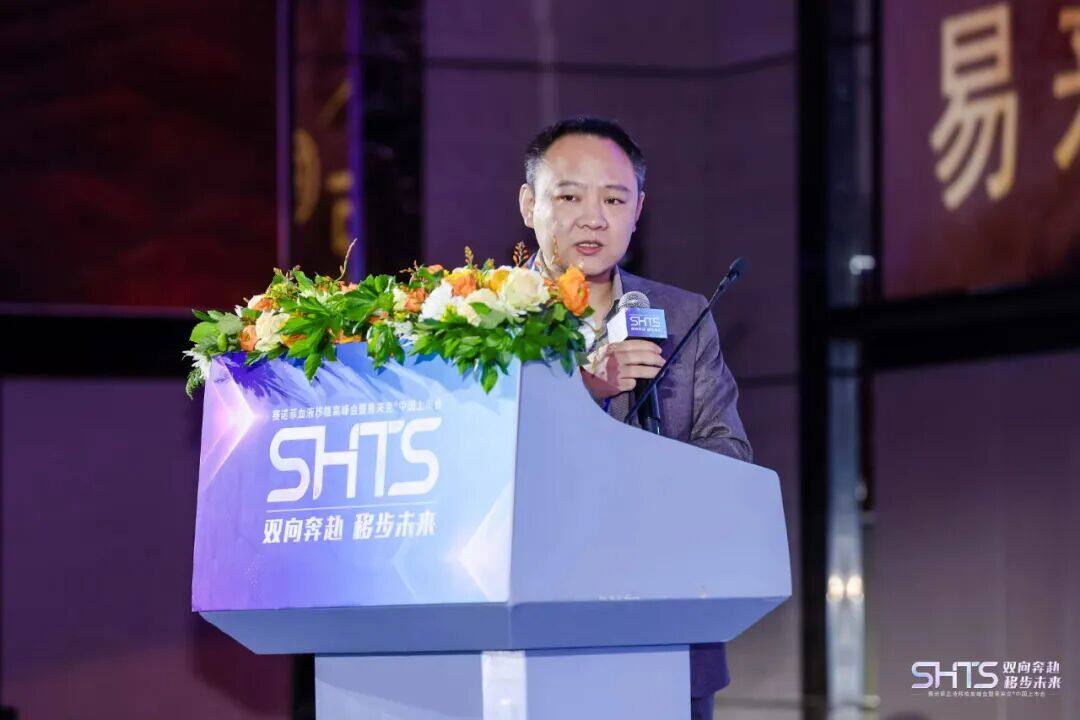
At the Sanofi Hematopoietic Transplant Summit, Academician Huang Xiaojun of the Chinese Academy of Engineering and Professor Wu Depei from the First Affiliated Hospital of Soochow University addressed the conference respectively.
Academician Huang Xiaojun expressed in his speech that after the efforts of several generations, China's hematopoietic stem cell transplantation has now entered an era of rapid development and application. In the field of transplantation, although the issue of donors has been resolved, there are still significant challenges such as chronic graft-versus-host disease, recurrence, and drug development. This conference is not only a showcase of our past achievements but also an expression of our hopes for the future. We believe that China’s transplantation professionals will certainly seize the opportunity and face the challenges to make their due contribution to human health.
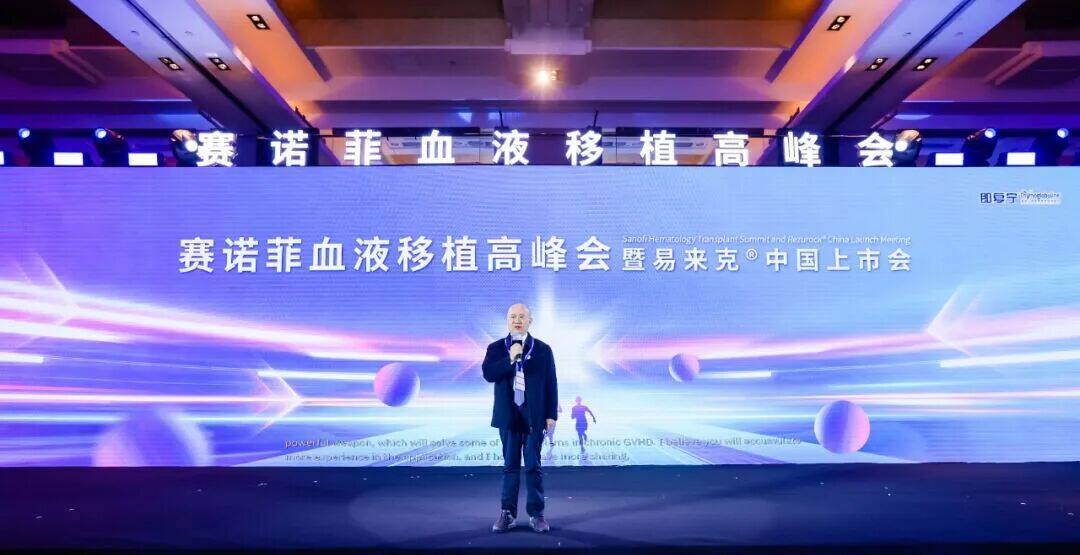
 Professor Depei Wu envisioned the future of China's HSCT field, stating that under the guidance of several leading pioneers in China, China's HSCT endeavors have gained significant international recognition. With the launch of innovative drug solutions such as Ilec and others, there is an expectation to assist clinicians in addressing more challenges and accumulating practical experience, further contributing to the success of China's HSCT initiatives.

1. High quality,
Exploring New Heights in the Development of Hematopoietic Stem Cell Transplantation in China
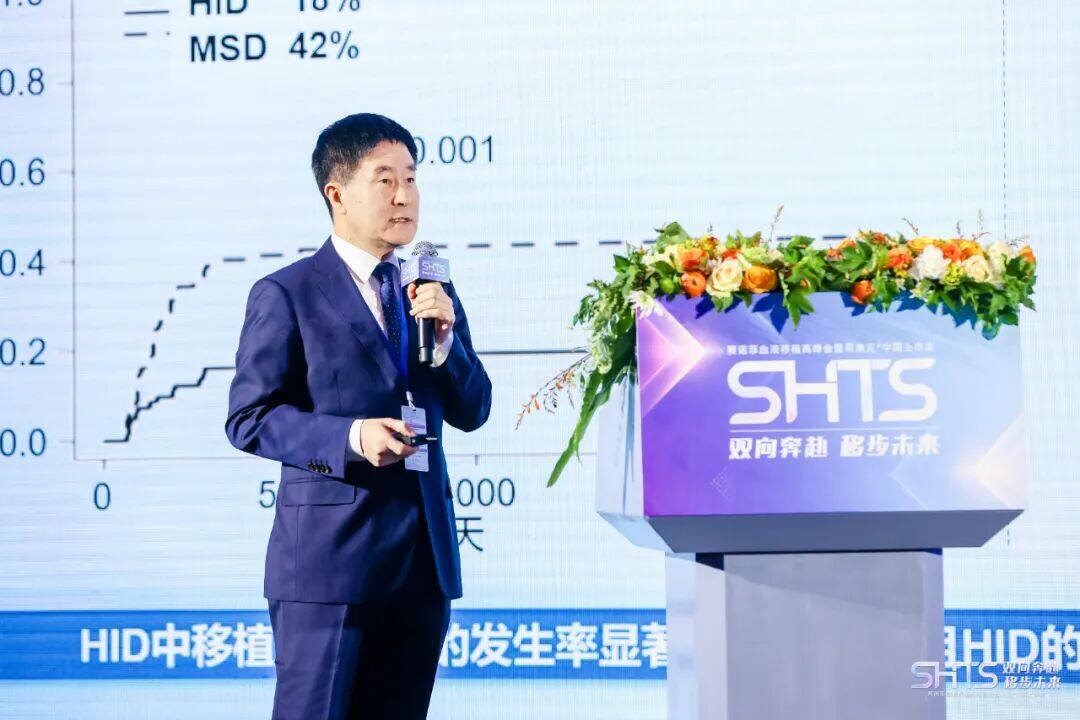
In the academic speech titled "Highlights and Prospects of Hematopoietic Stem Cell Transplantation in China," Professor Zhang Xiaohui from Peking University People's Hospital mentioned that the development of HSCT in China has entered a fast track, whether it is the expansion of transplantation surgeries, the continuous implementation of new treatments to empower HSCT technology, or the improvement of prevention and treatment plans. At the same time, domestic guidelines are constantly being updated and improved, Chinese scholars have achieved fruitful results in the field of hematopoietic stem cell transplantation, and new achievements in article publication, patents, and international exchanges continue to be made.9。
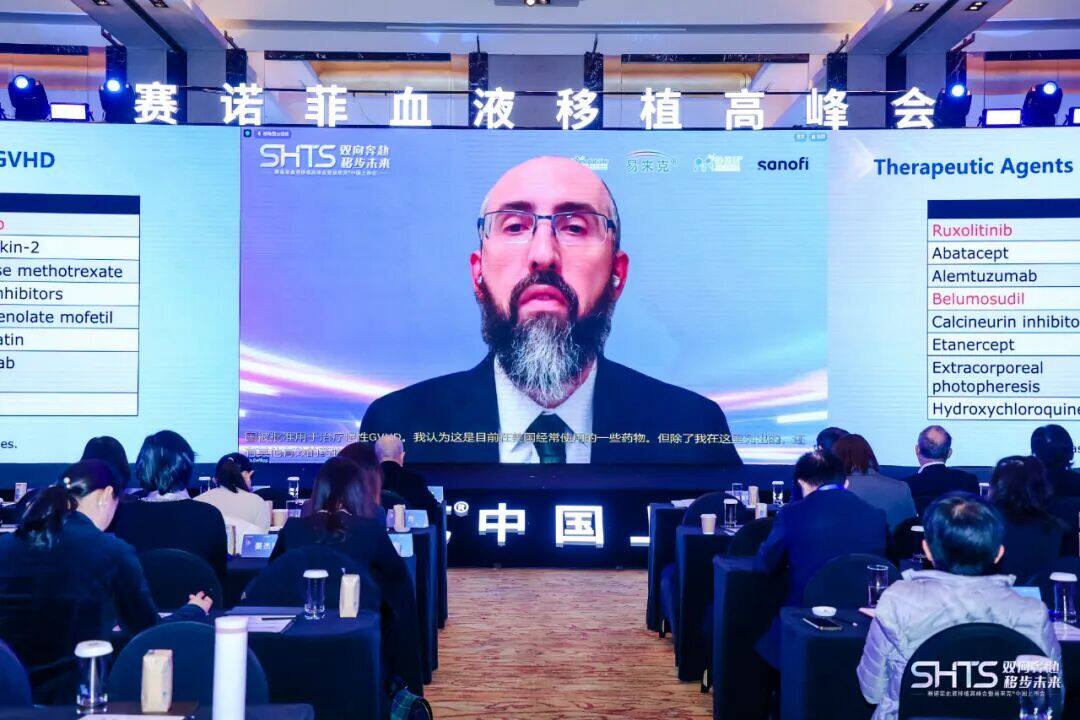
 Professor Zachariah Defilipp from Massachusetts General Hospital, Harvard University, delivered an academic presentation titled "Reimaging Chronic GVHD Management: From Early Intervention to Best Outcomes," proposing that the emergence of targeted therapies allows for clinical outcome improvements beyond first-line treatment in the cGVHD field, broadening the therapeutic prospects for cGVHD.
Incorporating the latest consensus recommendations from the European Society for Blood and Marrow Transplantation (NIH)10Based on clinical experience, Professor Zachariah Defilipp believes that when selecting drug regimens for cGVHD patients, doctors need to comprehensively consider the approved indications based on registered clinical trials, safety profiles, and clinical experience, among other factors. Among these, treatment options that can prevent and treat organ fibrosis are of high priority.

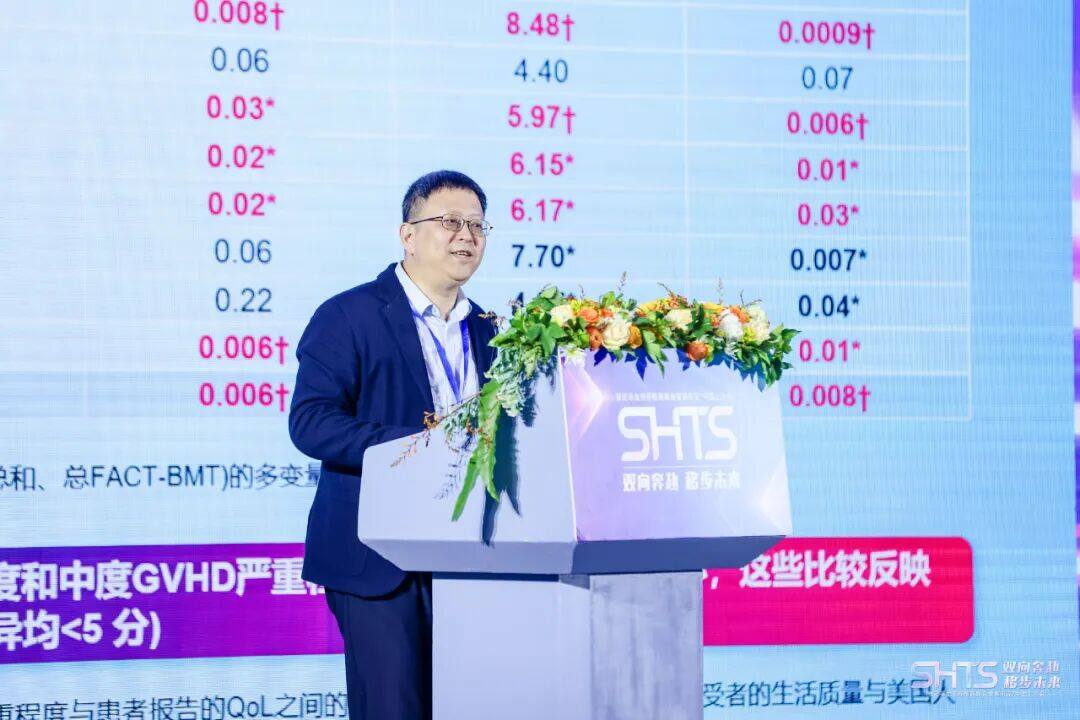
Professor Xi Zhang from Xinqiao Hospital, Army Medical University, proposed in his speech titled "The Overlooked Corner: Focusing on the Quality of Life of cGVHD Patients" that cGVHD usually affects multiple organs in patients.11The ongoing Chinese New Bridge cGVHD study shows that 61%, 61%, and 43% of Chinese cGVHD patients are affected in mobility, self-care, and daily activities, respectively. Improving life quality and controlling symptoms are both primary goals of cGVHD treatment, and various patient-reported outcome measures (such as SF-36, LEE scales, etc.) are valuable tools for monitoring cGVHD disease progression and treatment response.
 Under the chairmanship of Professor Jiang Erlie from the Institute of Hematology & Blood Diseases Hospital, Chinese Academy of Medical Sciences, a roundtable discussion was held. Professor Chen Jing from Shanghai Children's Medical Center, Professor Gao Sujun from the First Hospital of Jilin University, Professor Jiang Ming from the First Affiliated Hospital of Xinjiang University, and Professor Lu Yue from Beijing Ludaopei Hospital discussed and shared academic insights on "Opportunities and Challenges in the HSCT Field" and "Severe Disease Burden of cGVHD and Clinical Experience in Improving Quality of Life," jointly planning the future development of China’s HSCT field.

2. New Horizons,
Jointly Expanding a New Future for Hematopoietic Stem Cell Transplantation in China
In the second chapter of the conference, Haya Taitel, Global President of Sanofi's Transplant and Diabetes market, specially shared the company’s journey in developing the HSCT product line. She expressed gratitude to all the experts and guests present and stated that this summit is not only a review of past achievements in China's HSCT field but also a discussion and anticipation of future development directions.

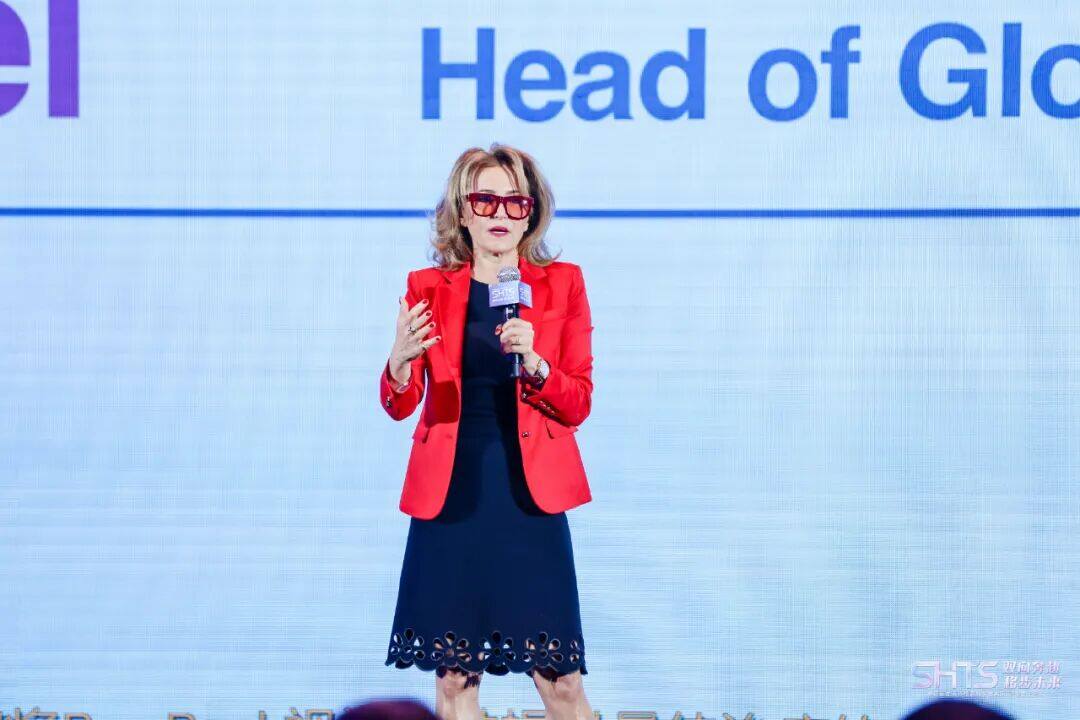
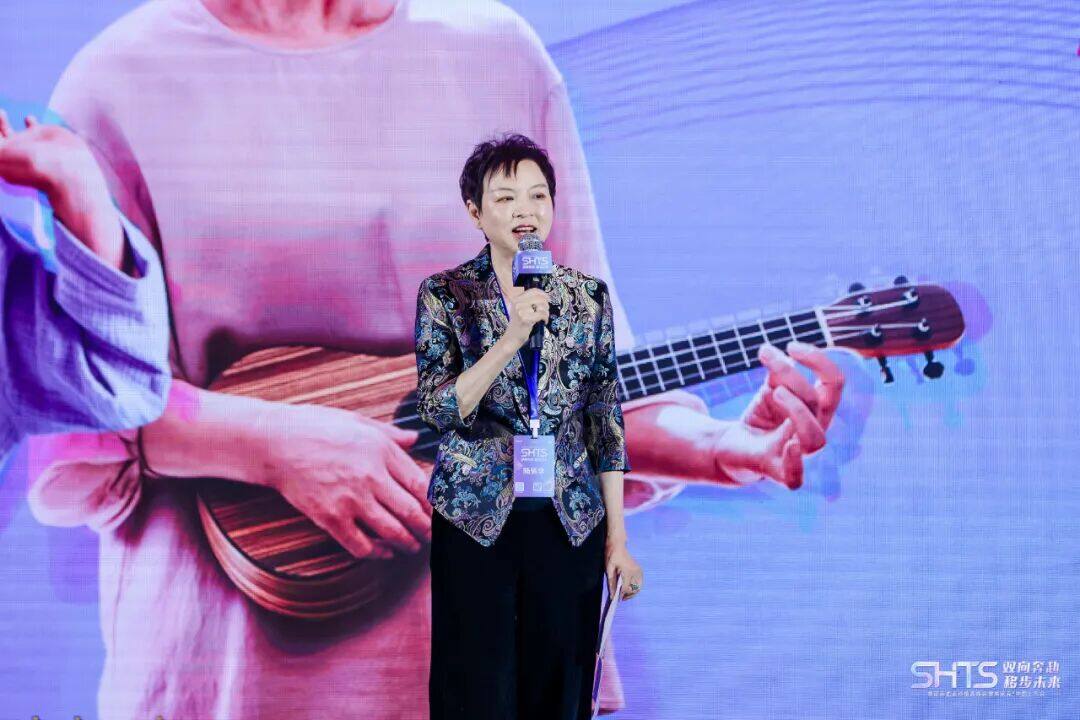
 The second chapter of the academic content was co-chaired by Dr. Lu Peihua, Dean of Lu Daopei Hospital, and Professor Liu Qifa from Nanfang Hospital, Southern Medical University.

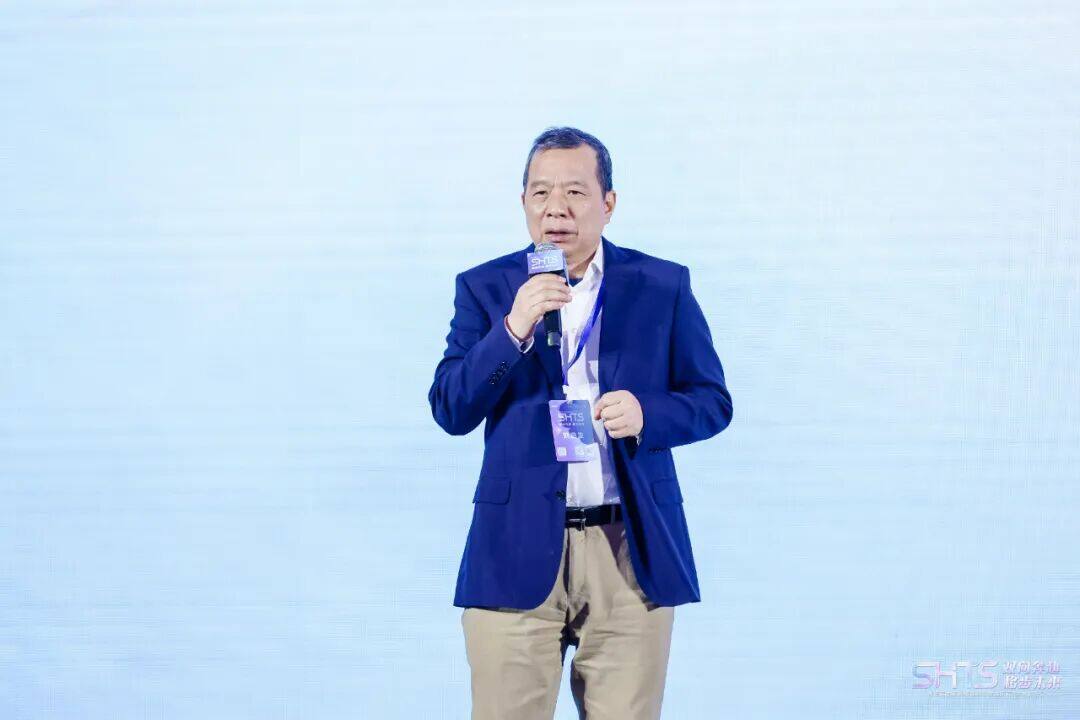
First, Professor Dennis Kim from the University of Toronto analyzed in his academic presentation titled "Reshaping Chronic GvHD Practice and Treatment" that the current first-line treatment for cGvHD fails to meet clinical needs. Clinically, new treatment options should be based on the disease mechanism of cGVHD. Professor Dennis Kim also introduced that the ROCKstar study has confirmed that Yilaike (Belumosudil Mesylate), as a highly selective ROCK2 inhibitor, can simultaneously achieve immune homeostasis and reverse fibrosis.8:
Immune Homeostasis:The recurrence rate of the primary disease is only 3%, over 65% achieve hormone reduction and cessation, without increasing the risk of infection; Anti-fibrosis:The overall best response rate (ORR) reached up to 76%, with complete response (CR) achievable in all organs, and 52% of patients showed significant improvement in quality of life;

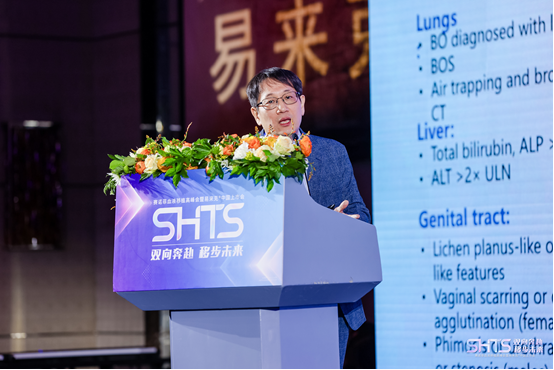
Professor Wang Zhi from Hainan Hospital of Ruijin Hospital, Shanghai Jiao Tong University School of Medicine, shared insights in a speech titled "Real-World Experience Sharing of ‘Pioneering’ Use of Elsubrutinib". He pointed out that existing targeted treatment options cannot cover multiple pathological mechanisms of cGVHD, while the unique mechanism of action of Elsubrutinib enables it to establish immune tolerance for patients, addressing both inflammation and fibrosis issues. It demonstrated excellent therapeutic effects in real cases from the “Pioneering” initiative in Boao.
A cGVHD patient with multi-organ and site involvement, including skin, oral cavity, eyes, joint fascia, etc., after transplantation surgery did not respond to multiple systemic treatments for cGVHD (hormones, sirolimus, ruxolitinib, methotrexate, basiliximab, mesenchymal stem cells, etc.). However, 8 weeks after starting Elsubrutinib treatment, the disease began to take effect, and the hormone dosage was reduced to 30mg qd. After approximately 8 months of treatment, symptoms affecting multiple organs were significantly alleviated.
 The second roundtable discussion session, led by Professor Luo Yi from the First Affiliated Hospital of Zhejiang University, included Professor Hu Jiong from Ruijin Hospital affiliated to Shanghai Jiao Tong University, Professor Han Yue from the First Affiliated Hospital of Soochow University, Professor Wan Dingming from the First Affiliated Hospital of Zhengzhou University, and Professor Xia Linghui from Union Hospital affiliated to Tongji Medical College of Huazhong University of Science and Technology. They analyzed and discussed two topics: "Targeted cGVHD Treatment and Overall Disease Management Goals" and "Clinical Experience and Value of Inhibiting the ROCK2 Target," exploring comprehensive disease management models under the innovative treatment landscape of cGVHD.

Leading the New Launch of China's HSCT Cause
With the continuous development of the modern HSCT field, the emergence of new knowledge, theories, and technologies contributes to advancing China's HSCT endeavors to new heights and benefiting Chinese transplant patients. The launch of Yilaike not only enables Sanofi to achieve comprehensive coverage in perioperative and long-term postoperative management within the HSCT product line but may also become a new starting point for adding achievements in China’s HSCT sector, providing more high-quality treatment options for a wide range of transplant patients.
References:
[1] Plerixafor Injection Instructions. Approval Date:January 11, 2019.
[2] Rabbit Anti-Human Thymocyte Immunoglobulin Instructions. Approval Date:October 9, 2013.
[3] Instructions for Befusertib Mesylate Tablets in China. Approval Date: August 2023.
[4] Terry J. Kutian et al.The Hematologist (2021)18(6).
[5] Zanin-Zhorov A, et al. Proc Natl Acad Sci USA. 2014;111(47):16814-16819.
[6] Nalkurthi C,et al. JHEP Rep. 2021 Oct 6;4(1):100386.
[7] REZUROCK highlights of prescribing information. Initial U.S. approval 2021.
[8] Cutler C, et al. Blood. 2021;138(22):2278-2289.
[9] Hematopoietic Stem Cell Application Group of the Chinese Medical Association's Hematology Branch. Hematopoietic Stem Cell Transplantation Registry 2022.1.1-2022.12.31
[10] Penack O et al. Lancet Haematol. 2024;11(2):e147-e159.
[11] Fiuza-Luces C, et,al. Bone Marrow Transplant. 2016;51(1):13-26.
MAT-CN-2403046/V1.0/MAR.2024

Click "Read More" to view more content.