

Danicopan as Add-on Therapy Shows Significant Hemoglobin Improvement in PNH Patients with Clinically Significant Extravascular Hemolysis: Phase 3 ALPHA Trial Results Published in The Lancet Haematology

AstraZeneca
Biopharmaceutical Manufacturer
Frontiers Express
Advances in Clinical Research of Rare Disease Drugs

Patients with paroxysmal nocturnal hemoglobinuria (PNH) still have unmet needs when treated with C5 inhibitors, and may experience anemia symptoms related to extravascular hemolysis. AstraZeneca's oral complement factor D inhibitor, Danicopan (ALXN2040), is intended as an add-on therapy to enhance the benefits for PNH patients receiving C5 inhibitors, and it achieved the primary endpoint in a Phase III trial. It is considered one of the most promising drugs expected to be approved for marketing in the United States in 2024. Recently, *The Lancet Haematology* published reports from the drug’s double-blind, randomized Phase III trial at 12 weeks and 24 weeks of treatment, while the company’s official website also released the 48-week results (see the end of the article). Let’s explore them together!
01
ALPHA is a global, multicenter, randomized, double-blind, placebo-controlled Phase III clinical trial. It enrolled patients aged ≥18 years with paroxysmal nocturnal hemoglobinuria (PNH) who had been treated with Ravulizumab or Eculizumab for ≥6 months, accompanied by severe extravascular hemolysis, hemoglobin (Hb) ≤9.5 g/dL, and absolute reticulocyte count (ARC) ≥120×10⁹/L. (Figure 1) The enrolled patients were randomly divided into a treatment group receiving additional Danicopan or a placebo group in a 2:1 ratio, with a treatment period of 12 weeks. The cohort of patients in Japan was also stratified based on transfusion history and Hb levels. The oral dose of Danicopan was 150 mg three times daily; the maximum dose was adjusted to 200 mg based on clinical response. The infusion dose of Eculizumab was 900-1500 mg every two weeks, while that of Ravulizumab was 3000-3600 mg monthly or every eight weeks.
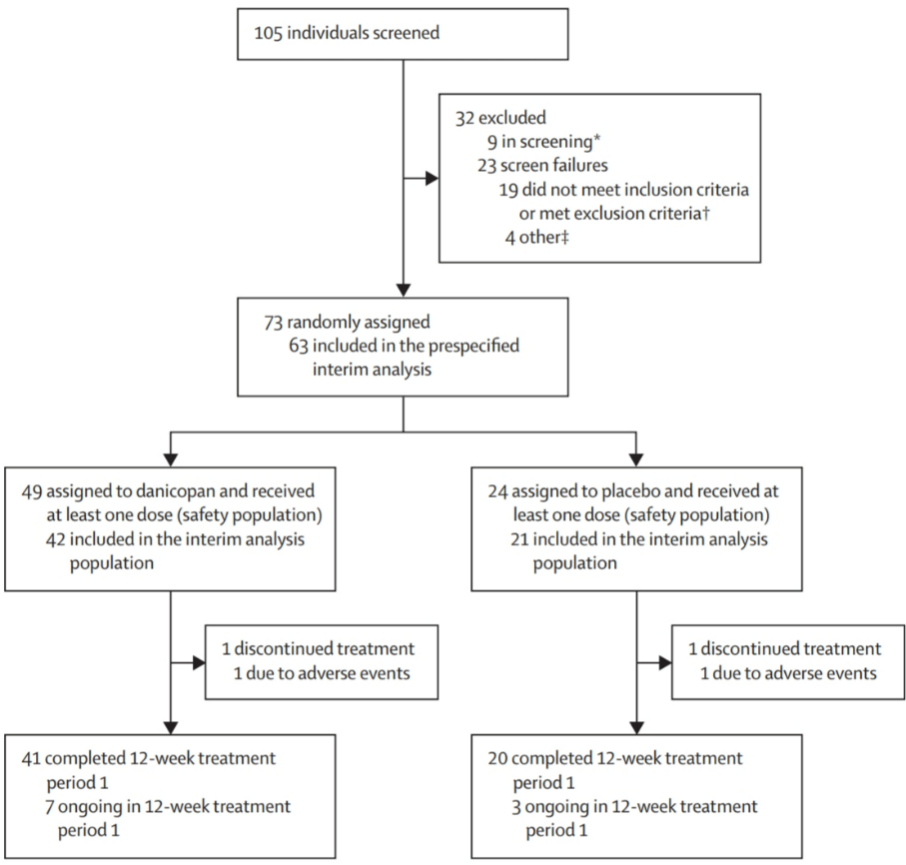
Figure 1. ALPHA Study
The primary endpoint of the study was the change in Hb levels from baseline to week 12, with a clinically significant difference defined as a mean Hb concentration difference of ≥2 g/dL between the drug group and the placebo group. Key secondary efficacy endpoints included the proportion of patients who were transfusion-free and achieved a clinically meaningful improvement in Hb levels (≥2 g/dL) at week 12, the proportion of patients who did not require transfusions, changes in FACIT-Fatigue scores, and changes in ARC. Other secondary endpoints encompassed efficacy outcomes and changes in indicators at week 24.
02
The study began on 2020.12.06 and is expected to end on 2023.12.31. This article presents a pre-specified interim analysis, with data cutoff on 2022.06.28. A total of 105 patients were screened, and 73 were enrolled.
Primary efficacy endpoint shows superiority
Hb levels improved clinically significantly after 12 weeks of adding Danicopan to treatment with Ravulizumab or Eculizumab. The least squares mean (LSM) change from baseline was 2.94 g/dL [95% CI 2.52-3.36], compared to 0.50 g/dL [–0.13-1.12] in the placebo group, a difference of 2.44 g/dL (95% CI 1.69-3.20, p<0.0001). The difference in Hb levels between the two groups reached statistical significance by Week 1 (1.19 g/dL) and clinically meaningful improvement by Week 2 (2.15 g/dL). Baseline Hb levels were 7.66 g/dL and 7.74 g/dL for the two groups, respectively (Figure 2-A), remaining comparable; by Week 12, these were 10.75 g/dL and 8.46 g/dL, respectively (Figure 2-B).
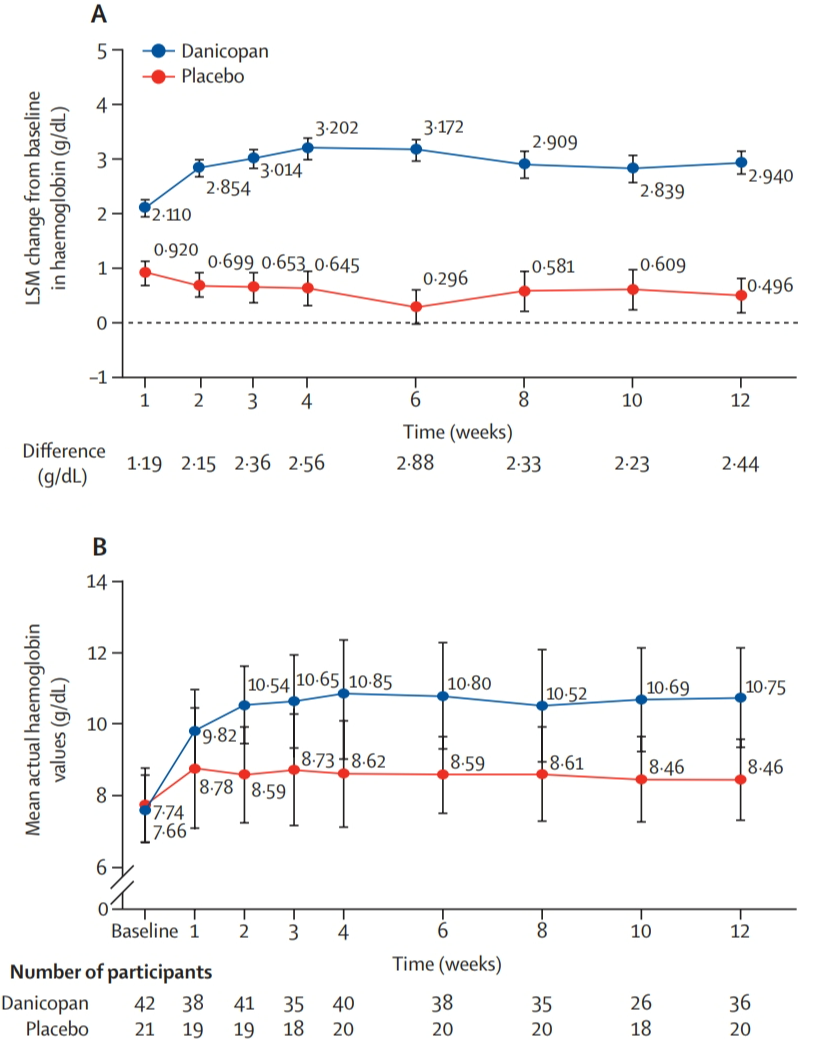
Figure 2. Improvement in Hb with Danicopan vs placebo (A) and level changes (B)
Significant improvement in other endpoints
At 12 weeks of treatment, 25 (60%) patients in the Danicopan group (n=42) achieved a clinically meaningful improvement in Hb levels without transfusion, compared to 0 in the placebo group (n=21); the proportion of patients avoiding transfusion was 35 (83%) and 8 (38%), respectively, with significant differences between the two groups in both measures. Danicopan treatment also significantly improved patient fatigue, with FACIT-Fatigue scores increasing by 7.97 and 1.85 from baseline at 12 weeks, respectively, showing an LSMD difference of 6.12; ARC values were −83.8×10⁹/L and 3.5×10⁹/L, differing by −87.2×10⁹/L. Danicopan treatment reduced patients' transfusion needs, the proportion of transfused patients, complement C3 deposition, total bilirubin levels, and direct bilirubin levels; significantly increased red blood cell size; improved intravascular hemolysis control as represented by lactate dehydrogenase (LDH); normalized hemoglobin levels in more patients (29% vs. 0); and significantly improved three sub-items of the EORTC QLQ-C30 quality-of-life core questionnaire: physical function, social interaction, and fatigue symptoms.
Safety Results
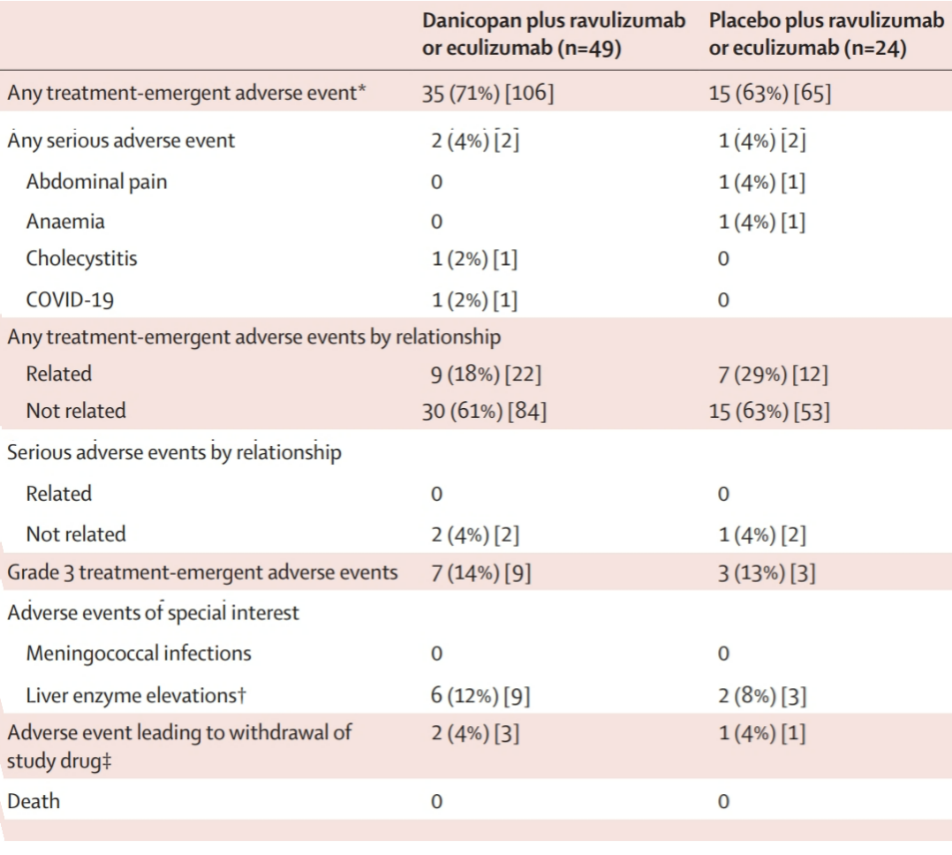
The safety analysis set included a total of 73 patients, with 49 in the Danicopan group and 24 in the placebo group. Over 12 weeks, the median treatment duration for both groups was 84 days (Table 1). Treatment adherence in the Danicopan group was 99%, with 11 (22%) patients increasing their dosage to 200 mg/day. One patient reduced the dose due to COVID-19. The incidence of treatment-emergent adverse events (TEAEs) was 71% in the Danicopan group and 63% in the placebo group. The occurrence rate of TEAEs with Grade 3 severity was 14% and 13%, respectively, with no more severe TEAEs reported. Common TEAEs in the Danicopan group included headache (10%) and liver-related conditions (12%), most of which were transient or asymptomatic. Two patients discontinued treatment after reaching the predefined liver function thresholds in this study; two were diagnosed with mild-to-moderate hemolysis but recovered quickly without requiring transfusions or medication adjustments. They did not discontinue treatment and experienced no subsequent adverse events. Overall, Danicopan demonstrated good safety and tolerability.
Table 1. Safety Analysis
03
Complement-targeted therapy has become a hotspot in China and abroad. Targeted drugs are transitioning from high-dose, short-acting, intravenous formulations to more optimal forms such as long-acting, small-molecule, subcutaneous/oral options, and moving towards more precise targets like partial blockade and blood-brain barrier penetration instead of complete blockade. The C5 inhibitor monoclonal antibody eculizumab (Soliris) can block the activation of terminal complement and subsequent intravascular hemolysis; its approval has revolutionized the treatment of PNH. Many PNH patients may experience extravascular hemolysis after treatment with a C5 complement inhibitor, as the hematopoietic function in anemic patients has not yet recovered. After C5 is inhibited, accumulated upstream C3 becomes highly enriched, attacking red blood cells and causing extravascular hemolysis. Although many patients have controlled intravascular hemolysis, with decreased lactate dehydrogenase and free hemoglobin levels, they still suffer from anemia caused by extravascular hemolysis, significantly impacting the improvement of their quality of life.
Complement Factor D is a serine protease that catalyzes the cleavage of complement Factor B into Ba and Bb, thereby forming the AP C3 convertase (C3bBb). Since FD catalyzes the rate-limiting step in AP activation and amplification and has the lowest concentration among all plasma complement proteins, it has been selected as a therapeutic target. Danicopan inhibits the serine protease activity of FD, specifically targeting the control point of the complement cascade amplification loop, blocking the formation of C3 convertase, significantly reducing the production of C3 cleavage products and downstream MAC formation, thus suppressing the amplification of complement activation in the alternative pathway. The Factor D inhibitor Danicopan has received orphan drug designation for the treatment of PNH in the United States, the European Union, and Japan. Initially developed by Alexion, the company was acquired by AstraZeneca in 2020. Alexion pioneered the first PNH treatment, Soliris, and established Ultomiris as the standard therapy. The ALPHA study represents the first positive Phase III results for an oral complement Factor D inhibitor, demonstrating that Danicopan, as an add-on therapy, benefits patients by reducing their transfusion needs.
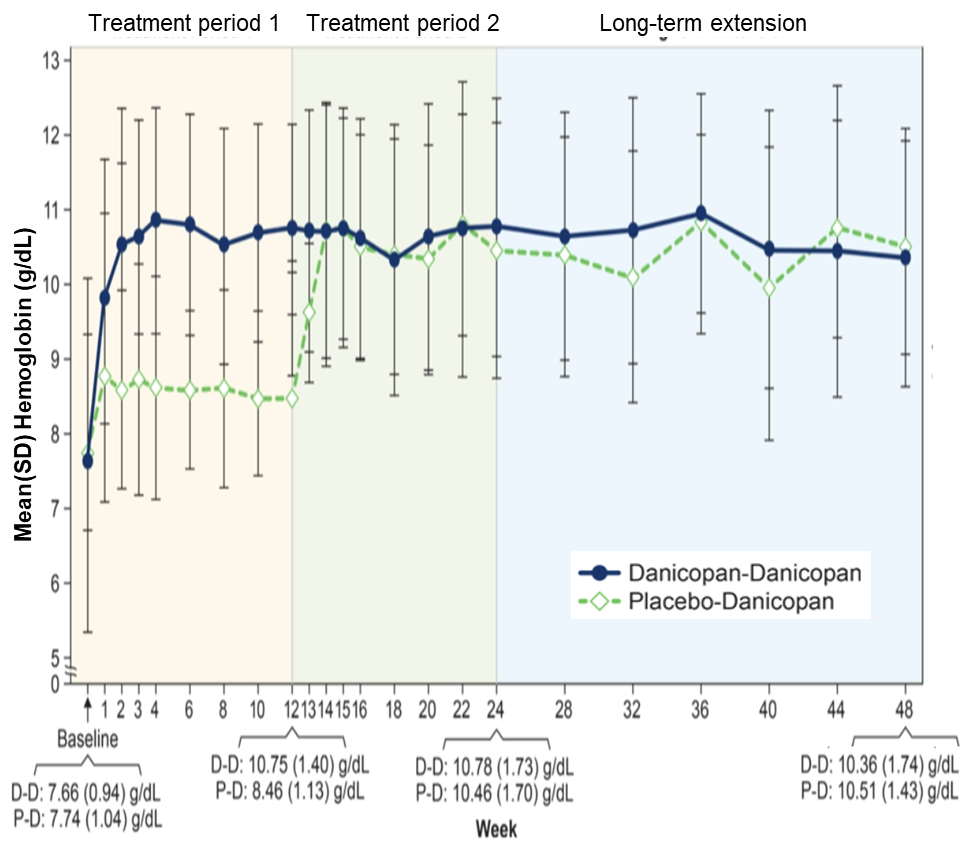
Extended Description:Based on the positive results of the ALPHA study, regulatory authorities in multiple countries worldwide are reviewing the marketing application for Danicopan for adult patients with PNH experiencing clinically significant extravascular hemolysis. In December 2023, AstraZeneca's official website announced that the long-term extension study of ALPHA showed that after 48 weeks of treatment, Danicopan demonstrated good efficacy, with average Hb levels and ARC levels remaining consistently stable compared to week 12.

References:
1.Lee JW, et al. Addition of danicopan to ravulizumab or eculizumab in patients with paroxysmal nocturnal haemoglobinuria and clinically significant extravascular haemolysis (ALPHA): a double-blind, randomised, phase 3 trial. Lancet Haematol. 2023 Dec;10(12):e955-e965.
2.https://www.astrazeneca.com/
Editor | Wu Tong
Editorial Responsibility|Y L
Typesetting Editor|ZYL
Previous ·Recommendation
【Rare Case】Emicizumab Prophylactic Treatment for Hemophilia Patients with Severe Cerebellar Hematoma
International Rare Disease Day: Various Strategies and Actions to Improve Drug Accessibility
【Rare Disease Case Column of Anyang People's Hospital】Issue 1: Case Sharing of Mucopolysaccharidosis