Magenta Elevate: World’s Smallest Percutaneous Ventricular Assist Device Shows Promising Early Results

Magenta Medical
Clinical Venous Catheter Treatment Device Developer

The main issues currently limiting percutaneous temporary mechanical circulatory support devices lie in the large catheter size, increased risk of vascular complications, and the need for higher blood flow levels. A new percutaneous left ventricular assist device (pVAD), the Magenta Elevate, may represent a step forward in this field, utilizing the smallest catheter size to date in its first-in-human trials.
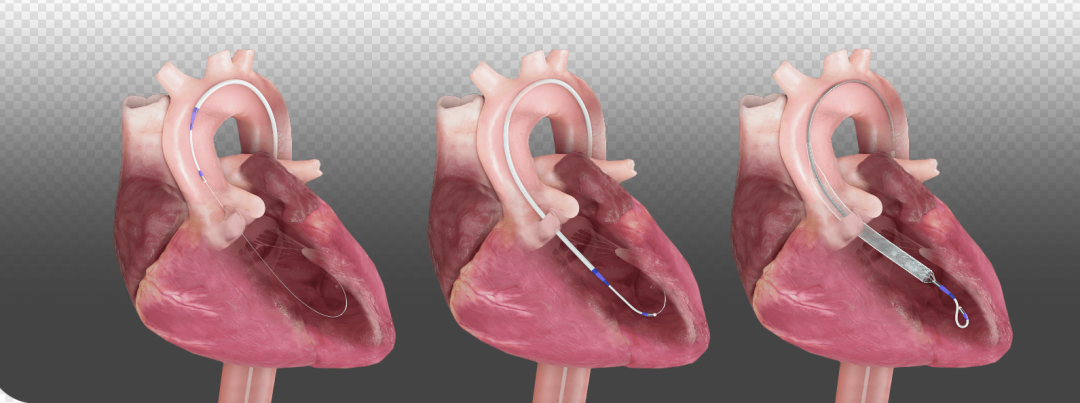
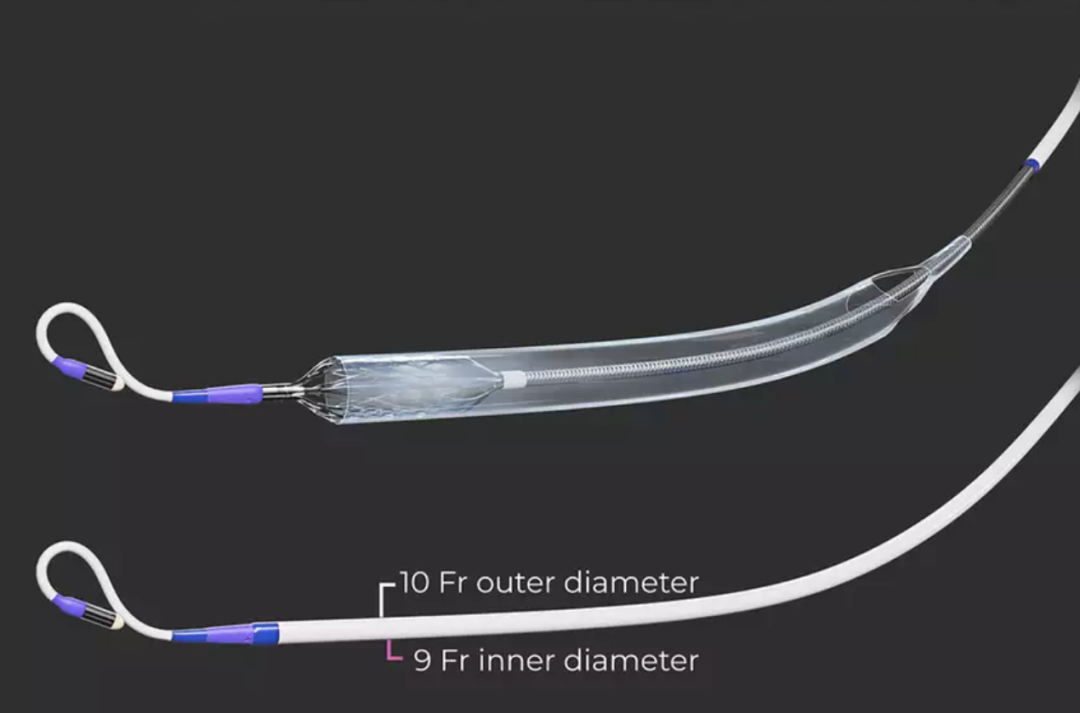
Elevate uses a 10 French catheter, while the standard size of Abiomed's Impella is currently 14 French. This new device can provide a cardiac output of up to 5.5 liters, surpassing the output of the Impella CP. Although there is a 5.5 liter version of the Impella, it requires surgical cut-down. Abiomed is also developing the 9 French ECP Impella system using a collapsible cannula, but it has not yet entered the trial phase.
Results of the Elevate U.S. Early Feasibility Study were presented at the 2023 Transcatheter Cardiovascular Therapeutics (TCT) conference. The study enrolled a total of 15 patients who were treated at Mount Sinai Hospital, St. Francis Hospital and Heart Center, and North Shore University Hospital. The findings demonstrated strong performance, technical success, safety, and usability of the device. All pumps were successfully delivered and retrieved without any device downtime, replacement, or device-related complications.
Samin Sharma, MD, Director of Cardiovascular Interventions and Clinical Cardiology at Mount Sinai Hospital's New York branch and one of the implanters in this study, explained: "Many companies are working hard to reduce the size of these devices to 10 French, with 9 to 10 French being an ideal range. The balloon pump is about 7.5 to 8 French in size, so once it is reduced to 9 to 10 French, it can be suitable for more patients and is expected to reduce the risk of vascular bleeding complications. And this is exactly the result we observed in the first 15 patients." Sharma shared his experience and research findings with Cardiovascular Business magazine.
The technology has been granted two Breakthrough Device designations by the U.S. Food and Drug Administration (FDA): for high-risk percutaneous coronary intervention (HR-PCI) and cardiogenic shock. However, Elevate has not yet received full regulatory approval anywhere.
Sharma stated that Magenta Medical plans to submit a randomized trial proposal in 2024 to compare the safety and effectiveness of the device with Impella.
A few years ago, people had high hopes for St. Jude's percutaneous heart pump (PHP), expecting it to be the first pVAD to offer a small-diameter catheter with higher hemodynamic flow than Impella. However, due to issues with the device, the project was eventually canceled.
Sharma participated in the PHP study, and he said that the trial was interrupted multiple times due to issues such as device leakage, arrhythmia, and heart block.
Instead, new suppliers have introduced new designs, including Abiomed's ECP, Magenta Medical, and Supira Medical. Sharma said that Supira also has a 10 French device, which has already been used in approximately 20 surgeries in Brazil. He anticipates they will begin feasibility cases in the U.S. from early to mid-2024.
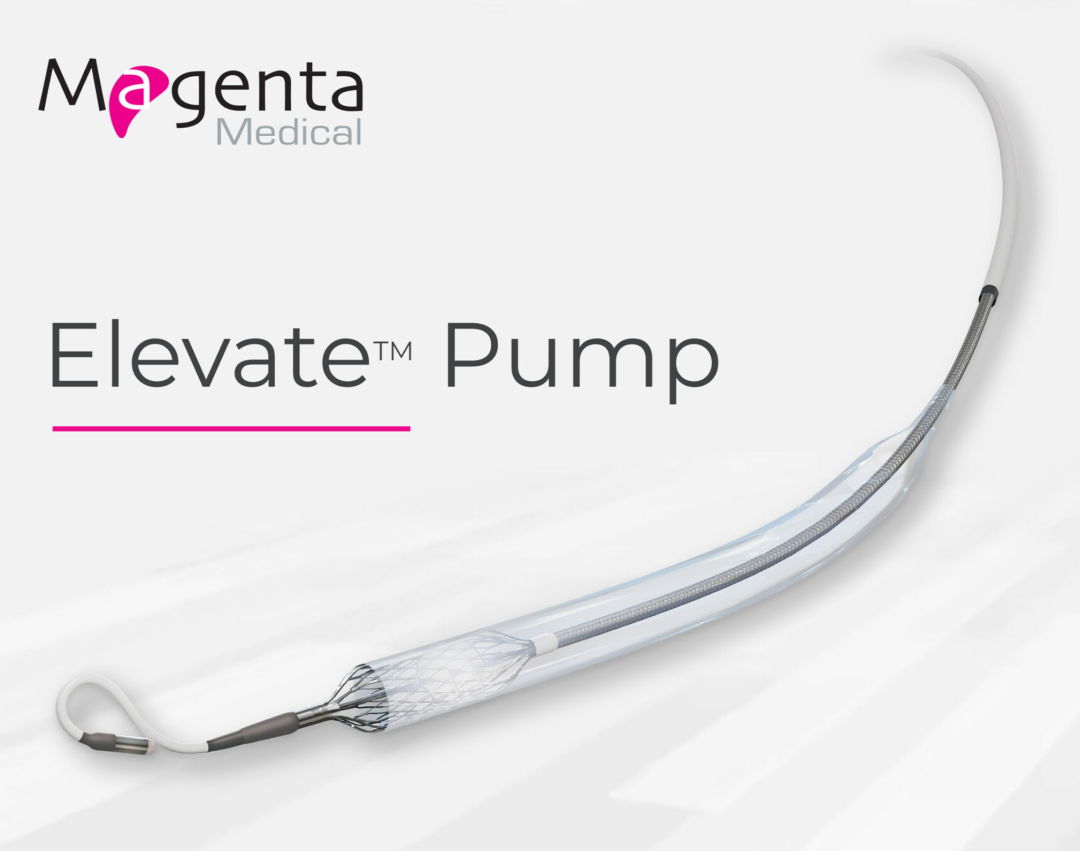
Magenta Elevate Percutaneous Ventricular Assist Device (pVAD) provides a 10 French outer diameter and 5 liters per minute of hemodynamic support, which is smaller in diameter and higher in output compared to Impella CP.
This competition from new devices is expected to drive innovation and provide physicians with a variety of choices in mechanical circulatory support.
Sharma said that his catheterization lab is a high-volume center, performing approximately 15 Impella procedures per month. Although he believes Impella is an excellent tool that can help patients, there is still room for improvement, such as using smaller catheter sizes to prevent vascular complications like vascular injury and bleeding issues.
He said that achieving high flow rates without the use of surgical cutting devices would also be very helpful.
The new device has drawn significant attention in the field of interventional cardiology, and Sharma expressed that he is looking forward to seeing the progress of the trials and which device will become the new standard of care a few years from now.
Sharma said that patients with cardiogenic shock require a higher blood flow than what current percutaneous Impella devices can provide. He mentioned that the next generation of percutaneous heart pumps, now entering the trial phase, will be able to deliver higher flow rates and use smaller catheter sizes, both of which could significantly impact the improvement of patient outcomes in this condition with high mortality.
Sharma said, "The output of using Impella is usually 3 liters or 3.5 liters per minute, which is actually sufficient for high-risk PCI patients. But in case of cardiogenic shock, you definitely need a high output of 4.5 to 5 liters."


Dual Certifications, Both First in China! Medical Device Innovation Powerhouse from Hangzhou
The Two Sessions Will Focus on These Major Healthcare Topics—A Lot of Information!
Another Round of Layoffs and Plant Closures: This Time, It’s the Imaging Giant!