

The Rise of a New Champion in the $100B Autoimmune Arena: Dupilumab, Upadacitinib, and Baricitinib Vie to Succeed Humira
Sanofi
Pharmaceutical R&D Developer
Regeneron
Biopharmaceutical Manufacturer
After AbbVie's Humira accelerates its fall from the "pedestal," who will take the lead to become the new global leader in autoimmune diseases is receiving much attention, and now this mystery is being unraveled.
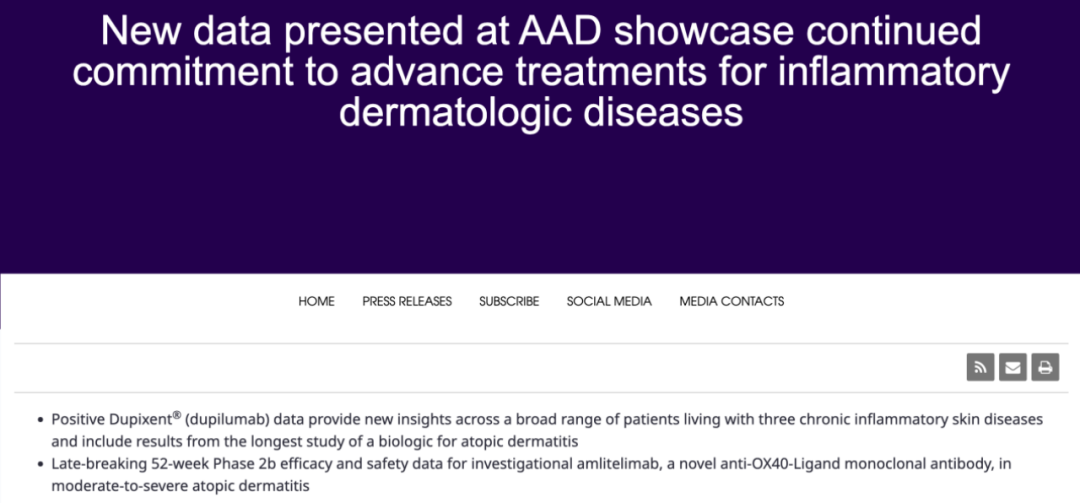
At the recently concluded American Academy of Dermatology (AAD) 2024 Annual Meeting, Sanofi presented 29 research abstracts on approved and investigational drugs, including 26 studies evaluating dupilumab (developed in collaboration with Regeneron) for the treatment of atopic dermatitis (AD), prurigo nodularis (PN), and chronic spontaneous urticaria (CSU), as well as three studies on the investigational drug amlitelimab for AD, further strengthening its stronghold in the autoimmune field.
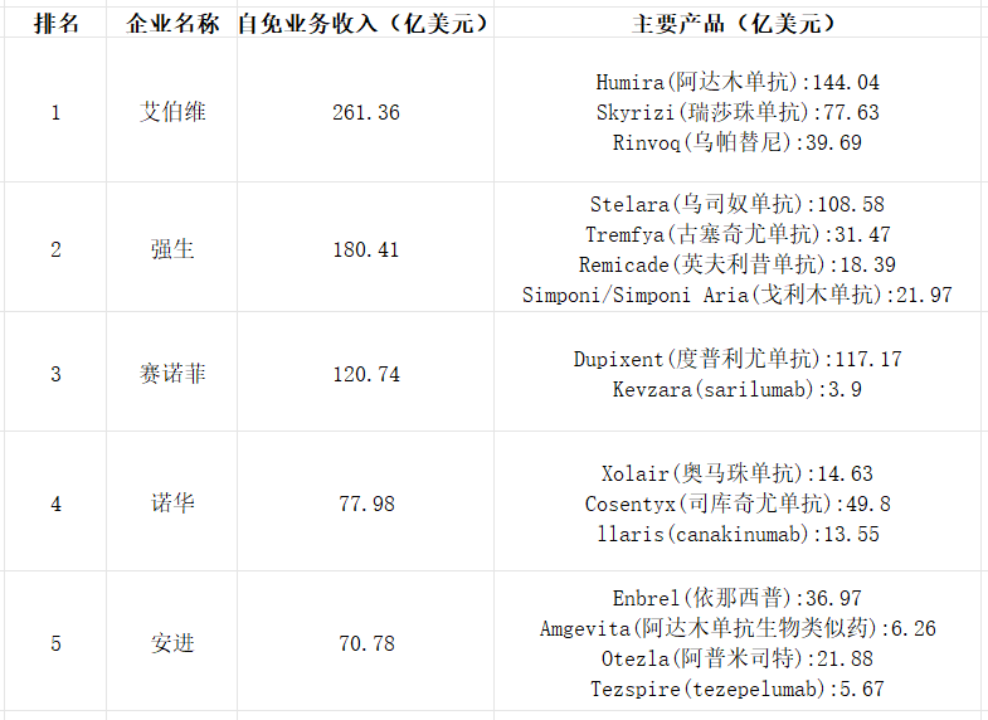
Notably, Sanofi's重磅 IL-4/IL-13 inhibitor Dupilumab is the strongest contender for the "new king" in the autoimmune field. Among the top 10 pharmaceutical giants in global autoimmune business revenue in 2023, Sanofi's Dupilumab sales surged 34% year-on-year to reach $11.717 billion, second only to AbbVie's Humira and leading Johnson & Johnson's third-place Ustekinumab by nearly $1 billion.
Industry experts point out that the development of almost every industry will undergo a process from extensive to refined, and the pharmaceutical industry is no exception. The global pharmaceutical market has evolved from initially focusing on chronic diseases that affect large populations, to cancers with relatively concentrated patient numbers, and now has moved towards niche but popular fields such as rare diseases affecting very small groups. At present, competition in autoimmune diseases has quietly entered the mid-stage, with atopic dermatitis being a particular focal point.
Atopic Dermatitis (AD) is a chronic, recurrent, inflammatory skin disease that belongs to the common category of dermatitis and eczema. It is characterized by repeated flare-ups, prolonged course of disease, often accompanied by dry skin, eczematous lesions, and intense itching, significantly impacting the quality of life. Long-term management as a chronic condition is necessary. Data shows that the global AD patient population reached 680 million in 2022 and is expected to reach 760 million by 2030. The AD market is projected to exceed $17 billion by 2027, growing at an annual compound growth rate of 11.1%.
Due to the large population and market space, AD remains a core track in the autoimmune field with significant unmet clinical needs. Biologics treatment is the next important direction. Currently, IL-4R monoclonal antibodies have begun to show promise, JAK1 inhibitors are gaining momentum, and OX40 monoclonal antibodies are expected to become the rising star. Industry experts believe that after Humira steps down as the "blockbuster drug," the competition among key players in the autoimmune field will determine the winner in the heated AD arena.
As the flagship product in Sanofi's autoimmune pipeline, dupilumab contributed revenue reaching a new high of €10.715 billion in 2023, successfully breaking through the $10 billion mark. This achievement was driven by the continuous release of clinical demand for atopic dermatitis (AD), asthma, chronic rhinosinusitis with nasal polyps, prurigo nodularis, and eosinophilic esophagitis (EoE). This year, dupilumab achieved several significant milestones with new indications, including FDA approval in January for the treatment of eosinophilic esophagitis in pediatric patients and Japan’s Ministry of Health, Labour and Welfare approval for the treatment of chronic spontaneous urticaria.
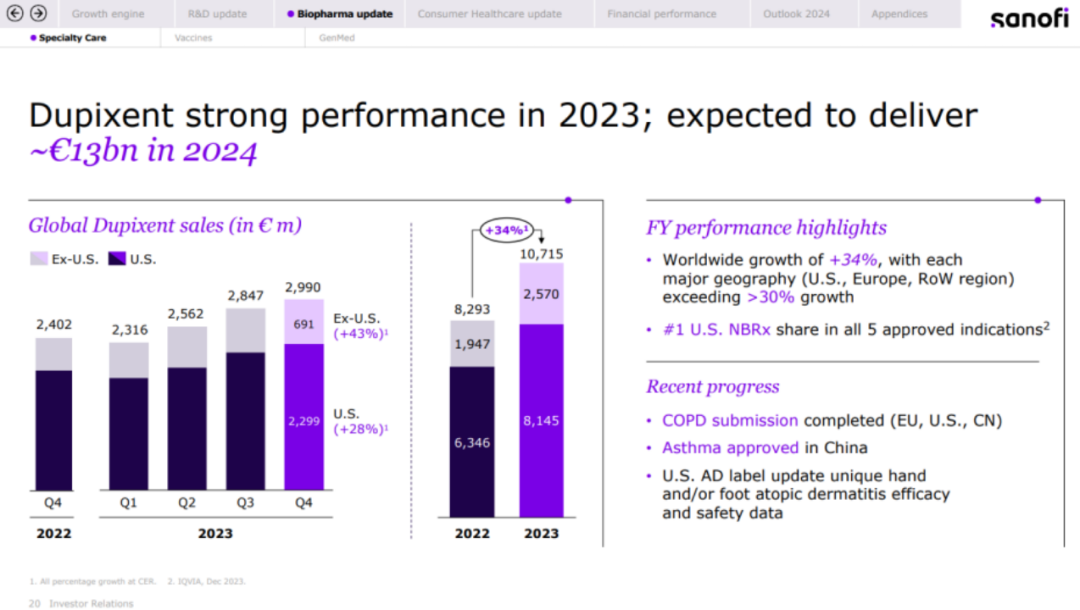
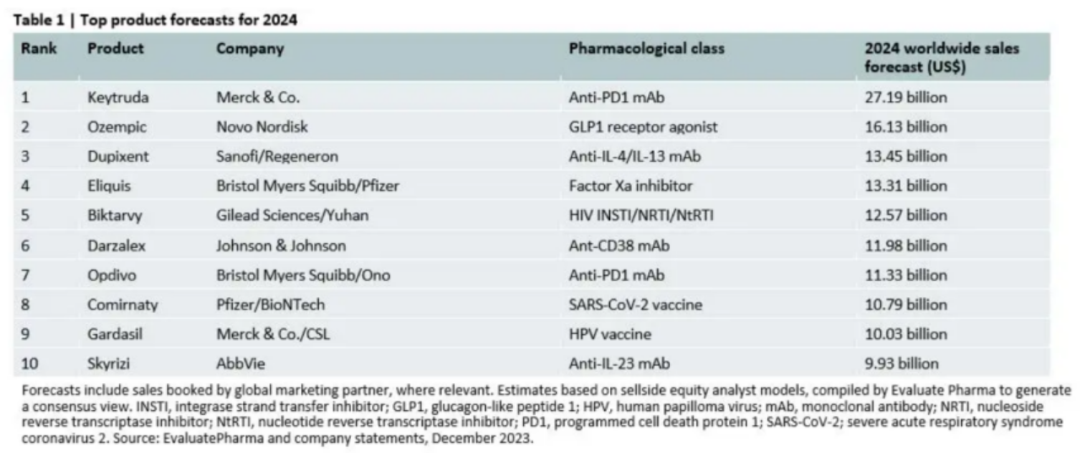
At the end of 2023, a Nature magazine subsidiary published "TOP Product Forecasts for 2024," predicting the top 10 products by sales in 2024. AbbVie's Humira fell out of the top 10, while Sanofi's Dupixent is expected to enter the top three.
The industry's optimism is not unfounded. The reason why dupilumab has become a blockbuster is not only due to Sanofi's global market expansion strategy but also because of the unique efficacy of IL-4R drugs and the continuous expansion of indications. IL-4Rα is a key target for autoimmune diseases, with broad biological activity, playing a role in the development of various autoimmune diseases.
Therefore, Dupilumab has been continuously expanding its indications since it came to market. It currently covers patients with moderate-to-severe AD across all age groups and has also been approved for multiple indications including asthma, eosinophilic esophagitis, prurigo nodularis, and chronic rhinosinusitis with nasal polyps. In addition, several other indications are still under expansion, such as chronic spontaneous urticaria, chronic obstructive pulmonary disease, seasonal allergic rhinitis, and pruritus. The industry widely believes that the peak sales of Dupilumab have yet to come.
In the Chinese market, Dupilumab has also achieved remarkable results. Data shows that from 2020 to 2022, Dupilumab's sales in China increased year by year. In 2022, the sales of Dupilumab in public medical institutions in China reached 959 million yuan, increasing by 209% compared to 2021. Behind the surge in Dupilumab’s sales, one key factor lies in its product differentiation—it is the first and only approved IL-4R monoclonal antibody in its class, with no direct competitors currently available. On the other hand, since its launch, Dupilumab has been continuously expanding its indications. To quickly enter the national medical insurance catalog, the company proactively chose to reduce the price. After being included in the national medical insurance, sales volume significantly increased. These multiple advantages are now helping Dupilumab make a strong push for the position of the new "blockbuster drug" in the autoimmune field.
In order to defend the throne of the revenue king in the autoimmune business, AbbVie is also making continuous efforts. In February this year, AbbVie announced its 2023 financial report, with the company achieving revenue of $54.318 billion, a year-on-year decrease of 6.4%; net profit was $4.863 billion, a year-on-year decrease of 58.91%. Among them, AbbVie's flagship product Humira (Humira) revenue fell by 32.2% to $14.404 billion. As the once most profitable drug globally, the former "drug king" has officially stepped down.
In 2023, the sales ban on biosimilars of Humira was lifted in the United States. Companies such as Boehringer Ingelheim, Pfizer, Samsung Bioepis, Mylan, and Sandoz are actively dividing and eroding the market for related drugs, and this offensive is expected to intensify this year.In recent years, in response to the "cash cow" patent cliff crisis, AbbVie has vigorously supported alternative candidates to take the lead. The annual growth rate of its JAK1 inhibitor upadacitinib (Rinvoq) in the AD field has reached 57.4%. With continuous penetration in seven indications—rheumatoid arthritis, psoriatic arthritis, atopic dermatitis, ulcerative colitis, ankylosing spondylitis, non-radiographic axial spondyloarthritis, and Crohn's disease—upadacitinib’s sales in 2023 surged significantly to $3.969 billion.
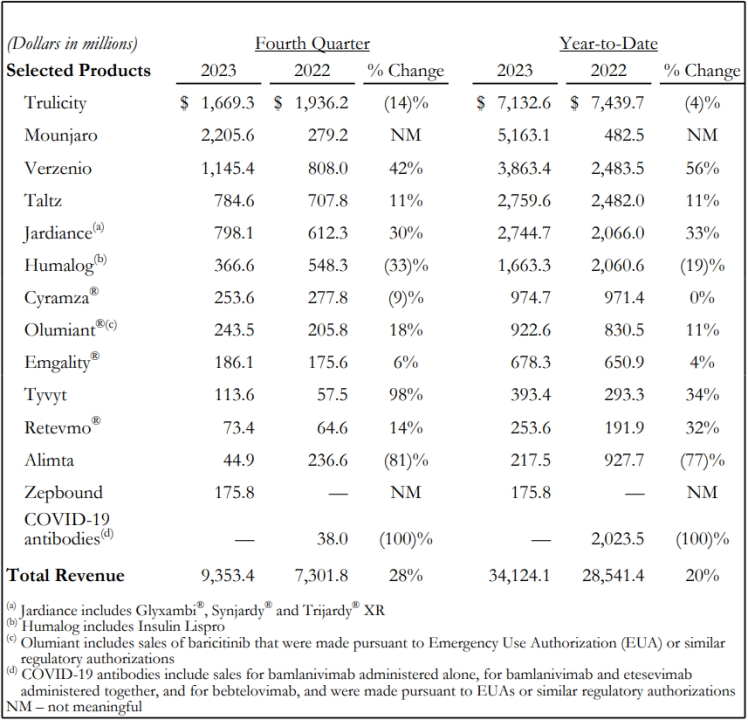
Another JAK inhibitor from Eli Lilly is Baricitinib (Olumiant). In 2017, Baricitinib tablets were approved for marketing in the United States. To date, the U.S. FDA has approved Baricitinib tablets for four indications: rheumatoid arthritis, AD, coronavirus infection, and alopecia areata. Baricitinib tablets were first approved for import in China in June 2019 and have been approved in China for treating rheumatoid arthritis and alopecia areata. With the continuous expansion of its indications, especially for alopecia areata, Baricitinib achieved sales of $922.6 million in 2023 and is expected to exceed one billion dollars in 2024.
From the layout of leading companies in the AD track, the next "blockbuster drug" in the autoimmune field will undoubtedly emerge from a fiercely competitive market.
Autoimmune diseases are the third largest category of diseases, following chronic diseases and cancer, with typical examples such as systemic lupus erythematosus, rheumatoid arthritis, psoriasis, psoriatic arthritis, myasthenia gravis, polymyositis, multiple sclerosis, ankylosing spondylitis, and vitiligo. The main indications for the former "blockbuster drug" Humira were rheumatoid arthritis and ankylosing spondylitis, two autoimmune diseases, which helped it top the global drug sales for over a decade.
Data shows that the global autoimmune disease drug market is expected to reach $176 billion by 2030. This massive drug market size naturally attracts the attention of many multinational corporations (MNCs). Outside the AD track, the autoimmune disease field has no shortage of potentially重磅 varieties.
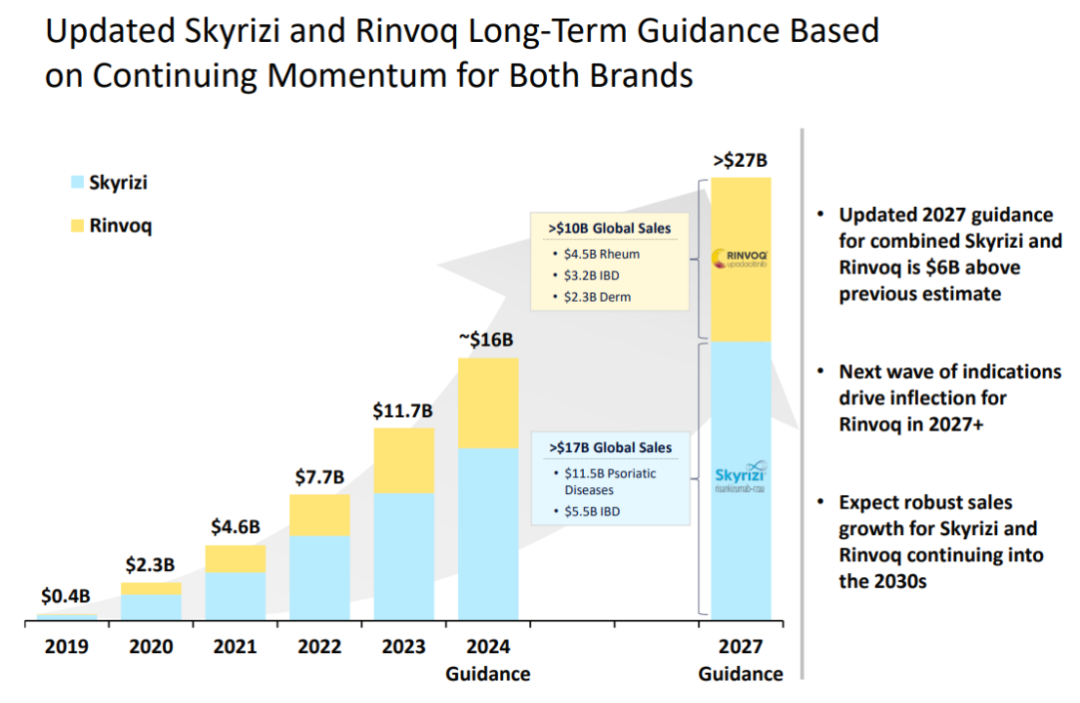
Immunology is AbbVie's core business without a doubt, with a total revenue of $26.136 billion in 2023, a year-on-year decrease of 9.6%, accounting for half of the total income. To consolidate its dominant position in the autoimmune business, AbbVie, on the one hand, strengthens patent protection to extend the product lifecycle; on the other hand, it is actively exploring potential products. Among them, the IL-23 monoclonal antibody Risankizumab (Skyrizi, formerly known as Rizacetamab) and the JAK1 inhibitor Upadacitinib (Rinvoq) are gradually taking over the baton from Humira, achieving more than 50% growth in 2023, with a combined revenue of $11.733 billion.
Among them, Risankizumab entered the global market for the first time in 2019 and has so far gained approval for five indications, including plaque psoriasis, psoriatic arthritis, Crohn's disease, generalized pustular psoriasis, and erythrodermic psoriasis. In 2024, Risankizumab is also expected to receive approval from the U.S. FDA for a new indication of ulcerative colitis. Since its launch, the sales of Risankizumab have been growing in leaps and bounds, maintaining a high double-digit growth rate every year. At this growth rate, it is no problem for its revenue to exceed 10 billion U.S. dollars in 2024. Of course, the strong development momentum of Risankizumab is closely related to AbbVie’s carefully planned aggressive strategy. It is reported that AbbVie is promoting nearly 60 clinical studies around Risankizumab.
Johnson & Johnson's immunology business has always been one of its strong sectors. In 2023, the company generated an annual revenue of $18.041 billion from this segment. Products such as ustekinumab (Stelara), infliximab (Remicade), guselkumab (Tremfya), and golimumab (Simponi) collectively drove the growth. However, due to competition from biosimilars, the sales of infliximab continued to decline, with revenues reaching only $1.839 billion in 2023.
Ustekinumab remains the main growth driver of Johnson & Johnson's immunology segment and is the company’s best-selling pharmaceutical product, with a year-over-year increase of 11.7% to $10.858 billion in 2023, officially entering the billion-dollar club. However, its U.S. patent expired in September 2023, indicating that it will face competition from a wave of biosimilars in the coming years. Currently, two ustekinumab biosimilars have been approved globally, with two more filed for marketing approval. Forecasts suggest that ustekinumab’s sales could drop by $2 billion by 2024.
Similar to AbbVie, Johnson & Johnson's product portfolio in the autoimmune field is also about to face the dilemma of "internal and external troubles." To this end, Johnson & Johnson is looking for the next engine to support the continuous growth of its autoimmune performance. Previously, Johnson & Johnson had introduced a FcRn monoclonal antibody, nipocalimab, from Momenta for $6.5 billion in 2020 and placed high hopes on it. Multiple clinical studies are currently underway. In addition, three candidate small-molecule IL-23R inhibitors that Johnson & Johnson introduced from Protagonist in 2019 have entered the phase 1-3 clinical development stage; among them, JNJ-2113 is the most advanced and is conducting a phase 3 study for the treatment of plaque psoriasis.
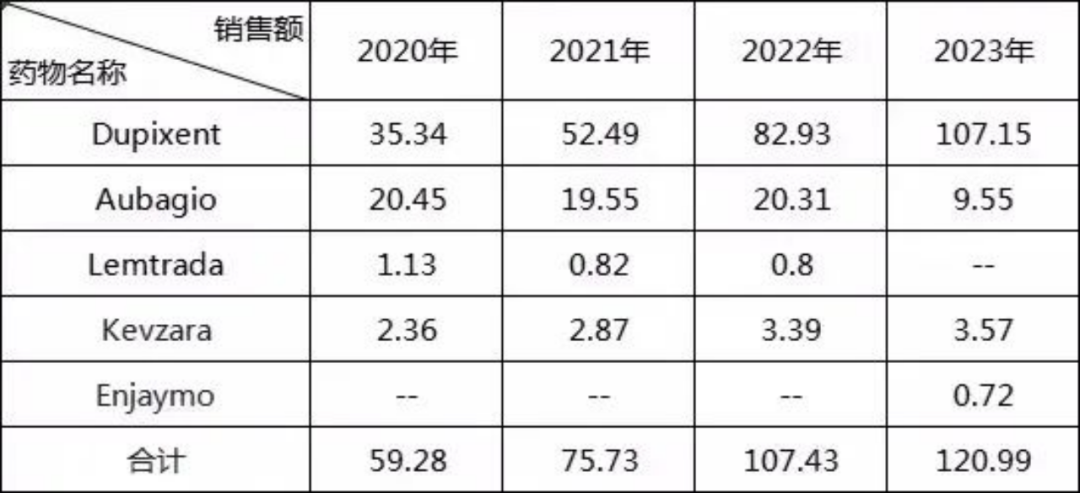
Boosted by Dupixent, Sanofi's revenue in the autoimmune business segment reached $12.074 billion in 2023, ranking third globally. In addition to the continuously expanding Dupixent, Sanofi has made significant investments in the autoimmune field, establishing a comprehensive product portfolio and a tiered product system. Currently, Sanofi's commercialized products also include two multiple sclerosis (MS) treatments, Aubagio and Lemtrada, as well as two promising products: the IL-6 antibody Kevzara and the C1s complement-targeted antibody Enjaymo.
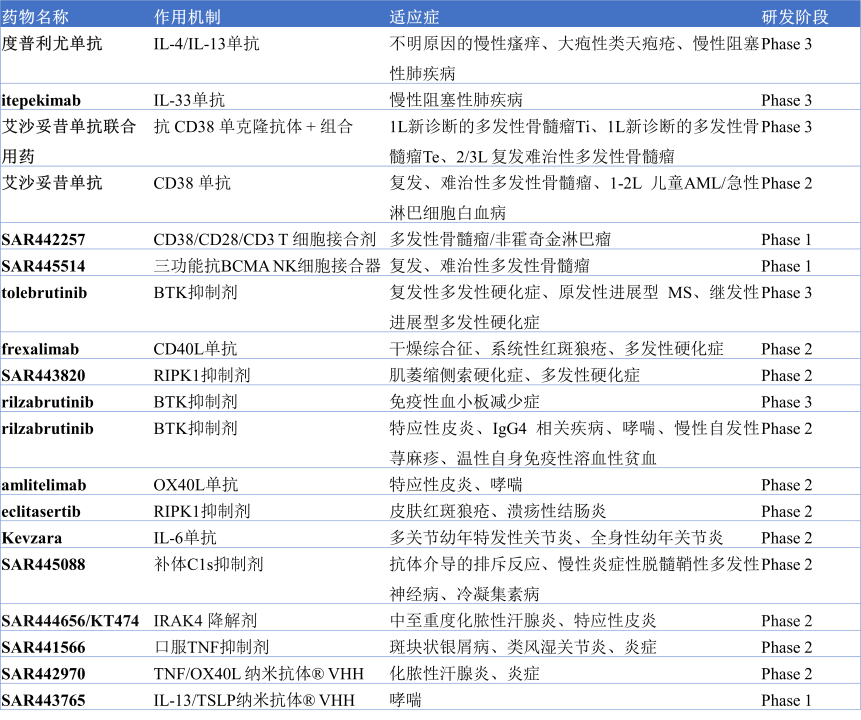
By the end of 2023, Sanofi held its global investor R&D day to showcase its current pipeline portfolio. Reports indicate that approximately 12 new molecular entities have the potential to become blockbusters, with 9 targeting autoimmune diseases. These include targets such as OX40, IRAK degradation, CD40L, TL1A, IL33, and BTK, demonstrating significant strength. Industry insiders suggest that at this rate of development, Sanofi may surpass AbbVie and Johnson & Johnson to dominate the autoimmune sector within three years.
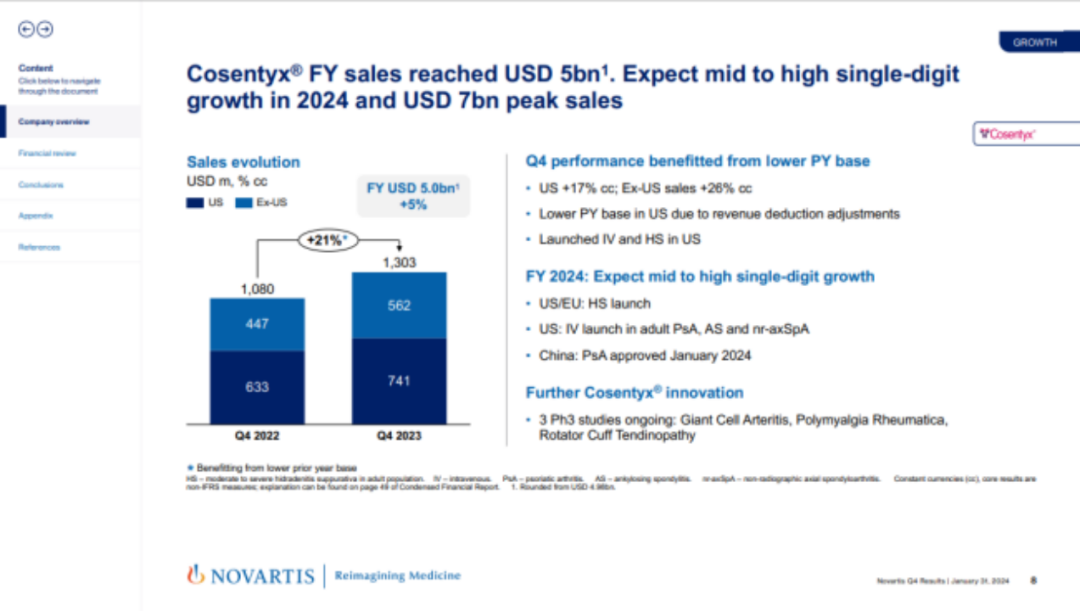
Novartis is also a key player in the autoimmune field, with its 2023 autoimmune business revenue reaching $7.798 billion, an 8% increase year-on-year, mainly driven by the IL-17A monoclonal antibody secukinumab (Cosentyx, $4.98 billion, +5%). The initial formulation of secukinumab was a subcutaneous injection. In October 2023, the intravenous injection formulation of this product was approved for marketing by the U.S. FDA for the treatment of adult psoriatic arthritis (PsA), ankylosing spondylitis (AS), and non-radiographic axial spondyloarthritis (nr-axSpA). Novartis expects that secukinumab will achieve mid-to-high single-digit growth in 2024, with peak sales around $7 billion.
Moreover, the anti-IgE targeted biologic omalizumab (Xolair) and the IL-1β blocker canakinumab (Ilaris) also performed robustly at blockbuster levels, generating revenues of $1.463 billion (+9%) and $1.355 billion (+22%), respectively. Recently, omalizumab achieved another milestone in its indications, receiving U.S. FDA approval for the treatment of IgE-mediated allergic reactions that may occur in adults and children over 1 year old due to accidental exposure to one or more foods.
In addition, Novartis has laid out many autoimmune pipelines in clinical trials, such as the BTK inhibitor Remibrutinib, the α5β1 agonist LNA043, and the CFB inhibitor iptacopan.
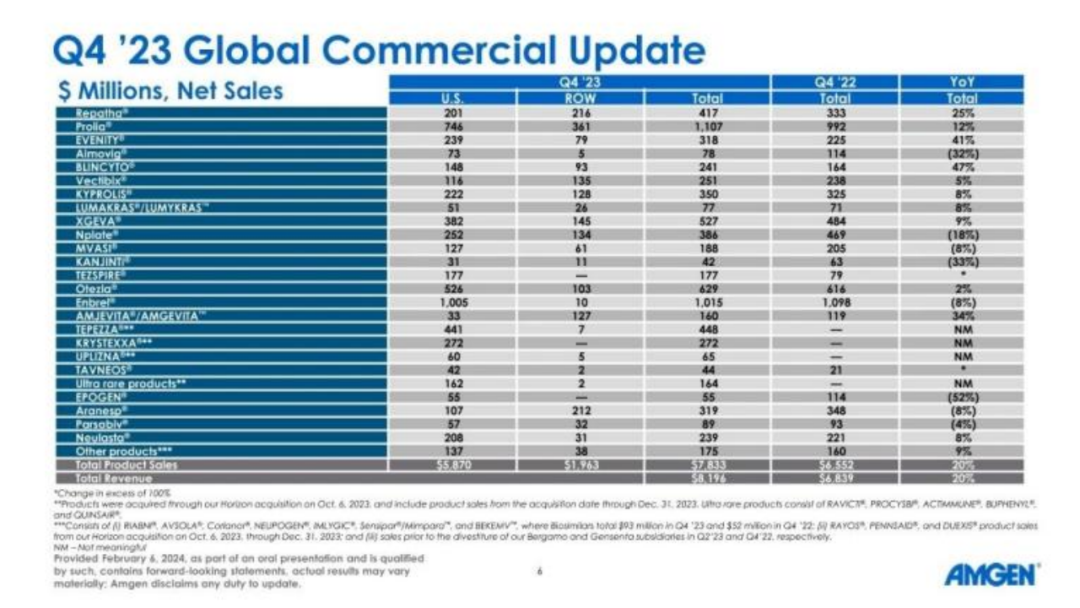
With revenue of $7.078 billion, Amgen narrowly beat Roche to secure the fifth and final spot in the autoimmune TOP5. Amgen's revenue in the autoimmune field mainly comes from Enbrel (etanercept), Otezla (apremilast), the adalimumab biosimilar Amgevita, and the TSLP antibody Tezspire (tezepelumab). These four drugs collectively contributed $7.078 billion to its revenue. Among them, Otezla, a psoriasis drug acquired from Celgene for $13.4 billion, generated nearly $2.2 billion in sales for Amgen in 2023. The drug's biggest advantage is its safety, and it remains the only approved oral systemic therapy with broad indications. Since its launch in the U.S. in March of last year, Amgevita has also shown impressive revenue performance, with sales increasing by 34% in the fourth quarter and 36% for the full year due to continued volume growth. Additionally, the new product Tezspire continued to penetrate the market, generating $567 million in revenue in 2023.
At the same time, Amgen is conducting multiple clinical studies on Tezspire, including for the treatment of chronic rhinosinusitis with nasal polyps (Phase III), eosinophilic esophagitis (Phase III), and COPD (Phase II). Notably, in Amgen's autoimmune pipeline, there is also the first-in-class OX40 monoclonal antibody Rocatinlimab, which is currently in Phase III trials for the treatment of moderate to severe atopic dermatitis.
It can be seen that the vast market in the autoimmune field has become a popular area fiercely pursued by major pharmaceutical companies. However, even heavyweights like AbbVie's Humira and Johnson & Johnson's Stelara will eventually face their sunset days. In order to address the revenue loss brought by patent expiration, pharmaceutical giants are actively developing subsequent pipelines. It is not hard to imagine that this track will witness the arrival of more blockbuster drugs in the future.




www.yyjjb.com.cn
Insight into Industry Trends

"Pharmaceutical Economy Newspaper"
Academic Official Account
Focus on the Frontier of Oncology Academia

Terminal Official Account