

Johnson & Johnson and Protagonist Therapeutics Announce Positive Long-Term Phase 2b Data for Oral Peptide JNJ-2113 in Moderate-to-Severe Plaque Psoriasis

Protagonist Therapeutics
Developer of Novel Therapies

Johnson & Johnson
Healthcare Product Manufacturers, Health Service Providers

Preface
Recently, Johnson & Johnson announced the first set of data from FRONTIER 2, the long-term extension study of the Phase IIb clinical trial FRONTIER 1 for JNJ-2113, an antagonistic oral cyclic peptide molecule targeting the IL-23 receptor (IL-23R) developed in collaboration with Protagonist Therapeutics, for the treatment of moderate to severe plaque psoriasis (PsO).
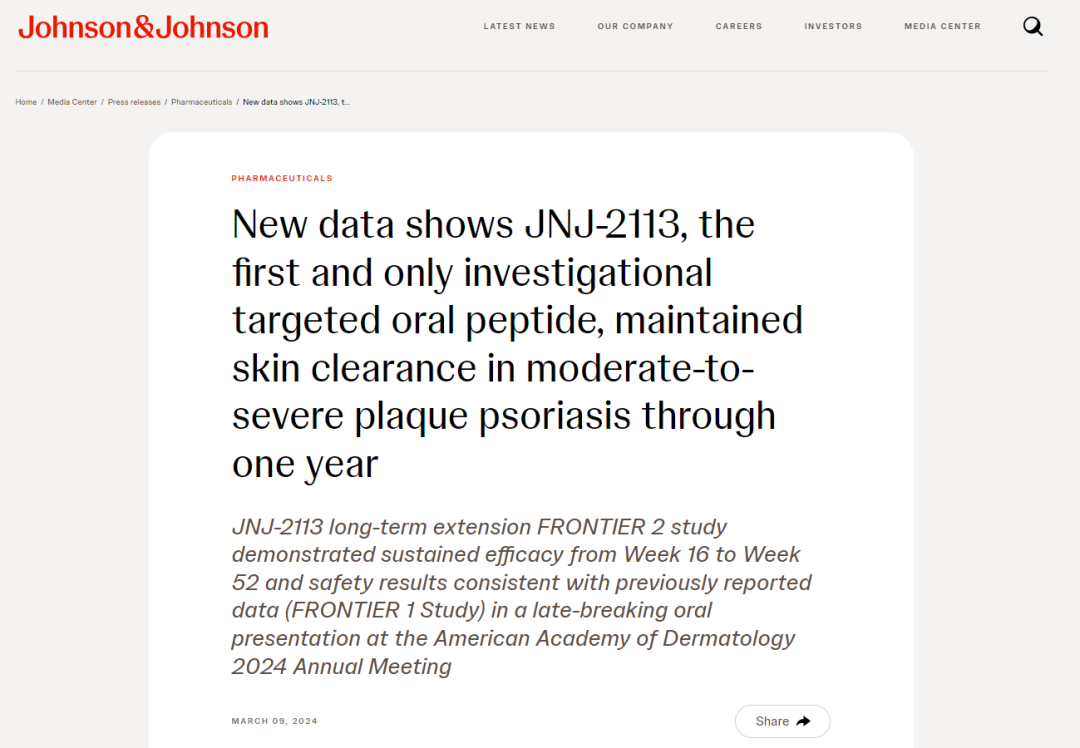
Figure 1. Screenshot of J&J's official website
The results of the FRONTIER 2 study, released this time, show that the sustained efficacy and safety outcomes from week 16 to week 52 in patients treated with JNJ-2113 are consistent with the data reported in the FRONTIER 1 study: based on the PASI assessment criteria, the response rates of the five JNJ-2113 treatment groups were maintained from week 16 to week 52, with the highest PASI 75 response rate observed in the group receiving 100 mg twice daily (78.6% at week 16 and 76.2% at week 52).All primary secondary endpoint results of the five JNJ-2113 treatment groups were maintained from Week 16 to Week 52.
Safety data were consistent with FRONTIER 1. In the JNJ-2113 treatment group, 58.6% of patients experienced adverse events (AEs), with no evidence that the increase in AEs (including gastrointestinal disturbances) was dose-related. The most commonly reported AEs were nasopharyngitis (18.1%), upper respiratory tract infection (9.7%), and COVID-19 (5.3%).

About Psoriasis
Psoriasis, also known as "psoriasis vulgaris," is one of the most common skin diseases, with an estimated global prevalence of over 125 million people affected. Among all patients with plaque psoriasis, nearly a quarter suffer from moderate to severe cases.
Psoriasis falls within the scope of autoimmune diseases, which are "clinical syndromes caused by the activation of T cells and B cells or both, in the absence of ongoing infection or other identifiable causes," similar to other immune-mediated diseases such as Crohn's disease, rheumatoid arthritis, multiple sclerosis, and juvenile diabetes.
Two fundamentally different cell types interact in the formation of psoriatic lesions: epidermal keratinocytes and immune cells. Chemokines produced by epidermal keratinocytes act on both the innate and adaptive immune systems, stimulating DCs, neutrophils, and other innate mediators as well as T cells. Keratinocytes also release cytokines and growth factors, leading to altered gene expression and regenerative hyperplasia, and induce adhesion molecules for T cells on keratinocytes. Cytokines derived from the immune system, in turn, act on keratinocytes, inducing inflammatory genes or increasing proliferation.
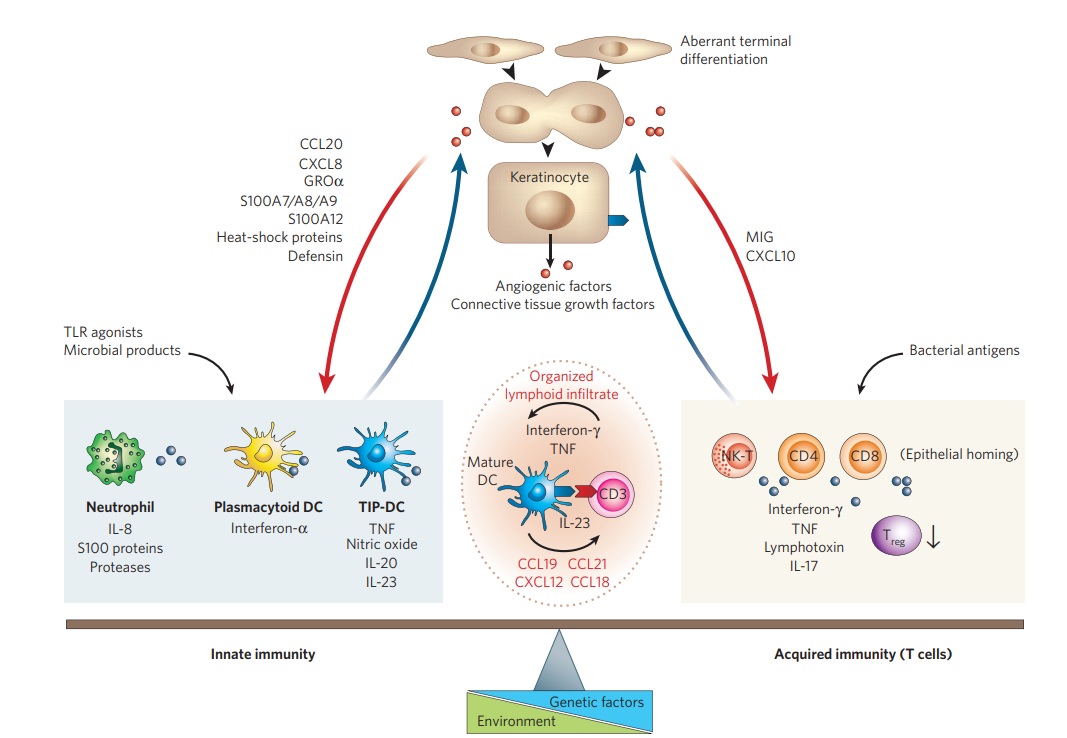
Figure 2. Psoriasis Cell Response Mechanism
Due to the increased proliferation of keratinocytes in the epidermis, the epidermis is significantly thickened, and the epidermal invaginations (downward undulations of the epidermis) become very elongated, forming long, thin downward projections into the dermis (Figure 3). The differentiation of keratinocytes is extensively altered in psoriasis, paralleling "regenerative maturation," an alternative cell differentiation program transiently expressed during wound repair. Psoriatic plaques have a surface scale, which is caused by the abnormal terminal differentiation of keratinocytes, resulting in a greatly reduced or absent granular layer of the epidermis in psoriatic lesions.
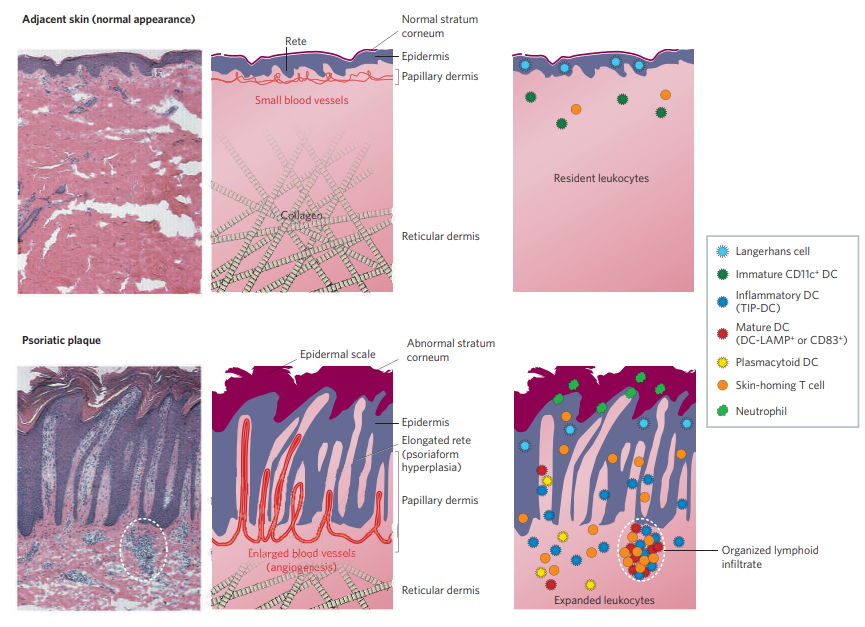
Figure 3. Histology of Normal Skin and Psoriatic Lesions
Plaque Psoriasis is the common form of psoriasis, characterized by red, scaly, raised patches. While plaque psoriasis can occur in children, it typically begins in late adolescence or early adulthood and then usually persists for life. Typical plaque psoriasis favors certain areas such as the elbows, knees, and scalp. Over time, it may remain localized or become generalized. Psoriasis has different clinical subgroups with identical histopathological changes in the skin.
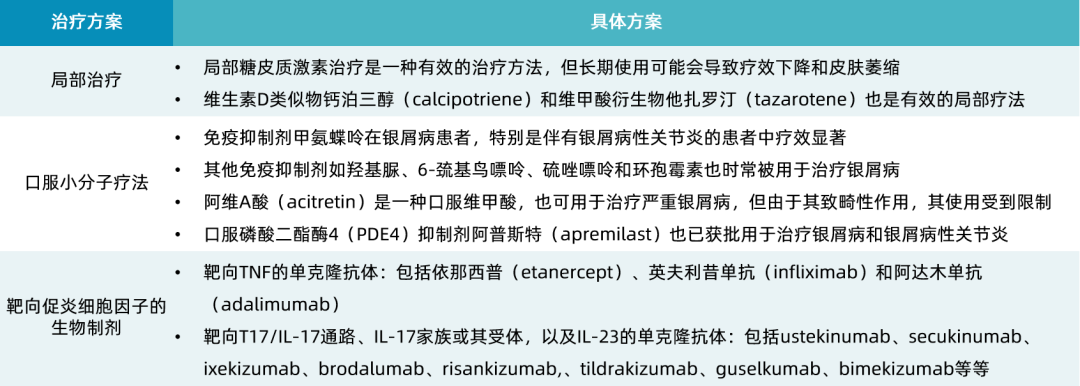
Currently, the treatment options for psoriasis include topical treatments, oral small molecules, and injectable biologics that target pro-inflammatory cytokines.
Table 1. Psoriasis Treatment Options
About JNJ-2113
In 2017, Janssen Biotech entered into a nearly $1 billion collaboration agreement with Protagonist Therapeutics to jointly develop an oral therapy targeting IL-23R. JNJ-2113 is the result of this collaboration, with Johnson & Johnson holding global exclusive rights for the development and commercialization of JNJ-2113. It entered Phase I clinical trials on December 16, 2020, progressed to Phase II on March 2, 2022, and advanced to Phase III on October 23, 2023. The progression from Phase I to Phase III took less than three years, indicating a relatively rapid advancement.
JNJ-2113 is a first-in-class oral peptide IL-23R antagonist that binds to the IL-23 receptor with high affinity. It can be absorbed through oral administration, selectively blocking IL-23 signaling and the production of downstream inflammatory cytokines.The IL-23/IL-23R signaling pathway plays a crucial role in the pathogenesis of immune-mediated inflammatory diseases, including psoriasis, psoriatic arthritis, and inflammatory bowel disease.
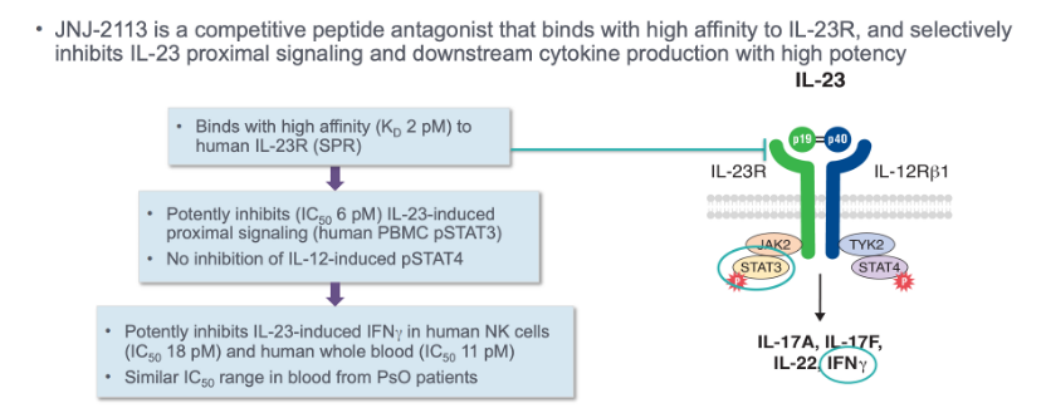
Figure 4. Mechanism of Action of JNJ-2113
The recently announced FRONTIER 1 and FRONTIER 2 are Phase IIb clinical trials, where FRONTIER 1 is a randomized, multicenter, double-blind, placebo-controlled clinical trial lasting 16 weeks, divided into six groups based on different dosing regimens and frequencies.
At Week 16, a higher proportion of patients treated with JNJ-2113 achieved PASI 75 (primary endpoint) as well as PASI 90 and PASI 100 (secondary endpoints) compared to placebo. These three indicators represent at least 75%, 90%, and 100% improvement in skin lesions as measured by the Psoriasis Area and Severity Index, supporting its progression into Phase III clinical development.
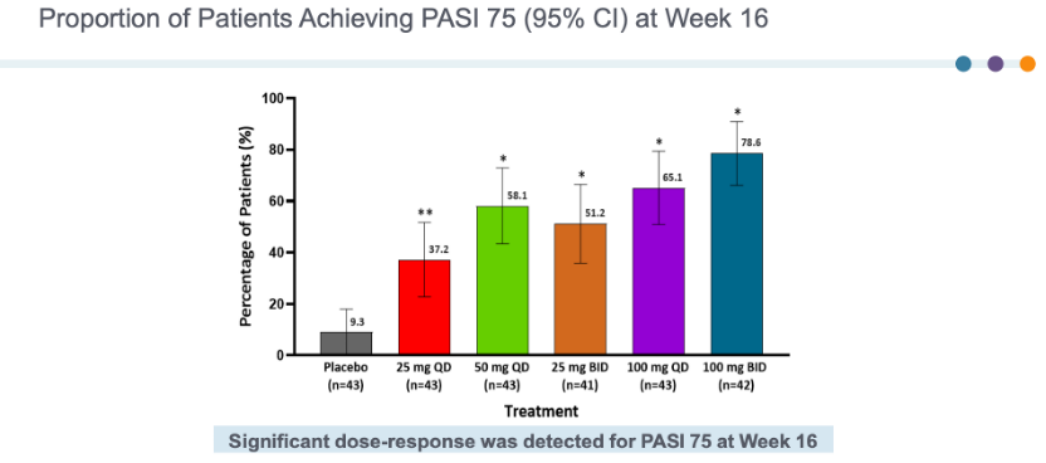
Figure 5. FRONTIER 1 Clinical Data
The full data from the recently announced FRONTIER 2 further validates the durability of JNJ-2113's efficacy.Currently, several pivotal Phase III clinical trials of JNJ-2113 for the treatment of moderate to severe plaque PsO are underway, aiming to evaluate the safety and efficacy of JNJ-2113 as a monotherapy or in combination with the selective TYK2 inhibitor deucravacitinib in adult patients with moderate to severe plaque PsO.
In addition, the results of the FRONTIER 1 and FRONTIER 2 studies indicate that JNJ-2113 has the potential to treat other IL-23-mediated diseases. Therefore, J&J initiated the Phase IIb ANTHEM-UC study to evaluate the safety and efficacy of JNJ-2113 compared to placebo in patients with moderate to severe active ulcerative colitis.
[1] Johnson & Johnson Official Website
[2] Newblue Knowledge Sharing: Pathogenesis of Psoriasis
- END -

Flagship Report


Column Recommendation






Peptide Research Society

Biopharmaceuticals · Beauty & Personal Care · Nutrition & Health
Animal Health · Green Agriculture · Biomaterials
Professional Focus | Achieving Customer Success | Growing Together