

Novo Nordisk Bets Big on Molecular Glue Degraders with Neomorph Deal to Expand Beyond Metabolic Diseases
Novo Nordisk
Insulin Developer and Manufacturer
Neomorph
Molecular Glue Drug Developer

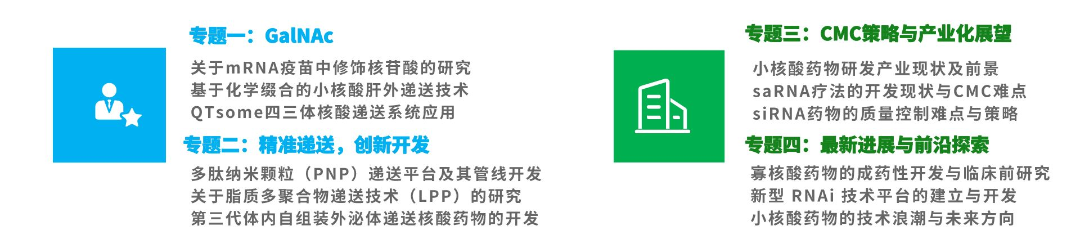
(Overview of the Summit Structure)
Novo Nordisk, the "global second-largest pharmaceutical company by market value" that rakes in substantial profits in the Type 2 diabetes and obesity sectors, is continuing to deepen its focus on metabolic diseases while expanding into other fields and drug modalities.
Recently, Novo Nordisk signed a collaboration and license agreement with Neomorph, Inc., a biotech company headquartered in San Diego, U.S. The core focus of the agreement is on cardiovascular diseases and rare diseases, with the drug molecule modality being molecular glue degraders.
The specific breakdown of the payment has not been disclosed by the partners, but the total value of the deal could reach up to $1.46 billion, plus tiered royalties.
Heavily Betting, What Exactly Are Molecular Glue Drugs?
01
What are molecular glue drugs?
In the past decade, the discovery of molecular glue degraders has relied on serendipity.
The most well-known molecular glue degraders are thalidomide and its analogs, such as lenalidomide and pomalidomide, collectively referred to as immunomodulatory imide drugs (ImiDs).
But these drugs were not initially developed as molecular glues when they came to market; they became molecular glues after FDA approval.
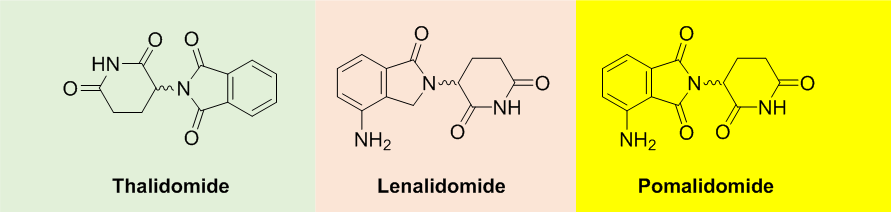
Figure 1 Chemical structures of approved molecular glue drugs
Image Source: Monte Rosa Therapeutics
E3 ubiquitin ligase cereblon (CRBN) is the effector protein of thalidomide. Thalidomide binds to CRBN, then recruits and degrades neosubstrates (i.e., pathogenic proteins), which is an early example of molecular glue-induced targeted protein degradation (TPD).
The reason why molecular glue drugs are gradually becoming popular is determined by the specificity of protein-protein interactions (PPI).
The pathology of many diseases is triggered by PPIs, but many protein targets are considered undruggable. This is because these protein targets lack the "friendly receptor" deep pocket binding regions, so conventional small molecules cannot bind to these targets, or even if they do bind, they fail to influence the disease-causing PPIs, rendering them biologically ineffective.
For these undruggable pathogenic protein targets, molecular glue drugs can direct ubiquitin to the target pathogenic protein (also known as protein of interest, POI, or neosubstrate) by recruiting E3 ubiquitin ligases (such as cereblon), thereby ubiquitinating it.
Once the target protein is ubiquitinated, it is marked for degradation.The target proteins that undergo ubiquitination are subsequently sent to the proteasome in the protein degradation system. Within these proteasomes, the target proteins are broken down into smaller peptide fragments and eventually decomposed into amino acids, which can be reused by the cell (Figure 2).
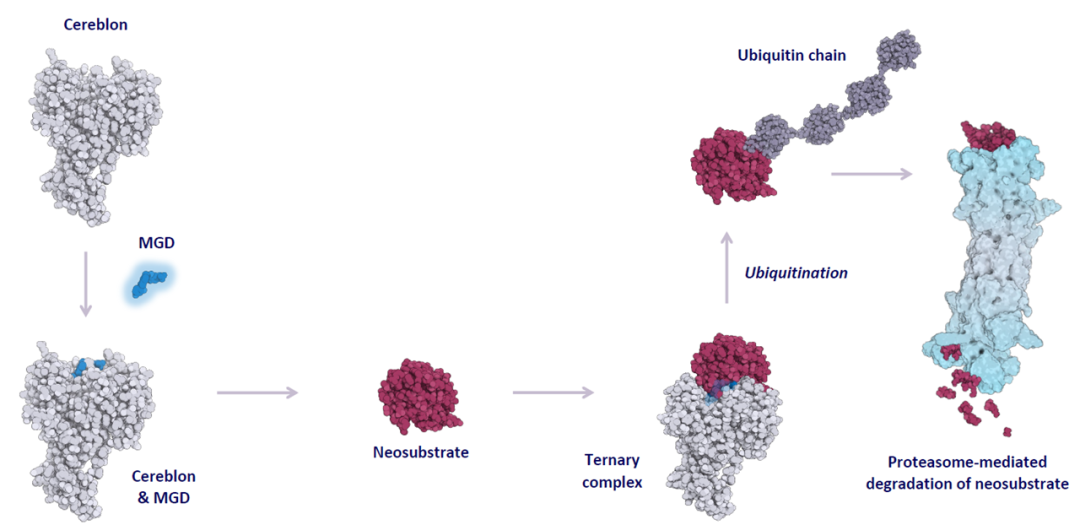
Figure 2 Schematic diagram of the process by which molecular glue degraders mediate the binding of the E3 ubiquitin ligase Cereblon to the target protein, triggering its ubiquitination and eventual degradation.
Image Source: Monte Rosa Therapeutics
The process of bringing E3 ubiquitin ligases together with target proteins is not as easy as imagined, and not all protein targets can be easily "captured" by ubiquitin ligases.
Small molecule drugs acting as molecular glues have emerged in this context, helping ubiquitin ligases adhere better to target proteins. Molecular glues can induce the aggregation of two proteins that typically do not interact.
In other words, molecular glue serves as a medium that binds the target protein to the E3 ubiquitin ligase. Through this facilitating action, ubiquitin is directed towards the pathogenic protein, ultimately leading to its destruction.
02
Molecular Glue Drug Pipeline and Transactions
The most important application field of molecular glue drugs is still the anti-tumor field (especially multiple myeloma). The main marketed products and pipeline assets are shown in Table 1.
Table 1 Molecular Glue Anticancer Drug Products
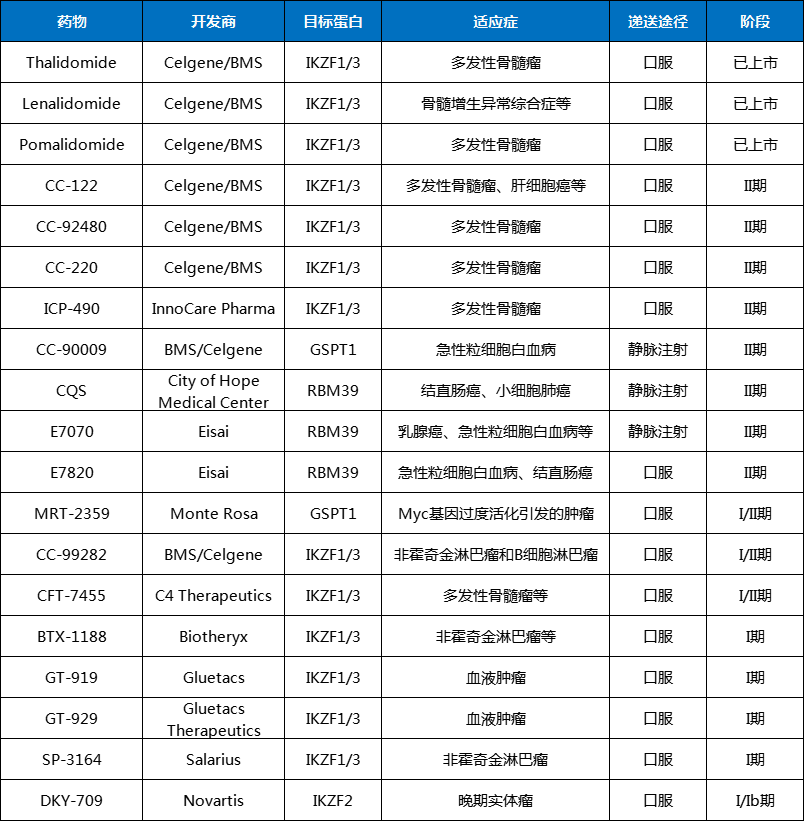
Data Source: Clinicaltrials.gov
In terms of molecular glue drug transactions,Novo Nordisk and NeomorphThe deal involving molecular glue drugs is the latest in a recent series of similar agreements.
September 2023,GenentechPrepay $470 million for Orionis Biosciences' molecular glue platform to apply the technology toward oncology and neurodegenerative disease targets. Similar to the collaboration models with Novo and Neomorph, Orionis will be responsible for leveraging its molecular glue platform to discover and optimize small molecule drugs, primarily for oncology and neurodegenerative diseases. Genentech will take charge of advancing drug candidates into preclinical and clinical development. Genentech has committed up to $2 billion in funding for this deal.
April 2023,Merck & Co.With Vienna BiotechProxygenSigned a potential contract worth $2.55 billion, entering the molecular glue field. Prior to this, Proxygen had already signed a cooperation agreement worth $554 million with Germany's Merck, and in 2020, also reached a cooperation agreement with Boehringer Ingelheim.
03
The Rising Stars in Molecular Glue Drug Development
As the field of targeted protein degradation develops and expands, molecular glues have become the focal point of collaboration between startups and large pharmaceutical companies. This is evidenced by the molecular glue drug development agreements signed by biopharmaceutical giants such as Novo Nordisk, Genentech, Merck & Co., Boehringer Ingelheim (BI), and Merck KGaA, with startups possessing molecular glue drug development platforms gaining significant industry attention.
C4 Therapeutics
Headquarters: Watertown, Massachusetts, USA
Established: 2015
Market Value: $670 Million
Molecular Glue Asset: CFT7455
Indications: Multiple Myeloma and Non-Hodgkin's Lymphoma
Phase: 1/2
C4 Therapeutics was initially spun off from the Dana-Farber Cancer Institute and focuses on the field of targeted protein degradation. Using its proprietary TORPEDO platform, the company has developed orally bioavailable small-molecule degrader drugs.
C4 Therapeutics' platform enables it to uniquely design two types of molecular glues (MonoDAC degraders) as well as heterobifunctional degraders (BiDAC degraders).
C4 Therapeutics is developing a molecular glue called CFT7455, which is currently in Phase 1/2 clinical trials for the treatment of multiple myeloma and non-Hodgkin lymphoma. This molecular glue binds with high affinity to the E3 ligase Cereblon, targeting and degrading IKZF1/3. IKZF1/3 are transcription factors necessary for the growth and survival of cancer cells in multiple myeloma and non-Hodgkin lymphoma. In 2021, CFT7455 received orphan drug designation from the FDA for multiple myeloma.
Degron Therapeutics (Dagge Biotech)
Headquarters: Shanghai, China
Established: 2021
Molecular Glue Assets: No Clinical Assets Yet
Degron Therapeutics was founded in April 2021 and is headquartered in Shanghai.Degron owns a proprietary technology platform named GlueXplorer. Degron currently has three pipeline projects that have entered the lead optimization stage, including first-class targets that play an important role in various cancers and immune diseases.
Magnet Biomedicine
Headquarters: Boston, Massachusetts, USA
Established: 2019
Molecular Glue Assets: No Clinical Assets Yet
Magnet Biomedicine develops molecular glue drugs through its TrueGlue platform, focusing on cancer, cardiovascular diseases, and immune disorders.
Monte Rosa Therapeutics
Headquarters: Boston, Massachusetts, USA
Established: 2018
Molecular Glue Asset: MRT-2359
Indications: Solid tumors caused by overactivation of the Myc gene
Phase: 1/2
Monte Rosa Therapeutics, headquartered in Boston, is another small company focused on developing molecular glue drugs. Monte Rosa utilizes its QuEEN platform for the discovery and development of molecular glue drugs. Their lead candidate drug is MRT-2359, which induces the E3 ubiquitin ligase cereblon to target the termination factor GSPT1, leading to the degradation of GSPT1. This candidate drug targets solid tumors caused by the overactivation of the Myc gene, including lung cancer.
In 2022, Monte Rosa entered into a strategic collaboration and licensing agreement with Roche to discover and develop molecular glue degraders. Under the agreement, Monte Rosa will receive an upfront payment of $50 million and is eligible for potential future preclinical, clinical, commercial, and sales milestone payments that could exceed $2 billion.
Orionis Biosciences
Headquarters: Waltham, Massachusetts, USA
Established: 2015
Asset: ORB-011 (Interferon, Non-Molecular Glue)
Indications: Solid Tumors
Phase: Phase 1
It reached an agreement with Genentech in 2023 to develop novel small-molecule drugs for fields such as oncology and neurodegenerative diseases. Under the terms of the agreement, Orionis will receive a $47 million upfront payment and will be responsible for the discovery and optimization of molecular glues targeting designated targets by Genentech, while Genentech will handle subsequent preclinical, clinical development, regulatory, and related work.
Proxygen
Headquarters: Vienna, Austria
Established: 2020
Assets: No clinical assets yet
Vienna-based molecular glue company Proxygen has signed licensing agreements with three major biopharmaceutical companies (Boehringer Ingelheim, Merck, and MSD) since December 2020. In addition to collaboration projects, Proxygen's internal pipeline is advancing toward clinical trials.
Triana Biomedicines
Headquarters: Lexington, Massachusetts, USA
Established: 2019
Assets: No clinical assets yet
In 2022, molecular glue startup Triana Biomedicines secured $110 million in Series A funding. By adopting a target-first and rational approach to molecular glue discovery, Triana aims to develop products suitable for a wide range of therapeutic applications. The company’s innovative platform enables the evaluation and prioritization of over 600 known E3 ubiquitin ligases and their disease-relevant targets, as well as the rapid exploration of diverse chemical spaces to identify molecular glue degraders.
Booths for the Class of 2024 are now available for booking!
(Sponsorship forms include but are not limited toSpeaking slots, exhibition booths, color pages in conference brochures, dinner sponsorship, promotional conference materials, etc.)
Scan to consult immediately!
Phone: 18919162491
WeChat: 18159561825
Email: marketing@truesaw.com