Source of the article: Heart Future; Editor: Bai Xiaofei
Reprint Requirements: If the source of the article is indicated at the beginning of the text, it can be reprinted directly.Recently,Medtronic(Medtronic, NYSE: MDT)Symplicity Spyral Multi-Electrode Renal Denervation (RDN) SystemAlreadyObtained approval from Health Canada.The system underwent 14 years of development and received FDA approval in November 2023, becomingThe Second RDN Product Approved by the FDA。
According to Medtronic, approximately one-quarter of Canadian adults suffer from hypertension.It is estimated that 90% of people will develop hypertension at some point in their lives.。
The Symplicity Spyral system uses catheter ablation technology to target nerves in the patient's renal arteries.Reduce renal sympathetic nerve activity, thereby lowering blood pressure.,Applicable toAntihypertensive Treatment for Hypertensive Patients with Uncontrolled Blood Pressure Despite the Use of Antihypertensive Drugs or Poor Tolerance to Antihypertensive Therapy。
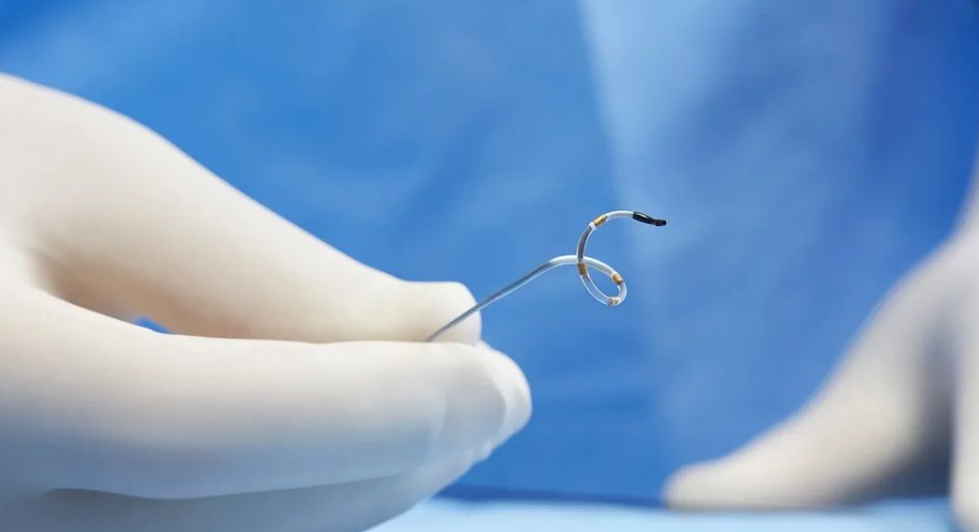
▲SourceSelfCompany Official WebsiteMedtronic stated that the authorization from Health Canada isClinical Evidence Supporting the Symplicity RDN System, proving the following:- More than 1,500 patients experienced a reduction in office systolic blood pressure of >9 mmHg within 3 to 6 months, and a reduction of >18 mmHg over 3 years, andBlood Pressure Continuously Decreased for 3 Years。
- Patients with uncontrolled hypertension despite medicationSignificantly, safely, and durably reduce blood pressure。
- The incidence of adverse events is extremely low., Surgical safety.
- Compared with sham surgery, at 3 years after RF RDN therapyBlood Pressure Control Improved, the time of blood pressure under control was significantly prolonged.
Data shows,A Slight Decrease in Blood Pressure Can Significantly Reduce Cardiovascular Risk——A 5 mmHg reduction in blood pressure leads to a 5% decrease in cardiovascular mortality risk, an 8% reduction in coronary artery disease risk, a 10% decrease in major disease risk, a 13% reduction in cardiovascular events and stroke risk, and a 13% decrease in heart failure risk.Symplicity Spyral SystemSince receiving CE approval in 2013, it has been approved for commercial use in more than 70 countries/regions.Over 25,000 patients have benefited. In China, thanks toHainan Boao Medical Pilot ZoneIn line with the policy, Medtronic collaborates with multiple Chinese cardiology experts to carry out the pilot application of RDN.50 Chinese Hypertension Patients Have Already Benefited from This Innovative Technology。# Symplicity Spyral Multi-Electrode Renal Denervation SystemSymplicity Spyral is aTranscatheter Radiofrequency Ablation Device, by delivering radiofrequency energy through a radiofrequency ablation catheter to the overactive nerves in the renal artery for ablation. This will help patients with hypertension lower their blood pressure and reduce dependence on antihypertensive drugs.
Symplicity Spyral Multi-Electrode Ablation Catheter (Symplicity Spyral) and radiofrequency generator (Symplicity G3).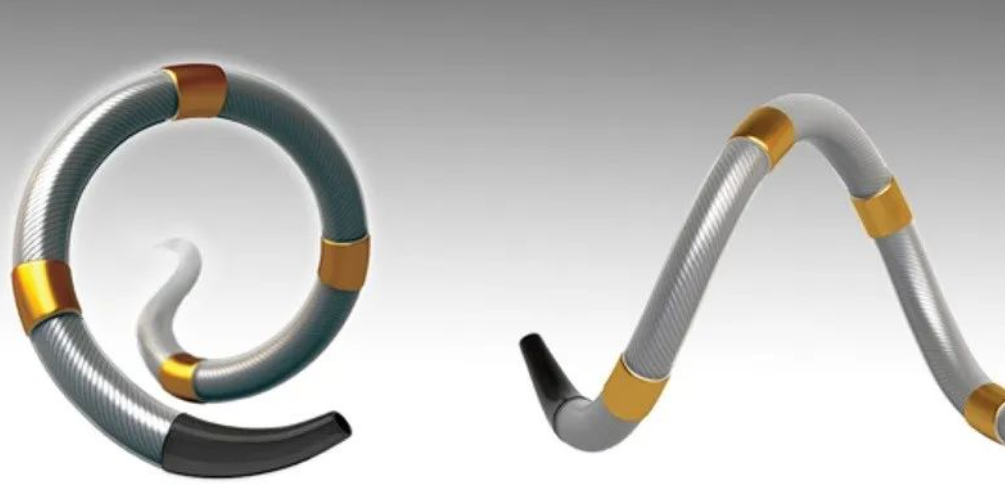
▲Symplicity Spyral Multi-Electrode Renal Denervation Catheter (SourceFromCompany Official Website)
The Symplicity Spyral catheter has four electrodes distributed at the head of the spiral-shaped catheter, enabling 360° ablation and treating renal branches.To maximize the achievement of complete denervationThe Symplicity Spyral catheter is suitable for blood vessels ranging from 3-8mm, offering a wide treatment range. Its specific features are as follows:- A catheter size suitable for vessels ranging from 3 to 8 millimeters;
- 4F catheter, compatible with 6F guiding catheter and 0.014" guidewire;
- Easy-to-use, plug-and-play design;
- The non-occlusive design allows for continuous blood flow, naturally protecting the vessel wall;
- Multi-electrode spiral design simultaneously covers four quadrants, achieving circumferential ablation.
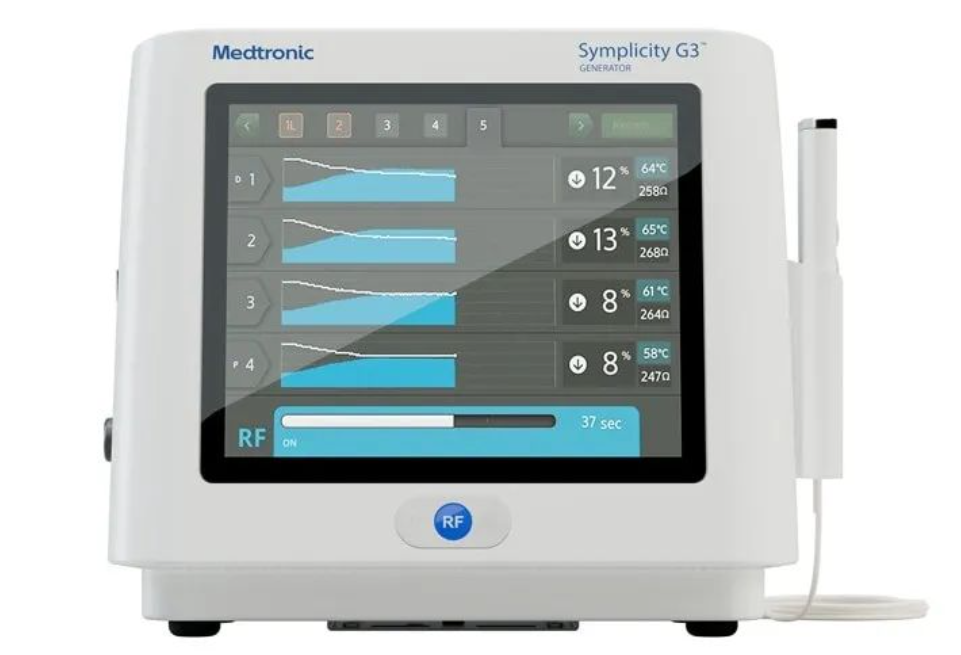
▲Symplicity G3™ Renal Denervation RF Generator (SourceSelfCompany Official Website)Symplicity G3 has Medtronic's unique algorithm, which canProvide precisely controlled RF energy. It canIndependently assess the temperature and impedance feedback of each electrode; Respond according to the monitoring data algorithm to ensure the delivery of appropriate energy. Its specific features are as follows:A unique real-time response algorithm automatically adjusts power by monitoring temperature and impedance to achieve safe energy distribution.
Multi-electrode spiral design simultaneously covers four quadrants, achieving circumferential ablation;
Radiofrequency energy preferentially heats the adipose tissue where renal nerves are located while avoiding non-target structures;
Can achieve denervation of the entire renal anatomy, including distal branches.
# The Twists and Turns of the RDN Exploration JourneyIn 2014, led by MedtronicSYMPLICITY HTN-3 Product Clinical Trial: RDN Did Not Meet Primary Efficacy Endpoint for Hypertension ReductionClinical data show that, in the case where both groups received the highest tolerable dose of three or more antihypertensive drugs (including diuretics), the systolic blood pressure of the control group decreased by 12 mmHg, while the systolic blood pressure of the RDN surgery group decreased by only 14 mmHg. The therapeutic efficacy of RDN for refractory hypertension has been questioned.Then, Medtronic launchedA New Round of Clinical Trials, and published data from two clinical studies in 2020: In the SPYRAL HTN-OFF MED trial, clinical data showed that within 3 months, RDN reduced office systolic blood pressure by 9.2 mmHg (compared to a 2.5 mmHg reduction in the control group) and office diastolic blood pressure by 5.1 mmHg (compared to a 1.0 mmHg reduction in the control group).Reached the primary efficacy endpoint. However, in the SPYRAL HTN-ON MED trial, the mean difference in 24-hour ambulatory systolic blood pressure between the RDN group and the control group was 0.03 mmHg, which was more favorable.But did not reach the primary endpoint at 6 months。In 2020,Medtronic's Symplicity Spyral Renal Denervation System, and ReCor Medical's Paradise Ultrasound Renal Denervation System (PMA) have both received the "Breakthrough Device" designation from the FDA.。But in August 2023,FDA Approves Paradise for Market Launch as the First RDN Product in the US; Symplicity Spyral RejectedThe FDA advisory committee considered the Symplicity Spyral to be safe, but in terms of benefits: six members voted that the benefits outweighed the risks, six members voted against it, one panel member abstained, and ultimately the advisory panel chair cast a dissenting vote, so the Symplicity Spyral did not pass.Medtronic Senior Vice President Jason Weidman said regarding this: "We appreciate the discussions prior to the vote, and we will continue to collaborate with the FDA to provide new options for the millions of people suffering from hypertension."FDA's approval of the Symplicity Spyral renal denervation system last year marked a milestone in Medtronic's 14-year research and development program.. The production of the device has already started distribution in the U.S. market, and Medtronic hopes to make it widely available to doctors and healthcare systems soon.Currently,Medtronic's RDN system has been used in multiple special clinical applications in Boao Lecheng, Hainan. No RDN products have been launched in mainland China yet.。On April 16, 2021, Boao Super Hospital successfully completed the clinical application of renal artery sympathetic radiofrequency ablation (hereinafter referred to as RDN) using the Symplicity Spyral™ catheter system for the first time in China, marking a significant advancement in medical technology for hypertension treatment in China from "pure medication therapy" to "minimally invasive interventional therapy."Hypertension is the most common chronic disease. According to the latest "Chinese Hypertension Prevention and Treatment Guidelines",Hypertension is a major risk factor for cardiovascular and cerebrovascular diseases in China, and is associated with 70% of strokes and 50% of myocardial infarctions.Currently, hypertension mainly relies on medication for treatment, but patients have issues with poor medication adherence.According to the "China Cardiovascular Disease Report 2022," it is estimated that there are 330 million people currently suffering from cardiovascular diseases in China, among whomThe number of people with hypertension is as high as 245 million, but the control rate is only 16.8%, meaning that one in every six adults in China has hypertension.Although the达标率of hypertensive patients in some areas may now exceed 16.8%, overall, there is still a significant gap from the target value.In September 2023, the World Health Organization (WHO) released the "Global Hypertension Report."Globally, the prevalence of hypertension is slightly higher in men than in women (34% vs. 32%)., This is related to age: the global age-standardized prevalence of hypertension in the 30-49 age group is 19% for women and 24% for men. In most countries worldwide, the prevalence of hypertension is lower in women than in men among those under 50. However, in the 50-79 age group, the estimated prevalence of hypertension is similar for both men and women, at 49%.Among the population aged 30-79 with hypertension, it is estimated that only 54% have been diagnosed, 42% are receiving antihypertensive treatment, and 21% have their hypertension under control.Globally, the proportion of women with hypertension who receive treatment is estimated to be 47%, while for men, it is only 38%.。In low-income countries, only 26% of adults with hypertension receive treatment, compared to 58% in high-income countries.。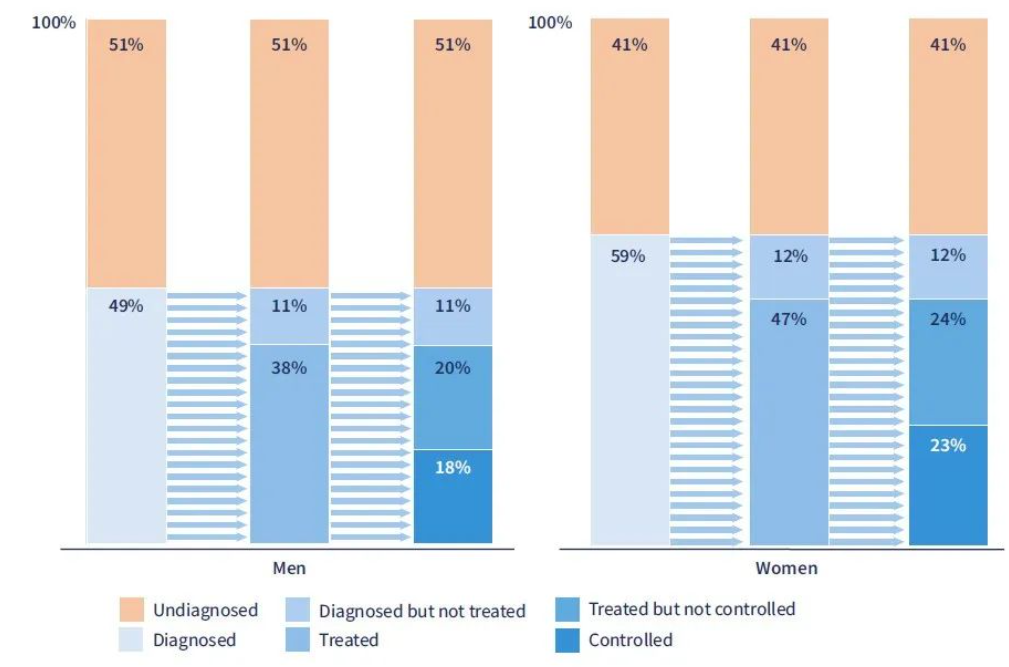
▲Image SourceFrom the World Health Organization
RDN(Renal Artery Denervation) is a new non-pharmacological technology for treating hypertension, which can be mainly divided into three categories: renal artery radiofrequency ablation, renal artery ultrasound ablation, and local injection ablation of chemical drugs in the renal artery.The principle of RDN is to adoptRadiofrequency energy, Ultrasound energy, Cryoenergy, Chemical ablation...and other methods to partially damage the sympathetic nerve fibers located on the outer membrane of the renal artery, leading to a decrease in the overall level of sympathetic nerve excitement, which in turn causes...Decrease in Arterial Blood Pressure。RDN TherapyUncontrolled and Refractory HypertensionConsidered by the industry to be a new method of non-drug treatment, the advantages of this method are:1. All-day Hypotensive EffectRDN provides round-the-clock blood pressure reduction, with 24-hour ambulatory blood pressure under control, and is not influenced by patient behavior. During nighttime and early morning hours, when cardiovascular risk is typically highest, patients who have undergone the procedure continue to experience sustained blood pressure control.RDN does not involve permanent implants, has lower invasiveness, and therefore has relatively fewer side effects, no systemic adverse reactions, allowing patients to recover more quickly.3. Addressing Patient Compliance ChallengesDrug therapy and lifestyle intervention for the treatment of hypertension are both first-line recommendations, but there are issues with adherence. A large number of studies on medication adherence indicate that only about 50% of patients fully follow their doctor's prescription within a year, while 20% of patients do not take any medication at all. RDN offers an effective alternative therapy, successfully addressing the challenge of medication adherence in hypertensive patients.According to Frost & Sullivan's forecast,By 2030, the market size of this product category in China is expected to reach RMB 10.5 billion, indicating broad development prospects.Medtronic estimates that a 1% market penetration represents a $1 billion business opportunity. They predict thatThe market revenue of this technology worldwide will be at least 500 million US dollars in 2026, and at least 2-3 billion US dollars by 2030.。Currently, there are also multiple companies in China that have developed RDN technology, with representative enterprises in all three technical pathways: radiofrequency, ultrasound, and cryotherapy.RF PathInclude Medtronic, Xinyi, Baxin'an;Ultrasound PathwayIncluding Qiming Medical and Hantong Medical;CryoPathMedtronic。(1) Venus MedTech:EchomplishIn 2021, Venus Medtech announced the establishment of a joint venture, Renaly Ltd., with Healium Medical Ltd., an Israeli high-tech company specializing in the development of ultrasound energy for treatment and imaging.Developed by RenalyThe New Generation of RDN Devices is Based on Ultrasound Energy Systems,ItsEchomplish Dual-Modality Ultrasound Technology Platform Enables Simultaneous Precision Ultrasound Ablation and Ultrasound Imaging Monitoring. The device consists of three parts: an ablation catheter, a console, and a software system. Real-time images during the ablation process can be clearly seen through the imaging software. Ultrasound is used to indicate the location of the lesion, and a lesion scoring system is employed to help the surgeon understand the surgical situation.Currently, the product is in the animal testing phase, with the design largely finalized, and it is about to enter the human research stage.。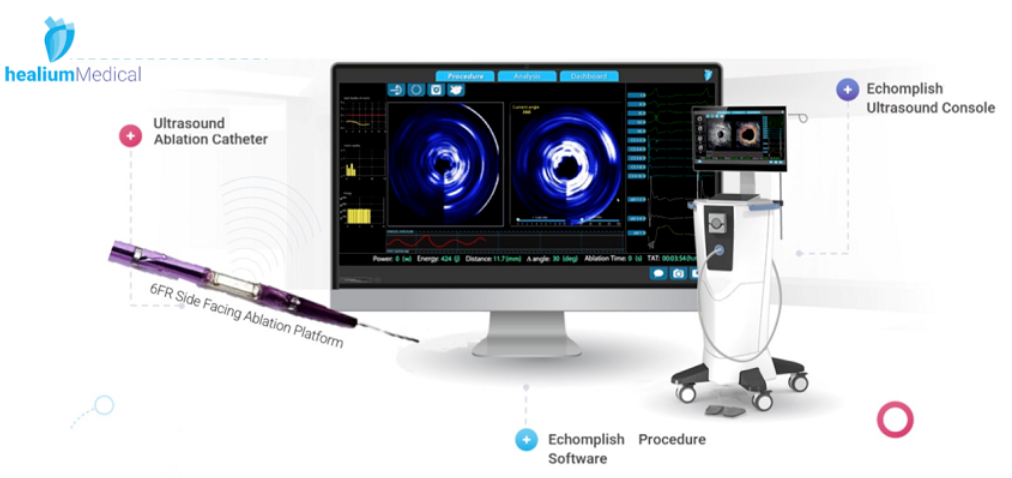
▲Image SourceFrom the company's official website
Hantong Medical launches its self-developed "Renal Artery Ultrasound Ablation System (uRDN)", optimizing the sound field output range, resulting in more stable ablation performance; it is also aProducts that perform 360° uniform energy field ablation in the main renal artery and its branches。In addition, the company is developing the next-generation ultrasound energy platform, which combines ablation therapy with ultrasonic diagnosis to achieve the clinical advantages of targeted ablation and real-time monitoring of ablation effects.Hantong Medical's RDN Product Progress Not Publicly Disclosed。Under its umbrellaThe SyMapCath disposable renal artery radiofrequency ablation catheter integrates five functions: guidance, angiography, stimulation/mapping, temperature-controlled ablation, and manual perfusion.The SymPioneer radiofrequency ablation instrument is equipped with 8 CPUs that provide mutual feedback, ensuring the accuracy of stimulation mapping parameters and ablation parameters. It features precise low-energy temperature control, automatically adjusting ablation energy to maintain the set ablation temperature, and has an automatic protection function for all types of set parameters.Currently, the product has completed patient enrollment in the China registration clinical trial.。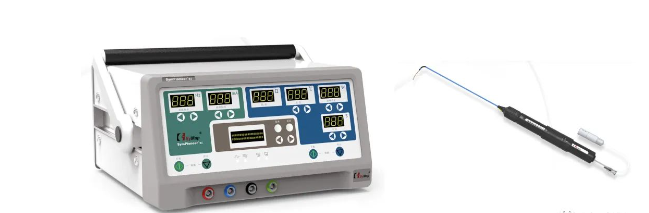
▲Image SourceFrom the company's official website
In 2020, Baixinan acquired 65.69% of Antong Medical's equity, obtaining its RDN product line.Iberis Multi-Electrode Renal Artery Radiofrequency Ablation System can deliver radiofrequency energy to the renal artery vessel wall.,Thermal Ablation of Sympathetic Nerves Surrounding the Renal ArteryThereby reducing sympathetic nerve activity and neural signals, resulting in a blood pressure-lowering effect. The ablation catheter tip is made of nickel-titanium memory alloy, which can automatically revert to a spiral shape and adapt to the vessel size for optimal contact with the vessel wall, ensuring each electrode touches the vessel wall. This results in higher surgical efficiency and an overall better ablation treatment effect.The host device has both impedance and temperature real-time monitoring functions, ensuring the real-time evaluation of the ablation effect while fully guaranteeing patient safety. Currently,Iberis has submitted a registration application in China, and the company expects to receive NMPA approval for market launch in China in Q2-Q3 2024.。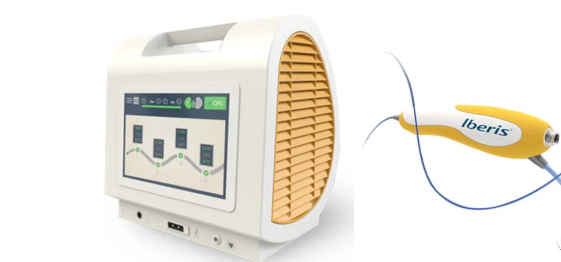
▲Image SourceFrom the company's official website
Independently developed by the companyNetrod Mesh Multi-Electrode Renal Artery Radiofrequency Ablation SystemAdopting a unique basket-like structure, the product has strong adaptability and excellent wall-adhesion performance in blood vessels; the six electrodes are arranged in a 360-degree spiral pattern.Achieves comprehensive three-dimensional ablation in points, lines, surfaces, and volumes., achieving a continuous energy field with better ablation efficiency and effect.Netrod is the only Renal Denervation (RDN) radiofrequency ablation system in China to have received FDA Breakthrough Device Designation. Currently, Netrod has officially submitted its application for registration with China's NMPA.。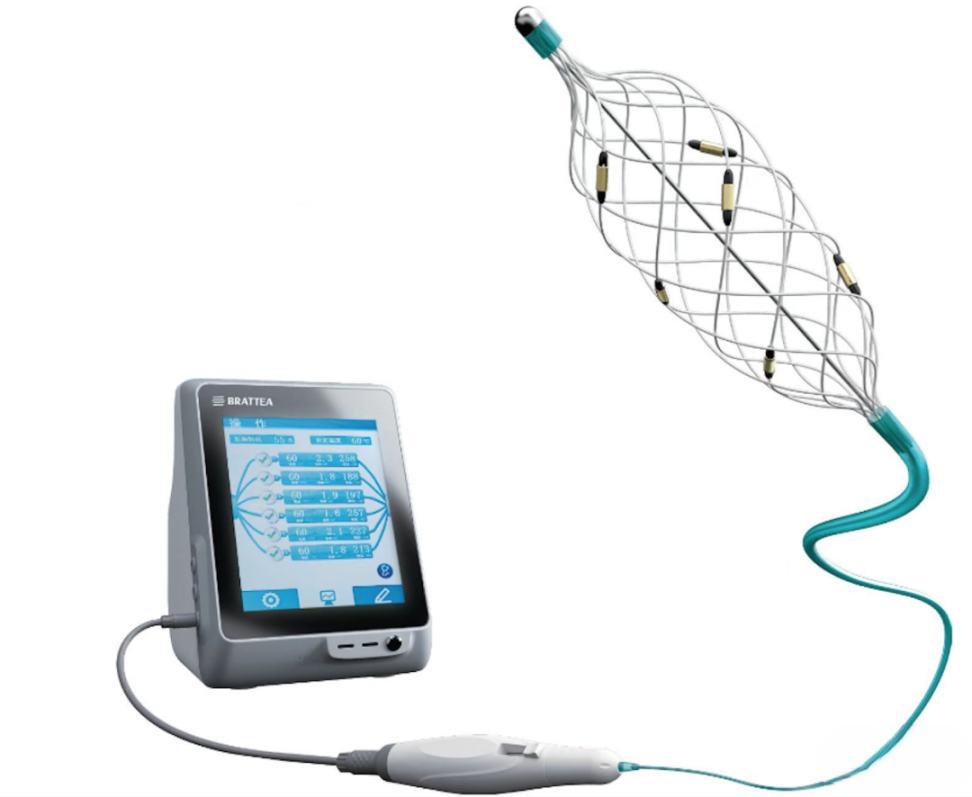
▲Image SourceFrom the company's official website
Independently developed by the companyCryofocus Cryoablation SystemBased on the theory that temperatures below -68°C can cause irreversible cell damage, using liquid nitrogen as the refrigerant,Ablation of Renal Sympathetic Nerves Using a Cryoballoon. It has the characteristics of complete nerve damage, precise ablation location, minimal vascular endothelial injury, and low risk of thrombosis.Currently, the system's confirmatory clinical trial is ongoing, and the company expects to receive NMPA approval for market launch in the second half of 2025.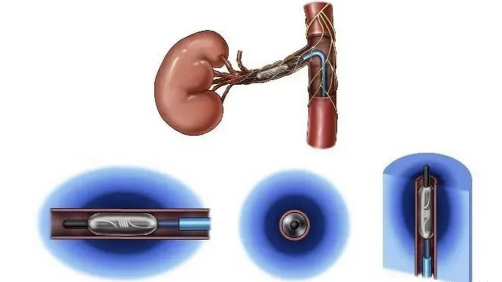
▲Image SourceFrom the company's official website

Medtronic (Medtronic, NYSE: MDT)Founded in 1949, with its headquarters in Minneapolis, Minnesota, USA, it is a global leading medical technology company with over 95,000 employees.Medtronic's Innovative SolutionsExpanded to more than 70 key disease areas,Committed to providing lifelong treatment solutions for patients with chronic diseases,Every second, two patients worldwide benefit from Medtronic's medical technology or therapies.Medtronic's main businesses includeCardiovascular, Medical Surgery, Neuroscience, and Diabetes businesses, with cardiovascular accounting for the highest proportion.。What Does Medtronic Sell? A Comprehensive Overview of the Cardiovascular Product Line
Taking the 2023 financial report as an example,Total revenue of $31.227 billion inRanked First in Global Medical Device Company Revenue。Cardiovascular business revenue was $11.573 billion, accounting for 37.06%, including three divisions: Cardiac Rhythm and Heart Failure (CRHF), Structural Heart and Aortic (SHA), and Coronary and Peripheral Vascular (CPV).
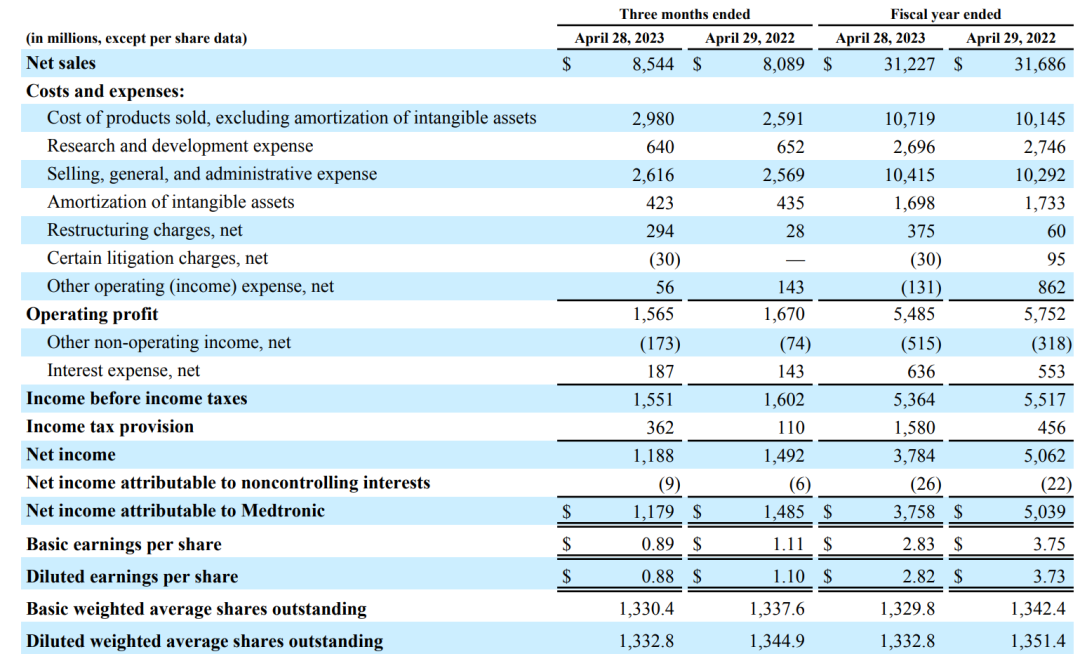
▲2023 Annual Report(SourceSelfCompany Official Website)
# Global Leading Cardiovascular Device CompanyMedtronic|J&J MedTech|Boston ScientificBoston Scientific|
Edwards Lifesciences | AbbottAbbott|
# Chinese Listed Cardiovascular Device Companies
# Innovative Devices Approved in China in 2023#2023 Medical Devices Entering China's Innovation PathwayXinQing Medical (NyokAssist Interventional Ventricular Assist System)
NorthX BioTech (Cardiac Pulse Field Ablation)
Hanling Medical (Transcatheter Aortic Valve)
# Other Unlisted/Startup Cardiovascular Companies
Artivion| HVR Cardio | CardiacSense | Lydus Medical | Volta Medical |Cardiac Dimensions