Global GLP-1 Drug Development Heats Up: 124 Clinical Pipelines and Novo Nordisk’s $5.6 Billion Bet Signal a Therapeutic Revolution
Novo Nordisk
Insulin Developer and Manufacturer

Introduction
In the 1990s in the United States, a weight-loss miracle drug named fen-phen was once wildly popular, with millions of people regarding it as a lifesaver for losing weight. However, it was eventually proven to be a health killer, with rare yet fatal side effects.
In the past two years, we have had GLP-1, a drug whose effectiveness and safety have been repeatedly verified by scientists, making it extremely popular.
Recently, Novo Nordisk, the pharmaceutical giant, has sensed the enormous potential of the Chinese market and is investing 4 billion yuan to expand its production capacity in Tianjin.This move undoubtedly adds a bright spot to the prospects of GLP-1 drugs.
In fact, besides Novo Nordisk, other major pharmaceutical companies are also gearing up in the GLP-1 drug field.

Novo Nordisk announces an additional investment of 4 billion to increase production capacity
On March 19, a grand groundbreaking ceremony was held at the Novo Nordisk pharmaceutical production base located in the Tianjin Economic-Technological Development Area (TEDA) in the Binhai New Area.Novo Nordisk announces an investment of approximately 4 billion RMB for the expansion project of sterile formulations to further increase its production capacity in the Chinese market.
Novo Nordisk is a biopharmaceutical giant founded in 1923 with over a century of history. The company has always been committed to providing innovative and efficient pharmaceutical solutions for patients worldwide.
As a leader in the diabetes field, Novo Nordisk's product line covers multiple therapeutic areas including insulin and GLP-1 receptor agonists, bringing hope to millions of patients worldwide.
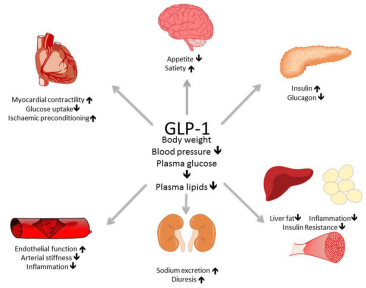
Besides Novo Nordisk, other pharmaceutical companies are also vigorously developing GLP-1 drugs.
GLP-1 Drugs Are Leading a Revolution in Obesity Treatment
At present, the issue of obesity seems to have suddenly become a hot topic of discussion overnight, and many people are feeling confused or anxious about it.
The arrival of GLP-1 drugs is like a savior for obese individuals, as it not only helps people lose weight but also improves health in multiple ways with very few side effects.
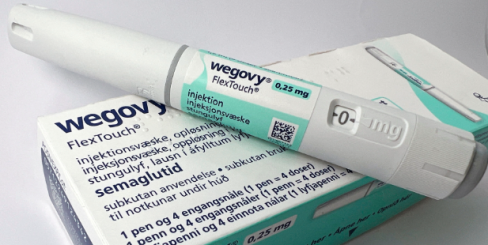
In June 2021, semaglutide (brand name: Wegovy), developed by Novo Nordisk, received market approval for chronic weight management.Previously, this drug has been widely used in diabetes treatment as Ozempic.
In the autumn of 2023, another pharmaceutical giant, Eli Lilly, followed suit. Its developed tirzepatide (brand name: Zepbound) also received approval. This drug is widely known in the diabetes treatment field under the name Mounjaro.
Pharmaceutical companies have invested substantial resources in building a robust drug development pipeline, heralding significant growth in the obesity treatment field over the coming decades.
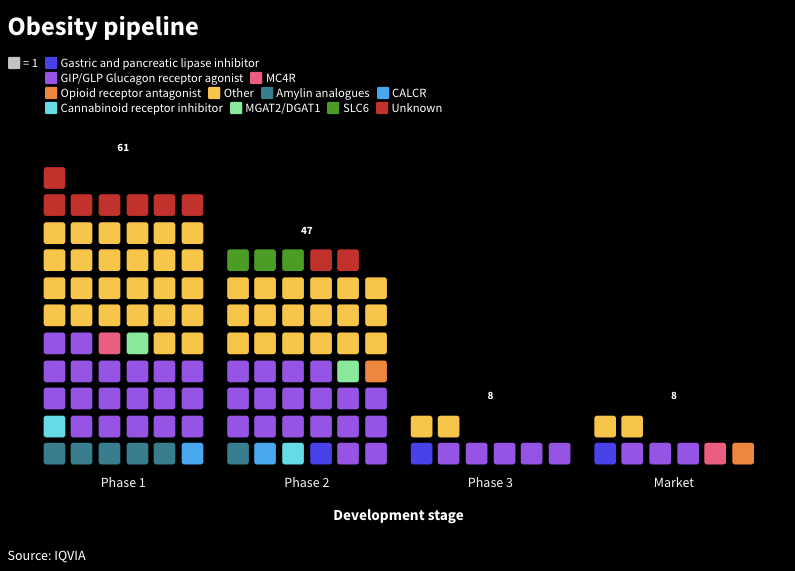
Industry data provider IQVIA has compiled the drug development pipeline in the current obesity treatment field.Including 124 drugs, of which 61 are in Phase I clinical trials, 47 are in Phase II clinical trials, 8 are in Phase III clinical trials, and another 8 have been marketed.
Michael Kleinrock, Chief Research Director at IQVIA, pointed out in an interview that"Most innovations are incremental, and most new drugs may only improve efficacy by one percent compared to previous ones. But what’s exciting and noteworthy is that when we look at the drugs developed by companies like Novo Nordisk and Eli Lilly, especially those belonging to the GLP-1 class, the weight loss they achieve is significantly greater than that of previous drugs."
The efficacy and safety of GLP-1 drugs have been validated, and their promotional focus has also shifted——They are not just for weight loss for beauty, but more for health improvement.
Latest Advances in GLP-1 Drugs
Currently, Novo Nordisk andEli LillyIn the GLP-1 drug field, they are considered leaders. Novo Nordisk's semaglutide and Eli Lilly's tirzepatide are both highly popular in the global market, becoming standout drugs in the GLP-1 category.
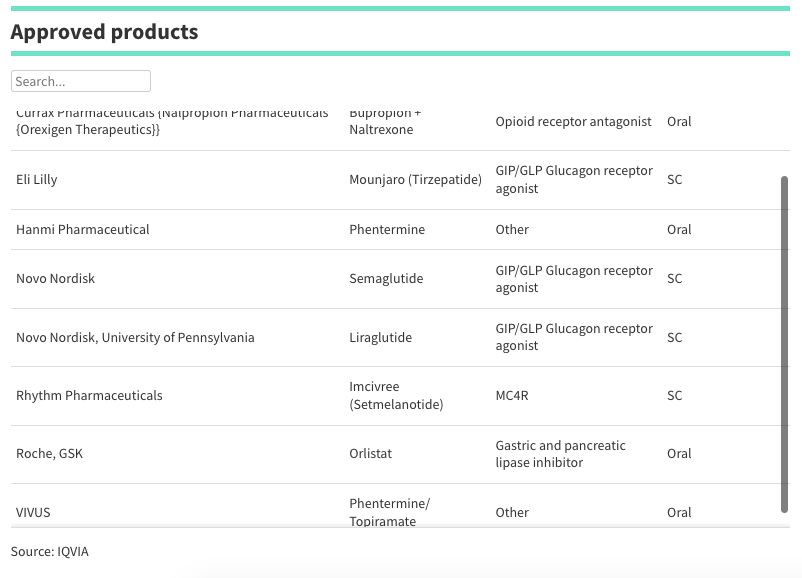
These two giants not only possess strong research and development capabilities but also boast diversified product lines, continuously introducing innovative GLP-1 drugs and indications to meet the growing needs of patients.
At the same time, multiple companies in China are also showing a proactive stance in the GLP-1 drug field. Among them, Huadong Medicine and Renhui Biotechnology, through independent research and development or cooperative partnerships, are accelerating the advancement of GLP-1 drug development with the aim of securing a position in the Chinese market.It is worth mentioning that Novo Nordisk's WegovyAlready approved for reducing cardiovascular risks in patients with cardiovascular disease who are obese or overweight.
In fact, the weight loss effect of GLP-1 drugs was initially discovered by accident during the treatment of diabetes. Kleinrock pointed out,"The discovery of obesity treatment effects came relatively late; these drugs were originally approved for other indications, but their significant weight-loss effects gradually emerged."
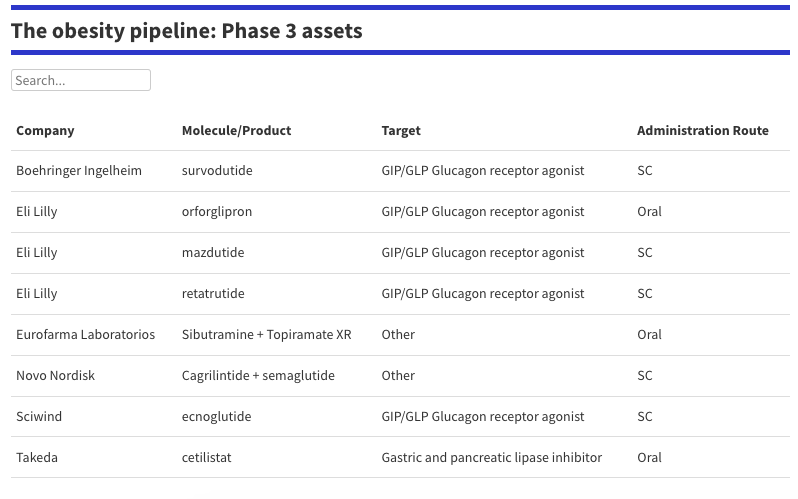
Currently, major companies are striving to develop oral obesity treatment drugs. The oral GLP-1 drug developed by Novo Nordisk appears to surpass Wegovy in efficacy. Although this pipeline is still in its early stages, it has already consumed a significant amount of R&D resources.
In addition, some early-stage drugs under development have also shown great potential. For instance, Viking Therapeutics' dual GLP-1 and GIP agonist achieved significant weight loss after short-term treatment, performing just as well as the drugs from large pharmaceutical companies.
As AstraZeneca, Bristol-Myers Squibb, Novartis, and Amgen enter the GLP-1 weight loss drug market, competition is becoming increasingly fierce. These companies are actively developing drugs to treat obesity in order to secure a position in the market.
However, the development of the obesity treatment market also faces challenges. The high price becomes a major factor restricting the market expansion. Currently, these drugs are not covered by medical insurance reimbursement, leading to some patients being unable to afford the treatment costs. In the future, with increased competition and improved production capacity, it is expected to drive down drug prices, making GLP-1 drugs more accessible and affordable.
References
1.The obesity pipeline was 'late breaking.' Here's what the R&D landscape looks like now
https://www.fiercebiotech.com/biotech/late-breaking-obesity-glp-1-wegovy-zepbound-novo-lilly-pipeline-rd-landscape
2. Novo Nordisk Launches Sterile Formulation Expansion Project in Tianjin with an Investment of Approximately 4 Billion Yuan
https://www.chinanews.com.cn/cj/2024/03-19/10182902.shtml