

Health Knows No Borders: AstraZeneca Empowers Chinese Innovation to Go Global

AstraZeneca
Biopharmaceutical Manufacturer
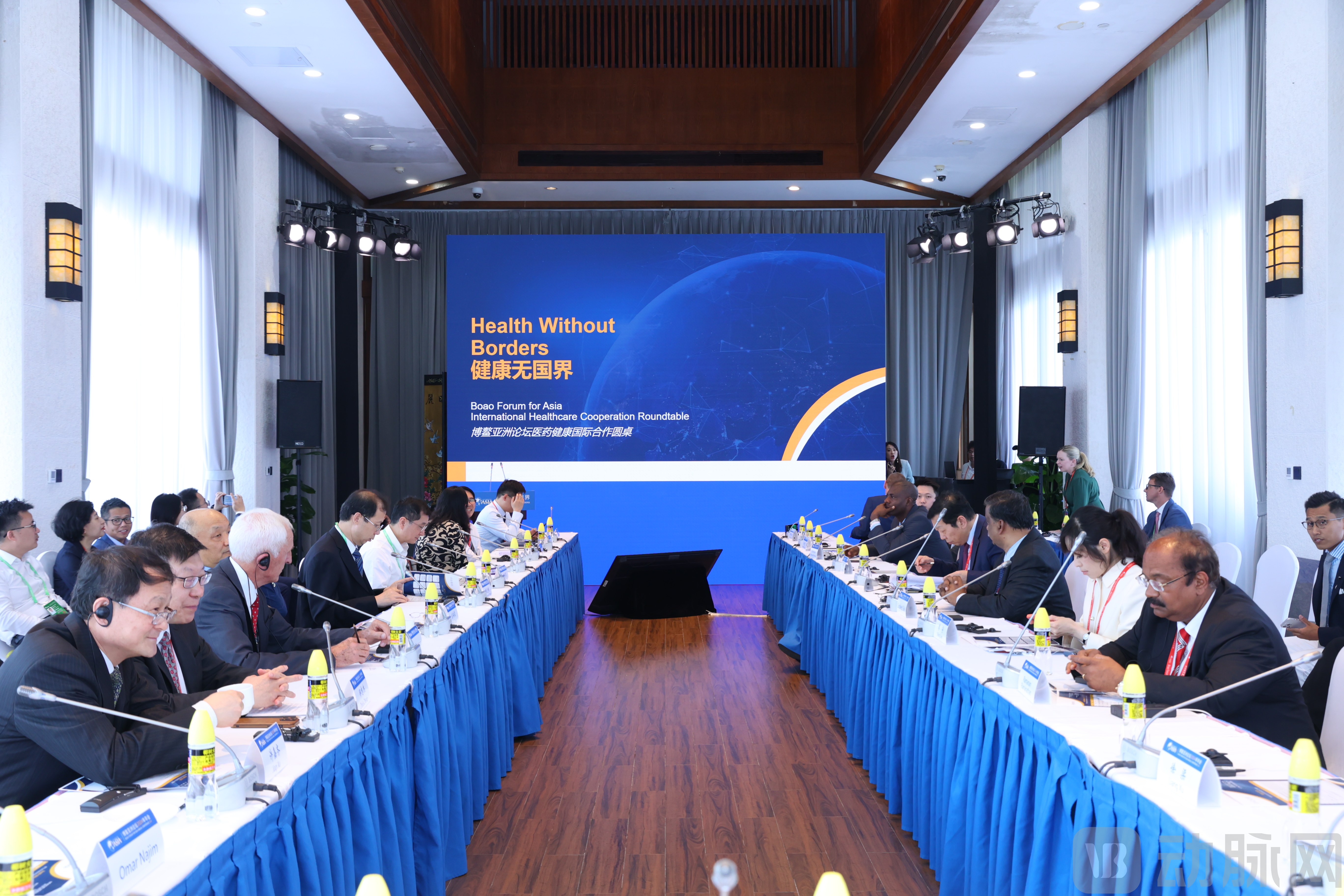
From March 26 to 29, the Boao Forum for Asia was held in Hainan. AstraZeneca, a multinational pharmaceutical company, once again participated deeply, with its global CEO, Mr. Pascal Soriot, attending and participating in the forum. In response to the theme of this year’s forum, "Common Challenges, Common Responsibilities," AstraZeneca supported the hosting of the sub-forum "Health Without Borders – International Medical and Health Cooperation" on March 28.
Li Baodong, Secretary General of the Boao Forum for Asia, and Pascal Soriot, Global CEO of AstraZeneca, delivered speeches at the forum. Bi Jingquan, Chairman of the China Center for International Economic Exchanges, delivered a keynote speech. Xu Liang, Secretary General of the International Chamber of Commerce, Leon Wang, Executive Vice President of AstraZeneca Global and President of International Business and China, along with more than 20 Chinese and foreign guests from China, the UAE, Kenya, Nigeria, South Africa, Singapore, India, and other countries attended. This roundtable forum brought together representatives from relevant governments, pharmaceutical health experts, industry think tanks, and innovative enterprises to jointly discuss how to strengthen global cooperation to eliminate health disparities and promote global health equity.
AstraZeneca has always actively sought international cooperation, hoping to join hands with partners from all sides to address global challenges such as public health crises. As the mature implementation of "bringing in and establishing stability" takes root, "going global" has become the key development phrase for AstraZeneca at this stage. Standing at the starting point of the next 30-year development cycle, how will AstraZeneca solidify its foothold in China while assisting Chinese innovation in expanding overseas? As an innovative model of localization among multinational pharmaceutical enterprises, what exemplary cases will AstraZeneca provide for the industry? VCBeat attempts to review AstraZeneca’s various practices to glimpse the answers and offer references for the industry.
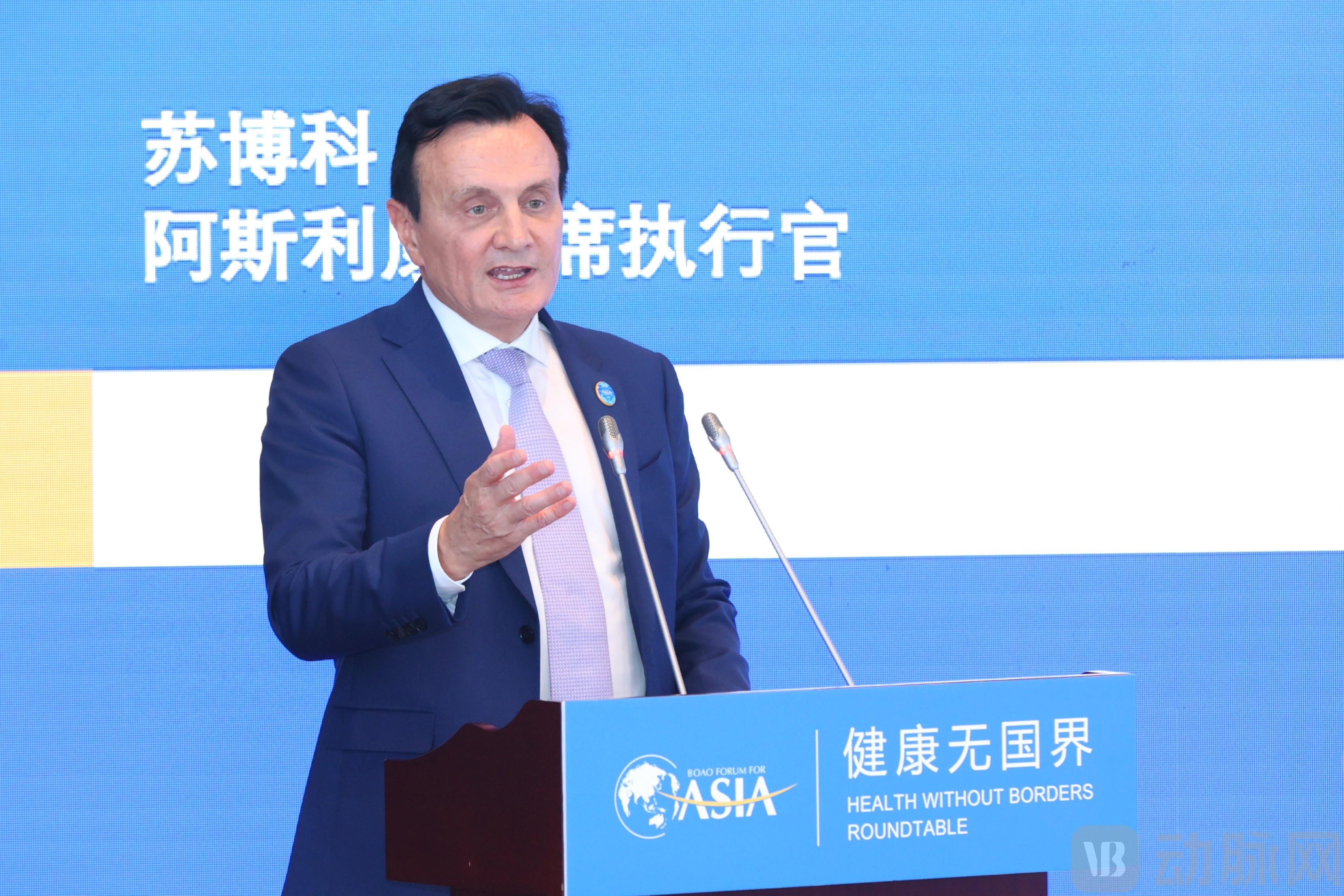
AstraZeneca Global CEO Pascal Soriot Speaks at the Opening Ceremony of This Forum. He mentioned: "As the CEO of a global company focused on science and innovation, I frequently visit China. The healthcare demands in China are immense, and its innovative potential has rapidly flourished over the past few years. Supported by the 'Healthy China 2030' policy, biopharmaceutical innovation in China has gained global influence, and I believe it has the potential to help millions of people worldwide."
Since entering the Chinese market in 1993, AstraZeneca has always been patient-centered, treating each decade as a significant phase. It has gone through three stages: introducing globally innovative drugs, focusing on manufacturing, and accelerating research and development along with innovation ecosystem construction. Step by step, AstraZeneca has developed China into one of its most important global markets, becoming the most "localized" presence among multinational pharmaceutical companies.
Relying on a clear localization path, AstraZeneca has achieved significant growth over the past thirty years. In February 2024, AstraZeneca released its financial report for 2023. Among the figures, AstraZeneca's revenue in the China region reached nearly $5.9 billion, representing a year-on-year increase of 7% and accounting for 13% of its global income.
But AstraZeneca believes that it has done far from enough and hopes to create an international healthcare innovation ecosystem characterized by coexistence and shared growth, which can be participated in by all of China and the entire world, promoting the international development of China's medical innovations. In 2023, AstraZeneca, together with more than 130 Chinese biomedical innovation companies, successfully expanded into emerging markets such as Brazil and the Middle East. Building on this,2024AstraZeneca will continue to expand in emerging and developed markets, including new overseas destinations such as the UK, Sweden, Japan, and Mexico, while deepening cooperation with China's local innovative forces to build an important platform for going global.
AstraZeneca's "Overseas Venture" is a necessary step for its localization in China to enter a new phase.
From a macro-environment perspective, going global also happens to align with the urgent needs of China's innovative enterprises. Under the combined influence of price and product "dual involution" and specific economic cycles, the logic of achieving scale profitability by relying on a single product in a single region is gradually fading. Companies hope to find new growth points for performance through globalization. AstraZeneca, with its rich experience in localizing operations in overseas markets, is an excellent "guide."
After determining the strategic goal of "taking China's pharmaceutical innovation power global," AstraZeneca faced the questions of where to go and how to get there. The choice of destination has always been a challenge for medical innovation companies going overseas. As a veteran of the international market, AstraZeneca believesEntering mature developed markets to compete with global enterprises is equally important for Chinese innovative companies as competing in emerging markets with large populations and strong economic growth. At the same time, international markets along the "Belt and Road" such as Latin America and ASEAN also present broad cooperation potential for Chinese enterprises.
In terms of going global,AstraZeneca leverages its global network resources to support the export of innovative enterprises in China.Globally, AstraZeneca not only has deep roots in China but also conducts localized operations in other overseas markets. Therefore, China's health innovation ecosystem, as a whole, will be integrated into AstraZeneca's global network, working in synergy with health innovation ecosystems from other regions within the AstraZeneca system. This creates a dual circulation development model for both Chinese and international businesses, continuously driving the benefits of China's healthcare to reach a global audience.
In the plan of Leon Wang, Executive Vice President of AstraZeneca Global, President of International Business and China, AstraZeneca will serve as a bridge to leverage the commercialization, production, and R&D capabilities accumulated over 30 years in China, combined with the resources of a diversified international health innovation ecosystem developed over the past seven years, to significantly initiate a new strategic landscape for the next 30 years.
Specifically, AstraZeneca, as one of the important driving forces in China's pharmaceutical innovation, will actively play the bridging role of a multinational enterprise.R&D, Investment, Ecosystem ConstructionPromote "the combination of Chinese and Western" in aspects such as... injecting vitality into the globalization and development of China's medical industry.
First, it is about leading global innovation with China's R&D strength.Since its upgrade, the AstraZeneca Global R&D China Center has shifted its focus from conducting confirmatory studies in China and supporting new drug launches to expanding into earlier stages of research, gaining greater influence and higher decision-making power within AstraZeneca's global R&D landscape. Currently, there are over 200 projects in AstraZeneca China’s R&D pipeline, with approximately 100 new drugs and new indications expected to be approved within the next five years.
In addition to enhancing its internal R&D capabilities, AstraZeneca is also actively collaborating with local Chinese companies on research and development. The company has launched joint scientific research cooperation initiatives specifically aimed at Chinese pharmaceutical enterprises, supporting them in conducting clinical studies on combination drug therapies, exploring innovative treatment solutions, and improving patient outcomes. For instance, AstraZeneca has established global R&D collaborations with local innovative companies such as Harbour BioMed, Connaught Biologics, Limelight Pharmaceuticals, and Chasing Biotechnology in the fields of oncology and chronic diseases, with the aim of promoting the international expansion of locally developed innovative drugs.
Secondly, it is to empower Chinese innovative enterprises' global development in multiple dimensions through industrial fund investment.Founded in 2019, AstraZeneca-CICC Healthcare Industry Fund combines the resource advantages of CICC and the industrial strengths of AstraZeneca to provide innovative companies and investment partners with comprehensive, full-chain services across R&D, finance, ecosystem, commerce, intelligence, and branding.
Over a period of four years, the fund has managed more than 3 billion yuan and successfully invested in multiple companies such as Eccogene, Cellular Biomedicine Group, and Keran Pharmaceuticals. It has helped these companies achieve global R&D collaborations and promoted the development of innovative products in critical areas like cancer and metabolic diseases.
Finally, build an international health innovation ecosystem to achieve the global flow of excellent integrated diagnosis and treatment solutions.It is reported that the guests attending this roundtable also had in-depth discussions and shared their global development experiences in the healthcare field on three topics: "Chronic Respiratory Disease Management," "Addressing the Increasingly Severe Cancer Burden," and "How to Promote the Sharing of Global Healthcare Innovation Achievements in China and Other Emerging Markets." In China, AstraZeneca has established a diversified international health innovation ecosystem driven by the "three pronged approach" of the China Smart Health Innovation Center, the International Life Science Innovation Park, and the AstraZeneca Zhongjin Healthcare Industry Fund. This ecosystem explores integrated diagnosis and treatment solutions in vertical disease areas and supports the establishment of a more comprehensive disease diagnosis and treatment system through diversified cooperation.
With the intensification of population aging, the pressure of chronic diseases on global healthcare systems continues to grow. Asia and other emerging markets bear the heaviest burden. According to estimates by the World Health Organization, 90% of deaths caused by chronic obstructive pulmonary disease (COPD) in people under 70 occur in low- and middle-income countries. Focusing on major challenges in treatment areas such as respiratory health and unmet clinical needs, AstraZeneca is promoting a citywide model in Qingdao, strengthening the call for "early screening, early diagnosis, and early treatment," and accelerating efforts to include COPD in China's national public health service programs. Additionally, in 2023, AstraZeneca invested over $700 million to build a new inhalation aerosol production and supply base in Qingdao, aiming to better address the burden of chronic obstructive pulmonary disease.
Due to the continuously rising incidence, cancer has become one of the major public health issues globally. This sub-forum focused on the topic of "Addressing the Increasingly Severe Cancer Burden." Participants used "Cancer Care Africa" as a case study to share research findings and practical experiences, discussing the challenges in cancer prevention and treatment. The exchange of experiences from various countries helps promote cooperation among emerging markets to enhance diagnostic, treatment, and screening capabilities, as well as patient management and policy support. AstraZeneca is also deepening its collaboration with local enterprises in the oncology field, continuously filling many gaps in unmet clinical needs, benefiting more patients.
AstraZeneca's practice has proven that a company must have a lofty strategy, practical and localized tactics, and reliable execution to transform strategies and tactics into tangible results, in order to truly help bring Chinese innovation to fruition.
At the same time, internationalization is a long-term challenge. Both innovative companies in their growth phase and well-known multinational pharmaceutical enterprises like AstraZeneca need to approach it with caution. "Going overseas" has become inevitable. What innovative actions will AstraZeneca, the "pioneer," take in the future? Let us wait and see together.