In 2023, the FDA approved 55 new drugs and 34 cell and gene therapies. As of 2024, the FDA has approved and rejected multiple drugs, which will be revealed below.
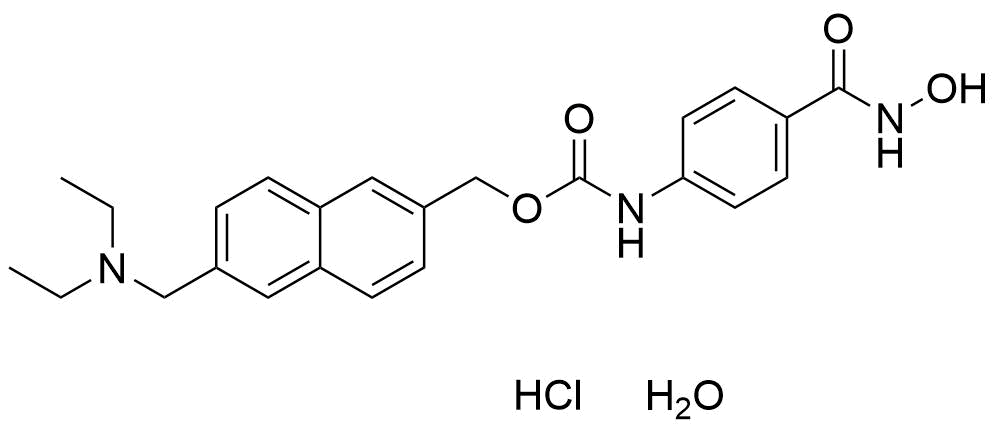
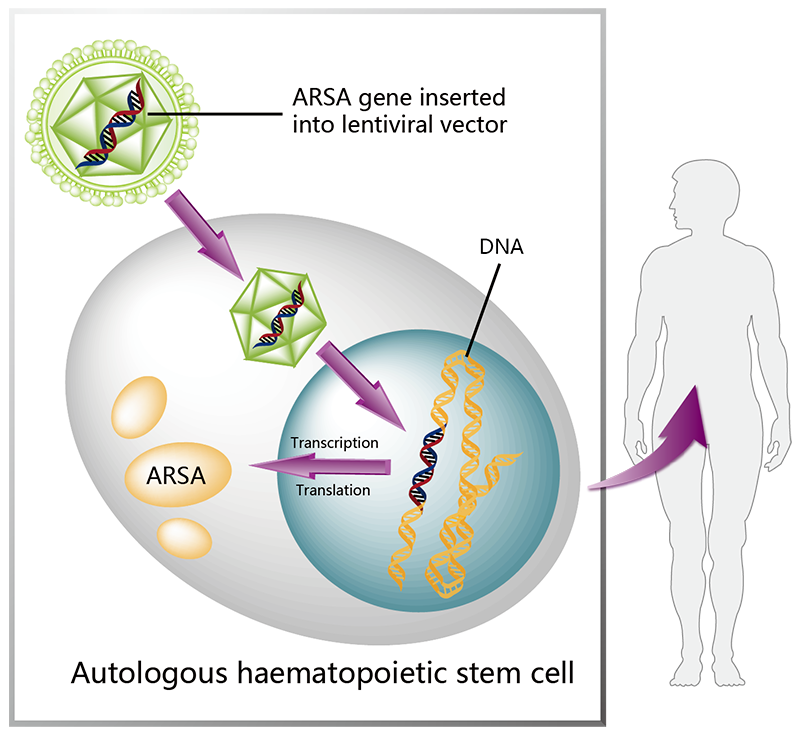
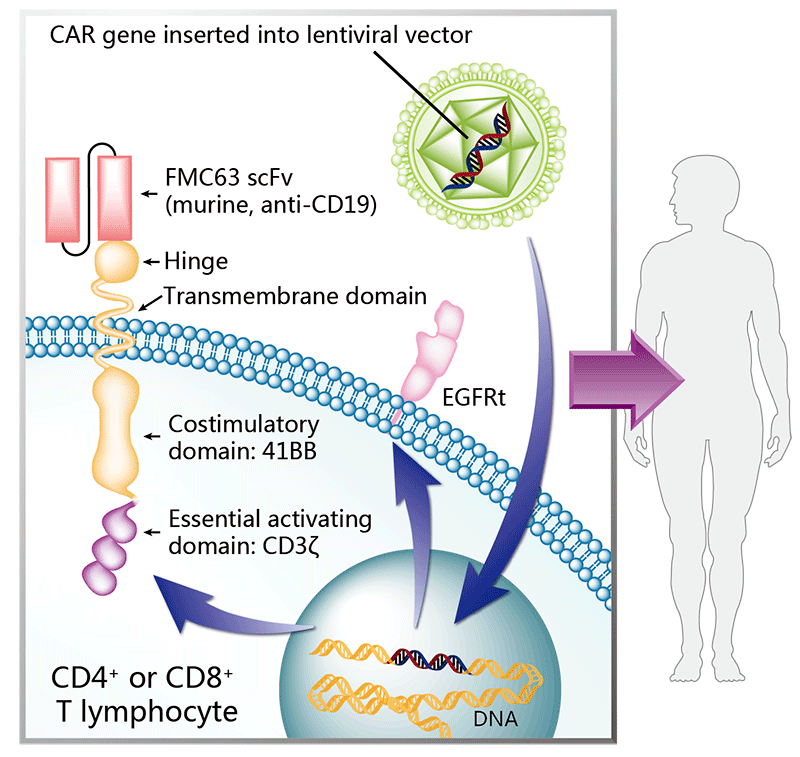
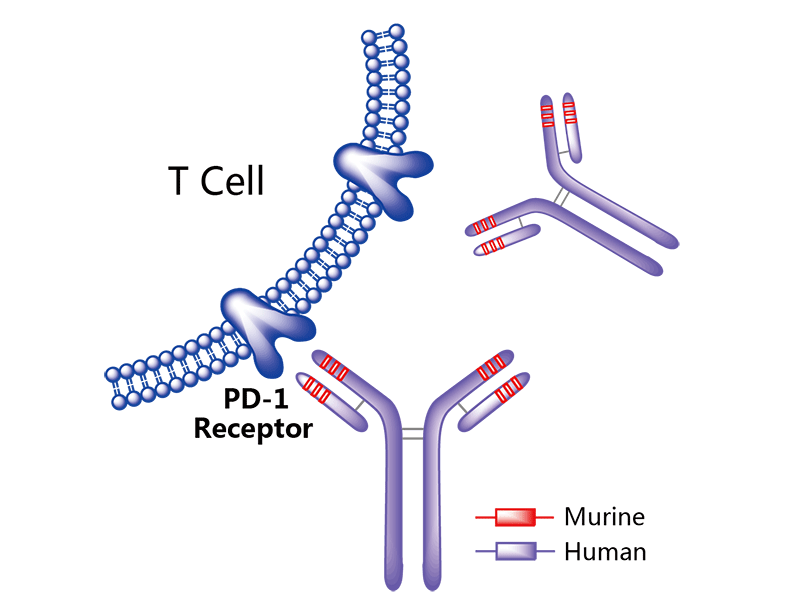
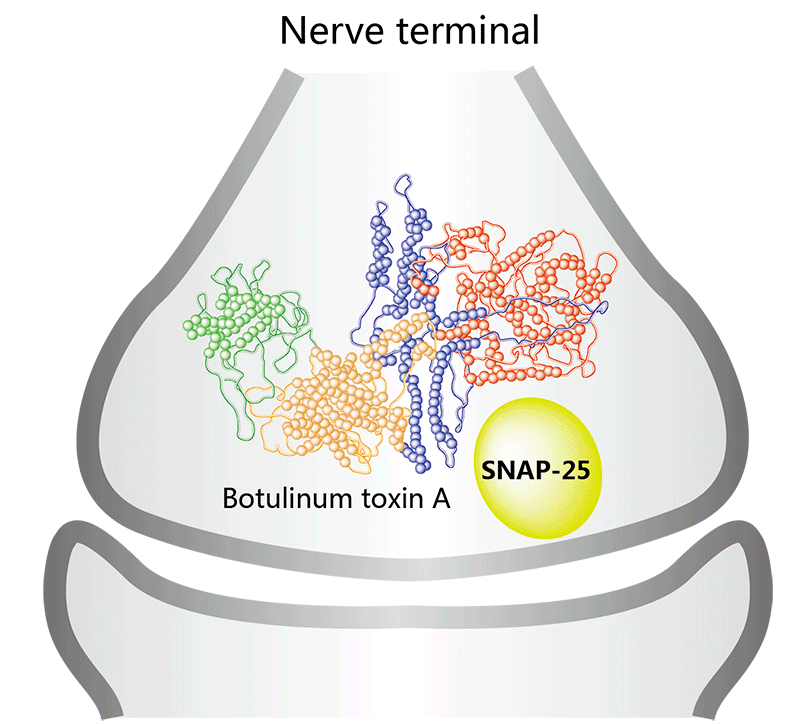
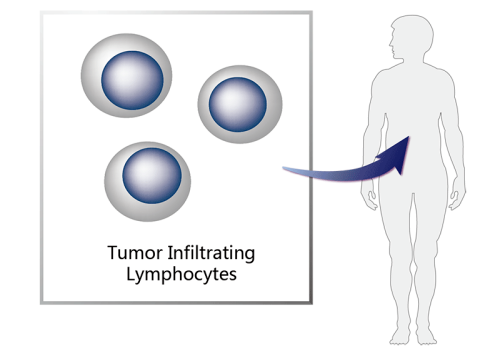
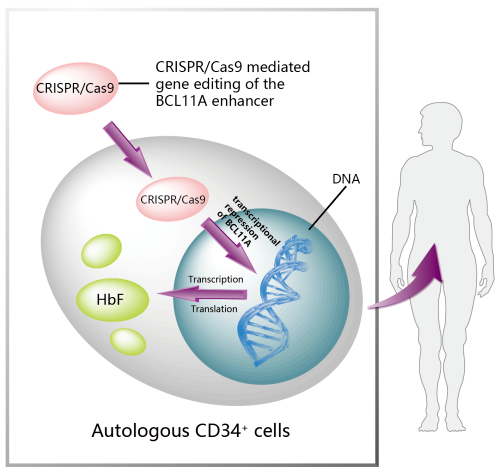
Opsynvi (Macitentan and Tadalafil Combination Therapy)Indications: Pulmonary Arterial HypertensionFigure 1.Macitentan (Left), Tadalafil (Right)Structural Formula (Source: PharmaBlock Data)On March 22, 2024, Johnson & Johnson announced FDA approval of its Opsynvi.Single-pill Combination Therapy, for long-term treatment of adult patients with pulmonary arterial hypertension (PAH) classified as WHO Functional Class (FC) II-III[1,2]。According to the press release, Opsynvi isThe FirstFDA-Approved PAH Single-Tablet Combination Therapy.This approval is mainly based on the pivotal A DUE Phase 3 clinical study results, in which Opsynvi demonstratedMacitentan or TadalafilCompared with monotherapy, patients experienced a greater reduction in pulmonary vascular resistance (PVR) after 16 weeks of treatment.Indications:Duchenne Muscular DystrophyFigure 2.Givinostat hydrochloride monohydrateStructural Formula (Source: PharmaBlock Data)On March 21, 2024, FDA approvedItalfarmaco/ITF'sOral Drug Duvyzat (Givinostat) Launched for Treatment of Duchenne Muscular Dystrophy (DMD) in Patients Aged Six and Above。DuvyzatIt is a histone deacetylase (HDAC) inhibitor that reduces inflammation and muscle loss by targeting pathogenic processes; it isThe FirstApproved for the treatment of allNon-Steroidal Drugs for Patients with DMD Gene Mutations。Duvyzat was evaluated in an 18-month randomized, double-blind, placebo-controlled Phase 3 study for the treatment of DMD. The primary endpoint was the change from baseline to Month 18, measured using the four-stair climb to assess muscle function.Throughout the study, all participants continued to receive standard steroid treatment regimens. After 18 months of treatment, compared with placebo, patients receiving Duvyzat showed a statistically significant smaller increase in the time required to climb four stairs. The average change in the time to climb four stairs from baseline to 18 months was 1.25 seconds for patients receiving Duvyzat and 3.03 seconds for those receiving placebo.Figure 3.AprocitentanStructural Formula (Source: PharmaBlock Data)March 20, 2024FDA Approves Tryvio (aprocitentan) for Use in Combination with Other Antihypertensive Drugs to Treat Hypertension, Reducing Blood Pressure in Adult Patients Not Adequately Controlled by Other Medications — The First New Oral Antihypertensive Therapy to Act Through a Novel Pathway in Nearly 40 Years.Tryvio is an endothelin receptor antagonist that inhibits endothelin (ET)-1 from binding to ETAAnd ETBReceptor binding.This approval was supported by data from the Phase 3 PRECISION trial, a multi-part, Phase 3 multicenter study evaluating the efficacy of Tryvio in adult patients with systolic blood pressure (SBP) ≥140mmHg who were taking at least three antihypertensive medications.The research results show: After four weeks of treatment, compared with placebo, both the 12.5mg and 25mg dose levels of Tryvio significantly reduced seated systolic blood pressure.Indications:Philadelphia Chromosome-Positive Acute Lymphoblastic LeukemiaFigure 4.Ponatinib HydrochlorideStructural Formula (Source: PharmaBlock Data)On March 19, 2024, the FDA granted accelerated approval to Takeda's Iclusig for use in chemotherapy for newly diagnosed Philadelphia chromosome-positive acute lymphoblastic leukemia (Ph+ ALL) in adult patients in the United States.The FirstTargeted therapy drugs for first-line treatment of Ph+ ALL patients in combination chemotherapy.This supplemental approval was based on data from the Phase 3 PhALLCON trial, in which Iclusig treatment achieved a higher rate of MRD-negative complete remission and demonstrated safety comparable to Novartis' Gleevec in newly diagnosed adult patients with Ph+ ALL. All patients also received low-intensity chemotherapy.Indications:Metachromatic LeukodystrophyFigure 5.LenmeldyMechanism of Action(Source: Pharma Intelligence Data)On March 18, 2024, the FDA approved Lenmeldy (atidarsagene autotemcel) for the treatment of pre-symptomatic late infantile and pre-symptomatic early juvenile patients with metachromatic leukodystrophy (MLD). This is the first gene therapy approved by the FDA for this indication.This approval was based on the evaluation of the safety and efficacy of Lenmeldy in 37 children who received Lenmeldy treatment in two single-arm, open-label clinical trials and an expanded access program.The research results showIn MLD pediatric patients, treatment with Lenmeldy significantly reduced the risk of severe motor impairment or death compared to untreated children.All symptom-free late infantile MLD children treated with Lenmeldy survived to age 6, compared to only 58% in the natural history group. At age 5, 71% of treated children were able to walk independently. Additionally, 85% of treated children achieved normal language and IQ scores, which has not been reported in untreated children. Moreover, children with pre-symptomatic early juvenile and early symptomatic early juvenile MLD showed a slowing of motor and/or cognitive disease progression.Indications:Nonalcoholic SteatohepatitisFigure 6.ResmetiromStructural Formula (Source: PharmaBlock Data)On March 14, 2024, Madrigal Pharmaceuticals announced FDA approval of Rezdiffra™ (resmetirom) for the treatment of non-cirrhotic nonalcoholic steatohepatitis (NASH) patients with moderate to severe liver fibrosis (F2 to F3 stage). Rezdiffra has become the first NASH therapy approved by the FDA.Milestone Significance。The FDA's accelerated approval of Rezdiffra was based on the results of the Phase 3 MAESTRO-NASH trial: 25.9% of patients in the 80mg resmetirom group and 29.9% of patients in the 100mg resmetirom group achieved NASH resolution without worsening of fibrosis, compared to 9.7% in the placebo group.In the 80mg resmetirom group, 24.2% of patients achieved at least one stage of fibrosis improvement without worsening of the NAFLD activity score, compared to 25.9% in the 100mg resmetirom group and 14.2% in the placebo group.[3]。Indications:Chronic Lymphocytic Leukemia and Small Lymphocytic LeukemiaFigure 7.BreyanziMechanism of Action(Source: PharmaData)On March 14, 2024, BMS announced that the FDA had granted accelerated approval to the CD19-directed chimeric antigen receptor (CAR) T-cell therapy Breyanzi® (lisocabtagene maraleucel; liso-cel) for the treatment of adult patients with relapsed or refractory chronic lymphocytic leukemia (CLL) or small lymphocytic lymphoma (SLL) who have received at least two prior lines of therapy.This approval is based on the pivotalResults of the Phase 1/2 TRANSCENT CLL 004 TrialIn the trial, treatment with CAR-T therapy resulted in a 20% complete response rate and a 45% overall response rate, with a median duration of response of 35.3 months. High minimal residual disease (MRD) negativity was observed in patients who achieved CR after receiving Breyanzi, with a 100% MRD-negative rate in blood and a 92.3% MRD-negative rate in bone marrow.Indications:Esophageal Squamous Cell CarcinomaFigure 8.Mechanism of Action of Tevimbra(Source: PharmaData)On March 14, 2024, the FDA approved BeOne Medicines' Tevimbra (tislelizumab) for the treatment of advanced or metastatic esophageal squamous cell carcinoma after prior chemotherapy.This approval is based on the RATIONALE 302 trial, which met its primary endpoint in the intent-to-treat (ITT) population, demonstrating a statistically significant and clinically meaningful survival benefit with Tevimbra compared to chemotherapy. In the ITT population, the median overall survival (OS) was 8.6 months (95% CI: 7.5, 10.4) for the Tevimbra group versus 6.3 months (95% CI: 5.3, 7.0) for the chemotherapy group (p=0.0001; hazard ratio [HR]=0.70 [95% CI: 0.57, 0.85]).Tevimbra'sSafer than chemotherapyThe most common (≥20%) adverse reactions of TEVIMBRA, including laboratory abnormalities, are increased glucose, decreased hemoglobin, lymphopenia, decreased sodium, decreased albumin, increased alkaline phosphatase, anemia, fatigue, increased AST, musculoskeletal pain, weight loss, increased ALT, and cough.Indications:Cholestatic Pruritus in PFICFigure 9.MaralixibatStructural Formula (Source: PharmaBlock Data)On March 13, 2024, Mirum Pharmaceuticals announced that the FDA had approved Livmarli (maralixibat) oral solution for the treatment of cholestatic pruritus in patients aged 5 years and older with progressive familial intrahepatic cholestasis (PFIC).Mirum also submitted an additional supplemental New Drug Application (sNDA) to introduce a higher concentration of the Livmarli formulation used during the MARCH study, aiming to expand the label for young PFIC patients later this year.This approval is based on data from the Phase 3 MARCH study, the largest randomized trial conducted in PFIC, involving 93 patients across a range of genetic PFIC types, including PFIC1, PFIC2, PFIC3, PFIC4, PFIC6, and undetermined mutation status.The research results show: Patients receiving Livmarli showed statistically significant improvements in pruritus (p<0.0001), serum bile acids (p<0.0001), bilirubin (p=0.0471), and growth assessed by weight-for-age Z-score (p=0.0391).Indications:Alleviate inflammation and pain after ophthalmic surgeryFigure 10.Clobetasol PropionateStructural Formula (Source: PharmaBlock Data)On March 4, 2024, Eyenovia and its development partner Formosa Pharmaceuticals jointly announced that the FDA has approved APP13007 (Clobetasol Propionate Ophthalmic Nano-suspension, 0.05%) eye drops for the relief of inflammation and pain following ophthalmic surgery. The eye drops are expected to be available on the market this summer.According to the announcements from the two companies, the product isThe FirstThe ophthalmic clobetasol propionate drug approved by the FDA is also the first in 15 years.The FirstEntering the Ophthalmology Field: Steroids. The approval was supported by two pivotal Phase III trials, which demonstrated that clobetasol propionate ophthalmic solution rapidly and significantly cleared ocular inflammation and alleviated ocular pain within 14 days of treatment. The product was well-tolerated with a safety profile similar to placebo.Indications:Moderate to Severe Glabellar Lines in AdultsFigure 11.Mechanism of Action of Letybo(Source: PharmaData)On March 4, 2024, Hugel America announced that the FDA had approved its Type A botulinum toxin Letybo (letibotulinumtoxinA-wlbg) for the treatment of moderate to severe glabellar lines in adults.The approval of Letybo was supported by data from three Phase 3 trials, which included more than 1,200 participants and demonstrated significant treatment success, defined as having no or mild glabellar lines, with at least a two-point improvement on the glabellar line scale compared to baseline. Exblifep (Cefepime and Enmetazobactam Combination Therapy)Indications:Urinary Tract InfectionFigure 12.Enmetazobactam(Left),Cefepime Hydrochloride(Right)Structural Formula (Source: PharmaBlock Data)On February 27, 2024, Allecra Therapeutics announced FDA approval for the launch of its urinary tract infection (UTI) drug Exblifep.This approval is based on data showing the drug's effectiveness against antibiotic resistance in Gram-negative bacteria, particularly resistance mediated by extended-spectrum beta-lactamases and AmpC.Compared with piperacillin/tazobactam, Exblifep in the primary endpoints of clinical cure and microbiological eradication in patients with complicated urinary tract infectionsMeeting Non-Inferiority and Superiority Criteria。Indications:Advanced MelanomaFigure 13.Mechanism of Action of Lifileucel(Source: PharmaData)On February 17, 2024, Iovance Biotherapeutics announced that the FDA had granted accelerated approval to the company's tumor-infiltrating lymphocyte (TIL) therapy Amtagvi (lifileucel) for the treatment of advanced melanoma.According to the press release, lifileucel is the first approved TIL therapy and also the first approved T-cell therapy for the treatment of solid tumors, marking another milestone in cell therapy.Milestone。This approval is primarily based on the results of the C-144-01 trial, with the primary efficacy outcome measures being the objective response rate (ORR) and duration of response (DoR). The median time to initial response to lifileucel was 1.5 months. The ORR was based on 73 subjects who received lifileucel within the recommended dose range of 7.5x10^9 to 72x10^9 viable cells. The ORR was 31.5% (95% CI: 21.1, 43.4), and the median DoR was not reached (NR) (95% CI: 4.1 months, NR).Indications:Severe Frostbite in AdultsFigure 14.Iloprost (Eicos Sciences)Structural Formula (Source: PharmaBlock Data)On February 16, 2024, the FDA officially approved Eicos Sciences' Iloprost Injection, marketed under the trade name Aurlumyn, for the treatment of severe frostbite in adults to reduce the risk of finger or toe amputation, becoming the first globally.The FirstApproved drugs for the treatment of severe frostbite.Iloprost is a vasodilator that works by relaxing blood vessels and preventing clot formation. The approval of Iloprost for the treatment of severe frostbite was based on positive results from an open-label controlled trial: On day 7, bone scan results showed that the proportion of patients requiring amputation was 0% (n=0/16) in the group treated with iloprost alone (Group 1), compared to 19% (n=3/16) in Group 2 and 60% (n=9/15) in Group 3.The incidence of abnormal bone scans was significantly lower in the two groups of patients treated with iloprost. Most patients were followed up to determine whether amputation of at least one finger or toe was necessary, and the data showed that the patients' need for amputation was consistent with the bone scan results.Indications:Metastatic Pancreatic AdenocarcinomaFigure 15.Nanoliposomal Irinotecan hydrochlorideStructural Formula (Source: PharmaBlock Data)On February 13, 2024, the FDA approved Ipsen's Onivyde (irinotecan liposome injection) for use in combination with three chemotherapy drugs to treat newly diagnosed metastatic pancreatic adenocarcinoma patients.This approval is based on the Phase 3 NAPOLI 3 trial, in which the Nalirifox regimen (combining Onivyde with fluorouracil, oxaliplatin, and leucovorin) improved overall survival (OS) by 17% compared to standard treatment.Statistically significantNalirifox also increased progression-free survival by 31%.NAPOLI 3 is the first positive Phase 3 trial to demonstrate improved OS in mPDAC compared to the current standard of care, which consists of nab-paclitaxel and gemcitabine.Indications:Transfusion-Dependent β-Thalassemia (TDT)Figure 16.CasgevyMechanism of Action(Source: PharmaData)On January 16, 2024, the FDA approved Casgevy (exagamglogene autotemcel) from Vertex Pharmaceuticals and CRISPR Therapeutics as a one-time treatment for transfusion-dependent β-thalassemia (TDT), more than two months ahead of its Prescription Drug User Fee Act (PDUFA) date on March 30.Indications:Recurrent Multiple SclerosisOn March 11, 2024, Viatris and Mapi Pharma announced that the FDA had rejected the approval of their investigational formulation GA Depot 40 of glatiramer acetate for the treatment of relapsing multiple sclerosis.
According to the announcement, the development partner is currently reviewing the complete response letter to better determine the "appropriate next steps" for GA Depot and continues to believe in its potential as an "important new treatment advance for patients with multiple sclerosis."Viatris and Mapi supported their NDA with Phase III data from more than 1,000 patients who collectively received 13 doses of either 40 mg of long-acting GA or placebo. The companies reported that GA Depot reduced the annualized MS relapse rate by 30.1% compared to placebo.Indications:Negative Symptoms of SchizophreniaOn February 27, 2024, Minerva Neurosciences announced that the FDA had rejected its drug Roluperidone for the treatment of negative symptoms of schizophrenia. While one study did show statistical significance, the FDA stated in a complete response letter that it "was not sufficient to provide substantial evidence of effectiveness."The FDA also pointed out that the new drug application lacked data on concomitant use of antipsychotic medications, did not include data confirming that changes in negative symptoms were clinically significant, and the submitted safety database had "an insufficient number of subjects exposed to Roluperidone," with a recommended dose of 64mg for at least 12 months.Indications:Urinary Tract InfectionOn February 23, 2024, Venatorx Pharmaceuticals and Melinta Therapeutics announced that the FDA rejected the approval of their antibiotic cefepime-taniborbactam for marketing due to CMC issues. Cefepime-taniborbactam is a β-lactam/β-lactamase inhibitor combination antibiotic designed to treat adults with complicated urinary tract infections.In the FDA's complete response letter, the FDA requested additional CMC data as well as relevant information on the drug, testing methods, and manufacturing process. The regulatory agency did not cite any issues related to the clinical safety or efficacy provided in the new drug application for cefepime-taniborbactam.Indications:Locally Advanced Unresectable or Metastatic HER2-Negative Gastric Cancer or Gastroesophageal Junction (GEJ) AdenocarcinomaOn January 8, 2024, Astellas announced that the FDA had rejected the approval of zolbetuximab, a therapy targeting Claudin 18.2 (CLDN18.2), a transmembrane protein expressed on the surface of gastric epithelial cancer cells.According to the complete response letter released by Astellas on January 4, the "unresolved deficiencies" at a third-party manufacturing plant were the reason for the rejection of the zolbetuximab approval application.1.https://www.biospace.com/article/biospace-fda-decision-tracker-2023-biomarin-celltrans-pfizer-and-opko-health/2. U.S. FDA Approves OPSYNVI® (macitentan and tadalafil) as the First and Only Once-Daily Single-Tablet Combination Therapy for Patients with Pulmonary Arterial Hypertension (PAH)3. Stephen A. Harrison et.al, A Phase 3, Randomized, Controlled Trial of Resmetirom in NASH with Liver Fibrosis, N Engl J Med 2024; 390:497-509Scan the WeChat QR code to add the editor of Antibody Circle.Those who meet the requirements can join the Antibody Circle WeChat group!Please indicate: Name + Research Direction!All articles reprinted by this official account are intended to convey more information, with the source and author clearly indicated. Media or individuals who do not wish to be reprinted may contact us (cbplib@163.com), and we will immediately delete the content. All articles represent the views of the author and do not reflect the position of this website.