170-Year-Old Medical Giant Completes $1.07 Billion Acquisition of D.O.R.C.

DORC
Ophthalmic Instrument R&D, Production, and Sales Provider

Pioneer in Medical Device Media Reports
Share Professional Medical Device Knowledge
Source:Instrument Family,Reproduction without authorization is prohibited, and reproduction is allowed 24 hours later.
Today, Carl Zeiss Meditec announced that it has completed the acquisition of Dutch Ophthalmic Research Center B.V. (D.O.R.C.) for $1 billion.
The two parties initially announced the acquisition on December 15 last year. According to the agreement, ZEISS MedicalWillFor a total price of 985 million euros (approximately 1.06 billion US dollars; 7.7 billion RMB),From French investment company EurazeoAcquisition of 100% Equity in Dutch Ophthalmic Research Center B.V. (DORC)。
ResourcesData shows that DORC, the Dutch Ophthalmic Research Center B.V., is a manufacturer specializing in the research, development, and provision of highly innovative ophthalmic products and solutions.Known for advanced technology and innovative products,InGlassDORC holds the second-largest global market share in the vitreoretinal consumables field and is a leader in the dye market.
The product line covers ophthalmic surgical equipment, disposable supplies, and liquid products, which are widely used in the treatment of various ophthalmic diseases, including retinal diseases, cataracts, glaucoma, and refractive errors.
Among them,The most famous is the Eva Nexus phaco-vitrectomy machine with dual functionality, regarded as the core innovation of its product portfolio., including a full range of accessories, instruments, and fluids, providing top-tier solutions for vitreoretinal (VR) and combined cataract surgeries.
This acquisition is expected to bring more ophthalmic technologies and products to ZEISS Medical, facilitating the company's business expansion and innovation in the ophthalmology field.At the same time, it strengthens its position as the "fastest-growing ophthalmic medical device manufacturer" globally.
It can be seen that this is not just a merger and acquisition for product technology supplementation; more importantly, behind it lies...YesZEISS Medical's Strong Expansion in the Global Ophthalmic Medical Device Market and Its Profound Impact on the Market
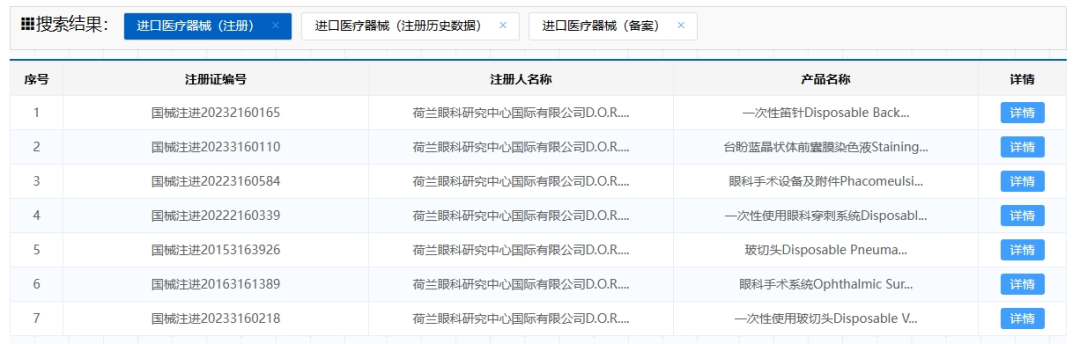
Among themEVA Innovative Phacoemulsification-VitreousThe DORC's EVA integrated machine was approved by NMPA for marketing in China at the end of 2022, and then received TFDA approval for marketing in Taiwan at the end of 2023.Aiming to provide retinal surgeons in China andPatients bring better safety and higher surgical efficiency, providing new options for vitreoretinal surgeons in China.
VisionBlue®, a trypan blue stain used for anterior capsule staining, has been on the global market for over 20 years with nearly 8 million units sold, and it is alsoEntered China at the beginning of 2023, it is the only trypan blue anterior capsule staining solution with dual approval from the FDA and NMPA.For China's complexA large number of cataract patients and the difficult situation have been provided with a safe and effective solution.

In contrast, Carl Zeiss Meditec has been in China for 66 years, although it hasGradually formA closed-loop industrial chain mainly focusing on high-end optical lenses and medical consumables,But its layout in the field of therapeutic devices is not yet complete. In recent years, the company has been embracing future development trends such as digitalization, healthcare, and intelligent manufacturing, expanding its presence and production.Product Combination.
Carl Zeiss Meditec stated that DORC's product technology is highly complementary to its own and aligns with its future strategic development plans. Through the acquisition of DORC,Carl Zeiss can expand its market share and brand influence in the Chinese market, strengthen its competitive advantage in the ophthalmic field, and promote the development and innovation of ophthalmic technology.
Upon the completion of this acquisition,The EVA NEXUS® platform will be integrated with ZEISS's wide range of visualization, diagnostic and therapeutic devices, surgical instruments, and consumables, connecting to a digital ecosystem.Will create efficient clinical workflows, reshape the ophthalmology market, and make foreignBenefits both doctors and patients.

DORC, founded in 1983 and headquartered in the Netherlands, is one of the world’s leading suppliers of ophthalmic surgical equipment, instruments, and liquids.The company is committed to providing products including various ophthalmic-related surgical equipment, surgical instruments, and technologies, such as various types of surgical forceps, vitrectomy kits, and surgical solutions.
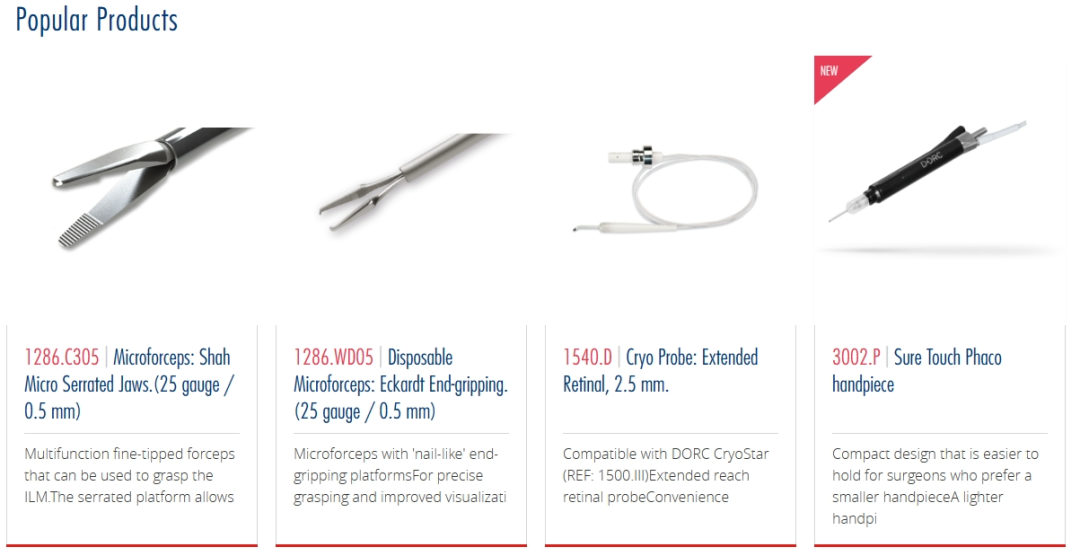
The company focused on the development of ophthalmic instruments in its early days. At that time, Ger Vijfvinkel, who had extensive experience in instrument manufacturing, found his passion in ophthalmic surgery. In order to develop new instruments, he carefully observed surgical procedures, communicated with surgeons, and collaborated to solve problems. This marked the founding of DORC.
Until now, DORC's instruments have always been well-known and loved by industry experts, among whichThe most famous is the Eva Nexus phaco-vitrectomy machine with dual functionality, regarded as the core innovation of its product portfolio.
Eva Nexus Phaco-Vitrectomy Machine
Eva Nexus Phaco-Vitrectomy Machine is a wearable ophthalmic medical device, mainly used for cataract, retina, and vitreous disease surgeries.Applicable to patients with various types of cataracts, diabetic retinopathy, retinal detachment, endophthalmitis, severe ocular trauma, retinal folds (macular folds), macular holes, etc., aiming to improve surgical efficiency.
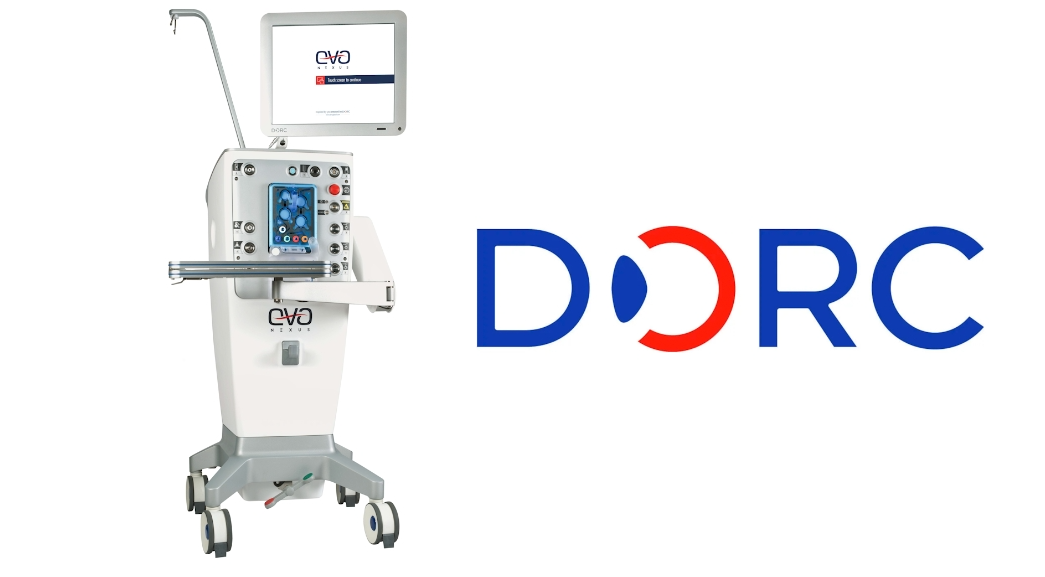
Its appearance is similar to that of ordinary glasses, equipped with a high-resolution camera and sensors, and fitted with a small computer.During the examination, the patient only needs to wear this device and does not require any medication or surgical treatment.DORC Introduces Multiple Innovative Technologies in Eva Nexus, Including:
Smart IOP Technology, a highly responsive cataract surgery infusion system,Enables surgeons to work at lower infusion pressures while maintaining a stable anterior chamber even in complex cases. When this technology is combined with existing dynamic fluidics and EquiPhaco technology, it improves the efficiency of phacoemulsification energy and effectively reduces phacoemulsification time.
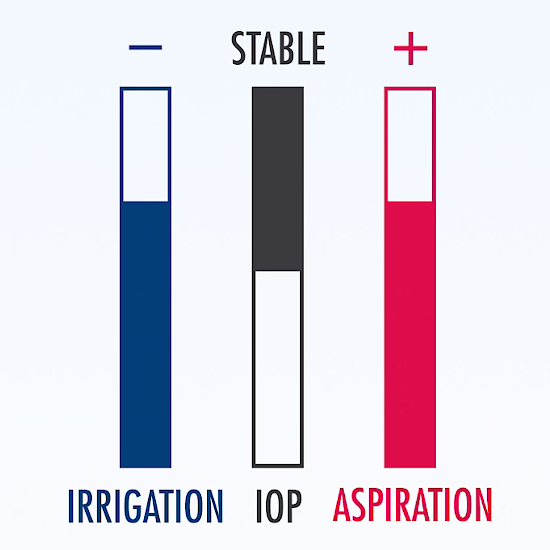
Smart IOP
Eva Aveta is an innovative puncture catheter system,Suitable for Eva Nexus and existing Eva system users. Used in ophthalmic surgeries to guide and deliver drugs, fluids, or gases to specific ocular areas to accomplish particular treatment or surgical steps. Since its initial launch, surgeons have reported improved wound closure and significantly enhanced performance.
Eva Inicio is the first approved micro-injection system,Specifically designed for precise control of injections below 1 milliliter, with excellent ±1psi control, equipped with a compatible catheter system for subretinal injections.
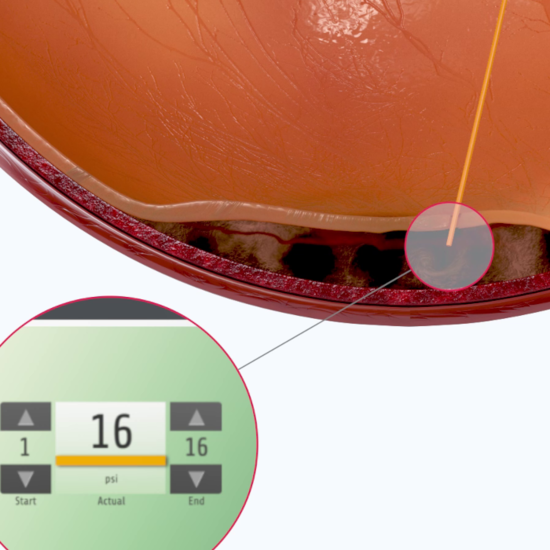
Eva Inicio
In addition,Eva Nexus has independent liquid delivery channels for anterior chamber surgery and posterior chamber surgery.Capable of seamless switching during cataract and vitrectomy surgeries. It also features a range of ergonomic and user-enhanced functions, including active monitoring of BSS levels, vertically and horizontally adjustable monitors, digital overlays, and a foot pedal for repositioning the system.
Anterior and Posterior Segment Staining Agents Series
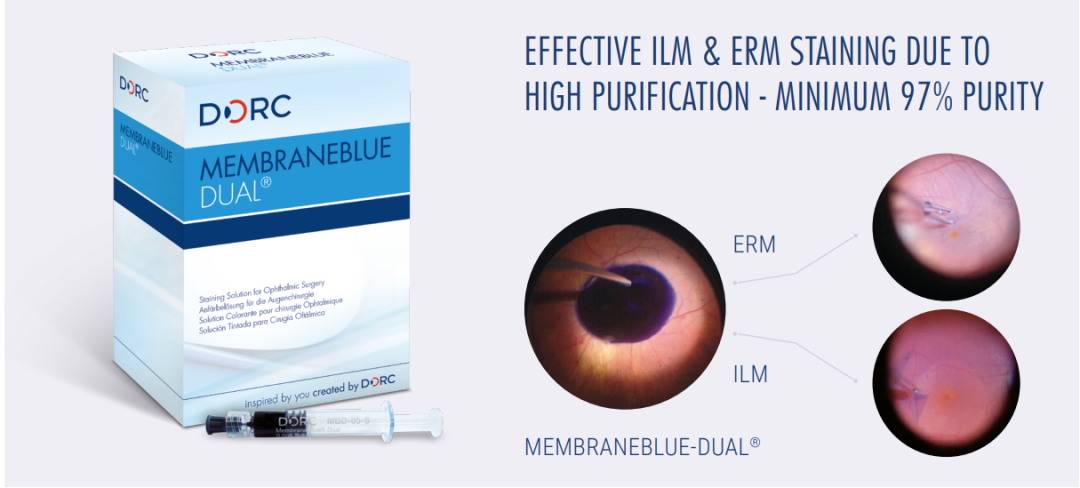
DORC Instruments
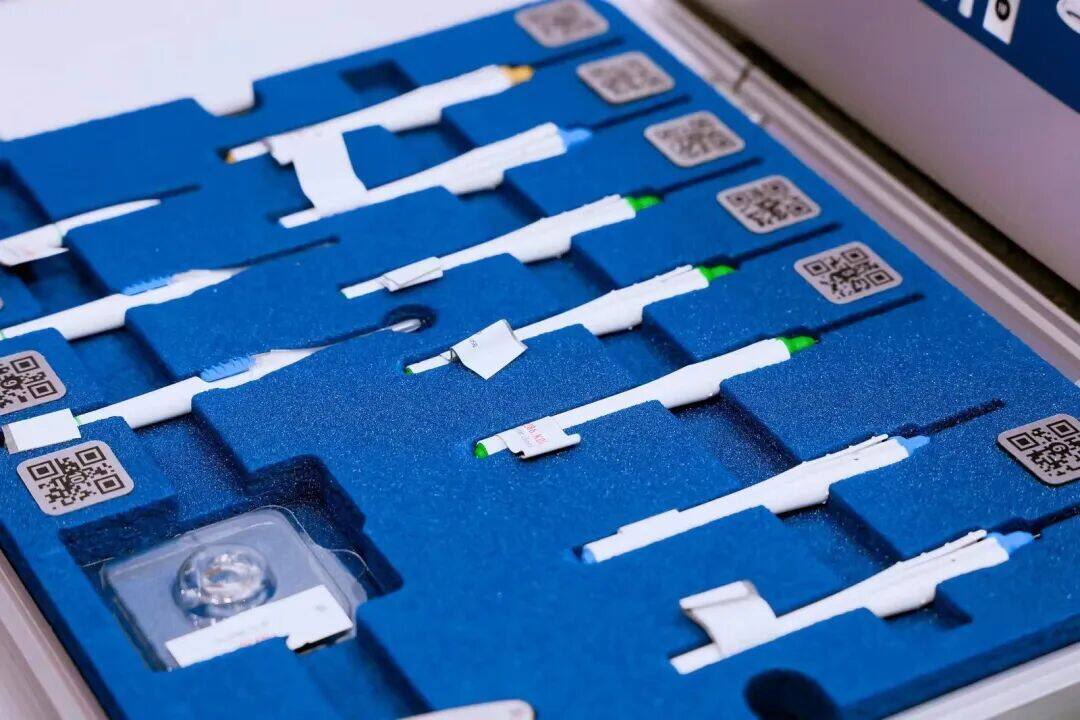
DORC's instruments have always been well-known and loved by industry experts. Several star instrument products, such as the end-gripping internal limiting membrane forceps for highly myopic patients, the dual overhead lamp illumination optical fiber which allows ophthalmologists to free their hands, and the 27G TDC ultra-short vitrectomy kit for microphthalmia patients, are all excellent tools that assist retina surgeons in performing surgeries.
In 1846, Carl Zeiss founded a precision mechanics and optical instruments workshop in Jena, Germany, and began microscope production in 1847.And maintained a period of prosperity for quite a long time; this workshop was the predecessor of the Zeiss Company.
In 1866, another founder of Zeiss, physicist and mathematician Ernst Abbe) to join, injecting powerful technical capabilities into ZEISS.
In 1872, Abbe's microscope imaging theory brought revolutionary developments and laid the foundation for all high-performance optics of mankind.ZEISS has gained global recognition with its leading technology and quickly grown into a leader in the global optics field.

In 1875, Ernst Abbe became a co-owner of the company with Carl Zeiss, and in the same year, health insurance was implemented for employees.Risk Plan.
In 1890, the Optical Instrument Measurement Department was established, starting with the refractometers and spectrometers previously developed by Abbe. This led to the development of a large number of more advanced instruments, widely used in the food industry and medical field. After 1920, the instruments were also extensively applied in the metallurgical and metal processing industries. The department also produced rangefinders and instruments for photogrammetry. In the same year,The photographic optics department was established, and in the same year, the first camera optical lens was launched into the market.
In 1914, the outbreak of World War I temporarily interrupted Zeiss's development and production of civilian instruments, with only the astronomy department able to construct Europe’s largest reflecting telescope at the time for the Potsdam-Babelsberg Observatory.
After the end of World War I,Following Germany's defeat and the restrictions on arms production imposed by the Treaty of Versailles, Zeiss turned its attention to precision measurement, and a precision measurement department was soon established.
In 1945,The烽火of WWIISpread over, the U.S. military occupied the Jena factory, requisitioned patents, documents, and specialized production equipment, and relocated top-notch skilled workers to Heidenheim in the west.
In 1946, the Soviet occupying forces dismantled all production equipment from the Jena factory, relocating scientists, engineers, and specialists.The technicians were brought to the Soviet Union, and the industrial assets of the Carl Zeiss Foundation were nationalized by the Soviet Union in 1948.
After World War II, Germany's forced division also split the Zeiss company into two: one half in West Germany and the other half in East Germany.
In the 1950s, both Zeiss companies not only resumed the production of their traditional products, but also their scientists and design engineers focused on the research and development of new fields. Various electron microscopes were introduced, and Jena built a nuclear track microscope for the nuclear energy research institute near Moscow. Both companies restarted the production of large astronomical instruments.
Jena's astronomical department built planetariums and two-meter-high telescopes for the observatories in Taotenburg and Hamburg.
Aubert-Kohler produced a 150mm Coudé refractometer and a 650mm refractor in the 1950s.
In 1964, lasers were first put into industrial use, and the first industrialized electron beam lithography system emerged in the mid-1970s.
In 1965, Carl Zeiss Jena Public Enterprise became the primary manufacturer of precision machinery and optical products in East Germany.
In 1971, the two companies signed the London Agreement, which adjusted the use of names and trademarks containing the "Zeiss" element.
In 1989, due to the political upheaval in East Germany, the Jena Carl Zeiss public enterprise was dissolved.
Although the two Zeiss companies were divided due to political reasons, they both developed into leaders of optical technology in their respective halves and became competitors in the German and international markets.After the 1960s, the achievements in electronics and information technology increased steadily. Significant progress was made in space research and microelectronics, providing new development prospects for the field of optical instrument design.Jena and Oberkochen are both committed to the integration of optics, precision mechanics, and electronic principles,Products that bring new performance to the world.
In 1998, ZEISS had become a world-renowned optical leader in the field of high-performance lenses for microscopes, industrial measurement, microchip manufacturing, surgical microscopes, and ophthalmic diagnosis and treatment equipment.
In 2000, the Zeiss team consolidated its original 26 subfields into four growth markets:Semiconductor technology and microelectronics, life sciences, vision care, and industrial measurement.In the same year, Zeiss began to focus on leading future semiconductor technologies and established a new factory for the most advanced lithography systems in Europe in Oberkochen.
Establishment of Carl Zeiss Medical Department
In the field of ophthalmology, ZEISS Medical provides comprehensive cataract and intraocular lens solutions for ophthalmologists, aiming to achieve the best visualization in microscopic surgery.The product line includes advanced surgical microscopes and ophthalmic equipment to support the precision and success rates of ophthalmic surgeries.
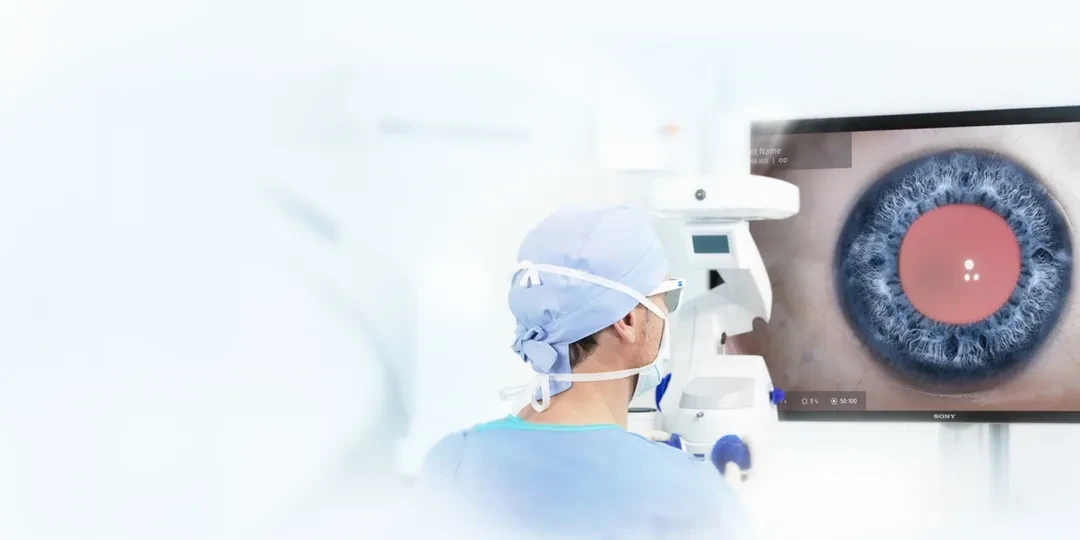
In fields such as neurosurgery, otolaryngology, spinal surgery, and dentistry, ZEISS surgical microscopes and medical dental loupes provide doctors with precise observation and operation tools.These devices, combined with advanced optical technology, support doctors in achieving better outcomes in complex surgeries.

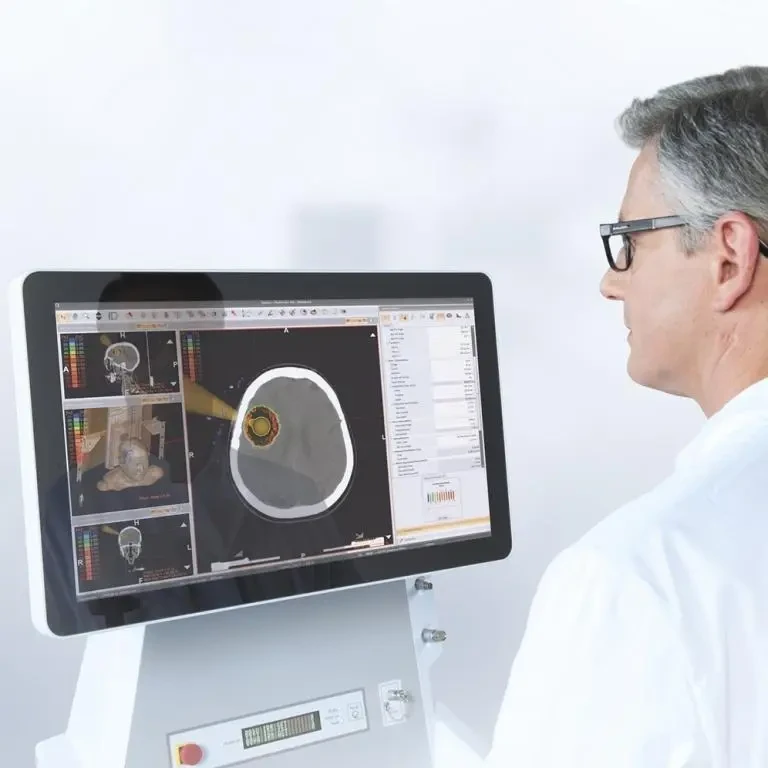
In addition, ZEISS also provides intraoperative radiotherapy systems.The company provides an efficient workflow for medical practice and hospitals by introducing advanced imaging technology and software-assisted data management systems. This innovation enables doctors to operate more precisely in diagnosis and treatment, offering patients higher-quality medical services.
Fastest Growth in Global Ophthalmology
This acquisition is a significant strategic move by ZEISS Medical following its fiscal year revenue of 20.89 billion euros, and an important expansion in the global ophthalmic medical device market.
Financial report data shows that Carl Zeiss Meditec achieved revenue of 2.089 billion euros (approximately 16.2 billion RMB) in 2023, compared to 1.903 billion euros last year, representing a growth of 9.8% (adjusted for currency effects: +10.1%).Is the fastest-growing ophthalmic medical device manufacturer globally.
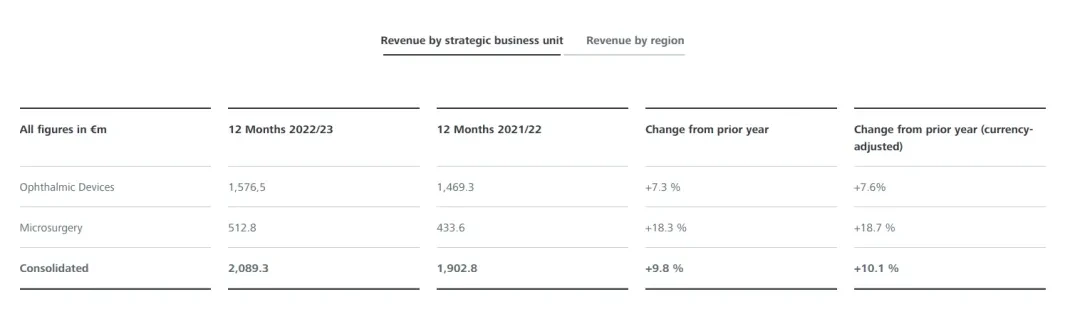
Among them, the revenue of the Ophthalmology Strategic Business Unit increased by 7.3% to reach 1.576 billion euros (approximately 12.2 billion RMB); the revenue of the Microsurgery Strategic Business Unit increased by 18.3% to reach 513 million euros (approximately 4 billion RMB).
More exciting content
Welcome to follow WeChat Video Channel


Digital Intelligence Empowers! Mindray Minimally Invasive Surgery Makes New Progress
The First Share, Re-submission of Listing Application
China's First Standing CT Approved for Marketing! Keya Medical Opens a New Chapter in Ultra-High-End CT
1.7 Billion, This Medical Device Business Sold at a Low Price
Over 1.5 Billion: BD Medical, Edwards and Other Giants Land in China
Just now, another department president of Medtronic has resigned.
Invisible Device Giant Restructures, Cuts Jobs and Closes Plants
Hefei Intelligent Technology Shines at 2024 China Medical Equipment Exhibition, Leading a New Wave of Smart Ultrasound
A New Chapter! United Imaging Intelligence Makes Debut at CHINC
Joining Hands with Xiehe, Mindray Medical Makes a Big Move


BusinessBusiness cooperation email: qxzj@landianyiliao.com