

Novartis' Inclisiran Delivers New Pivotal Data Targeting ASCVD Patients with Uncontrolled LDL-C Despite Statin Therapy

Novartis
Drug Development and Manufacturing
Welcome to follow Asymchem Pharma News

On April 6, 2024, Novartis announced that in real-world studies, when patients using the maximum tolerated dose of statins still fail to reach treatment goals, ezetimibe is recommended by guidelines before its use.Twice-yearly injections of Leqvio (inclisiran) significantly lower low-density lipoprotein cholesterol (LDL-C) in patients with atherosclerotic cardiovascular disease (ASCVD), including those with a history of ASCVD-related events.。
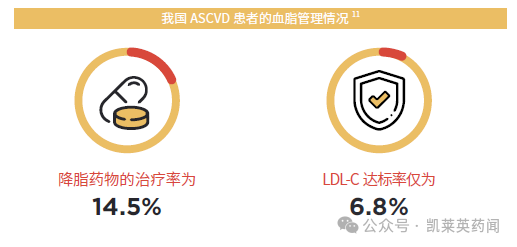
ASCVD Patients Have a More Urgent Need to Lower LDL-C; Currently, About 92% of ASCVD Patients Using Statins Alone Fail to Meet LDL-C Target Goals.
These latest data will be presented at the 2024 American College of Cardiology Annual Scientific Session & Expo and simultaneously published in the Journal of the American College of Cardiology.
About V-INITIATE
VictORION includes more than 30 trials, enrolling over 60,000 patients across more than 50 countries worldwide, aiming to validate the efficacy of Leqvio in reducing LDL-C among diverse patient populations.
V-INITIATE, part of Novartis' VictORION trial, is a 12-month, randomized, multicenter, open-label Phase IIIb study involving 450 ASCVD patients in the United States with elevated LDL-C ≥70 mg/dL. The co-primary endpoints are the percentage change in LDL-C from baseline to Day 330 and the discontinuation of statin therapy (defined as no use of statins for ≥30 days before the end of the study visit). Efficacy will continue to be followed up for two years post-trial to provide further evidence for real-world effectiveness studies of Leqvio.
The results disclosed so far show:
For ASCVD patients who cannot reach LDL-C goals with statin therapy alone, as recommended in the guidelines before adopting ezetimibe, using Leqvio can significantly reduce LDL-C (by 60% and 7%, respectively).
Four out of five patients treated with Leqvio reached the guideline-recommended goal of LDL-C <70 mg/dL, compared to only one out of five patients receiving standard treatment (81.8% vs. 22.2%, respectively; p<0.001).
The safety profile was consistent with the results from the previously disclosed 6-year long-term open-label extension trial.
About Inclisiran
Inclisiran is a small nucleic acid drug developed based on Alnylam's ESC GalNAc platform, targeting PCSK9 mRNA. It achieves better inhibition by targeting the upstream of the PCSK9 protein and only requires subcutaneous injection twice a year during the maintenance period.The drug was developed after Novartis acquired The Medicines Company (which had purchased the licensing rights from Alnylam Pharmaceuticals);July 2023
Inclisiran not only reduces LDL-C in patients with heterozygous familial hypercholesterolemia and ASCVD but also decreases the levels of other atherogenic lipoproteins, such as lipoprotein (a), apolipoprotein B (apo B), and non-high-density lipoprotein cholesterol (non-HDL-C).
The approval of Inclisiran was based on the results of three Phase III clinical trials, ORION-9, -10, and -11, involving 3,457 patients whose LDL-C levels remained elevated despite being on the maximum tolerated dose of statins. Over a trial period of up to 17 months, Inclisiran demonstrated a sustained and effective reduction in LDL-C by 52% compared to placebo, with good tolerability and a safety profile comparable to placebo.
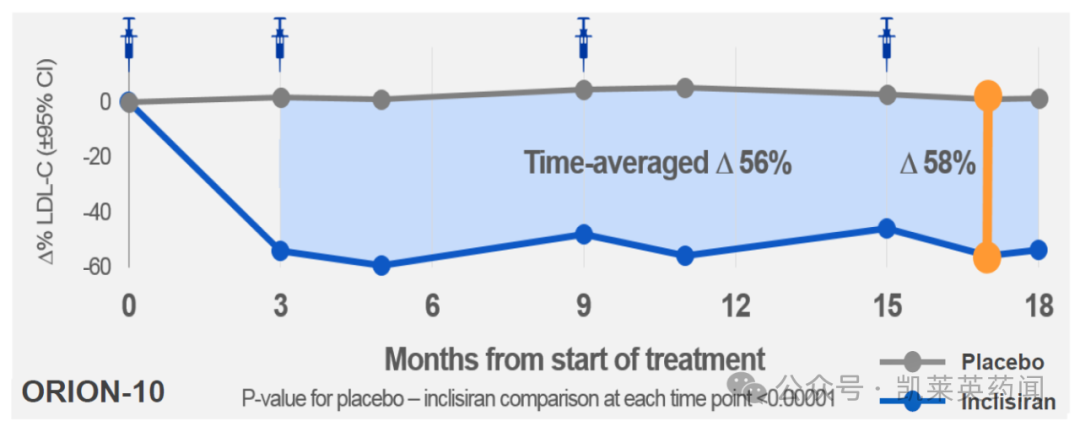
In August 2023, inclisiran was approved by the China National Medical Products Administration as an adjunct to diet for the treatment of adult patients with primary hypercholesterolemia (heterozygous familial and non-familial) or mixed dyslipidemia. In September 2023, the company presented inclisiran's data on the Chinese population at the 34th Great Wall International Congress of Cardiology and Asian Heart Congress. The results showed that: In the China subgroup (including 232 patients from mainland China), receiving 300mg of inclisiran on Day 1, Day 90, and Day 270 reduced LDL-C by 61% (P<0.0001) in ASCVD or high-risk ASCVD patients compared to the placebo group.
With the advantage of long-acting lipid-lowering, inclisiran achieved sales of $112 million in its first year on the market in 2022.In 2023, it achieved a staggering $3.55 billion in sales with a year-on-year growth rate of 217%.GlobalData estimates inclisiran toSales exceeding $2.9 billion are expected in 2029, potentially surpassing evolocumab and alirocumab.. In addition,The drug has been gradually rolled out for administration in multiple locations across China, with each dose priced at 9,988 yuan.。
About PCSK9 Drugs
Proprotein Convertase Subtilisin/Kexin Type 9 (PCSK9) is a serine protease that is highly expressed and secreted in the liver, regulating LDL-C homeostasis. The interaction between the catalytic domain of PCSK9 and LDLR mediates the degradation of the intracellular PCSK9-LDLR complex, preventing LDLR from recycling to the surface of hepatocytes, thereby reducing the clearance of serum LDL-C by LDLR and leading to elevated LDL-C levels. Studies have shown that loss-of-function mutations in the PCSK9 gene are associated with low LDL-C levels and reduced cardiovascular burden.
Targeted PCSK9 drugs essentially work by inhibiting the PCSK9 protein, increasing the expression of LDLR on the cell surface, and enhancing the liver's uptake of LDL-C. The currently developed product types include monoclonal antibodies, siRNA, oral cyclic peptides, etc. PCSK9 monoclonal antibodies can directly bind to plasma PCSK9, preventing PCSK9 from interacting with LDLR, reducing the catabolism of LDLR on the cell surface, thereby lowering circulating LDL-C levels. The mechanism of PCSK9 siRNA drugs is to degrade PCSK9 mRNA in the liver, inhibit translation, eliminate PCSK9 in circulation, and thus reduce LDL-C levels.
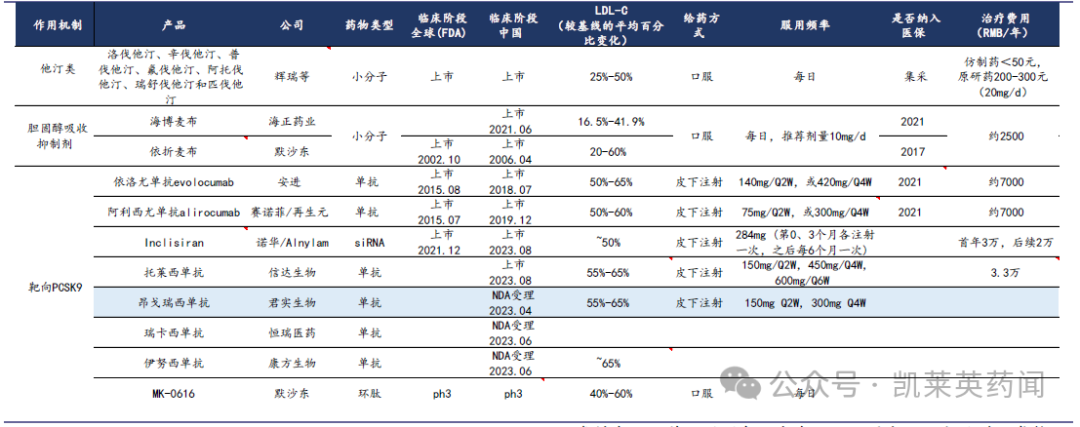
Currently, there are four PCSK9-targeted products available on the market in China: Amgen's Evolocumab, Regeneron's Alirocumab, Innovent Biologics' Torseptilib, and Inclisiran. Additionally, Junshi Biosciences, Hengrui Medicine, and Akeso Biopharma’s products are at the NDA stage. The several marketed PCSK9 drugs show similar efficacy in lowering LDL-C levels, generally by 50%-65%.
Competition Landscape of Lipid-Lowering Drugs in China
About ASCVD
Atherosclerosis refers to the formation of lipid plaque deposits in the arterial walls, leading to thickening and hardening of the arterial walls, narrowing of the vascular lumen, and eventually reducing or obstructing blood flow. Cardiovascular diseases, mainly ASCVD, are the leading cause of death among urban and rural residents in China, accounting for more than 40% of all deaths.
ASCVD includes the following conditions:
Coronary heart disease, such as myocardial infarction, angina pectoris, and coronary artery stenosis;
Cerebrovascular diseases, such as transient ischemic attack, ischemic stroke, and carotid artery stenosis;
Peripheral artery disease, such as claudication;
Atherosclerotic diseases of the aorta, such as abdominal aortic aneurysm and thoracic descending aortic aneurysm.
Dyslipidemia is one of the most significant risk factors for atherosclerosis, and among lipids, dyslipidemia remains one of the primary risk factors. Specifically, LDL-C levels are a key factor in the progression of atherosclerosis. LDL deposits in arterial walls lead to the occurrence and development of atherosclerosis. By reducing LDL-C levels, the risk of worsening and recurrence of cardiovascular diseases can be decreased. Even when LDL-C is already at a relatively low level, lipid-lowering treatment can still continue to reduce the risk.
Currently, drug therapy is the primary lipid-lowering treatment for ASCVD patients. Statins, cholesterol absorption inhibitors, and PCSK9 inhibitors are the three commonly used types of lipid-lowering drugs in clinical practice. Generally speaking, statins are the first choice for lipid-lowering drugs. Although statins have become the foundation of lipid-lowering therapy, approximately 9.1% of patients clinically experience statin intolerance, with an even higher proportion among Asian populations. Therefore, when LDL-C levels cannot be adequately controlled, cholesterol absorption inhibitors or other drugs are used in combination. If the target still cannot be reached, PCSK9 inhibitors are added to further reduce LDL-C levels effectively.
About Novartis' Layout in the Small Nucleic Acid Field
Whether it's the $4.2 billion deal with Bowang Pharmaceuticals or the multi-billion-dollar collaboration with Ionis to develop two cardiovascular ASO therapies, Novartis' favor towards small nucleic acid technology is undeniable.
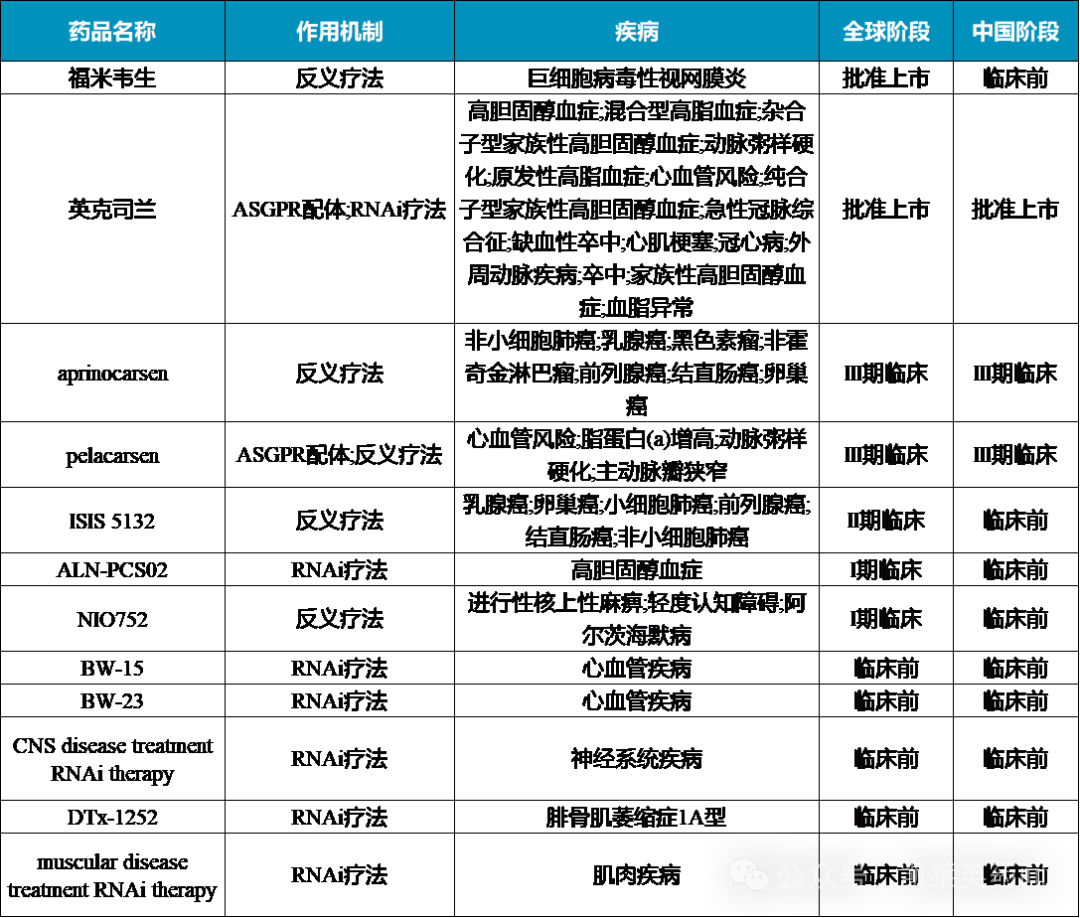
So far, Novartis has spent over tens of billions of dollars acquiring potential blockbuster products. Especially since 2023, Novartis has accelerated its pace of mergers and acquisitions in the small nucleic acid field. In July 2023, Novartis announced the acquisition of DTx Pharma, a company focused on CNS siRNA therapy development, for up to $1 billion. In August 2023, Novartis entered into a second collaboration with Ionis, a pioneer in ASO nucleic acid drugs, bringing the lipid-lowering ASO drug Pelacarsen into its portfolio. In January this year, Novartis again spent $4 billion to acquire multiple small nucleic acid pipelines from Bowang Pharmaceutical.
According to incomplete statistics, Novartis has deployed over 10 drugs in the small nucleic acid field.
References
1. Company Official Website
2. CITIC Securities, Airdoc, Pacific Securities
3. Drug Hunter Club


"Views"Click once