
Recently, the American College of Cardiology (ACC) reported several new advancements in the field of cardiology, including the significant effectiveness of Abiomed's Impella CP pump by Johnson & Johnson in treating acute myocardial infarction, GE HealthCare integrating AI-assisted cardiac diagnostic software into portable ultrasound probes, and Medtronic’s heart valve showing advantages in a head-to-head TAVR study targeting women.

The American College of Cardiology (ACC) is an authoritative institution in the field of cardiology, holding significant influence in the medical community, particularly in cardiology. It provides clinical guidelines and education for cardiovascular professionals and hosts major conferences, including ACC.24, to share the latest scientific research and advancements in cardiology. Through its website, the ACC offers a wide range of information, including educational resources, conference updates, the latest research and guidelines, and membership services, with the aim of leveraging science and innovation to improve the quality of patient care.
Johnson & Johnson's Abiomed Impella CP Pump Achieves Significant Outcomes in Acute Myocardial Infarction Treatment
Abiomed, a subsidiary of Johnson & Johnson, recently announced the significant efficacy of the Impella CP catheter pump in treating patients with acute myocardial infarction and cardiogenic shock. The study results show that the Impella CP pump significantly improves the six-month survival rate of such patients. This achievement was presented at the American College of Cardiology’s Annual Scientific Session and published in The New England Journal of Medicine.The study enrolled 355 patients from the UK, Denmark, and Germany, most of whom underwent percutaneous coronary intervention (PCI). In the study, one group of patients received support from the Impella CP pump, while the other group received standard care only. The results showed that the six-month mortality rate was 45.8% for patients using the Impella CP pump, compared to 58.5% in the control group, indicating that the use of the Impella CP pump reduced the 180-day mortality rate by 12.7%.Despite an increase in complications and adverse events in the Impella CP pump treatment group, researchers believe that these risks are acceptable given the significant improvement in survival rates. Abiomed plans to further investigate the optimal timing for using the Impella CP pump in STEMI treatment. Although the FDA issued a Class I recall of the Impella pump due to the risk of cardiac perforation, it pointed out that the issue lies with operator handling rather than the device itself.This study offers new therapeutic hope for heart disease patients and advances the field of cardiology. Abiomed will continue to optimize the application of the Impella CP pump to enhance treatment outcomes and patient quality of life, paving new paths for heart disease treatment.
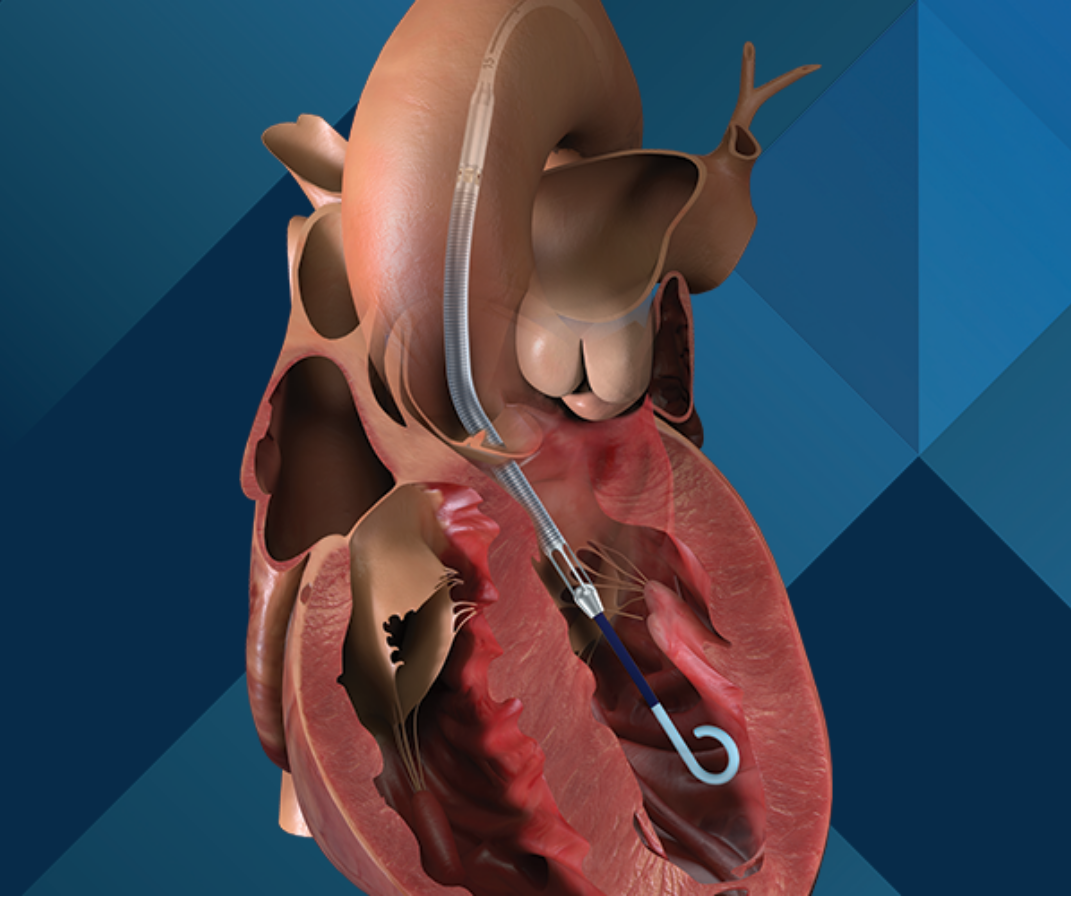
Image from official source
GE HealthCare Introduces Cardiac AI Coaching Software to Handheld Ultrasound Probes
At the recent American College of Cardiology’s Annual Scientific Session, GE HealthCare showcased its latest technology – integrating Caption AI Guidance Software into handheld ultrasound probes. Developed by Caption Health, this technology aims to simplify the traditionally complex process requiring specialized training by providing step-by-step guidance to help technicians capture diagnostic images of the heart in real time.Caption AI has previously been applied to large ultrasound hardware for echocardiography. Now, GE HealthCare has expanded its functionality to portable probes, enabling high-quality ultrasound scanning guidance and tools to be directly applied at the point of care. This integration ushers in a new chapter in cardiac screening, supporting not only the early detection of heart disease but also improving the clarity of cardiac images and the accuracy of diagnoses.GE HealthCare Ultrasound President and CEO Roland Rott emphasized that the acquisition of Caption Health strengthens the company's leadership in the ultrasound and artificial intelligence fields. The mobile version of Caption AI provides visual prompts guiding users on how to maneuver the ultrasound probe, along with the ability to automatically calculate ejection fraction for rapid assessment of heart efficiency.Moreover, these AI technologies have helped GE HealthCare secure funding from the Bill & Melinda Gates Foundation to expand its impact in low- and middle-income countries. The combination of handheld ultrasound probes and AI software not only facilitates deployment but also broadens applications in maternal health and lung screenings, aiding in the early detection of conditions such as pneumonia. This advancement marks an important step forward for medical technology in improving global health.
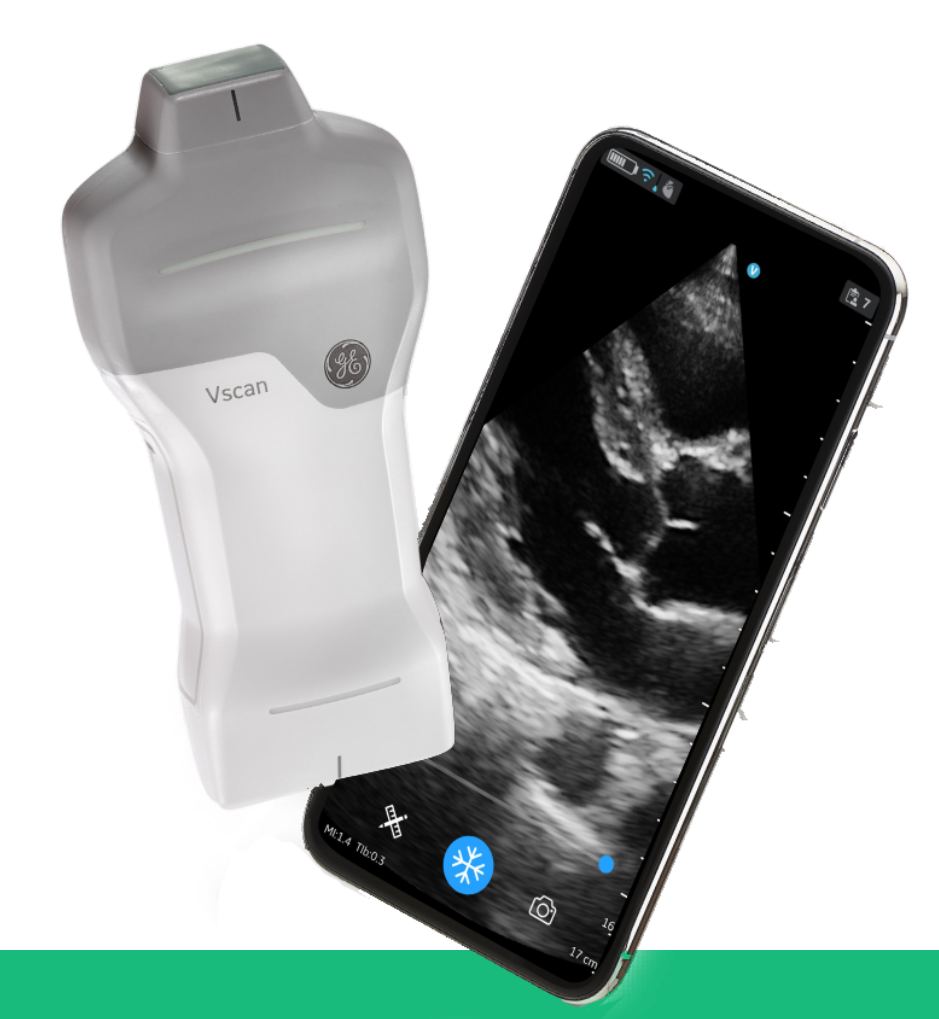
Image from official source
Medtronic Heart Valve Shows Advantages in Head-to-Head TAVR Study Targeting Women
At the recently held American College of Cardiology (ACC) 2024 Annual Meeting, Medtronic announced that its heart valve product, the Evolut series, demonstrated significant advantages in a head-to-head TAVR study targeting female patients. The study, named SMART, enrolled 716 international patients with small aortic annuli, approximately 87% of whom were women. It found that the Evolut series was comparable to Edwards Lifesciences' Sapien platform in terms of clinical safety, but the self-expanding structure of the Evolut provided superior results in valve function measurements. The incidence of bioprosthetic valve dysfunction within 12 months was 9.4% for the Evolut valve, significantly lower than the 41.6% observed with the Sapien valve.Medtronic emphasized that although women may have a better life expectancy, their mortality rate is higher than men's after being diagnosed with severe aortic stenosis. The company also noted that elderly women have lower rates of heart disease screening and awareness of aortic stenosis. The results of the SMART study provide strong clinical evidence for the use of the Evolut valve in female patients with small annuli, which is expected to improve treatment outcomes and quality of life for this patient population. Additionally, the FDA recently approved Medtronic’s Evolut FX+ valve, whose nitinol frame design is expected to offer better treatment outcomes for younger patients.

Image source: Official
The successful application of the Impella CP pump, the development of GE HealthCare's AI-assisted ultrasound probe, and the excellent performance of the Evolut series valves in female patients have all brought more precise and efficient treatment options for heart disease patients. As these technologies are further researched and optimized, the future treatment of heart disease patients will become more personalized and comprehensive, greatly improving patients' health conditions and quality of life.
At the same time, the ACC will continue to advocate and encourage more scientific research collaborations to promote the continuous development and innovation in the field of cardiology.
▲ Source of the article: Medical Device Innovation Network▲Please indicate the source above when reprintingDisclaimer: This article is for informational purposes only and serves as a reference. It does not constitute any advice on investment or treatment; please evaluate carefully. If the content, copyright, or other issues of the work are involved, to protect the rights and interests of both parties, please contact us and we will handle it immediately. If this article is reprinted by any platform, the platform shall be responsible for the article itself; the Medical Device Innovation Network is not responsible for any secondary dissemination caused by the reprint.