GSK and Sichuan Western Medical Technology Transfer Center Launch Strategic Collaboration to Enhance Management of Eosinophilic Respiratory Diseases in China

GSK
Pharmaceutical R&D Manufacturer
China Finance and Economics News, April 14th: Today, GlaxoSmithKline ("GSK") and the Western Sichuan Medical Technology Transfer Center held a signing ceremony for a strategic cooperation memorandum. The two parties will carry out strategic cooperation on the project to enhance the diagnosis and treatment capabilities of eosinophil (abbreviated as EOS)-related respiratory diseases and comorbidities.
Eosinophils (EOS) are a type of white blood cell with a wide range of physiological functions, including immune regulation, tissue homeostasis, and cytotoxicity. A large number of studies have shown that elevated EOS levels may lead to a series of problems, such as deterioration of lung function and increased severity of asthma.
Member of the National Committee of the Chinese People's Political Consultative Conference and Dean of the Respiratory and Comorbidity Research Institute of West China Hospital, Sichuan University, Li Weimin, stated that eosinophils are not only a key mechanism in the pathogenesis of asthma but also an important mechanism and therapeutic target for various related diseases, such as chronic rhinosinusitis with nasal polyps, eosinophilic granulomatosis with polyangiitis, hypereosinophilic syndrome, and allergies. Currently, these EOS-related respiratory diseases and comorbidities face numerous challenges in clinical diagnosis and treatment, including low awareness, low early diagnosis rates, and low standardized treatment rates. As a result, patients often fail to receive timely and standardized diagnosis and precise treatment, further exacerbating their disease burden. "Progress in disease diagnosis and treatment, as well as the development of the field, requires the collaboration of all parties. Improving clinicians' diagnostic and treatment capabilities for EOS-related diseases and promoting standardized practices in diagnosing and treating these conditions will significantly enhance patients' quality of life."
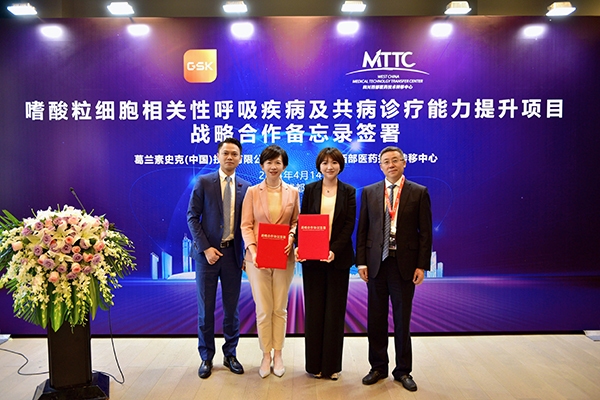
According to Lei Juan, Director and Chairman of the Sichuan Western Medical Technology Transfer Center, the project for establishing standardized diagnosis and treatment centers for EOS-related diseases will explore multiple areas in depth after its launch. First, by setting up specialized outpatient clinics for EOS-related diseases and adopting a multidisciplinary consultation model, the project will accumulate and improve diagnostic and treatment data for EOS-related diseases, while gradually exploring the establishment of standardized clinical diagnosis and treatment pathways for patients with EOS-related diseases. Second, this year, the standardized clinical diagnosis and treatment pathways for EOS-related diseases will be promoted and applied in 50 hospitals across China, comprehensively enhancing clinicians' diagnostic and treatment capabilities for EOS-related diseases. Meanwhile, efforts will also focus on actively developing digital intelligent evaluation and management systems for EOS-related diseases, aiming to achieve precision, meticulousness, and comprehensiveness in the diagnosis and treatment of these conditions, thereby reducing the disease burden for patients.
"This project is an important milestone for GSK’s deep cultivation in the field of respiratory diseases in China. In addition to introducing innovative drugs to China, we also look forward to working with the government, experts, associations, and other parties to bridge the last mile for patients, ensuring that the right patients receive the right medications, providing experts with innovative treatment options, and helping to comprehensively improve the level of respiratory disease treatment in China," said Dr. Tong Yu, Vice President and Head of Medical Affairs, GSK China.
Yu Jin Yi, Vice President and Head of GSK China's Respiratory Business Unit, stated that with its extensive experience in the field of respiratory diseases, GSK will focus on three dimensions to help build China's chronic respiratory disease prevention and management system. First, it will prioritize patients by continuously optimizing standardized diagnostic and treatment pathways for EOS-related respiratory diseases; second, it will establish a professional academic exchange platform to collectively enhance doctors' clinical diagnostic and treatment capabilities; third, it will increase investment in public disease education and awareness, improving patients' and the public’s understanding and self-management abilities regarding diseases. Through these efforts, GSK aims to comprehensively support the realization of the "Healthy China 2030" strategy.