Case Report: Percutaneous Transluminal Angioplasty of Autogenous Arteriovenous Fistula in an HIV-Positive Patient Using DKutting™ High-Pressure Scoring Balloon – A Multidisciplinary Collaboration Led by Prof. Yu Junchao

DK Medtech
Vascular Interventional Balloon Product Developer

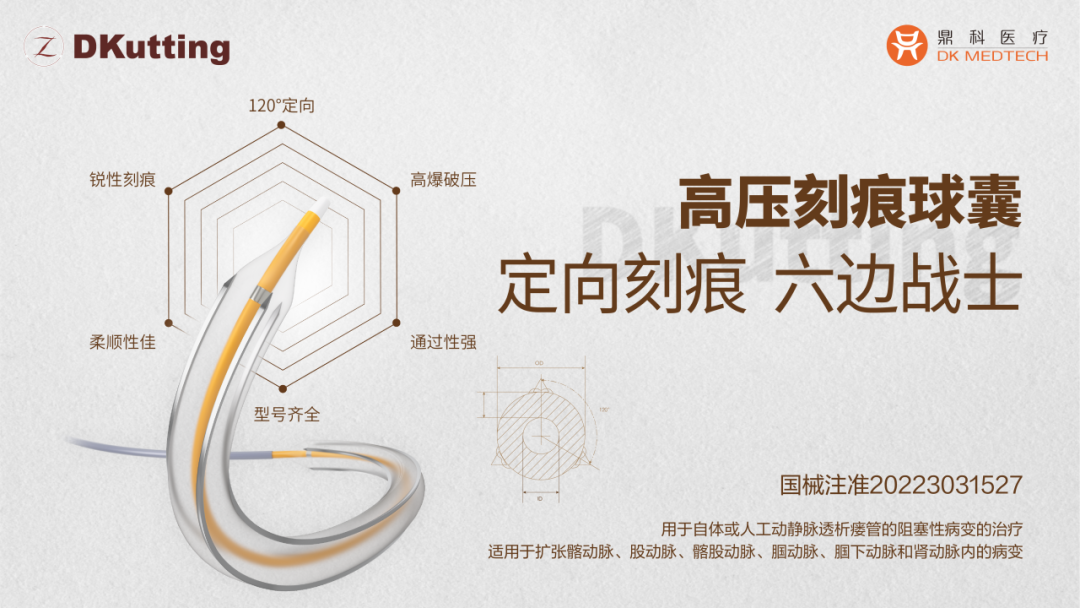
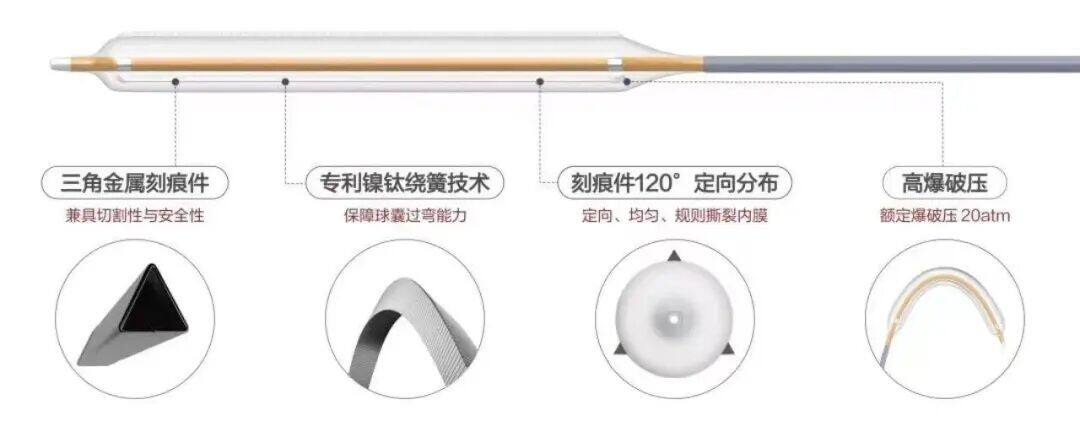
With the vigorous development of China's peripheral vascular intervention market, ordinary peripheral balloons have entered a stage of full competition. However, for the increasing number of highly resistant stenotic lesions, ordinary balloons can easily cause complications such as excessive vascular injury, flow-limiting dissections, and hematomas. On the other hand, pressure-focused balloons, which utilize cutting/notching elements between the vessel wall and the balloon’s outer diameter during expansion, enhance localized pressure and enable efficient directional dilation. This reduces vascular elastic recoil and represents a new direction in the development of vascular intervention balloons.
DK Medtech's independently developed DKutting™ High-Pressure Scoring Balloon, featuring an exclusive patented design (CN201810478242.X), boasts numerous advantages such as excellent deliverability, uniform expansion, and high burst pressure. In terms of overall product performance, it can be described as a "hexagonal warrior," with virtually no weaknesses. This marks a significant breakthrough for local enterprises in innovating and surpassing top-tier imported products.
DK Medtech Special Release[Professor JunChao Yu's Team: A Case of Percutaneous Angioplasty for Autologous Arteriovenous Fistula in HIV] Case Presentation, demonstrating the meticulous operation of each case and the clinical application of advanced equipment and instruments. From the formulation of treatment strategies for different cases, standardized intraoperative procedures and technical applications, complication prevention, to perioperative management, etc., the aim is to promote the standardization of diagnosis and treatment for vascular stenosis and occlusive diseases, strengthen technical exchanges and experience sharing among doctors, with the hope of providing new ideas and methods for future diagnosis and treatment, benefiting more clinical patients.

A Case of Percutaneous Angioplasty for Autologous Arteriovenous Fistula in an HIV Patient
Kunming First People's HospitalYu Junchao,Wang Ye
Kunming Third People's HospitalWeiSha Zhou

Patient Information
Basic Information:The patient is a 46-year-old male.
Chief Complaint:More than 1 year of maintenance hemodialysis, autologous arteriovenous fistula occluded for 1 day.
History of Present Illness:The patient was diagnosed with HIV infection in 2004 and has been on antiviral therapy with "Abacavir + Kaletra" since 2005. Four years ago, the patient discovered elevated serum creatinine levels. From March 2022 to the present, the patient has been undergoing regular maintenance hemodialysis at Kunming Third People's Hospital due to "1. Chronic renal failure, 2. Renal anemia, 3. AIDS." During this period, the patient underwent multiple femoral vein catheterization procedures, one long-term internal jugular vein catheterization on the right side, and one autologous arteriovenous fistula formation procedure. On January 4, 2024, the patient reported not feeling a thrill in the left upper limb autologous arteriovenous fistula, and ultrasound examination revealed thrombosis and occlusion of the fistula. To address the vascular access issue, the patient sought medical attention on January 5. The patient complained of swelling and pain in the left upper limb, with no other significant discomfort.
Past Medical History:HIV Infection。
Physical Examination:General condition is fair. Chronic disease appearance, facial edema, jugular vein distention. No jaundice of skin or sclera. Regular heart rhythm. Coarse breath sounds in both lungs, no dry or wet rales heard. Abdomen flat and soft, no tenderness or rebound tenderness, negative ascites sign. No edema in both lower limbs. Autologous arteriovenous fistula visible on the left upper limb, no thrill palpable, no vascular murmur heard.
Admission Diagnosis:
Chronic Renal Failure
Hemodialysis Status
Renal Anemia
Renal Hypertension
AIDS
Dysfunction of Autologous Arteriovenous Fistula (Thrombotic Occlusion)
Previous interventional treatment
Time | Main Treatment Process |
March 22, 2022 | Right Femoral Vein Catheterization |
May 19, 2022 | Long-term Catheter Placement in the Right Internal Jugular Vein |
June 10, 2023 | Left Femoral Vein Catheterization |
July 3, 2023 | Left Upper Limb Autologous Arteriovenous Fistula Formation |
January 4, 2024 | Right Femoral Vein Puncture and Catheterization |
January 5, 2024 | Percutaneous Balloon Angioplasty of Arteriovenous Fistula in Left Upper Limb |
Preoperative Analysis
Preoperative Analysis:The patient is an HIV-infected individual with chronic renal failure who has undergone multiple temporary femoral vein catheterizations and a long-term right internal jugular vein catheterization during nearly one year of maintenance hemodialysis. Subsequently, the patient developed facial edema, distended jugular veins, and poor blood flow, suggesting superior vena cava stenosis. Currently, within less than half a year after the formation of an autologous arteriovenous fistula in the left upper limb, thrombotic occlusion of the autologous arteriovenous fistula occurred. Ultrasound examination revealed incomplete occlusion of the radial artery. To continue hemodialysis treatment, percutaneous balloon angioplasty of the autologous arteriovenous fistula is required.
Surgical Objective:
Main Objectives:Continue hemodialysis treatment for the patient and maintain vascular access;
Secondary Objective:Addressing the stenosis and occlusion of autologous arteriovenous fistulas in patients.
Surgical Strategy/Plan:Under ultrasound guidance, perform percutaneous arteriovenous fistula formation at the radial artery puncture site of the left upper limb wrist.
Surgical Procedure
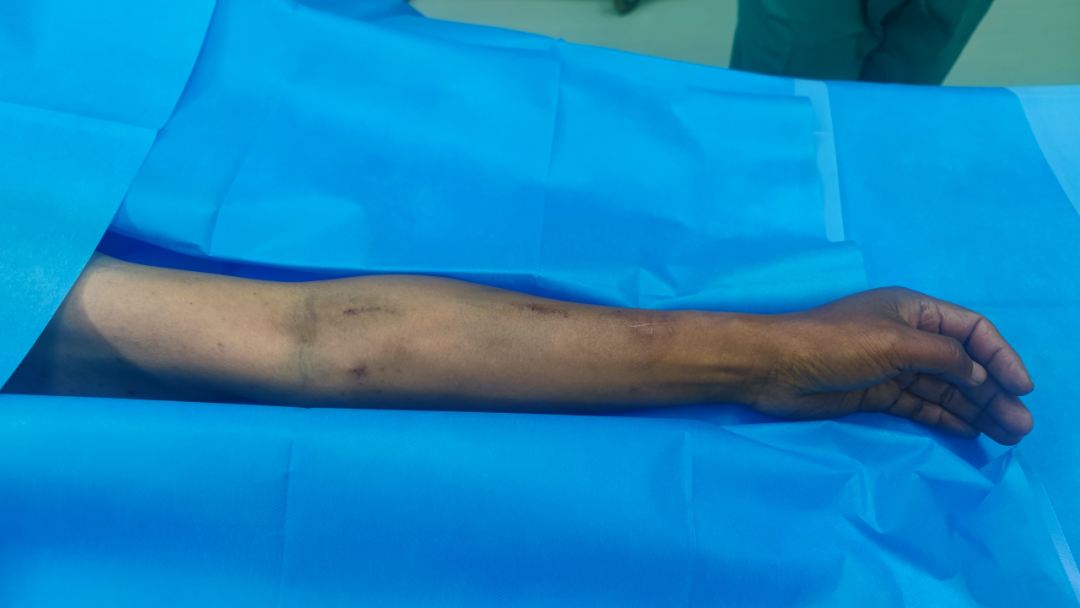
Ultrasound Examination of the Left Upper Limb Autologous Arteriovenous Fistula in the ForearmStenosis and thrombotic occlusion of the anastomosis of the internal fistula, cephalic vein of the forearm, median vein of the forearm, and median cubital vein, with a length of approximately 20 cm; stenosis of the radial artery of the forearm, with the narrowest inner diameter of 1.4 mm and a length of approximately 16 cm.
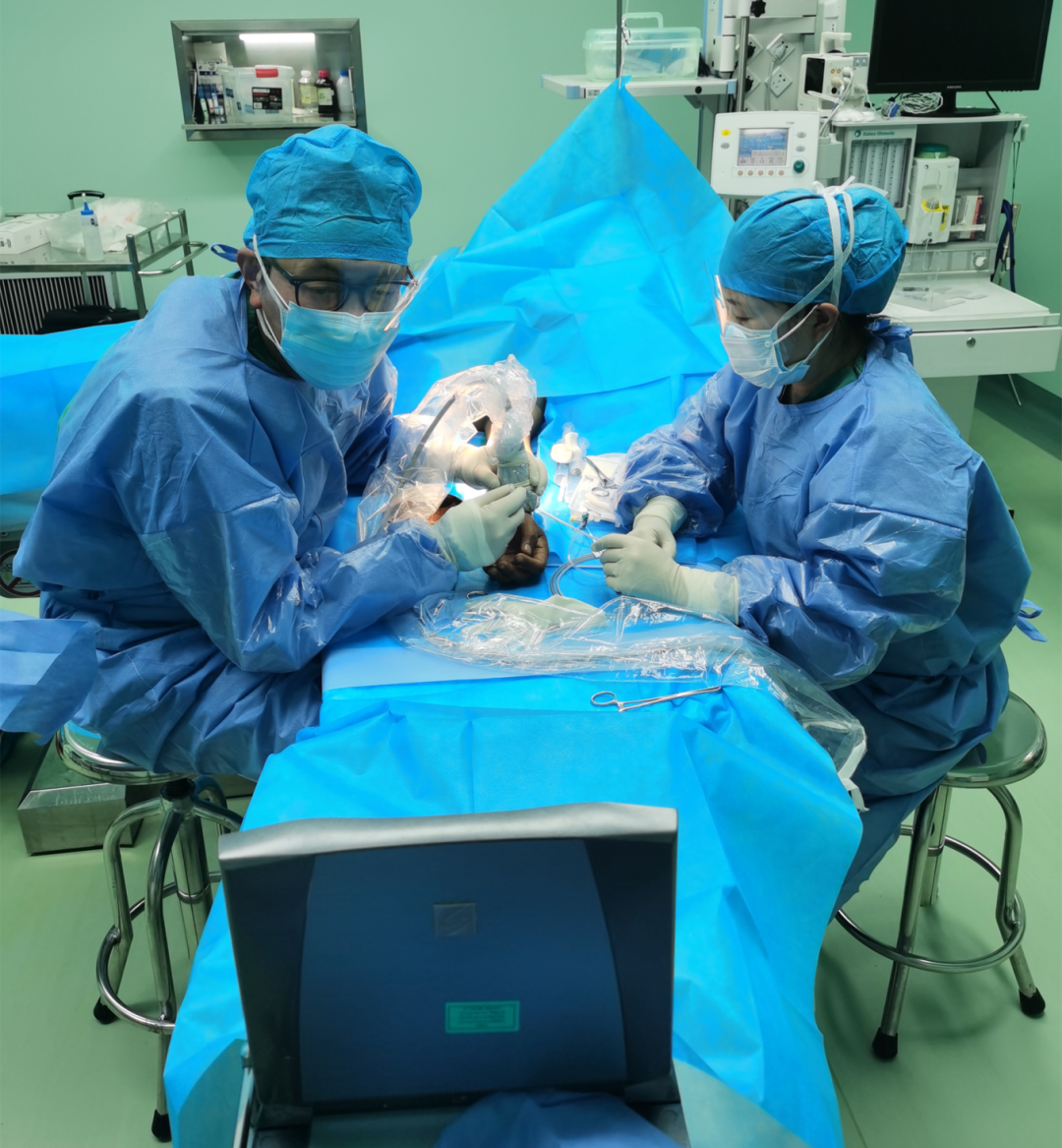
Under ultrasound guidance, the radial artery was punctured at the left wrist. After puncture, a guidewire was inserted, followed by the placement of a vascular sheath over the guidewire. Under B-mode ultrasound guidance, a hydrophilic-coated guidewire (RF*GA35153M 150CM) was advanced to the stenotic, thrombotic occlusion segment of the vessel.
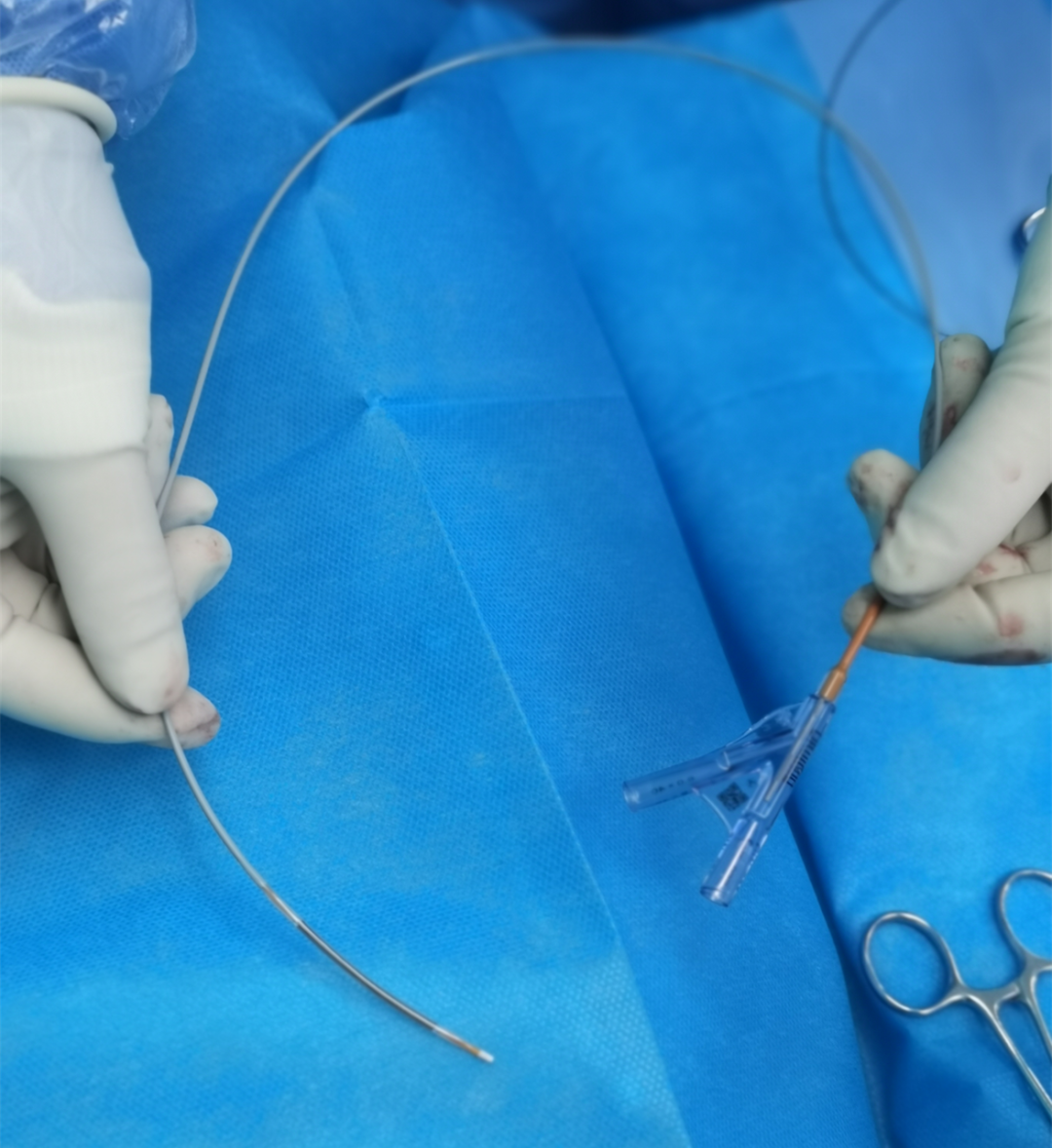
DK Medtech Scored Peripheral Balloon Dilatation Catheter 6mm*40mm.
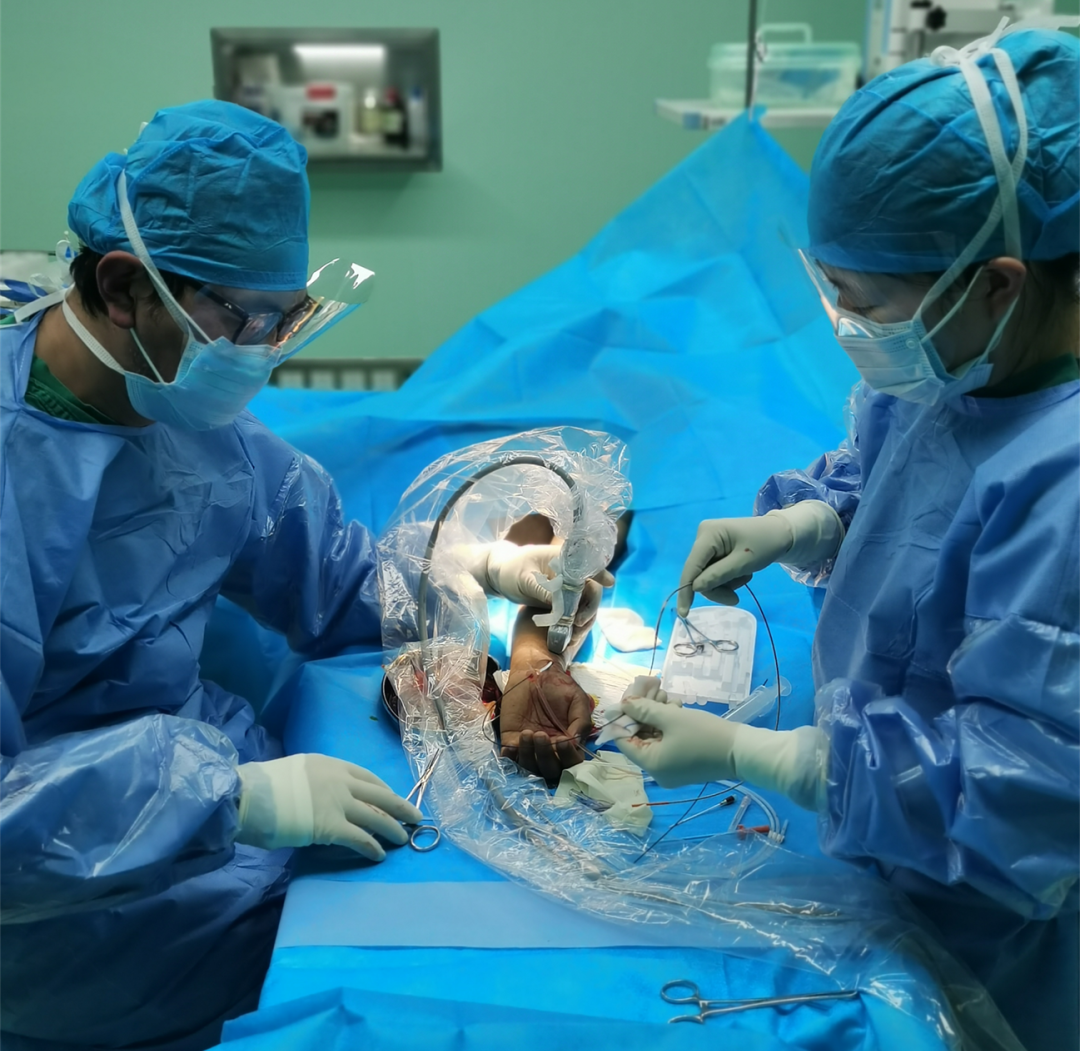
Under ultrasound guidance, a 6mm*40mm peripheral balloon dilation catheter was inserted along the guidewire to progressively dilate the stenotic thrombotic occlusion segment of the blood vessel.
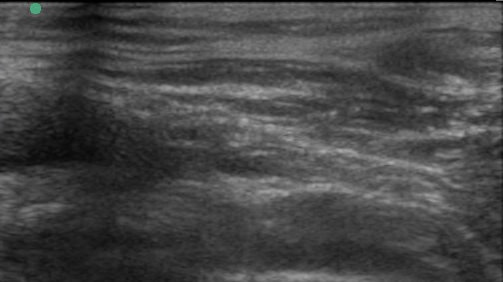
Occluded and stenotic vascular segments
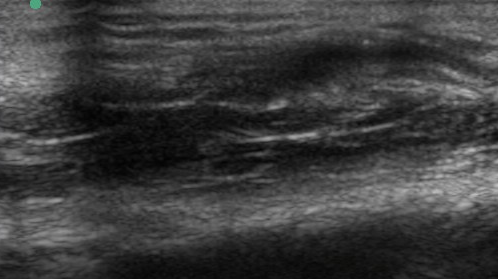
Thrombosed vessel segment
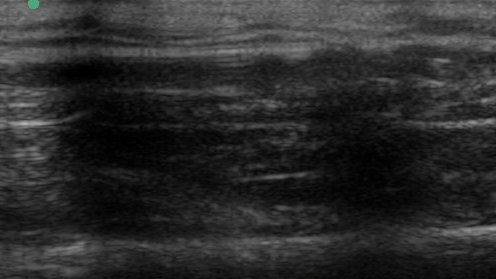
Guidewire passes through the stenotic occlusion segment
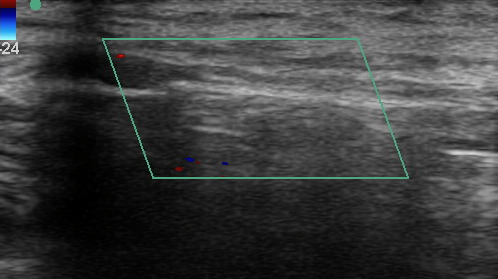
Place a 6mm*40mm scored peripheral balloon dilation catheter along the guidewire.
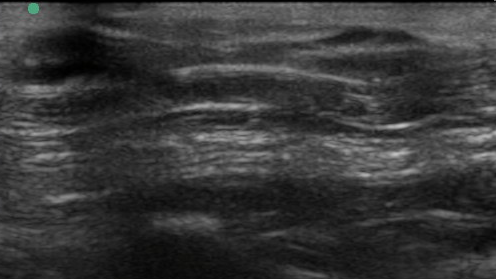
Peripheral Balloon Dilation Catheter for Narrowing Segment Expansion
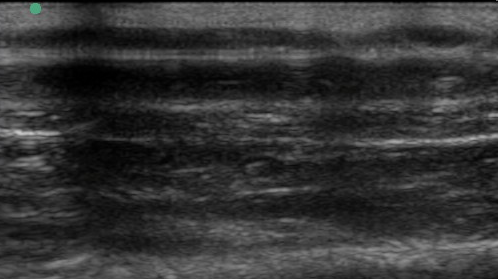
Peripheral balloon dilation pressure 4-20 atm, lasting 1 minute each time
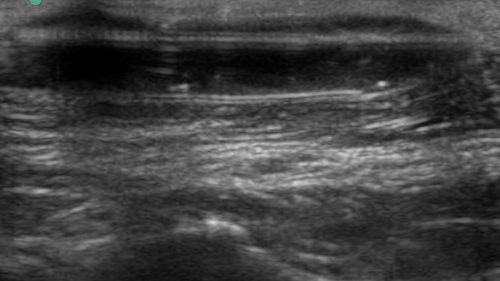
Improved vascular stenosis waist compared to before
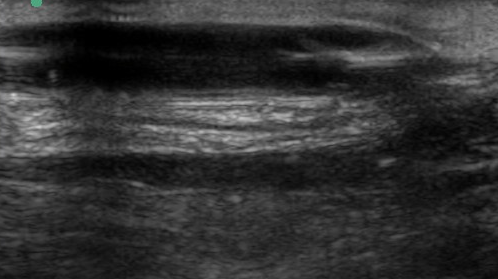
Significant improvement in vascular stenosis waist
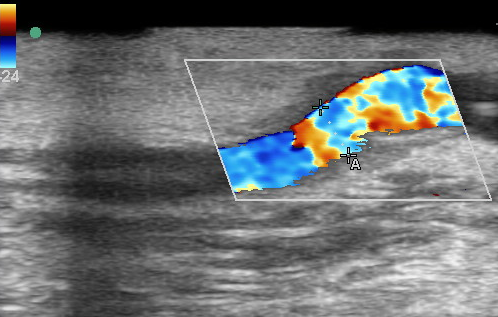
After dilation, blood flow significantly improved, and the diameter of the stenotic segment of the forearm cephalic vein fistula increased to 4.2mm.
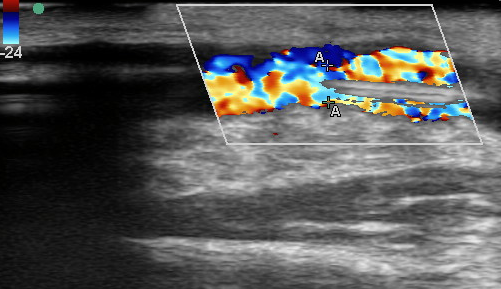
The diameter of the radial artery stenosis in the forearm improved to 2.8mm after dilation.
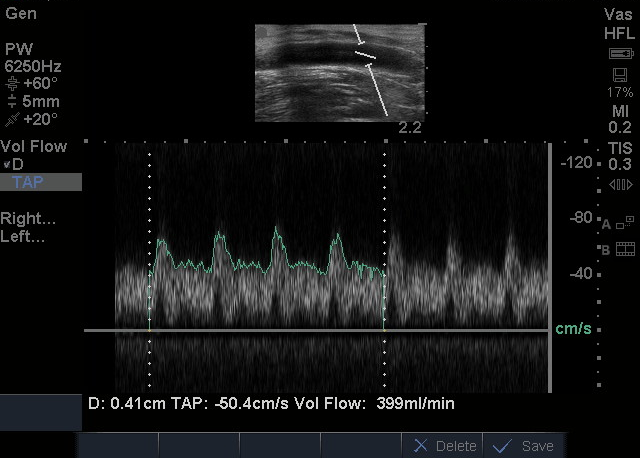
After using a 6mm*40mm peripheral balloon dilation catheter to dilate the stenotic and thrombotic occlusion segments of the anastomosis, forearm cephalic vein, forearm median vein, and median cubital vein of the arteriovenous fistula, the blood flow of the brachial artery was measured at 399ml/min.
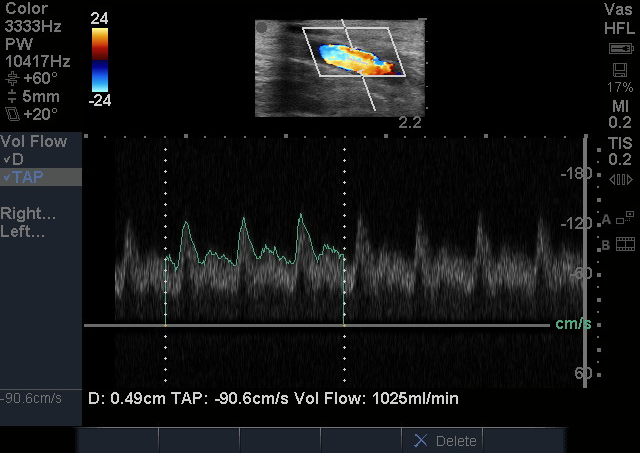
After expanding the stenotic occlusion segment of the left vein, a 4mm*40mm peripheral balloon dilation catheter was used to dilate the stenotic segment of the radial artery in the forearm, and the brachial artery flow was measured at 1025ml/min.
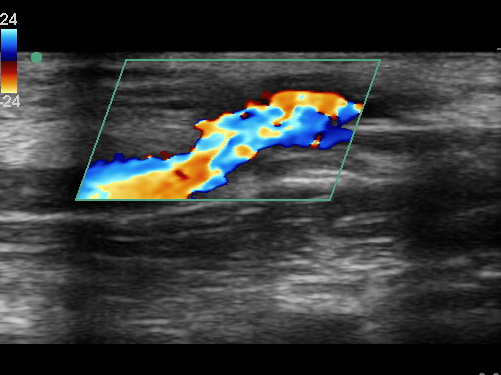
Significant Increase in Blood Flow at the Anastomosis of the Internal Fistula
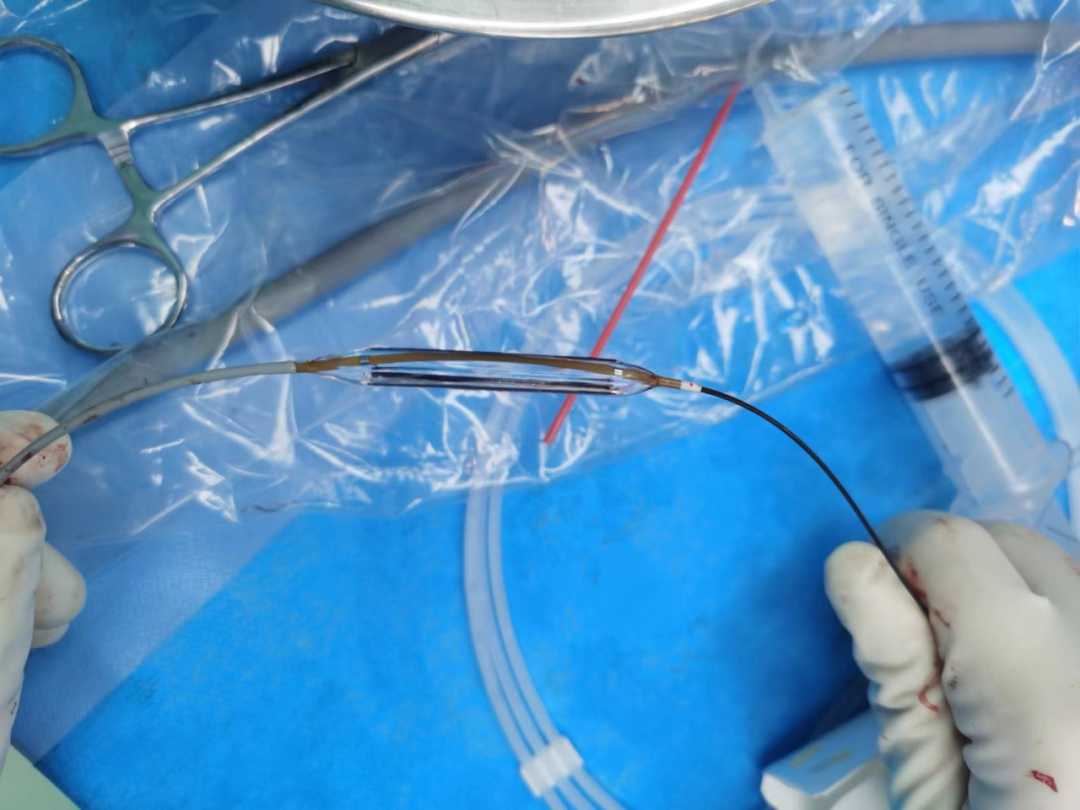
Withdrawal of peripheral balloon dilation catheter, balloon dilation procedure completed.
Follow-up
Discharge Status:The patient is an outpatient and did not report any special discomfort. The sutures were removed one day after the surgery. During the ward round on January 7th, a thrill was palpable in the patient’s autologous arteriovenous fistula, and a strong vascular murmur was audible. Hemodialysis treatment proceeded smoothly with a blood flow rate of approximately 250ml/min.
Case Summary
Case Characteristics:
AIDS patients with poor economic conditions;
Poor vascular conditions;
Multiple deep venous catheterization procedures in a short period;
Stenosis and thrombotic occlusion of autologous arteriovenous fistula occurred within six months after the formation procedure.
Preoperative Assessment Key Points:The patient's autologous arteriovenous fistula did not palpate a thrill, and was occluded by thrombosis. The diameters of the cephalic vein and radial artery in the forearm were small, but the radial artery was palpable and not completely occluded.
Surgical Strategy/Technical Key Points:
Under ultrasound guidance, perform percutaneous arteriovenous fistula formation at the radial artery puncture site of the left upper limb wrist.
Radial artery selects DK Medtech 4mm*40mm peripheral dilation balloon;
The anterior forearm cephalic vein was selected for the DK Medtech 6mm*40mm peripheral balloon dilation catheter.
Characteristics/Usage Tips of the Device:DK Medtech Scoring Balloon Dilation Catheter, with three nitinol scoring elements fixed on the balloon working segment. This creates focused pressure at the lesion site, providing excellent cutting performance. The balloon slowly rebounds during deflation and withdrawal, and after dilation, the catheter can be removed without damage, offering good malleability.

Expert Introduction


Yu Junchao, Associate Chief Physician
The Surgeon of This Case
With 17 years of experience in blood purification, skilled in vascular access establishment and maintenance, and rich experience in emergency and critical care blood purification as well as complex vascular access.
Academic Positions:Vice Chairman of the Kunming Blood Purification Branch of the Chinese Medical Association;Member of the Vascular Access Group, Yunnan Branch of the Chinese Society for Vascular Surgery;Standing Committee Member of Nephrology and Hemodialysis Specialty in Non-public Hospitals of Yunnan Province;Director and Lecturer of the Yunnan Hemodialysis Vascular Access Training Base, under the Vascular Surgery Expert Committee of the Cross-Straits Medical and Health Exchange Association.Lecturer at Kunming Medical University.

Dr. Wang Ye, Attending Physician
Surgeon of This Case
Attending Physician and Surgeon, Blood Purification Center, Kunming First People's Hospital.
From January 2012 to June 2013, engaged in interventional treatment of cardiovascular internal medicine.; From June 2013 to January 2014, advanced study on "Kidney Disease Treatment and Establishment and Maintenance of Vascular Access for Blood Purification" was conducted at the Kidney Disease Center of the First Affiliated Hospital of Zhejiang University. Since 2020, specialized in the establishment and maintenance of vascular access for blood purification treatment.
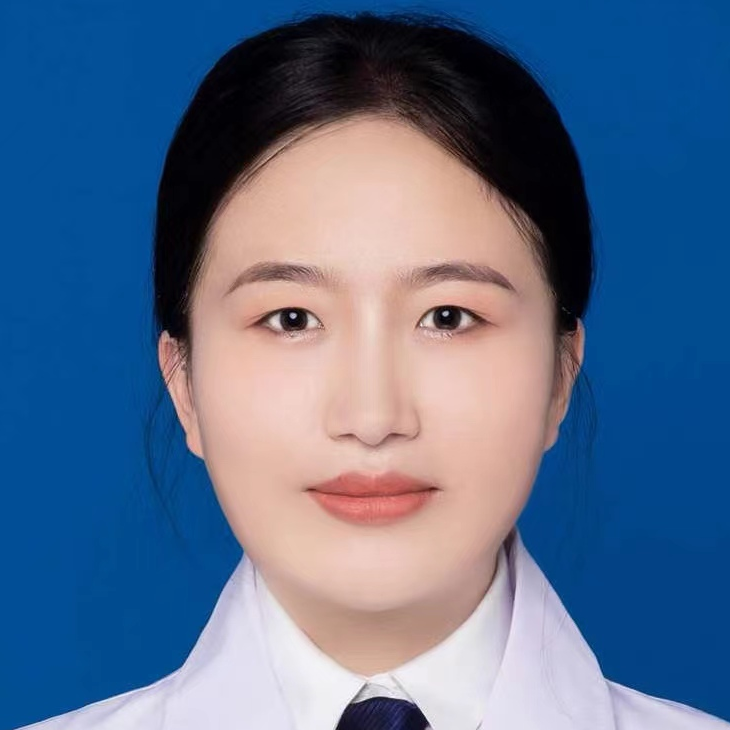
Dr. Weisha Zhou, Attending Physician
Surgeon of This Case
Attending Physician and Surgeon, Blood Purification Center, Kunming Third People's Hospital.
Engaged in blood purification and artificial liver-related technologies for infectious diseases since 2017, and studied vascular access-related technologies at the Blood Purification Center of Kunming First People's Hospital in November 2023.

Department Introduction

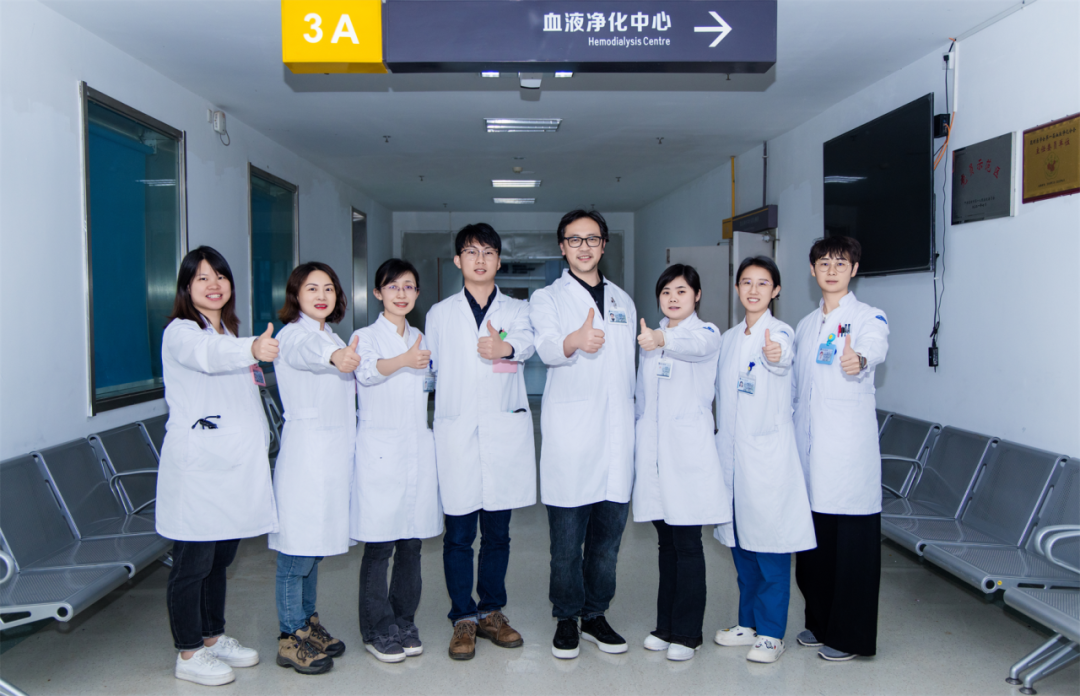
Introduction to the Blood Purification Center of the North Campus of the First People's Hospital of Kunming City
Department Overview:
In July 2015, the Blood Purification Center of the North Campus of Kunming First People's Hospital officially opened. After more than eight years of hard work and dedication, it has become a blood purification clinical research institution in our province that integrates medical treatment, scientific research, and teaching. It is the chairman unit of the Blood Purification Branch of the Kunming Medical Association, as well as the Yunnan Province Hemodialysis Vascular Access Training Base, the Nipro Dialysis Yunnan-Guizhou-Sichuan Training Base, the Bard Vascular Access Establishment and Maintenance Training Center, and the CRRT Yunnan Province Training Base. Equipment and personnel allocation of the department:
Currently, there are more than 80 blood purification devices of 15 different brands and models. There are 51 medical staff, including 2 deputy chief physicians, 5 attending physicians, and 43 specialized nurses, of which 4 are national specialized nurses.
Department Technology Development:
Our center currently offers the following treatment modalities: HD, HDF, HD+HP, HFR, CRRT, PE, bilirubin adsorption, DPMAS, CPFA, DFPP, and IA. We have over 400 outpatient regular dialysis patients, with an annual total of approximately 50,000 dialysis sessions and involvement in about 1,000 emergency critical care cases within the hospital each year.
Our department has formed a multidisciplinary team in collaboration with the Hepatobiliary Vascular Surgery, Thyroid and Breast Surgery, Interventional Suite, and Ultrasound Department. We have taken the lead in launching several new vascular access technologies within the province, such as arteriovenous grafts in the upper and lower limbs, PTA for peripheral vessels under ultrasound/DSA guidance, PTA/stent placement techniques for central venous lesions under DSA, secondary parathyroidectomy, radiofrequency ablation, etc., and we are at the leading level in the province. To date, we have provided hemodialysis access and parathyroid surgery treatment for thousands of renal failure patients from various cities, prefectures, counties, and medical units across the province.
Outpatient Address: 3rd Floor, Inpatient Department, North Campus of Kunming First People's Hospital
Department Contact Number: 0871-67390558
Copyright Statement: This platform aims to help healthcare professionals better understand the latest developments in relevant disease areas. The information published on this platform does not imply agreement with its descriptions or viewpoints, but is merely intended to provide more information. If there are any copyright issues, we kindly request the rights holders to contact us, and we will address them as soon as possible. The information is solely for healthcare professionals to stay informed, and such information cannot replace professional medical guidance in any way, nor should it be regarded as medical advice. If such information is used for purposes other than staying informed, this platform and the author shall not bear any related responsibilities.Contact email for cooperation:vascular@edoctor.work。