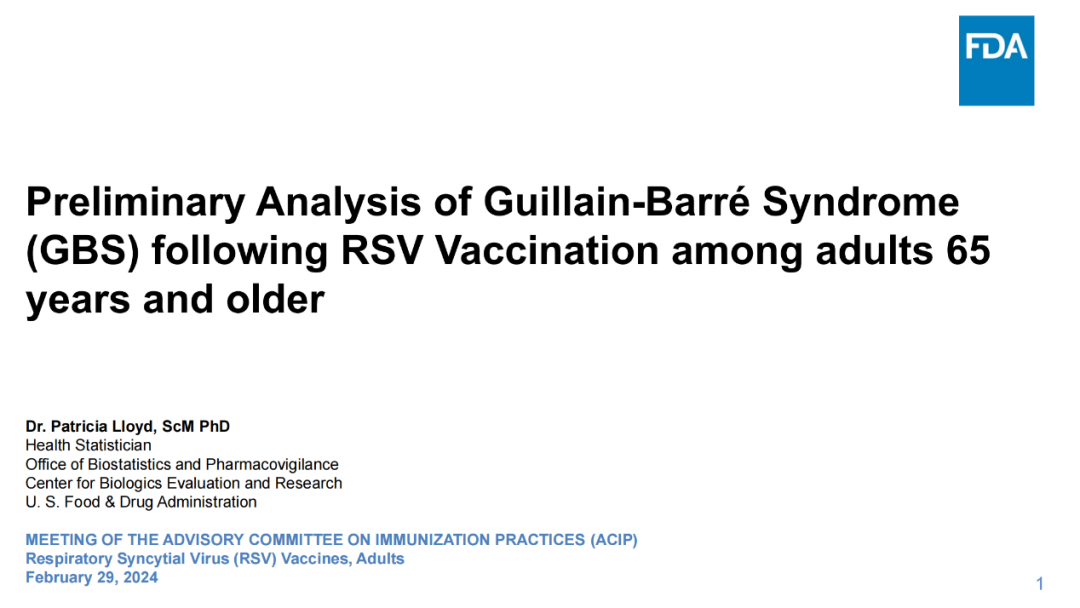
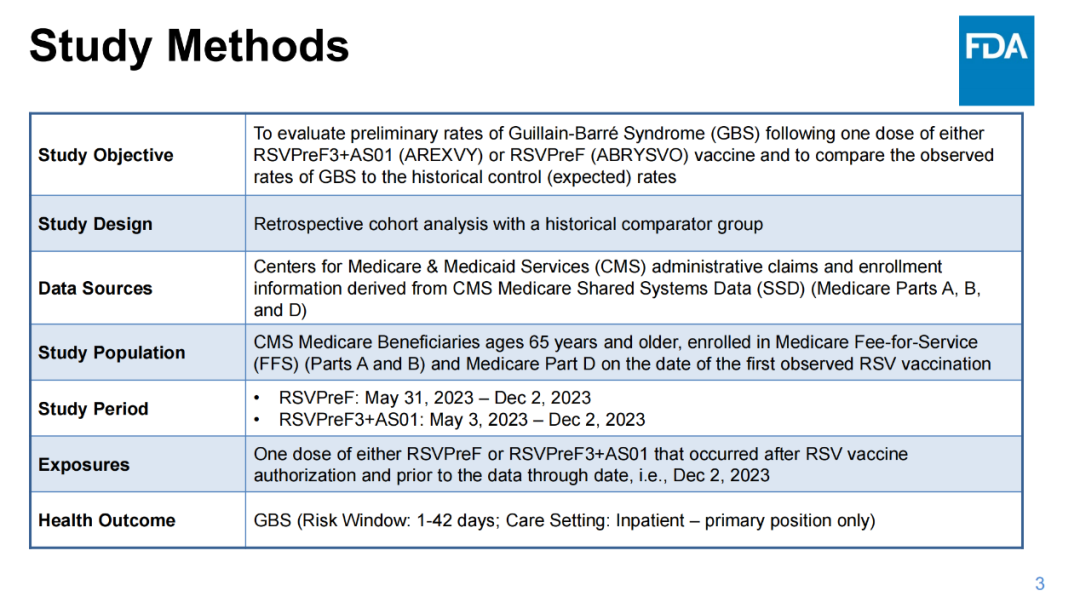
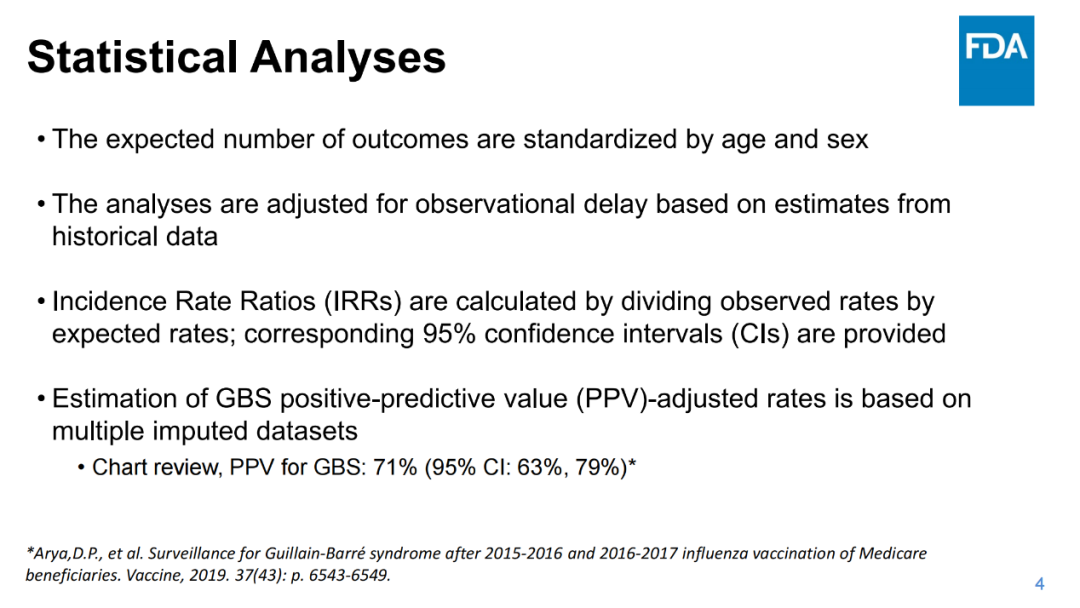
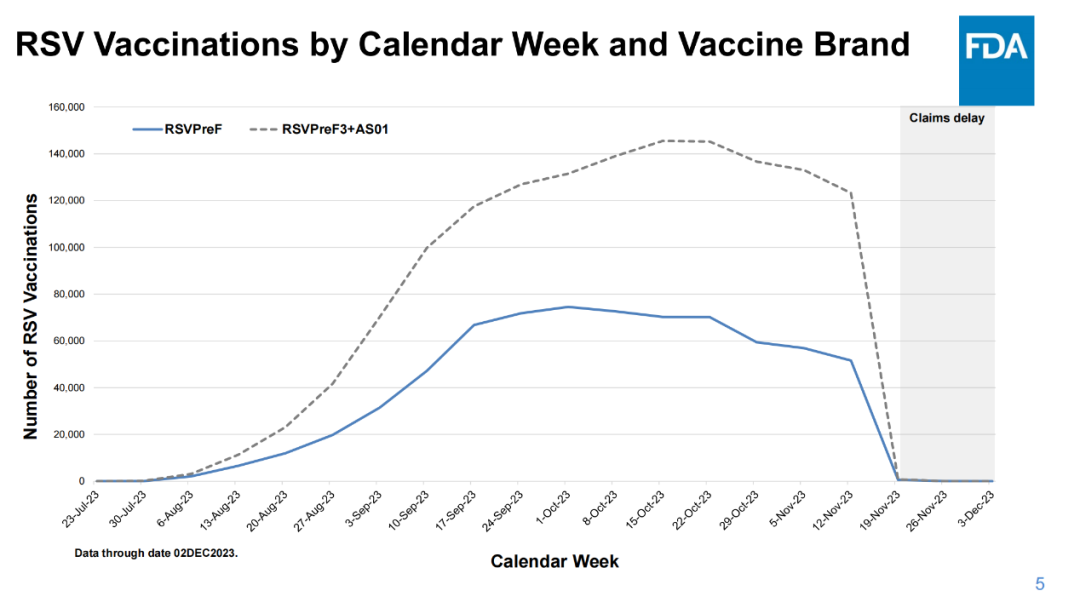
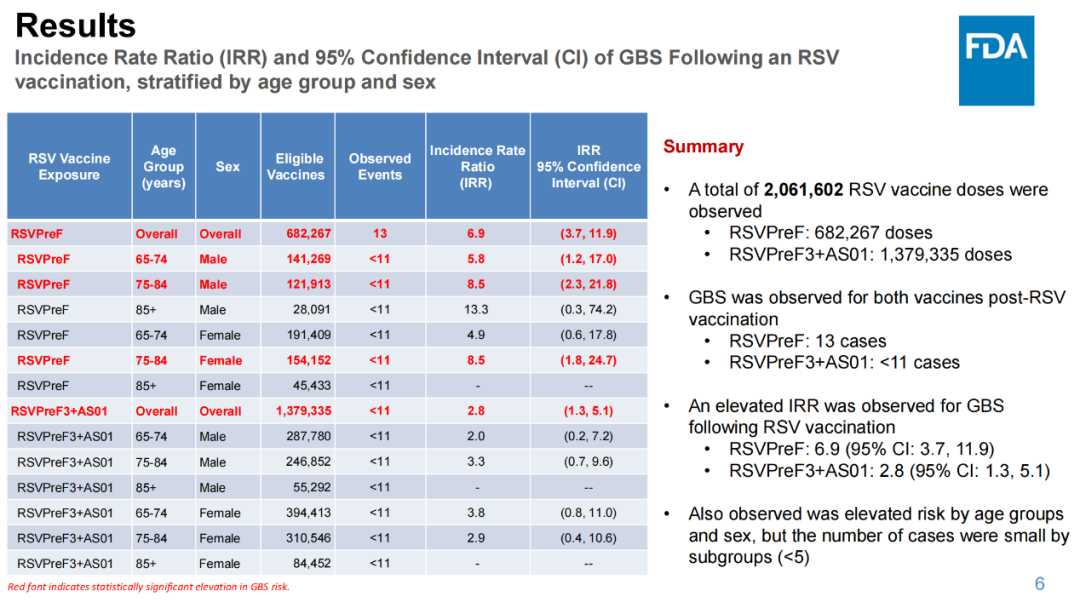
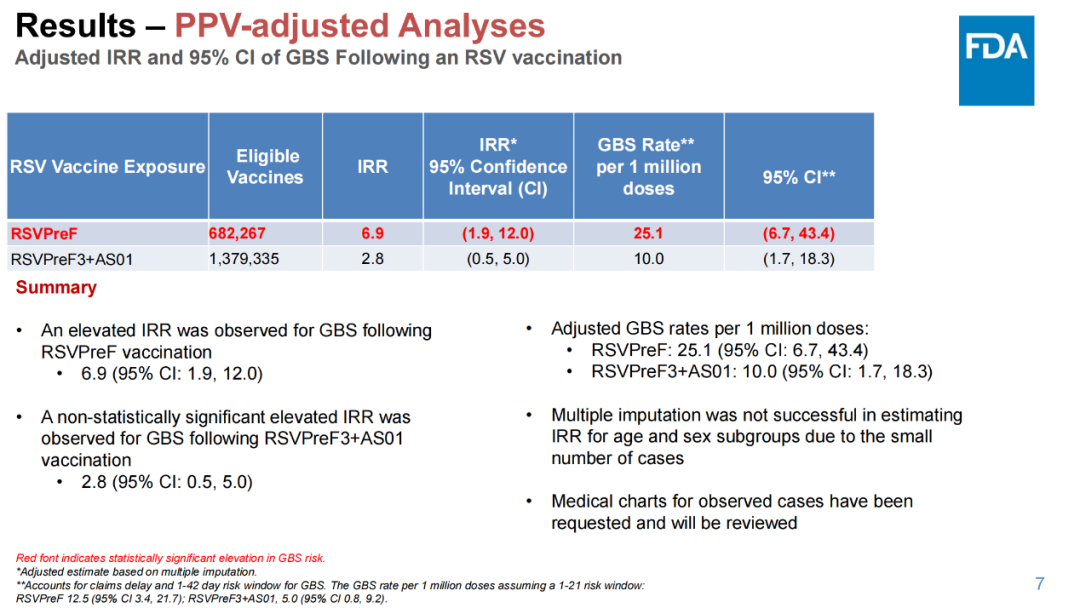
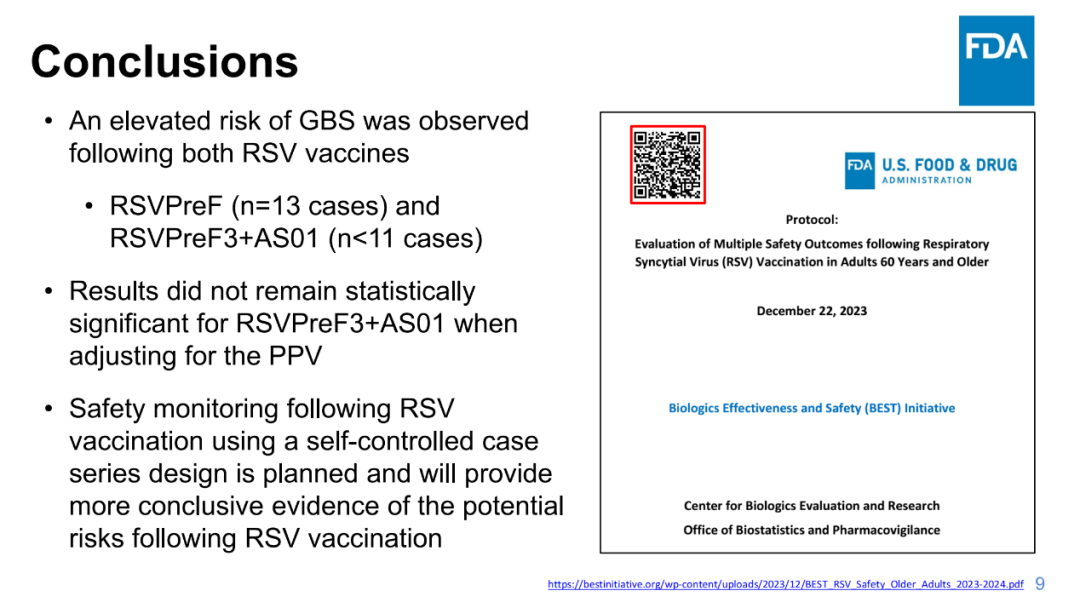
FDA's preliminary analysis results show that vaccination with the RSV vaccine may potentially increase the risk of developing severe autoimmune diseases.Recently, preliminary research data from the US Centers for Disease Control and Prevention (CDC) and the US Food and Drug Administration (FDA) indicated that newly developed Respiratory Syncytial Virus (RSV) vaccines may be associated with an increased risk of Guillain-Barré Syndrome (GBS). GBS is a condition that typically develops shortly after an infection, progresses rapidly, and is characterized by muscle weakness. Most patients do not experience recurrence during its course. Although the majority of patients eventually begin to recover, the recovery process can be lengthy and may lead to permanent disability.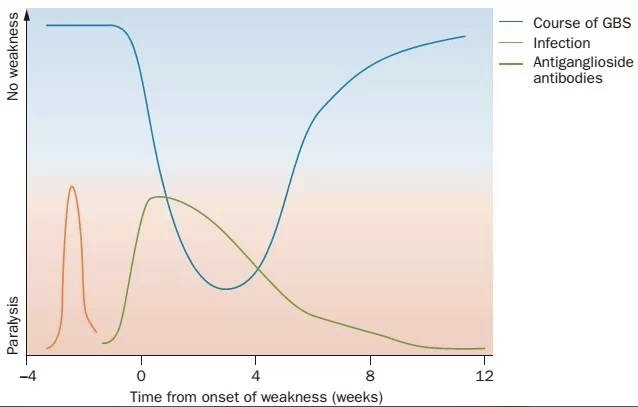 Figure 1: The curve chart of GBS progression. The blue curve represents the progression of GBS, with progressive limb weakness peaking within 4 weeks (often within 2 weeks). The recovery phase can last for weeks, months, or even years. The red curve indicates that most GBS patients commonly experience a preceding infection before the onset of limb weakness. The green curve shows that anti-ganglioside antibodies are often detectable, but their levels decrease over time.At the recent meeting of the US Advisory Committee on Immunization Practices (ACIP), vaccine safety experts from the CDC and FDA shared their preliminary findings. The data shows an increase in the incidence of GBS among individuals vaccinated with Pfizer's RSV vaccine, and GBS cases have also been reported among recipients of GSK's RSV vaccine. However, it is not yet sufficient to determine whether the risk of GBS truly increases after RSV vaccination or to quantify the magnitude of such a potential risk. Tom Shimabukuro, former director of the CDC's Office of Vaccine Safety, pointed out that these findings are based on a limited number of cases and vaccine doses, thus involving uncertainties.CDC Plans to Use Different Vaccine Safety Databases for In-Depth Analysis in the Coming Months to Provide More Accurate Risk Assessments. It is Currently Known that Some Vaccines May Increase the Risk of GBS, but Determining Whether a Direct Link Exists Between Vaccines and GBS Requires Evaluation in a Broader Context. For Example, Although the Risk of GBS Slightly Increases After Influenza Vaccination, Influenza Itself Also Raises the Risk of GBS.According to the CDC's analysis, as of mid-February, a total of 23 confirmed cases of GBS were identified among approximately 9.5 million recipients of Pfizer's RSV vaccine (Abrysvo) and GSK's RSV vaccine (Arexvy). Of these, 15 cases were associated with Pfizer's vaccine, and 8 cases were linked to GSK's vaccine. Notably, 14 cases involved co-administration with other vaccines, such as influenza and Covid-19 vaccines. Within 21 days post-vaccination, the GBS case rate was 4.6 per million doses for Pfizer’s vaccine and 1.1 per million doses for GSK’s vaccine, compared to an expected background rate of only 2.0 per million doses.Pfizer and GSK Responded Respectively. Pfizer stated that they believe the vaccine is safe and are conducting additional safety studies, while committing to share the results with regulatory authorities. GSK stated that the CDC’s analysis did not show an increased risk of GBS with their vaccine and plans to conduct epidemiological studies to further assess the GBS risk.CDC's Vaccine Experts: RSV Vaccine Still Supported for Use in Adults Aged 60 and Above Based on Risk-Benefit Analysis Due to Heavy RSV Disease Burden in This Age GroupThis discovery has raised concerns about vaccine safety, while also reminding us that the regulation and evaluation of vaccines is an ongoing process. If future studies confirm that RSV vaccines do increase the risk of GBS, and this risk outweighs the preventive benefits of the vaccines, regulators may reconsider their approval for market release. Historically, some vaccines have been withdrawn from the market due to rare disease associations, such as the first rotavirus vaccine in 1998. Therefore, continuous monitoring and assessment of vaccine safety are crucial for protecting public health.
References:
[1] RSV vaccines may be linked to small increased risk of developing Guillain-Barré syndrome, data suggest.STAT.By Helen Branswell. Feb. 29, 2024.
[2] RSV vaccines may raise risk of Guillain-Barré syndrome, FDA preliminary analysis finds.By Zoey Becker.Mar 4, 2024 11:46am.
[3] Detailed Explanation of Neurological Diseases: Guillain-Barré Syndrome. iNeurology Navigation. 2022-12-19.
[4] Types, Manifestations, and Treatment of Guillain-Barré Syndrome... This Article Explains It All! DXY Neurology. 2024-01-19.
[5] RSV Vaccine May Increase Risk of Rare Neurological Disorder!. Big Pharma Chronicle. 2024-03-01.
[6] 《Preliminary Analysis of Guillain-Barré Syndrome (GBS) following RSV Vaccination among adults 65 years and older》.
ComeSource:Virology Community
Editor's WeChat
(Business Cooperation, Important Matters)


Editor Zhao's WeChat (Group Assistant)
Note: When adding WeChat, please indicate your nickname + organization + research.
Comprehensive Life Science Communication QQ Group: 681341860
WeChat Academic Groups: Virology Group, Neuroscience Group, Clinical Medicine, Oncology Group, Master & Doctoral Exchange Group, and Pharmaceutical Investment Exchange Group (The WeChat group review requirements are relatively high. After adding Editor Zhao, please actively indicate your organization and research direction in the remarks.)