Medtronic Showcases TurboHawk™ Plus at the 9th Vascular Innovation Forum: Advancing Directional Atherectomy for Peripheral Artery Disease

Medtronic
Medical Device Manufacturer


April 19-21, 2024, dedicated to building a communication platform for innovators and conveying the cutting-edge technology of the industry ——The 9th Vascular Innovation Forum (VINNOVA 2024)Successfully held in Beijing. During the conference, Medtronic invited leading innovators in China to present."Creative Change, New Life" Directional Plaque Rotational Cutting and Volume Reduction Seminar。
The meeting specially invited Capital Medical University Affiliated Beijing Anzhen HospitalProfessor Chen Zhong, First Medical Center of Chinese PLA General HospitalProfessor Guo WeiServe asChairman of the Conference, The First Medical Center of Chinese PLA General HospitalProfessor Jia XinShanghai Jiao Tong University School of Medicine Affiliated Ninth People's HospitalProfessor Yin Minyi, the First Affiliated Hospital of Xi'an Jiaotong UniversityProfessor Shaoying LuServe asSpeaker; Tianjin Medical University General HospitalProfessor Hailun Fan, People's Hospital of Xinjiang Uygur Autonomous RegionProfessor Guan Sheng, The First Affiliated Hospital of Wenzhou Medical UniversityProfessor Huang Jingyong, The First Affiliated Hospital of Zhejiang University School of MedicineProfessor Donglin LiServe asDiscussion Guests, collaborating with experts and scholars in the field to focus on directional atherectomy technology. This technology has undergone a series of transformations, from innovative iterations to the accumulation and development of evidence-based data, and now the clinical application of the TurboHawk™ Plus Peripheral Directional Atherectomy System has arrived. Together, we explore how it drives the upgrade of diagnosis and treatment models, improves patient outcomes, and witness the innovation, journey, and rebirth of atherectomy technology, enjoying its extraordinary beauty and strength.
Grand Opening


At the beginning of the meeting,Beijing Anzhen Hospital, Capital Medical UniversityProfessor Chen Zhong、The First Medical Center of Chinese PLA General HospitalProfessor Guo WeiOpening Remarks for This Symposium: Atherosclerotic Plaque Reduction is a Very Important Area in the Innovation of Endovascular Treatments and Has Become a Mainstream Technology. The Formal Approval in China (Registration No.: 20233010606) of the Third-Generation Global Latest Product, TurboHawk™ Plus Peripheral Directional Atherectomy System, Also Marks the Emergence of New Treatment Options in Peripheral Vascular Interventions. This symposium has specially invited renowned experts in China to introduce the clinical application progress of the TurboHawk™ Plus Peripheral Directional Atherectomy System, hoping to answer questions and resolve doubts for all participants.
Wonderful Speech
"Creation and Change: The Iteration and Innovation of Directional Atherectomy Technology"
Speaker: Professor Jia Xin
Unit: First Medical Center of Chinese PLA General Hospital
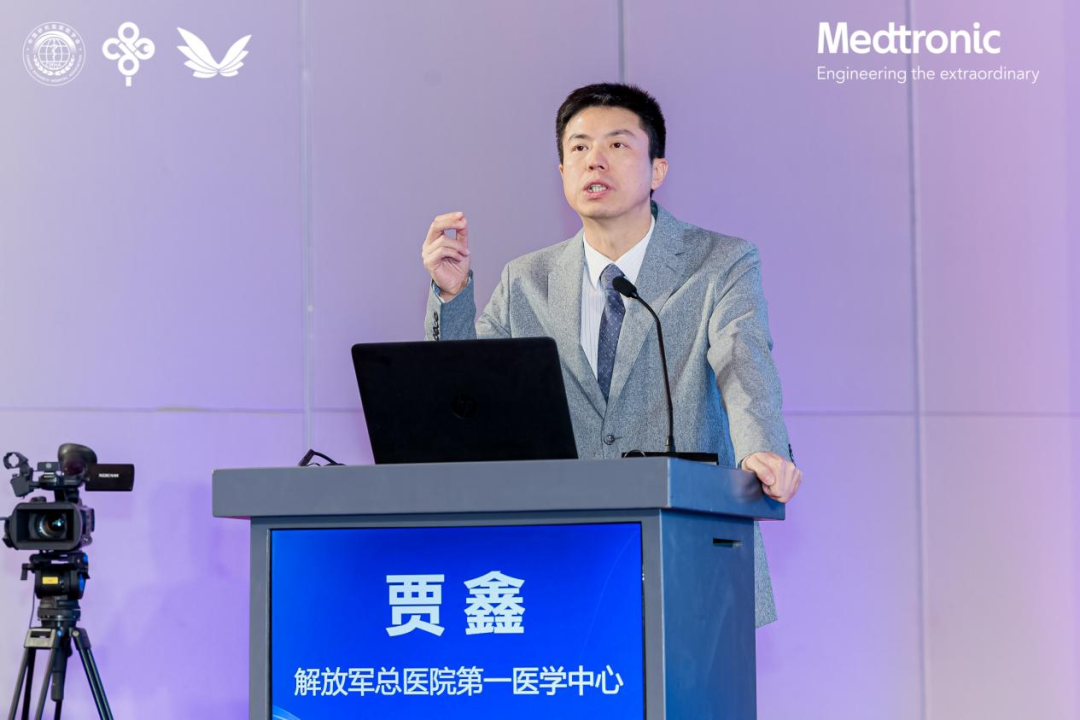
Professor Jia Xin shared insights on debulking devices from a technical perspective. Debunking can be divided into peripheral debulking and directional debulking. As clinicians apply debulking, they hope to achieve an efficient experience. The Hawk series products have been equipped with high-efficiency cutting heads since their inception, capable of effectively excising calcified plaques, especially for old calcified lesions, efficiently obtaining the lumen. On the other hand, for special lesion locations, such as eccentric plaques often appearing at the common femoral artery and femoral artery bifurcation, using directional debulking allows for direction adjustment, providing a better operational feel. The principle of peripheral directional atherectomy is to reduce plaque burden to restore blood flow while increasing lumen gain to improve drug-coated balloon absorption efficiency, addressing challenges faced in lower extremity artery treatment, such as highly compressed or bent areas unsuitable for stent implantation like the common femoral artery and popliteal artery.
The development history of peripheral directional atherectomy products has been continuously improved in design to enhance the efficiency of plaque removal and achieve less invasive treatments. Since Dr. John Simpson invented the first directional atherectomy device — the coronary directional atherectomy catheter — in 1996, nearly three decades have passed. From...In 2008, SilverHawk was launched in China.Brings a breakthrough design for intraluminal plaque management.The Second Generation of Peripheral Directional Atherectomy – TurboHawk™ with Four Major Design Improvements,Comprehensively improve the cutting efficiency of calcified lesions untilTurboHawk™ Plus Launches in China in 2023, bringing more surprises to clinical practice in China.
The third-generation peripheral directional atherectomy – TurboHawk™ Plus Peripheral Directional Atherectomy System features eight design characteristics, offering high efficiency, comprehensive performance, and rapid restoration of blood flow.Low Outer Diameter Visual TipEasier to navigate through tortuous anatomical structures and complex lesions; fully radiopaque for more convenient distal protection device positioning.Upgraded HE High-Efficiency Blade,More efficient cutting of calcified lesions;Optimized dual-bend design,It helps to enhance the contact between the cutting blade and the lesion, improve the efficiency of lumen opening and plaque cutting ability, strengthen the wall contact capability, reduce the outer diameter while expanding the range of treatable vessel diameters for a single model.Reverse Spiral Drive ShaftEffectively transmits power; improved materials at the distal and proximal ends of the catheter enhance torque control and operational precision.Smaller outer diameter,Large size above the knee reduced to 7F; new 6F size across the knee added, more suitable for Chinese anatomical structure, with four sizes comprehensively covering both above-knee and below-knee vessels;Catheter Alignment MarkHelps the tapered collection chamber align easily with the distal flushing tool for quick cleaning; pre-loaded on the proximal end of the catheter.Distal Flush ToolCan be moved distally during flushing without removal, reducing flushing time by 55%;Precise Positioning of the Twist Control KnobEnables more precise and controllable positioning of the blade in concentric or eccentric lesions.
In summary,TurboHawk™ Plus Peripheral Directional Atherectomy System: Precise directional plaque removal, effectively treats special anatomical lesions, reduces stent implantation. As a treatment method without foreign body implantation, it preserves more treatment options for patients with lower extremity arterial disease.
"Journey: The Development of Evidence for Directional Plaque Reduction Technology"
Speaker: Professor Minyi Yin
Unit: Ninth People's Hospital Affiliated to Shanghai Jiao Tong University School of Medicine
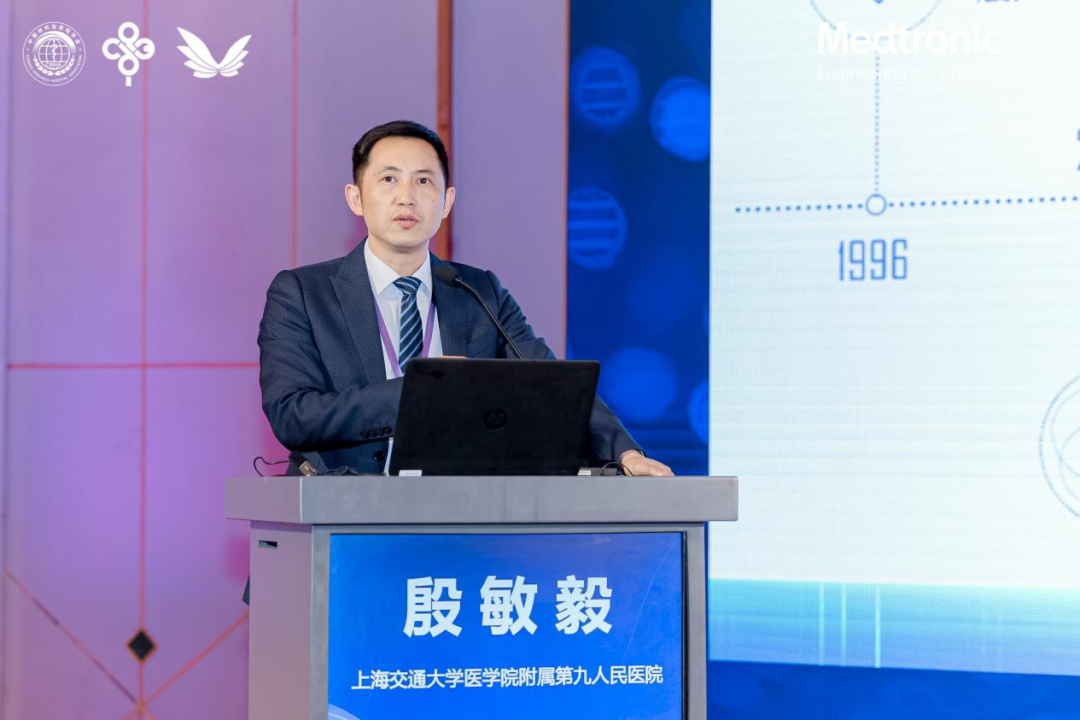
For lower limb arterial disease, there are unmet clinical needs with existing endovascular treatments, especially for reducing stent implantation in complex lesions. Plaque excision combined with drug-coated balloons (DCB) can achieve better clinical outcomes. The development of peripheral directional atherectomy products has three important milestones: the launch of SilverHawk in China in 2008, the launch of TurboHawk™ high-efficiency cutter in China in 2015, and the launch of TurboHawk™ Plus in China in 2023. The evidence-based development of peripheral directional atherectomy continues to explore the clinical benefits brought by different lesion types and combinations of therapies. Four large-scale clinical trials of TurboHawk™ strongly demonstrate its effectiveness and safety, evolving from early materials to the current advanced replacement materials.
DEFINITIVE LE StudyIs currently the clinical study with the largest number of follow-up cases for peripheral plaque excision. The 12-month follow-up results show that the stent rescue rate after the application of DA was 3.2%, the primary patency rate at 12 months for patients with claudication was 78%, and the freedom from unplanned major amputation rate of the target limb at 12 months for CLI patients was 95%. This indicates that, whether for claudication or CLI patients, DA is a safe and effective treatment method. Subgroup analysis showsPlaque旋切术 can effectively improvePrimary Patency Rate in the Diabetes Group.
DEFINITIVE CA++ TESTThe incidence of limited blood flow dissection in China is 0.8%, the perforation rate is 2.3%, and the distal embolization rate is 2.3%, indicating that DA and embolic protection devices can treat calcified lesions.
DEFINITIVE AR StudyTo evaluate and predict the efficacy of treating vascular lesions with plaque excision + DCB (DAART) compared to using DCB alone, 102 patients with claudication or rest pain were enrolled and randomly divided into a DA+DCB group (n=48) and a DCB-only group (n=54). Additionally, 19 patients with severe calcified lesions were treated with DA+DCB. The study results showed a higher technical success rate for DA+DCB (89.6% vs. 64.2%), a lower dissection rate in the DA+DCB group, and an overall stent implantation rate of 3.7%. At the 12-month follow-up, the DA+DCB group demonstrated better patency and lumen gain compared to the DCB-only group. The patency rate of DAART in treating severe calcification was higher than that of DCB, with a high post-DAART lumen gain rate. Turbohawk™+DCB combination therapy had a high success rate and significantly reduced the occurrence of flow-limiting dissections. Furthermore, the study suggests that DA+DCB is suitable for treating severe calcified lesions.
VIVA REALITY StudyTo evaluate the efficacy and safety of DA in combination with DCB for patients with symptomatic severe calcification in the femoropopliteal arteries, characterized by a high proportion of long segment lesions and complex lesions. Follow-up data over 12 months (400 days) showed that the proportion of patients free from clinically-driven target lesion revascularization (CD-TLR) was 92.6%, and the primary patency rate was 76.7%. The procedural success rate (postoperative stenosis ≤30%) was 57.6%. A distal embolic protection device was used in 97.1% of subjects, and no embolic events occurred in patients without implanted protection devices. Postoperative Rutherford classification and ABI/TBI scores significantly improved. This study provides clinical evidence for the use of DA as vessel preparation before DCB angioplasty in complex femoropopliteal artery lesions.
We look forward to more Chinese patients with long-segment severe calcification using the TurboHawk™ Plus Peripheral Directional Atherectomy System to achieve better mid- and long-term patency outcomes, while also providing more clinical evidence.
"New Life: The Application of TurboHawk™ Plus Peripheral Directional Atherectomy Device"
Speaker: Professor Shaoying Lu
Unit: The First Affiliated Hospital of Xi'an Jiaotong University
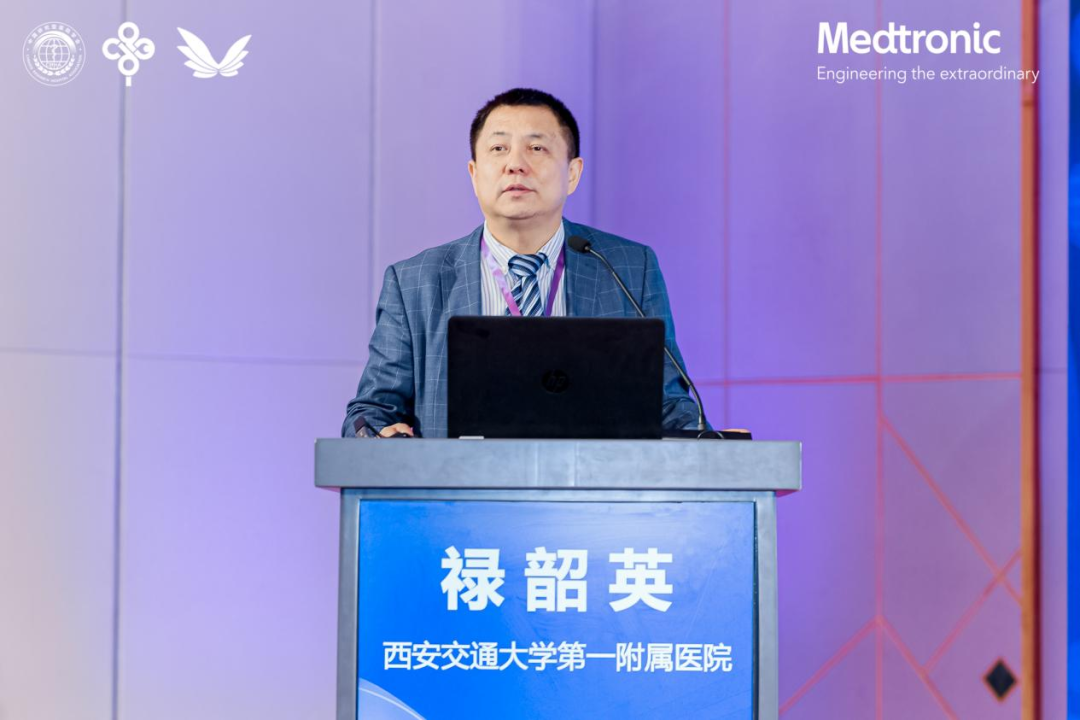
Professor Luo Shaoying shared a clinical case utilizing the TurboHawk™ Plus Peripheral Directional Atherectomy System. The patient was a 73-year-old male with a one-year history of resting pain in the left lower limb accompanied by ulcers, suffering from peripheral artery disease (Rutherford Grade 5) complicated by diabetic foot, hypertension, and a 20-year history of diabetes. Preoperative CTA indicated occlusion of bilateral internal iliac arteries, occlusion of bilateral anterior tibial arteries, and multiple stenoses of varying severity in the bilateral femoral arteries. Angiography revealed severe stenosis of the right iliac artery, which was improved using a 5-150mm balloon for dilation to facilitate cross-over access. Post cross-over angiography showed mild stenosis in the middle segment of the superficial femoral artery, severe stenosis in the distal superficial femoral artery, occlusion of the anterior tibial artery, and poor perfusion in the anterior tibial supply area. Plaque at the site of superficial femoral artery stenosis was excised using the TurboHawk™ Plus Peripheral Directional Atherectomy System, followed by post-excision dilation with a 5-150mm drug-coated balloon, achieving excellent luminal gain. Through clinical application experience, the TurboHawk™ Plus Peripheral Directional Atherectomy System was compared with its predecessor.More convenient preparation and operation of instruments; more efficient cuttingAll calcified plaques; MorePrecision Targeting, with high cutting efficiency and good wall apposition; the 7F long sheath can pass through, with a small wound. Professor Lu Shaoying demonstrated the operation details and specifications of the TurboHawk™ Plus Peripheral Directional Atherectomy System via video, including checking whether the device is functioning properly, conveying the atherectomy device, precautions for directional atherectomy, angiographic evaluation of the degree of plaque removal, flushing and observing the excised tissue, and assessing the degree of luminal gain.
Meeting Summary
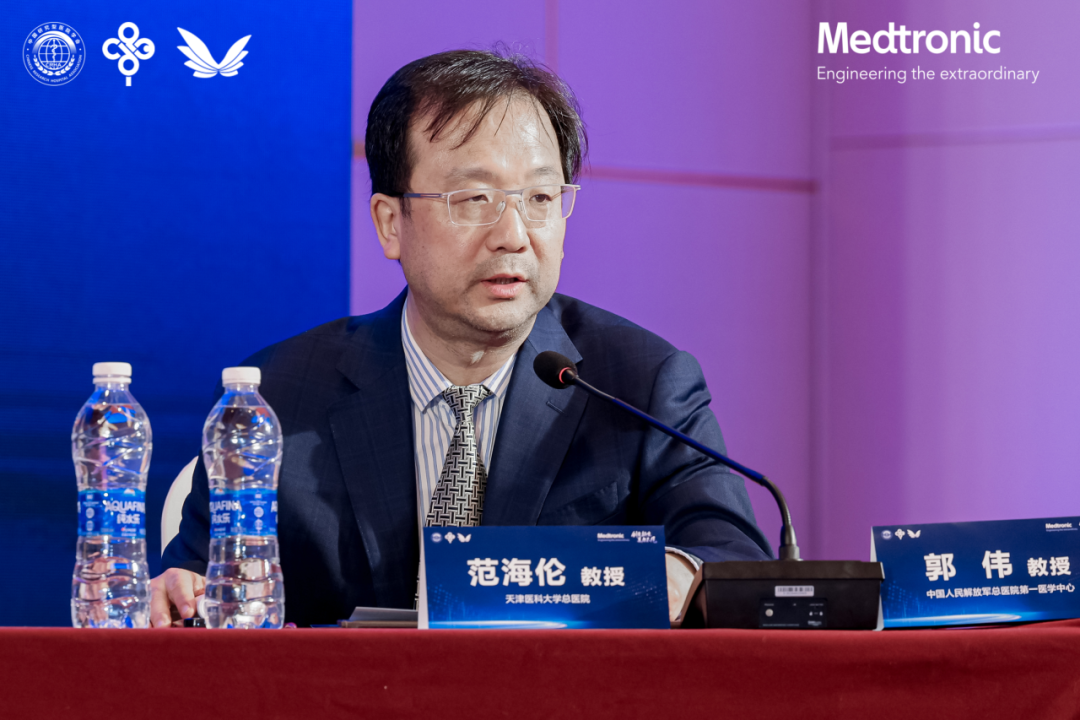


Tianjin Medical University General HospitalProfessor Hailun Fan, People's Hospital of Xinjiang Uygur Autonomous RegionProfessor Guan Sheng, The First Affiliated Hospital of Wenzhou Medical UniversityProfessor Huang Jingyong, The First Affiliated Hospital of Zhejiang University School of MedicineProfessor Donglin LiExpressed views on the market launch and application of the TurboHawk™ Plus Peripheral Directional Atherectomy System, mentioning that suitable cases should be selected for its use. With the deepening understanding of debulking concepts and increased familiarity with new devices and technologies, there is confidence in significantly improving the treatment level for lower limb arterial disease. As debulking devices and clinical evidence continue to evolve, TurboHawk™ Plus can be considered a preferred option in appropriate debulking cases. There is also anticipation for more evidence-based medical proof of the value of debulking treatments. It is believed that after using the TurboHawk™ Plus Peripheral Directional Atherectomy System for vascular preparation, combining it with drug-coated balloons (DCB) can better maintain long-term vascular patency.
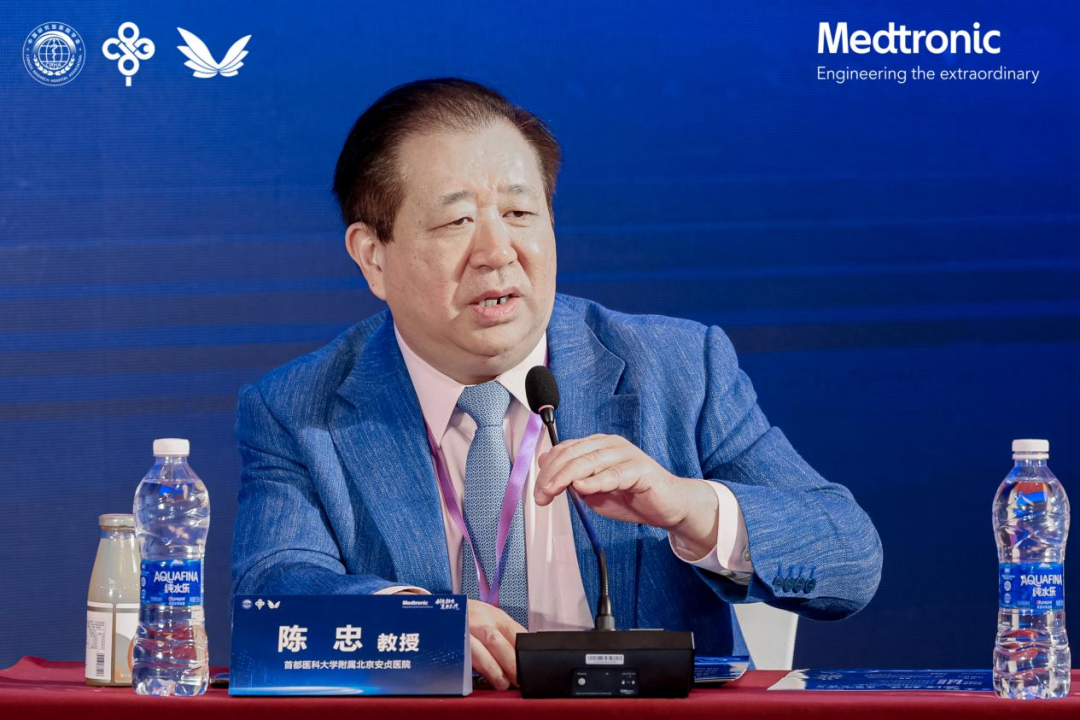
At the end of the conference, Beijing Anzhen Hospital, Capital Medical UniversityProfessor Chen ZhongThis symposium concluded successfully. Medtronic's full range of products were highlighted, which have facilitated endovascular treatment for peripheral vascular disease. The TurboHawk™ Plus Peripheral Directional Atherectomy System has a wide range of applications, providing ample options for clinical debulking, especially when used in conjunction with DCB, demonstrating significant clinical value. Its practicality and advanced technology are believed to benefit clinical practice. A new chapter has begun, and we look forward to more clinical feedback and research data to witness the continuous advancement in the diagnosis and treatment of lower extremity arterial diseases.
Copyright Statement: This platform aims to help healthcare professionals better understand the latest developments in relevant disease areas. The information published on this platform does not imply agreement with its descriptions or viewpoints, but is solely for providing more information. If there are any copyright issues, we kindly request the rights holders to contact us, and we will address them as soon as possible. This information is intended for healthcare professionals to stay informed and should not replace professional medical guidance in any way, nor should it be considered as medical advice. If such information is used for purposes other than staying informed, this platform and the author shall not bear any related responsibility.Contact Email for Cooperation:vascular@edoctor.work。