CMC Strategies and Advanced Technologies for mRNA Vaccine Development to Enhance Pandemic Preparedness

GSK
Pharmaceutical R&D Manufacturer

Note: This article does not constitute any investment opinions or recommendations; please refer to official/company announcements for accuracy. This article only provides an introduction to medical and health-related drugs, not a recommendation of treatment plans (if involved), and does not represent the position of YaoHai Bio. Authorization is required for the reprint of any article.
Introduction:Chemistry, Manufacturing and Controls (CMC) related to drugs are an important part of drug development, including research on drug production processes, impurity studies, quality studies, stability studies, process validation, and other aspects. CMC research provides technical and material support for non-clinical and clinical trials, throughout the entire lifecycle of drug development and production.
Drawing on experience from infectious diseases such as COVID-19, Ebola, and MERS, the GSK vaccine technology research and development team published an article titled "State-of-the-Art Vaccine Researches" in the Vaccines special issue.《CMC Strategies and Advanced Technologies for Vaccine Development to Boost Acceleration and Pandemic Preparedness》The review article provides a detailed overview and discussion of the key drivers for acceleration/pandemic preparedness, including CMC strategies and technological innovations in vaccine development. Today, Junjun will help us extract and learn the parts related to mRNA.
1. Vaccine Platform and ExperienceReserve
Experience reserve is the key to accelerating vaccine development, which is intrinsically linked to platform building and serves as an established tool to inform decision-making during drug development and lifecycle management. mRNA can quickly respond to public health emergencies thanks to its relatively simple, platform-based production process, and knowledge regarding production processes and analytical methods for different varieties of mRNA vaccines can be mutually referenced.
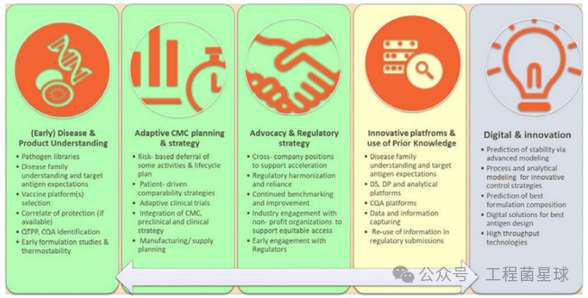
Figure1 AccelerateCMCDriving Factors for Development
1.1 mRNA Drug Substance (DS)
The advantages of the mRNA platform are attributed to its fully platform-based drug substance (DS) production process and analytical methods. In short, the mRNA drug substance uses plasmid DNA (pDNA) as the starting material for production, and its production process is a cell-free process. The pDNA encodes pathogen (virus or bacteria) antigens, which are linearized and then mixed with enzymes and nucleotides. The mRNA is capped co-transcriptionally or enzymatically to add the cap structure. Subsequently, the mRNA is purified using various chromatographic techniques, such as affinity chromatography (AC), size-exclusion chromatography (SEC), or HPLC-based methods, to remove process-related impurities (e.g., T7 RNA polymerase, capping enzyme, DNase I) and product-related impurities (e.g., dsRNA, RNA fragments).
Key factors related to further shortening development time and improving safety in mRNA drug production can be summarized as follows: (1) Shortening the production cycle of raw material pDNA: Replacing the traditional process based on cell fermentation and purification with a cell-free plasmid synthesis method to reduce the delivery time of pDNA; (2) Optimizing mRNA synthesis and purification processes to reduce by-products: By optimizing upstream in vitro transcription, such as in vitro enzyme evolution of T7 polymerase or altering the ratio of nucleoside triphosphates (NTPs) during transcription, while adding extra downstream chromatography steps, such as reverse-phase HPLC and cellulose, to minimize or eliminate the presence of reactive by-products.
1.2 mRNA Drug Product (DP)
Drug Product (DP) plays a critical role throughout the development, manufacturing, distribution, and vaccination stages. In the development of mRNA drug products, formulation and process development are required to provide a stable and robust drug that meets quality and production requirements, ensuring the safety and efficacy of the product. The formulation of mRNA-based vaccines involves combining acidic (low pH) RNA with a lipid mixture in a microfluidic device to prepare lipid nanoparticles (LNPs). The formation of LNPs occurs through the complexation of negatively charged mRNA with positively charged ionizable lipids, stabilized by helper lipids (cholesterol, phospholipids, and pegylated lipids). The LNPs then undergo buffer exchange and filtration, with cryoprotectants added for lyophilized formulations. The product is diluted to the target concentration and filled prior to freezing, typically at temperatures below -60°C.
LNP technology can easily adapt to a platform approach, with the same drug-product process and formulation applicable to most mRNA constructs or target indications, especially when many elements of the mRNA sequence and size are conserved. In the context of the COVID-19 pandemic, leveraging prior data and technology enabled the rapid development of vaccines, such as work on influenza mRNA vaccines and LNP development. Today, many newly developed vaccines have even shorter timelines than the COVID-19 vaccine. However, challenges remain in developing mRNA-LNP vaccines that can effectively address pandemics: such as creating mRNA LNP vaccines that do not require ultra-low temperature or frozen storage; how to scale up production capacity; and how to establish platform data that is widely accepted by regulatory authorities or can be quickly validated.
1.3 mRNA Analysis Methods
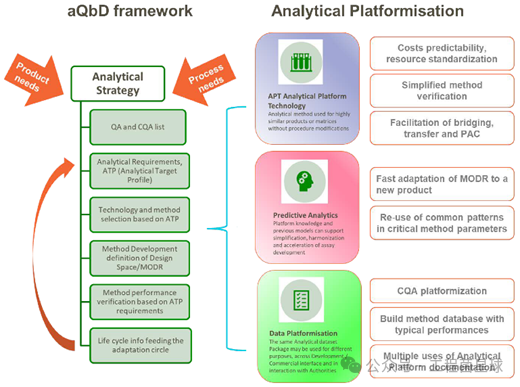
The most obvious advantage of platformization in mRNA analysis is the use of platform procedures, which can be applied to test the quality attributes of different products without significant changes to operating conditions, system suitability, and reporting structure. The hardware, consumables/reagents, software, and basic methods are all standardized, bringing many benefits to pharmaceutical manufacturing. For example, for the mRNA platform, chromatography or electrophoresis separation procedures used for purity assessment may have the same critical method parameters but can also be customized with specific operating conditions as needed for product development.
2. Utilization of Innovation and Digital Solutions
2.1 Use of Digital Platforms
Increasing evidence suggests that some key challenges of mRNA technology, such as poor thermal stability, immunogenicity, and limited protein production, are intrinsically linked to the inherent properties of the mRNA molecules themselves, particularly their sequences and structures. Given the vast parameter space for optimization, there are numerous combinations of mRNA sequences for vaccine design. Traditional experimental methods are costly and inefficient, but computational models can efficiently sample this space to identify optimal vaccine candidates. Therefore, machine learning and other computational approaches can be developed to recognize sequence and structural patterns associated with important mRNA characteristics based on experimental data from various mRNA molecules, including candidate vaccines, mRNAs encoding model proteins, and even natural human transcriptomes. In addition to providing new insights into RNA biochemistry and molecular biology, these computational methods can optimize mRNA molecules to improve relevant properties. The mRNA vaccine sequences optimized using this approach differ significantly from the original sequences derived from pathogen genomes but still encode the same pathogen proteins and provide robust immune protection.
Compared with the wild-type sequence, the optimized mRNA may exhibit, for example, increased codon optimization, leading to enhanced protein expression in human cells, or higher levels of secondary structure, associated with improved solution stability. Both mRNA vaccines approved in the early stages of the COVID-19 pandemic underwent computational optimization, which not only improved product characteristics but also shortened development time. For instance, Moderna’s previously developed sequence optimization platform technology enabled the mRNA sequence of the Spikevax vaccine to be designed in as little as one hour.
2.2 Continuous Manufacturing (CM)
Continuous Manufacturing (CM) is gaining increasing attention at both the bulk drug substance and drug product levels, while also receiving support from regulatory agencies. CM offers multiple advantages, such as a smaller footprint, greater sustainability due to lower water and energy consumption, as well as reduced global warming potential. Additionally, CM brings more opportunities for digitalization through the introduction of modeling and process analytical technologies, significantly shortening R&D cycles.
Currently, the concept of continuous production can be extended to the mRNA platform. First, the continuous production of mRNA bulk solution: using linearized DNA as the starting material, the in vitro transcription and capping reactions of mRNA are enzyme-mediated cell-free systems, which are more likely to achieve continuous production. Second, the continuous production of RNA-LNP formulations: further integrating the LNP encapsulation process into continuous formulation and filling processes. Utilizing the inherently continuous nature of the LNP formation process, lipids dissolved in ethanol are continuously mixed with an aqueous buffer containing mRNA to encapsulate within microfluidic devices or other mixing apparatuses. Lipids precipitate and capture mRNA through the presence of ionizable lipids. Mixing quality directly modulates particle size distribution and encapsulation efficiency, impacting vaccine stability and potency. The continuous automated mRNA LNP production process can control costs by reducing personnel and consumables while also decreasing the required scale of manufacturing facilities, facilitating rapid deployment worldwide.
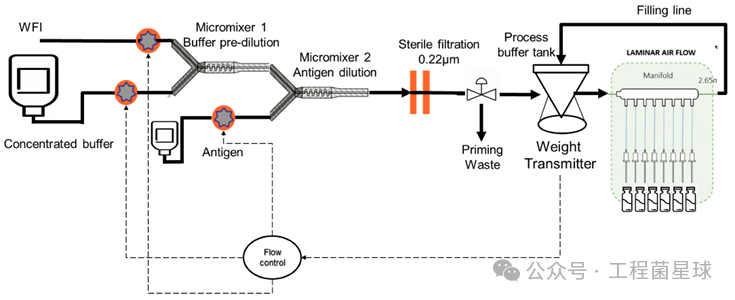 Figure 3 Schematic diagram of continuous production process
3. Conclusion
This review provides a comprehensive overview of the CMC development strategies and technological drivers for various vaccines, including mRNA vaccines, to support accelerated vaccine access. The successful implementation of these approaches relies on the reserve of vaccine-related experience in drug substance (DS), drug product (DP), and analytical and testing platforms, with interdisciplinary collaboration being essential. Additionally, the introduction of data models and algorithms in mRNA sequence optimization and structural design can expedite the development of optimal sequences. Moreover, achieving continuous production of mRNA may represent a significant trend in future development.
As an emerging technology, the use of mRNA as a vaccine still faces many challenges, and the high barriers of core technologies need to be overcome. At the same time, for regulatory agencies, relevant regulations and technical guidelines that match the product characteristics still need to be improved. With the rapid development of biotechnology, it is believed that in the near future, products based on mRNA technology will occupy an important position in the field of biological products.
Based on inIVT RNAWith pioneering technology and extensive experience in preparation, YaoHai Bio can provide services to global clients.IVT RNA(mRNA, saRNA, circRNA) One-stop preparation service, coveringDNASequence Design,IVT RNAPreparation,RNACyclization,RNAPurification,RNAFreeze-dried,LNPEncapsulation,RNAQuality Inspection.
Yaohai Biotechnology also provides a variety of prefabricated plasmid templates (plasmids+Bacterial solution), andIVT RNAProduct (Bulk Solution)/Freeze-dried powder),LNPFinished products, encoding proteins cover reporter genes, target proteins, gene editing proteins, and antigen proteins, includingeGFP、mCHERRY、luciferase、IL-2、Cas9、OVA, COVID-19SProteins, etc., to meet the needs of different experiments or projects. For more details, please consult Junjun:13380332910(WeChat same number).
Yao HaiIVT RNABusiness Details:Yaohai Biotechnology Heavyweight LaunchmRNAOne-Stop Solution for Custom Synthesis of Research-Grade Samples
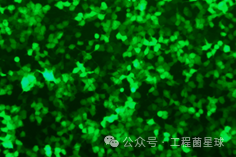

eGFP mRNA and mCherry mRNA Achieve High Expression in 293T Cells
References
[1] Castellanos MM, Gressard H, Li X, Magagnoli C, Moriconi A, Stranges D, Strodiot L, Tello Soto M, Zwierzyna M, Campa C. CMC Strategies and Advanced Technologies for Vaccine Development to Boost Acceleration and Pandemic Preparedness. Vaccines (Basel). 2023 Jun 26;11(7):1153. doi: 10.3390/vaccines11071153.