

Blockade of TGF-β and PD-L1 by Bintrafusp Alfa Promotes Survival in Preclinical Ovarian Cancer Models via Enhanced T Effector and NK Cell Responses

Merck Group
Pharmaceutical R&D Developer
Bintrafusp alfa(BA;M7824) is a class of bifunctional fusion proteins, consisting of humanTGF-β receptorIIThe extracellular domain (TGF-β "trap") is fused via a flexible linker toPD-L1TheIgG1Heavy Chain of AntibodyCTerminal composition. In preclinical breast cancer and colon cancer models,BATreatment significantly reduced tumor growth due toTAndNKThe activation of cells increases, leading to the development of immune memory. With5-Fluorouracil or radiation therapy combined,BAMore significantly reduce tumor burden than using any single approach alone. InNSCLCIn xenograft models,BAReduce mesenchymal characteristics and restrict tumor growth.
In a recentIIn the clinical trial period,BAThe treated patients experienced manageable adverse reactions. DespiteBASuccessful in several types of tumors, but not yet in high-grade serous carcinoma (HGSC) The impact ofHigh-grade serous carcinoma (HGSC) Immunotherapy failure may be due to ascites or the tumor immune microenvironment (TIME) Transforming Growth Factor-β(TGF-β) High level.
Recently, researchers from Merck KGaA in Germany and Queen's University in Canada published a research paper titled "Blockade of TGF-β and PD-L1 by bintrafusp alfa promotes survival in preclinical ovarian cancer models by promoting T effector and NK cell responses" in the Nature sub-journal British Journal of Cancer.The study was the first to test BA in a syngeneic mouse model of metastatic HGSC. In B cell-deficient mice implanted with this model, prolonged BA treatment demonstrated significant survival benefits, reducing tumor burden and ascites. Analysis showed that BA treatment drove the microenvironment toward a cytotoxic transformation. Additionally, in the BR5/FVB syngeneic HGSC model, BA treatment was found to be even more effective, with analysis indicating infiltration of cytotoxic T cells and NK cells, forming long-term memory immunity, suggesting a potential future therapeutic strategy for HGSC.
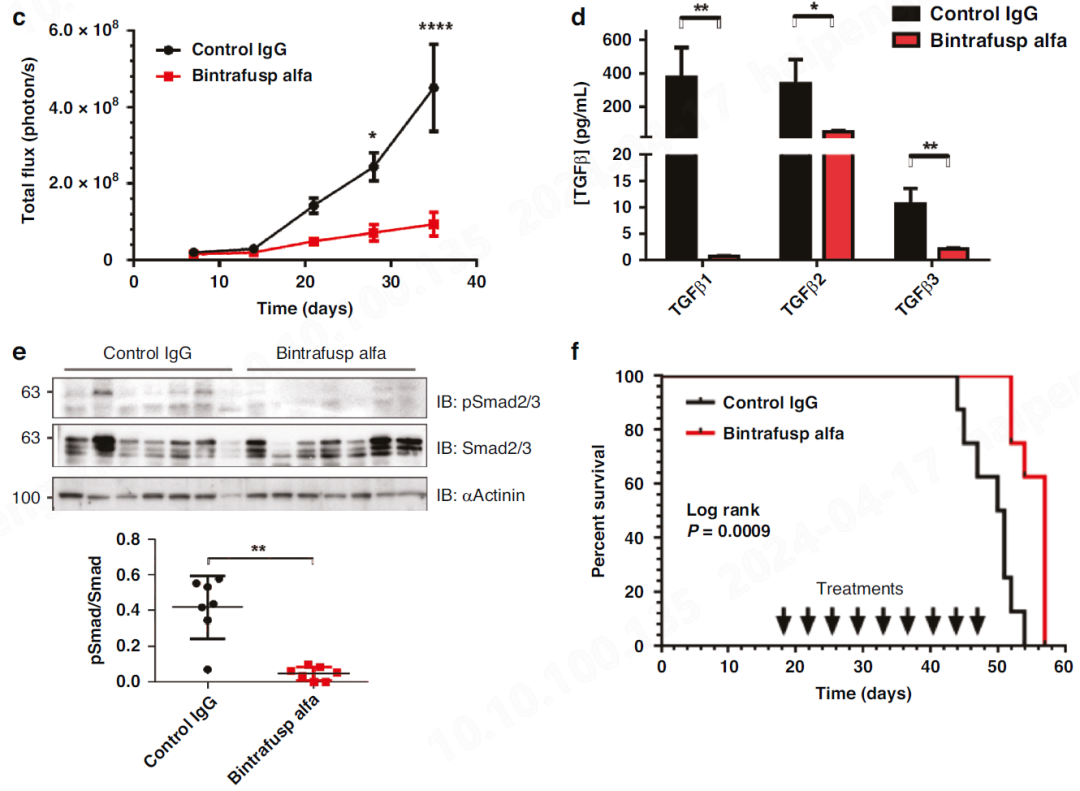
The study used IFNγ-induced PD-L1 expression and constructed ID8-Trp53-/-:Brca2-/- double knockout (ID8-DKO) mice as a syngeneic HGSC model showed no significant survival benefit after 6 days of BA treatment.However, in B cell-deficient mice implanted with this model, prolonged BA treatment observed significant survival benefits, reducing tumor burden and ascites.
Biochemical tests showed a reduction in TGF-β and VEGF in the ascites,BA treatment increases M1 tumor-associated macrophages (TAMs) and gene signatures associated with cytotoxicity and immune activation, shifting the tumor immune microenvironment (TIME) toward cytotoxicity.
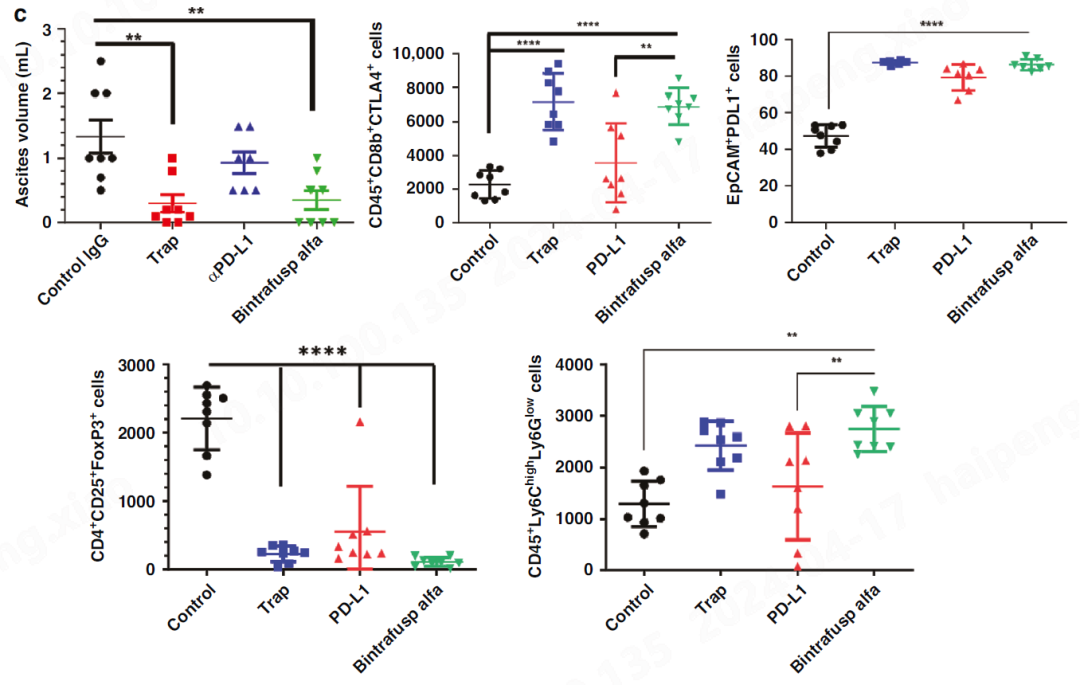
In the BR5 HGSC syngeneic model, BA treatment increased tumor-infiltrating CD8+ T cells with effector memory and cytotoxic markers, as well as cytotoxic NK cells. Additionally, in the BR5/FV model, extended BA treatment resulted in approximately 50% of BA-treated mice being cured.The tumors attacked these mice again, but they were still protected, indicating a memory response.Compared with the control group, these BA-cured mice exhibited an increased number of peritoneal effector memory T cells and NK cells.
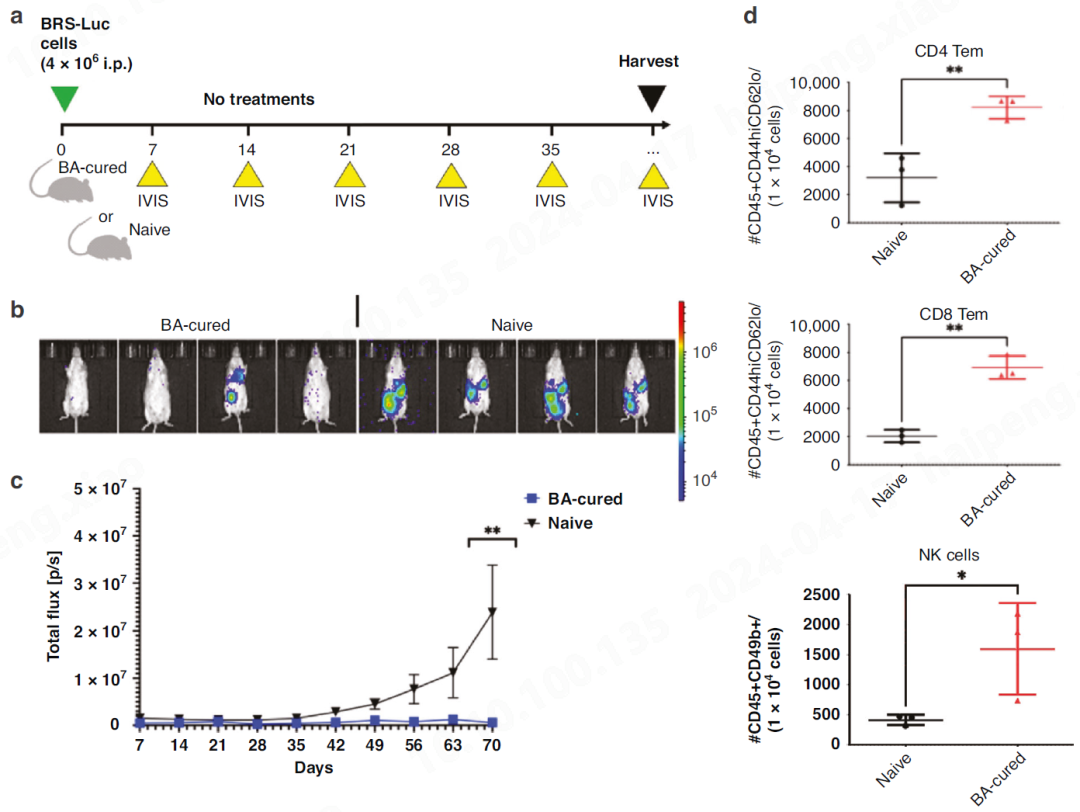
Preclinical studies of BA in advanced ovarian cancer models support further testing of BA as a modified immunotherapy option for patients with advanced ovarian cancer.
ThoughtThis study provides evidence exploring the promising anti-tumor immunity induced by BA treatment in HGSC isogenic models from different genetic backgrounds.BA targeting PD-L1 positive TME can precisely target immunosuppressive TGF-β, thereby restricting immune surveillance and the development of memory responses.The results from my preclinical ovarian cancer models support further testing of BA in clinical trials for HGSC patients with high TGF-β or TGF-β-related circulating biomarkers in their ascites.
One limitation of this study:In some HGSC models, B cells were manipulated to avoid the production of neutralizing antibodies against humanized BA protein. Therefore, BA treatment in B cell-competent models was limited to 6 days to prevent incomplete BA evaluation due to neutralization, while similar observations were made on the survival rates of two HGSC models requiring extended treatment.In ovarian cancer, B cells produce IgG antibodies targeting tumor antigens when located in stromal tertiary lymphoid structures (TLS). Recent findings also indicate the ability of B cells to serve as both positive and negative prognostic indicators in ovarian cancer. Future studies will employ additional genetic or pharmacological approaches to explore the benefits of co-inhibiting PD-L1 and TGF-β in high-grade serous carcinoma (HGSC).
Reference:Kment, J., Newsted, D., Young, S.et al. Blockade of TGF-β and PD-L1 by bintrafusp alfa promotes survival in preclinical ovarian cancer models by promoting T effector and NK cell responses. Br J Cancer (2024). https://doi.org/10.1038/s41416-024-02677-9