2023 Global Pharma Revenue TOP 20 Unveiled: Johnson & Johnson, Roche, Merck Lead the Pack

Johnson & Johnson
Healthcare Product Manufacturers, Health Service Providers
Roche
Oncology Drug Research, Development, and Manufacturing

MSD
Pharmaceutical R&D and Manufacturer
Pfizer
Pharmaceutical R&D Developer

AbbVie
Innovative Drug Developer

AstraZeneca
Biopharmaceutical Manufacturer

Novartis
Drug Development and Manufacturing
Bristol-Myers Squibb
Biopharmaceutical and Nutritional Product R&D and Sales

GSK
Pharmaceutical R&D Manufacturer
Eli Lilly
Global Pharmaceutical R&D and Production Company
Novo Nordisk
Insulin Developer and Manufacturer

Amgen
Developer of Treatment Drugs for Serious Diseases

Boehringer Ingelheim
Developer of Innovative Drugs and Therapies
Takeda
Biopharmaceutical Manufacturer

Gilead Sciences
Antiviral Drug Developer
Bayer
Pharmaceutical Product R&D Developer

Merck Group
Pharmaceutical R&D Developer

Teva
Drug Developer

Viatris
Generic Drug Manufacturer

In 2023, the pharmaceutical industry faced unprecedented challenges and pressures due to the impact of multiple factors such as the COVID-19 pandemic, economic crisis, policy changes, and technological innovation. Nevertheless, pharmaceutical companies continued to push forward by accelerating drug innovation and promoting the internationalization of drugs, injecting continuous momentum into the development of the pharmaceutical industry. With the release of financial reports from major pharmaceutical companies, the TOP20 list of global pharmaceutical companies by revenue for 2023 has officially been announced. Let’s take a look at whether there has been a major reshuffle in the global pharmaceutical landscape.
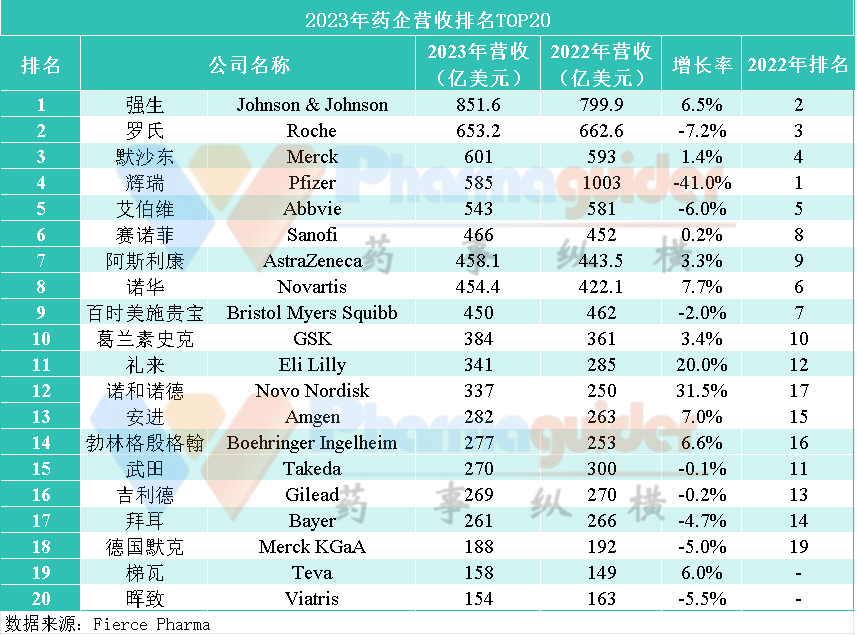
Overall,Johnson & Johnson ranked first in 2023, significantly ahead of the second-place Roche.Its sales increased by 6.5%, reaching 85.2 billion U.S. dollars. This is a familiar position for Johnson & Johnson, which had been the pharmaceutical industry's revenue leader for ten consecutive years from 2012 to 2021. Notably, in 2022, Johnson & Johnson spun off its health division, Kenvue, which reported sales of 15.4 billion U.S. dollars in 2023. If this division’s revenue were included, Johnson & Johnson would become the second pharmaceutical company in industry history to achieve annual sales exceeding 100 billion U.S. dollars.
Roche's revenue in 2023 was 58.716 billion Swiss francs (approximately 65.3 billion US dollars), a year-on-year decrease of 7%, with a net profit of 12.358 billion Swiss francs, a year-on-year decrease of 9%. Although both sales and net profit fell, Roche's R&D investment did not significantly change, with a total investment of 13.237 billion Swiss francs in 2023, still ranking among the top in the pharmaceutical industry.
Ranking third is MSD.MSD's total revenue in 2023 reached $60.115 billion, a year-on-year increase of 1%, with pharmaceutical business revenue at $53.583 billion, a year-on-year increase of 3%.The main product in the anti-tumor pipeline is K drug (Pembrolizumab), which achieved annual sales of $25.011 billion, representing a year-on-year increase of 19%.Although K drug is already the leading blockbuster drug, its sales continue to grow, with a 21% growth rate in Q4, still higher than the annual rate.
Novo Nordisk was the pharmaceutical manufacturer with the highest year-over-year sales growth among the top 20 companies last year, reaching 31%.Revenue soared from 177 billion Danish kroner (approximately USD 25.1 billion) to 232.3 billion Danish kroner (approximately USD 33.7 billion). Among this, sales of Ozempic surged by 60% to reach 95.7 billion Danish kroner (approximately USD 13.9 billion), while sales of Wegovy reached 9.6 billion Danish kroner (approximately USD 4.5 billion) in its second year on the market.
Eli Lilly also achieved similar results, primarily due to its diabetes and weight-loss drugs Mounjaro and Zepbound, which combined for sales exceeding $5.3 billion, increasing the company's revenue from $28.5 billion to $34.1 billion, a 20% growth.Novo Nordisk and Eli Lilly are the only two pharmaceutical companies in the top 20 to achieve double-digit revenue growth, indicating the significant impact of weight-loss drugs on the market.
After ranking 17th for four consecutive years, Novo Nordisk finally surpassed Takeda, Amgen, Boehringer Ingelheim, Gilead, and Bayer to successfully secure the 12th position. Among the companies that were overtaken, except for Amgen, all other companies experienced a decline in sales in 2023.
Ranked at the bottom and dropped out of the top 20 are COVID vaccine sellers Moderna and BioNTech.They ranked 18th and 20th with revenues of $19.3 billion and €17.3 billion ($18.2 billion) respectively in 2022. Both companies were also among the top 20 in the industry in 2021, but their revenues last year dropped to $6.8 billion and €3.8 billion ($4.1 billion), respectively.
Replacing Moderna and BioNTech in the top 20 are generic drug giants Teva and Viatris:Teva's total revenue for the full year 2023 was $15.846 billion, a year-on-year increase of 6.2%. In terms of generic drug business, Teva's total revenue for the year was $8.733 billion, an increase of $130 million compared to the same period last year, marking the first time Teva has achieved growth in generic drug sales in many years. Viatris' total revenue for 2023 was $15.427 billion, a year-on-year decrease of 5%; branded drug revenue for 2023 was $9.8 billion, a year-on-year decrease of 1%; generic drug sales were $5.588 billion, a year-on-year decrease of 11.7%. After completing the business divestiture, Viatris' operations will mainly focus on branded and generic drugs.

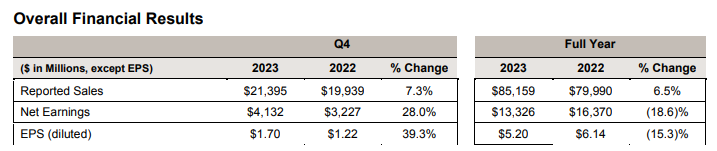
On January 23, 2024, Johnson & Johnson released its full-year 2023 performance:Full-year sales for the fiscal year 2023 reached $85.2 billion, representing a 6.5% increase year-over-year, primarily driven by strong sales of innovative drugs such as Darzalex, Stelara, Erleada, and Carvykti; R&D expenses amounted to $15.085 billion, marking a 6.7% year-over-year increase; including Q4 2023 sales of $21.4 billion, which grew by 7.3% year-over-year.
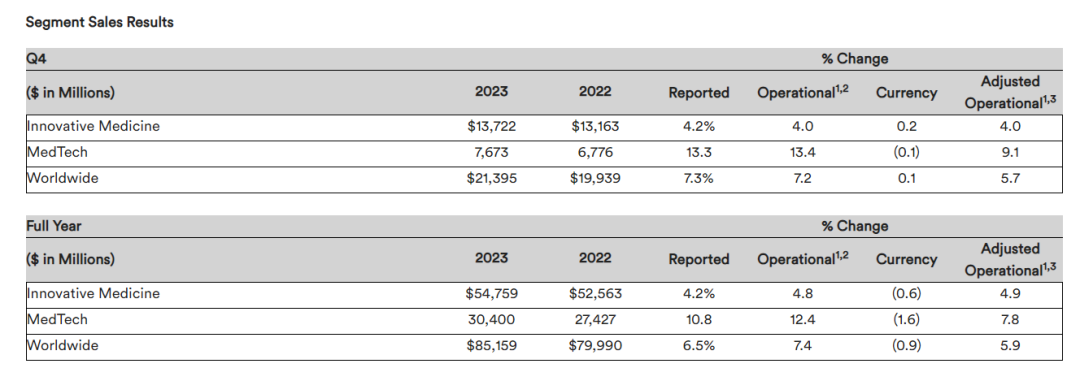
In terms of specific business segments, pharmaceutical revenue for the full year 2023 was $54.759 billion, representing a year-on-year increase of 4.2%. Medical device sector revenue reached $30.4 billion, marking a year-on-year growth of 10.8%.
Stelara Remains the Main Growth Driver for Johnson & Johnson's Immunology Segment, with Total Sales Reaching $10.858 Billion in 2023, a Year-on-Year Increase of 11.7%. Following the Expiration of Stelara’s Core Patent, Revenue is Expected to Begin Declining as Biosimilars Enter the European Market. In Addition to Stelara, Johnson & Johnson’s Plaque Psoriasis Drug Tremfya Reported an 18% Sales Growth in 2023, Reaching $3.15 Billion.
In the anti-tumor field, the annual revenue reached 17.661 billion US dollars, increasing by 10.5% year-on-year. Among them, the revenue of Ciltacabtagene Autoleucel (CARVYKTI) was US dollars, increasing by 367 million US dollars compared with last year. Johnson & Johnson once indicated that this therapy might become a blockbuster drug with an annual income of 5 billion US dollars.
Johnson & Johnson has recently achieved several R&D advancements: In April, the FDA approved Carvykti, co-developed by Johnson & Johnson and Legend Biotech, for second-line treatment of adult patients with relapsed or refractory multiple myeloma (RRMM); In March, the U.S. FDA approved its Opsynvi single-tablet combination therapy for the long-term treatment of adult patients with pulmonary arterial hypertension (PAH) classified as WHO Functional Class (FC) II-III; Johnson & Johnson Innovative Medicine's application for Guselkumab Injection is proposed for priority review, indicated for the treatment of adult patients with moderately to severely active Crohn's disease; In February, the investigational antibody Nipocalimab met the primary endpoint in the pivotal Phase 3 clinical trial VIVACITY for the treatment of adult patients with generalized myasthenia gravis (gMG); The application for Talquetamab Injection is proposed for priority review, indicated for monotherapy in adult patients with relapsed or refractory multiple myeloma who have received at least three prior lines of therapy; The Phase 3 clinical trial of FcRn antibody Nipocalimab for generalized myasthenia gravis (gMG) and the Phase 2 clinical trial for Sjögren’s disease were successful.
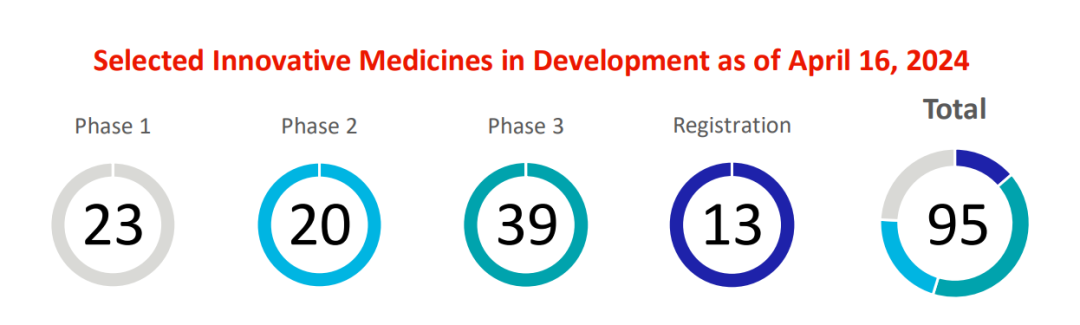
Johnson & Johnson's innovative drug business mainly focuses on six key pipelines: immunomodulation, anti-infection, neurology, oncology, pulmonary hypertension, and cardiovascular diseases. Johnson & Johnson expects that by 2030, its pipeline will bring more than 20 new drugs to the market and over 50 drug label expansions. The sales of its pharmaceutical division are expected to reach $57 billion next year.
Roche's revenue in 2023 was 58.716 billion Swiss francs (approximately 65.32 billion US dollars), a year-on-year decrease of 7%, and its net profit was 12.358 billion Swiss francs, a year-on-year decrease of 9%.
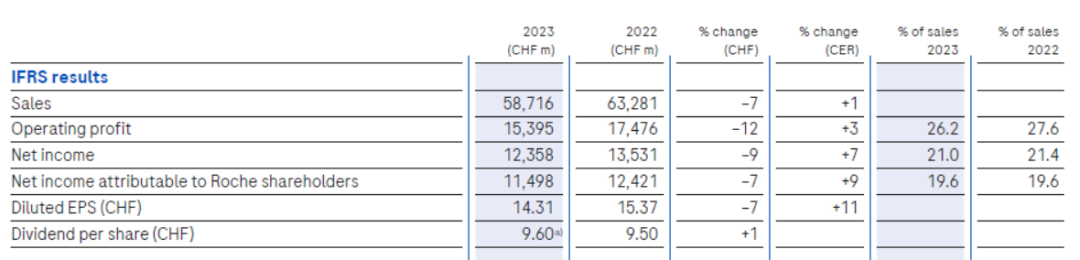
Roche has two major business divisions: pharmaceuticals and diagnostics. The pharmaceutical business generated annual revenue of 44.612 billion Swiss francs, representing a 6% year-on-year increase, while the diagnostics business reported revenue of 14.104 billion Swiss francs, marking a 13% year-on-year decline. The pharmaceutical business is Roche's primary source of profit, with an operating profit of 17.132 billion Swiss francs and a profit margin of 38.8%. In comparison, the diagnostics business has weaker profitability, with a profit margin of only 15.4% and an operating profit of 2.171 billion Swiss francs.
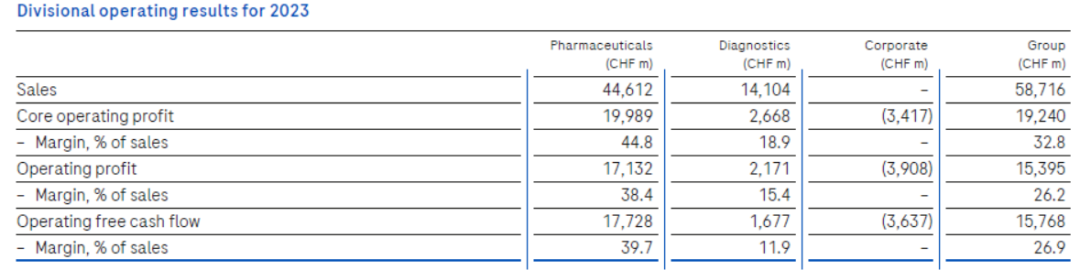
The growth of Roche's pharmaceutical business in 2023 was mainly driven by products such as the ophthalmic drug Vabysmo (faricimab, CHF 2.357 billion, +324%), multiple sclerosis therapy Ocrevus (ocrelizumab, CHF 6.381 billion, +13%), Hemophilia A therapy Hemlibra (emicizumab, CHF 4.147 billion, +16%), Polivy (polatuzumab vedotin, CHF 837 million, +108%), and Phesgo (pertuzumab, CHF 1.12 billion, +64%).
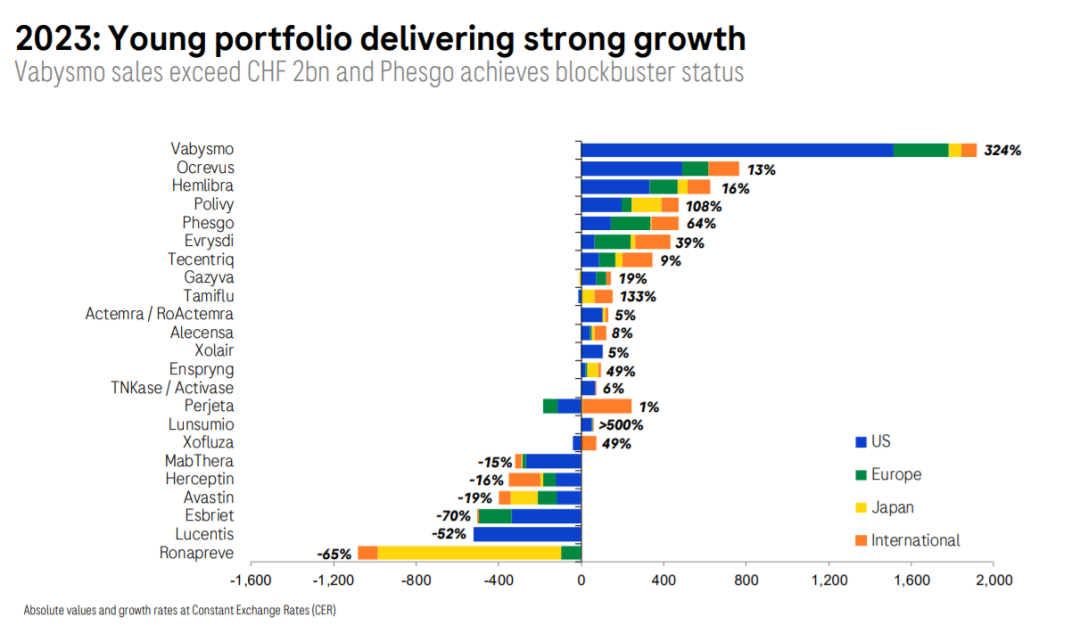
At the same time, Roche's oncology business has reached a new milestone. In April, Genentech, a subsidiary of Roche, announced that the U.S. FDA approved Alecensa (alectinib) as an adjuvant treatment following surgical removal of tumors for patients with anaplastic lymphoma kinase-positive non-small cell lung cancer (NSCLC); the phase 3 trial of Columvi (glofitamab) in combination with gemcitabine and oxaliplatin for the treatment of relapsed or refractory (R/R) diffuse large B-cell lymphoma (DLBCL) patients was successful; in February, NMPA approved the new indication application for entrectinib capsules for marketing, intended for treating pediatric solid tumor patients aged over 1 month with NTRK fusions.
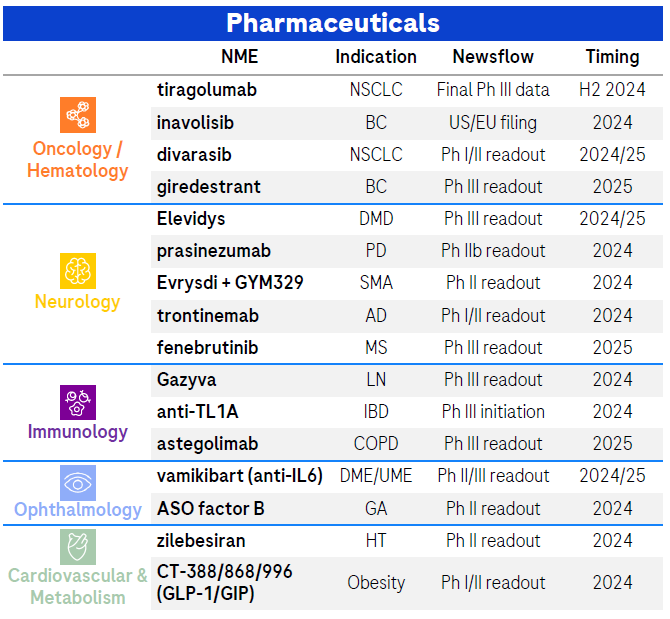
Roche's pharmaceutical business consists of six key therapeutic areas: oncology, immunology, neuroscience, hemophilia, ophthalmology, and infectious diseases, with a series of significant R&D advancements expected between 2024 and 2025.
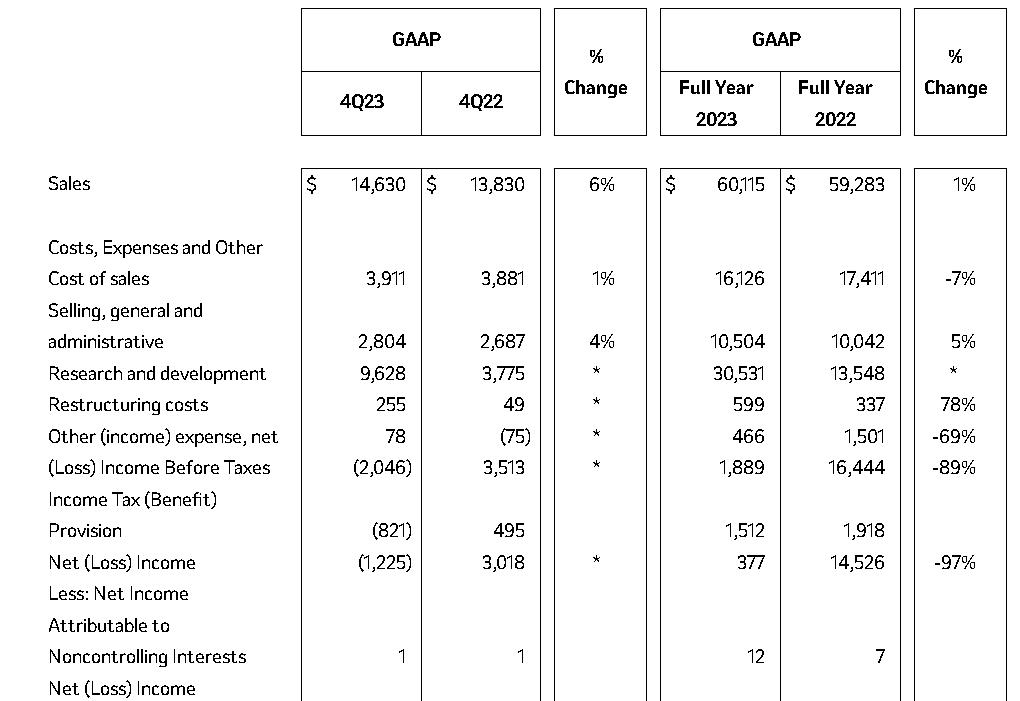
MSD's Total Revenue in 2023 Reached $60.115 Billion, Up 1% Year-over-Year; Pharmaceutical Business Revenue Hit $53.583 Billion, Up 3%, and Animal Health Business Revenue Reached $5.625 Billion, Up 1%. Net Profit Declined by 97% to $395 Million. According to Financial Reports, the Decline in Net Profit Was Due to a Significant Increase in R&D Investment. R&D Expenditure Surged to $30.531 Billion, an Increase of $17 Billion Compared to the Same Period Last Year. An R&D Investment at This Scale is Unprecedented in the Pharmaceutical Industry, Demonstrating MSD’s Strong Commitment to Research and Development.
In the pharmaceutical industry, drug manufacturers sometimes become victims of their own success. Last year, Keytruda became the world's best-selling drug. The drug is FDA-approved for treating 16 types of advanced cancer, with global sales reaching $25 billion in 2023, a year-on-year increase of 19%. It surpassed Pfizer's superstar COVID vaccine Comirnaty, Pfizer's antiviral drug Paxlovid, and AbbVie's long-dominant immunology star Humira.
Keytruda is set to expire in 2028, and the drug accounted for 41% of Merck & Co., Inc.'s total revenue last year.For Merck's executives, the strong performance of the drug means the company faces greater pressure to prepare for the impending patent cliff. It remains uncertain whether Merck can sustain growth after the patent cliff.
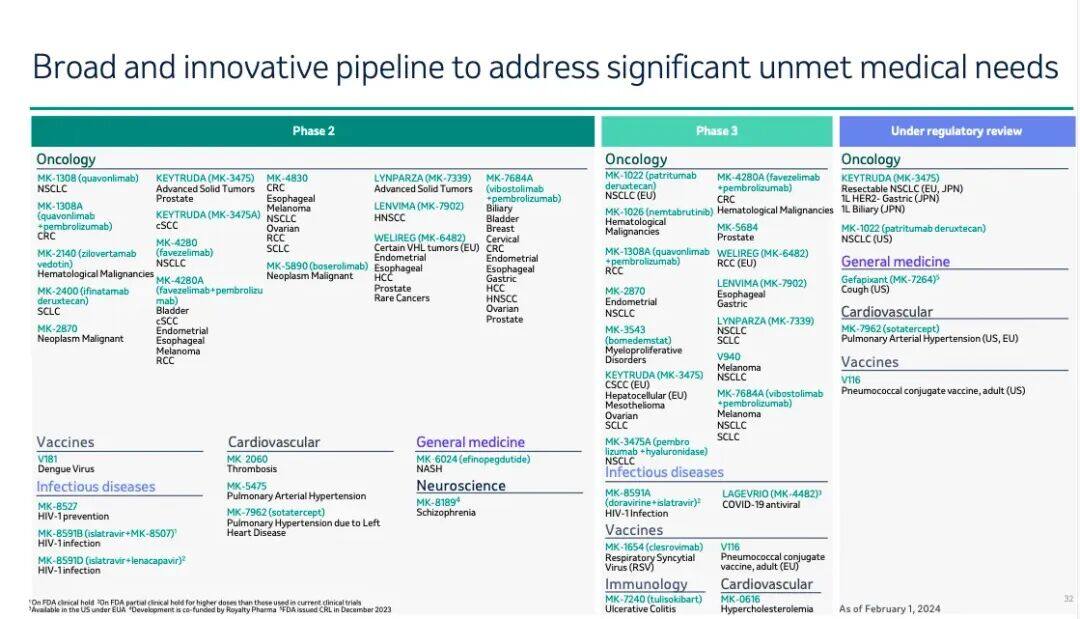
MSD has also seen continuous progress this year.:April,MSD Spent $208 Million (RMB 1.504 Billion) to Acquire ADC Startup Abceutics, Expanding Its ADC Pipeline;March`, United States`FDA ApprovalMSD's"First-in-Class" Therapy Winrevair (Sotatercept) Launched for the Treatment of Pulmonary Arterial Hypertension (PAH),Priced at $242,000 per year;Completed the $680 million acquisition of Harpoon Therapeutics.Further expand its tumor product line;Two global Phase III clinical trials of SKB264 (MK-2870) have been registered on the Clinicaltrials.gov website...
MSD's pharmaceutical business has 8 major pipelines, including oncology, vaccines, hospital critical care, cardiovascular, antiviral, neurology, immunology, and diabetes.
During the pandemic, Pfizer achieved brilliant results with its successful vaccine and antiviral duo—Comirnaty and Paxlovid—but last year, the pharmaceutical company returned to reality.
On January 30, 2024, Pfizer announced its financial results for the fourth quarter and full year of 2023:Total revenue for the year 2023 reached 58.5 billion US dollars.A decrease of 41% year-on-year, which is caused byCOVID-19 VaccineThe decline in revenue expectations for Comirnaty and the oral COVID-19 treatment Paxlovid;Net profit reached 2.119 billion US dollars, a year-on-year decrease of 93%.Revenue in Q4 2024 was $14.2 billion, a year-over-year decrease of 42%.Net loss of $3.369 billion in the fourth quarter was the main reason for the significant decline in annual performance.
According to Pfizer's official explanation, excluding the revenues from Comirnaty and Paxlovid, operational revenue increased by 7% driven jointly by the launch of new products and new indications as well as the growth of in-line products.
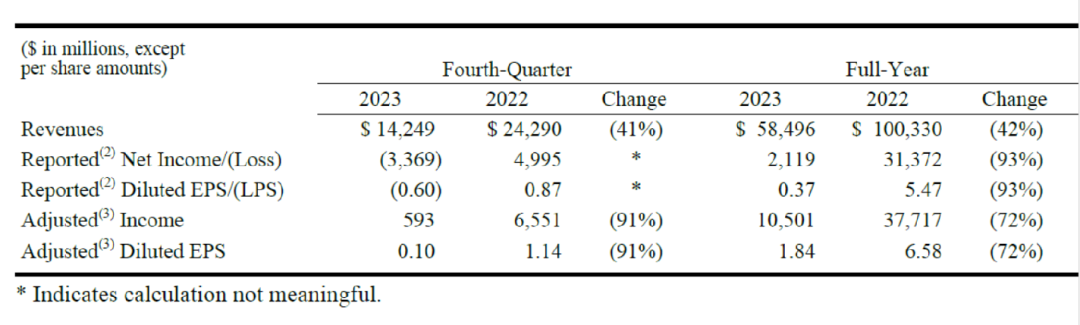
On the other hand, several of Pfizer's key drugs and vaccines are on the rise. The RSV vaccine Abrysvo reached $890 million in revenue last year after receiving initial approval in May. Nurtec ODT, acquired by Pfizer during its 2022 purchase of Biohaven, generated $928 million in revenue in 2023, a significant increase from $213 million the previous year. Meanwhile, Pfizer’s rare cardiovascular disease duo Vyndaqel and Vyndamax continued their strong market performance, with $3.3 billion in sales revenue in 2023, representing a 36% year-over-year growth.
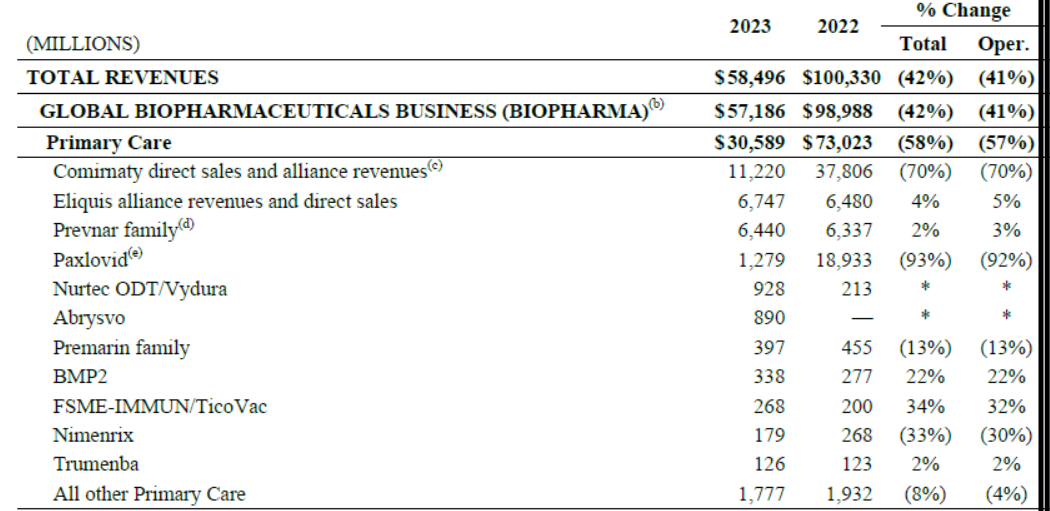
In Pfizer's oncology division, sales of the breast cancer drug Ibrance fell 6% last year to $4.753 billion. Sales of Zirabev, Ruxience, Xalkori, Retacrit, and Sutent also experienced double-digit percentage declines.
Nevertheless,Pfizer Says It Spent $43 Billion to Acquire ADC Specialist Seagen to Expand Its Influence in the Oncology Field.Seagen has been approved for 25 cancer drugs, covering more than 40 indications, among which nine drugs have the potential to become blockbuster drugs with annual sales reaching $1 billion.
April, Pfizer's ADC drug targeting integrin β6SGN-B6AApproved for clinical use in China;Respiratory Syncytial Virus (RSV) Vaccine Abrysvo (RSVpreF) Achieves Primary Endpoint in Ongoing Pivotal Phase 3 Clinical Trial MONeT, Nearing Submission for Market ApprovalIf approved, Abrysvo is expected to become the first RSV vaccine for adults aged 18 and above.
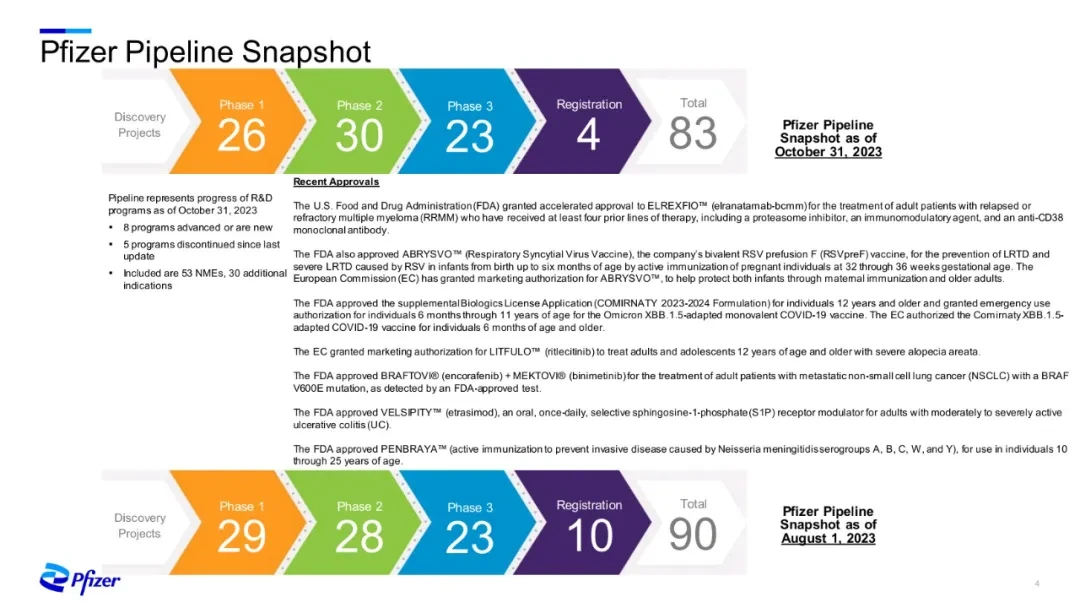
Pfizer Also Cuts Three PipelinesThese are the broad-spectrum antifungal candidate drug fosmangepix, the anticancer drug PF-07062119, and the B7H4/CD3 bispecific antibody PF-07260437.According to the pipeline information disclosed by Pfizer,Including 27 oncology projects, 17 inflammation and immunology projects, 13 vaccine projects, 1 rare disease project, 19 internal medicine projects, and 6 anti-infective field projects.
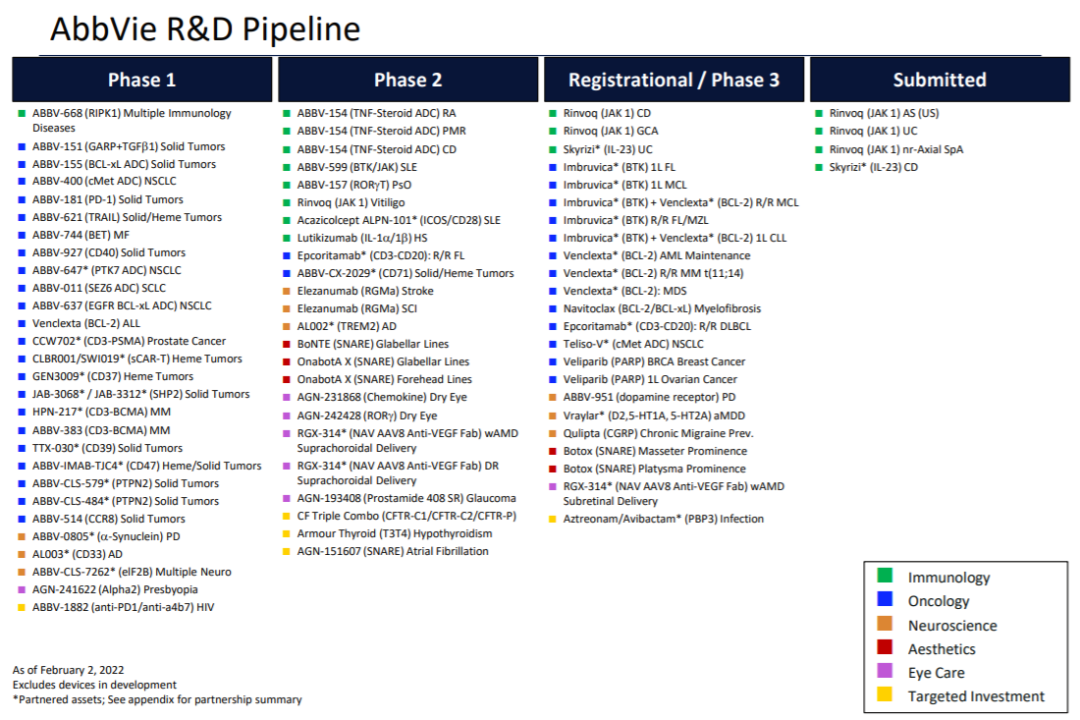
AbbVie rose to prominence in 2013 and, a decade later, joined the ranks of the world's top five pharmaceutical giants—a truly impressive feat.
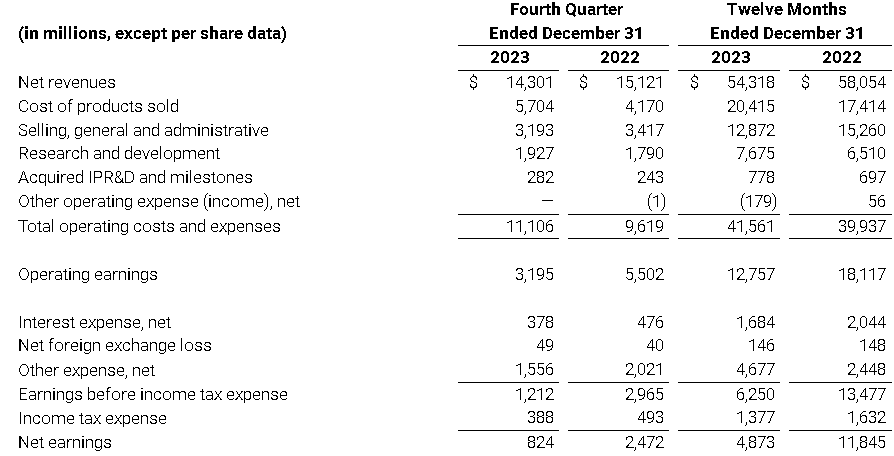
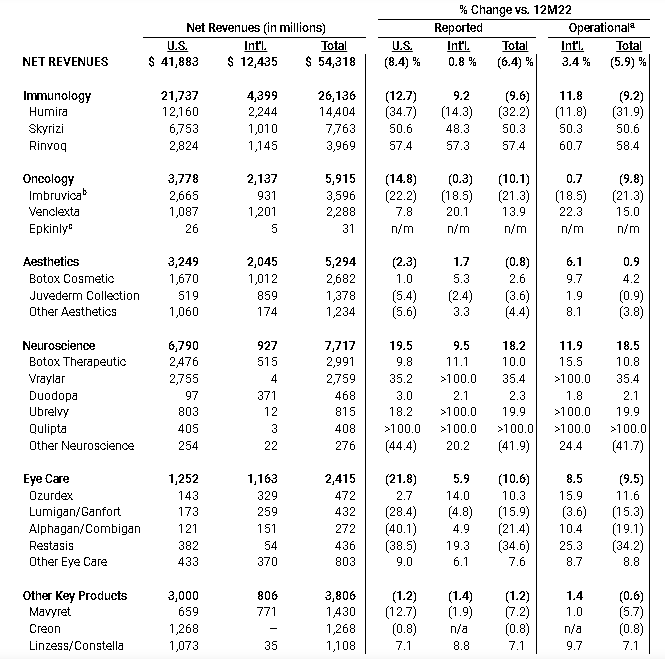
AbbVie's total revenue for the full year 2023 was $54.318 billion, a decrease of 6.88% compared to the same period last year. The cost of sales was $20.415 billion, an increase of 14.70% year-on-year. Due to the rise in the cost of sales, the gross profit margin dropped from 70.00% last year to 62.42%, which is relatively low among pharmaceutical giants.Market and general management expenses amounted to $12.872 billion, a year-on-year decrease of 18.55%. R&D investment reached $7.675 billion, a year-on-year increase of 15.18%. Operating profit was $12.757 billion, a year-on-year decrease of 42.02%. Net profit was $4.873 billion, a year-on-year decrease of 143%.

END
Reply with the keyword "Report" in the background to receive dozens of exclusive reports produced by PharmaYun.
Reply to the keyword "CSCO" in the background to get the 2023 CSCO guidelines.
Reply to the keyword "ASCO" in the background to get the 2023 ASCO abstracts by cancer type.
Reply to the keyword "2023 First Generic" in the background to obtain the list of first generic drugs approved in 2023.
Reply to the keyword "Medicare" in the background to obtain the 2022 Medicare Catalog.
Contact us to experience more professional services from PharmaCloud. | ||||
WillDiscussion CombineWork | GardenDistrict TakeMission | Database Consultation | Customization Service | Media Cooperation |