Pfizer and CeMM Unveil AI Model to Accelerate Drug Discovery Through Large-Scale Ligand-Protein Interaction Mapping

Pfizer
Pharmaceutical R&D Developer

Despite significant progress in protein structure prediction over the past few years, identifying small-molecule ligands for most proteins remains challenging.
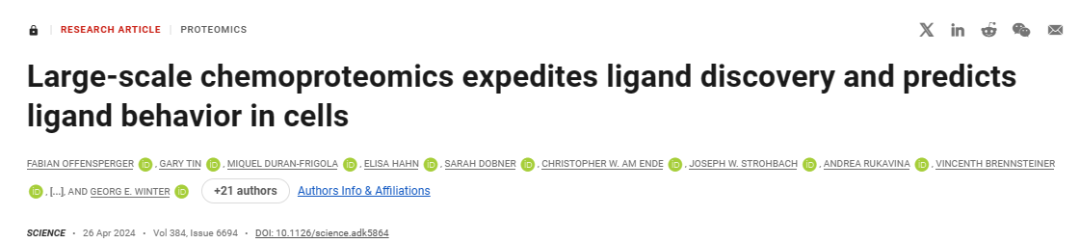
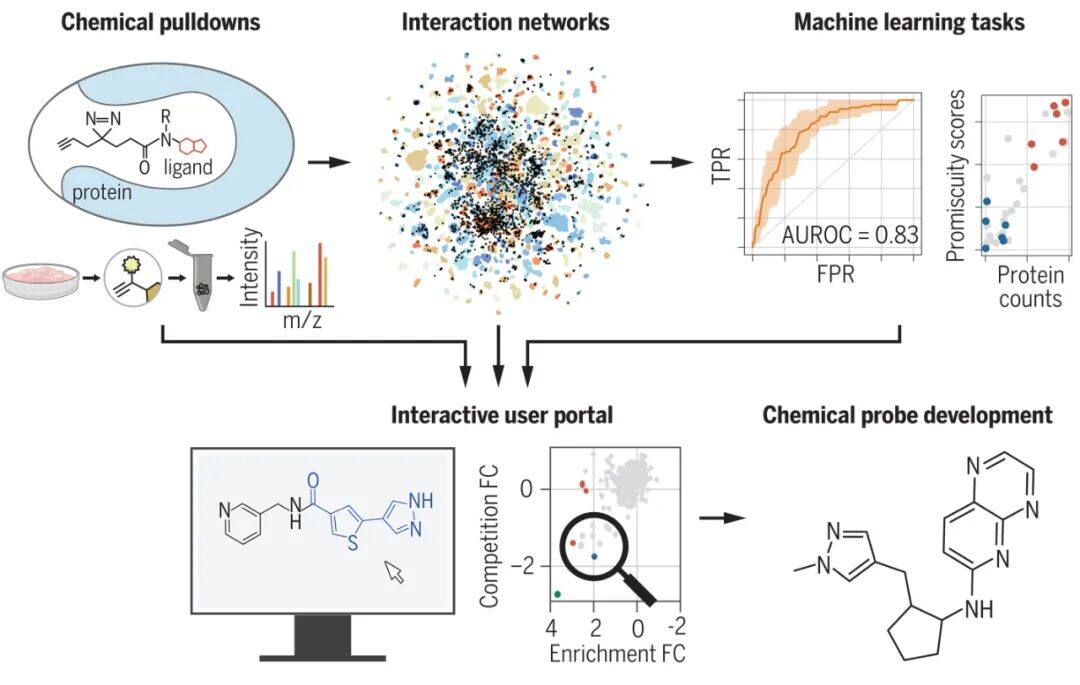
On April 26, scientists from Pfizer and CeMM in Austria published a breakthrough study in the journal Science. After three years of collaboration, they expanded a method to measure the binding activity of hundreds of small molecules with thousands of human proteins. This large-scale study revealed approximately 50,000 ligand-protein interactions. Additionally, the research developed an artificial intelligence (AI) model capable of predicting how small molecules interact with proteins expressed in living human cells.
Currently, most drugs are small molecules that modulate protein activity, and small molecules are also valuable tools for fundamental biological research. However, so far, about 80% of the human proteome still lacks functional ligands, which is a significant obstacle in drug development.
In the study, scientists used chemical proteomics methods to map protein-ligand interactions within the human proteome. The research identified the interactome of 407 structurally diverse small-molecule fragments, uncovering 47,658 small-molecule fragment-protein interactions involving over 2,600 proteins, 86% of which previously lacked an annotated ligand.
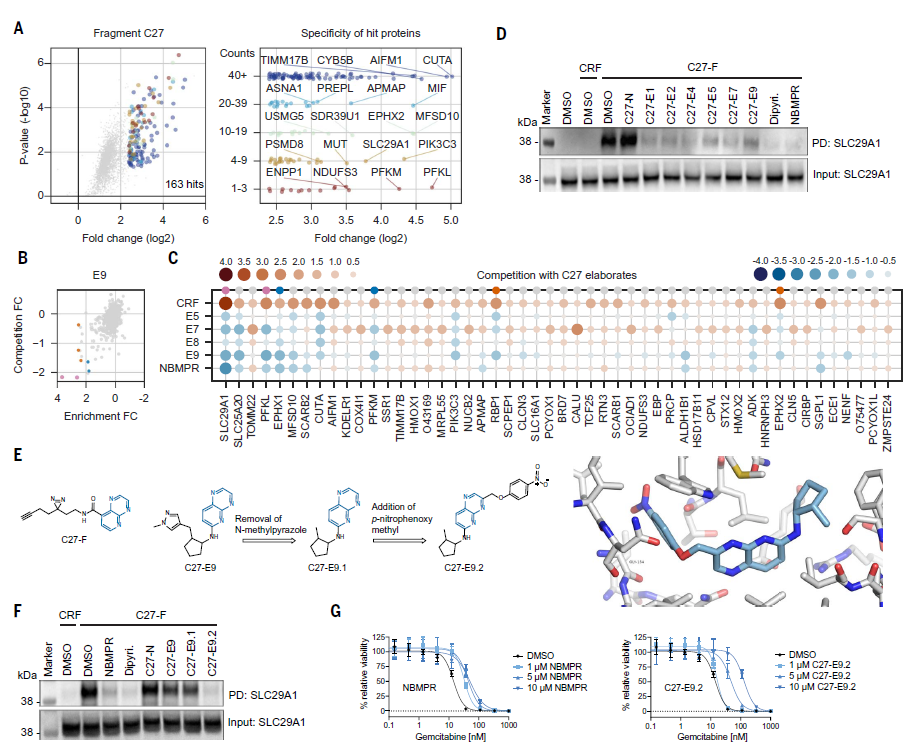
Based on these data, the researchers further developed ligands that recruit the E3 ligase adaptor protein DDB1, ligands that block SLC29A1, and receptors that selectively inhibit certain cyclin-dependent kinases (including CDK16), thereby demonstrating the translational potential of these data.
More notably, using relevant datasets, scientists have also developed a machine learning framework to build models for predicting how other small molecules/fragments interact with native proteins across the proteome. These significant advances will accelerate ligand discovery efforts for proteins that have not yet been drugged.
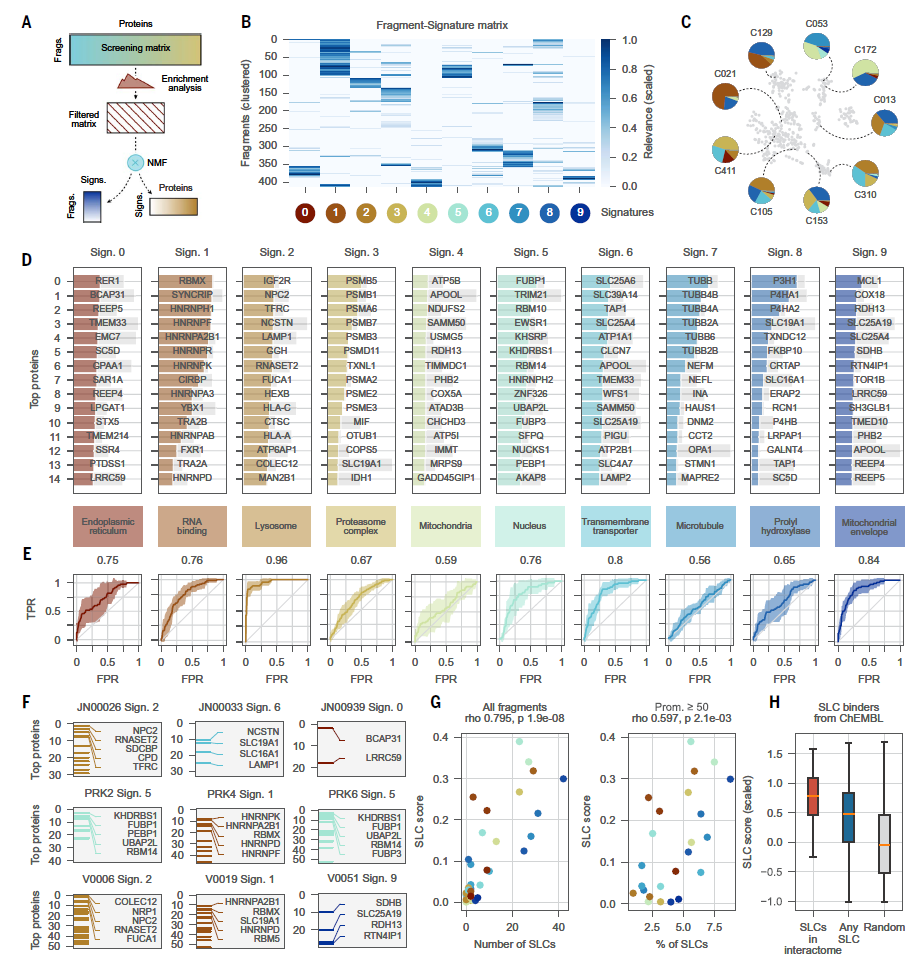
Georg Winter, Ph.D., who led the study at CeMM, stated: "We hope that this catalog of small molecule-protein interactions and related artificial intelligence (AI) models will provide a shortcut for drug development."
It is worth mentioning that, in this studyAll generated data and models are freely accessible to the scientific community (https://ligand-discovery.ai)。
"This is a great project and an outstanding collaboration between industry and academia," said Dr. Patrick Verhoest, Vice President of Pfizer and head of drug design.
Note: All images in the article are from Science.
References:
[1]https://www.science.org/doi/10.1126/science.adk5864
[2]https://www.cemm.at/news/n/a-shortcut-for-drug-discovery-novel-method-predicts-on-a-large-scale-how-small-molecules-interact-with-proteins
[3]https://www.fiercebiotech.com/research/pfizer-collab-austrian-research-institute-leads-new-ai-models-drug-discovery
Recommended Reading