

Leman Biotech Files for IPO: Metabolically Enhanced CAR-T Therapy Achieves 100% Complete Remission with Ultra-Low Dosing
Leman Biotech
Developer of Novel Tumor Immunotherapy Drugs
In 2013, the American magazine *Science* released the list of the top ten scientific breakthroughs of the year, with cancer immunotherapy ranking at the top. After decades of exploration, immunotherapy has achieved a revolutionary breakthrough in the field of cancer treatment. Currently, cancer immunotherapy has become one of the most highly regarded methods for cancer treatment and is considered the fifth major tumor treatment technology after surgery, radiotherapy, chemotherapy, and targeted therapy.
However, the resulting low response rate has become an obstacle to the development of tumor immunotherapy. Data shows that PD-1/PD-L1 inhibitors have a higher response in a few tumors, but the response rate in most solid tumors is only 10%–30%. Moreover, CAR-T therapy has shown low efficacy in solid tumor treatment, with an overall effective rate of less than 10%.1One of the main reasons is T cell exhaustion, which is primarily caused by factors such as continuous tumor antigen stimulation of tumor-infiltrating lymphocytes within the tumor microenvironment.
Leman Biotech Co., Ltd. (hereinafter referred to as "Leman Bio") is an innovative company that develops metabolism-enhanced tumor immunotherapy drugs targeting T cell exhaustion. It was co-founded by Professor Li Tang's team from the Swiss Federal Institute of Technology Lausanne (EPFL) and XtalPi.Based on Professor Tang Li's team's research achievements in the field of tumor immunotherapy, Leman Biotech Co., Ltd. has developed immune metabolic reprogramming technology (Meta 10) and established a discovery, research, and production technology platform for biologics and novel immune cell therapies with independent intellectual property rights. Meanwhile, leveraging XtalPi’s artificial intelligence (AI) technology, the company has further built an AI-driven new drug development platform.
Based on the innovative technology platform of Meta 10 + AI, Leman Biotech Co., Ltd has established three major pipelines: biologics pipeline, metabolism-enhanced CAR-T pipeline, and AI super-factor pipeline. Among them, the metabolism-enhanced IL-10 CAR-T cell product—metabolism-enhanced CD19 CAR-T injection (Meta10-19)—in investigator-initiated clinical studies (IIT), has completed the treatment of over 20 adult patients with relapsed/refractory leukemia/lymphoma using only 1% to 5% of the conventional CD19 CAR-T dosing regimen, with all patients achieving complete remission (CR).
Leman Biotech Co., Ltd. was officially established in July 2021, and in just half a year, the company won the favor of capital. In January 2022, Leman Bio announced the completion of an angel round of financing worth nearly 100 million yuan;To date, it has raised a total of 130 million yuan in financing.In addition, in April 2024, Leman Biotech Co., Ltd. was awarded a multi-million-dollar project grant from the Hefei Comprehensive National Science Center for Health Research through a global project selection process.
The rapid and smooth development of the company is inseparable from the leadership and guidance of its core team——Professor Tang Li, Co-founder and Chairman of Leman Biotech, and Dr. Guo Yugang, Co-founder and CEO。
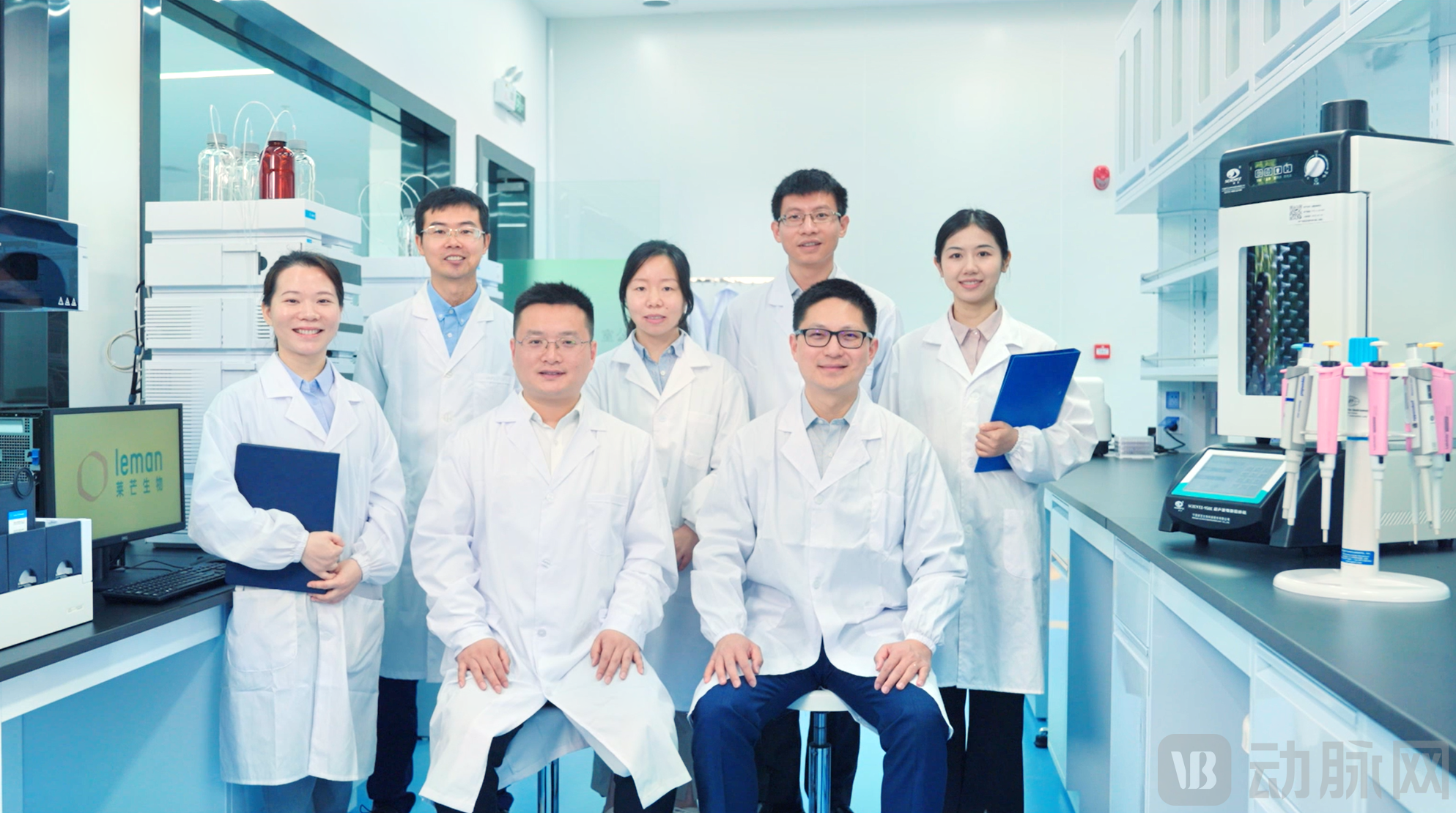
Representatives of Leman Biotech's R&D team, Front row left: Dr. Yugang Guo, right: Professor Li Tang
Source: Leman Bio
Professor Tang Li is a researcher and entrepreneur. Before founding Leman Bio, Professor Tang Li obtained his bachelor's degree from Peking University and his Ph.D. from the University of Illinois at Urbana-Champaign (UIUC) in the United States. In 2016, he completed his postdoctoral research at the Massachusetts Institute of Technology (MIT). Subsequently, Professor Tang Li became an assistant professor and then a tenured associate professor at the École Polytechnique Fédérale de Lausanne (EPFL) in Switzerland, where he conducted research related to cancer immunotherapy.
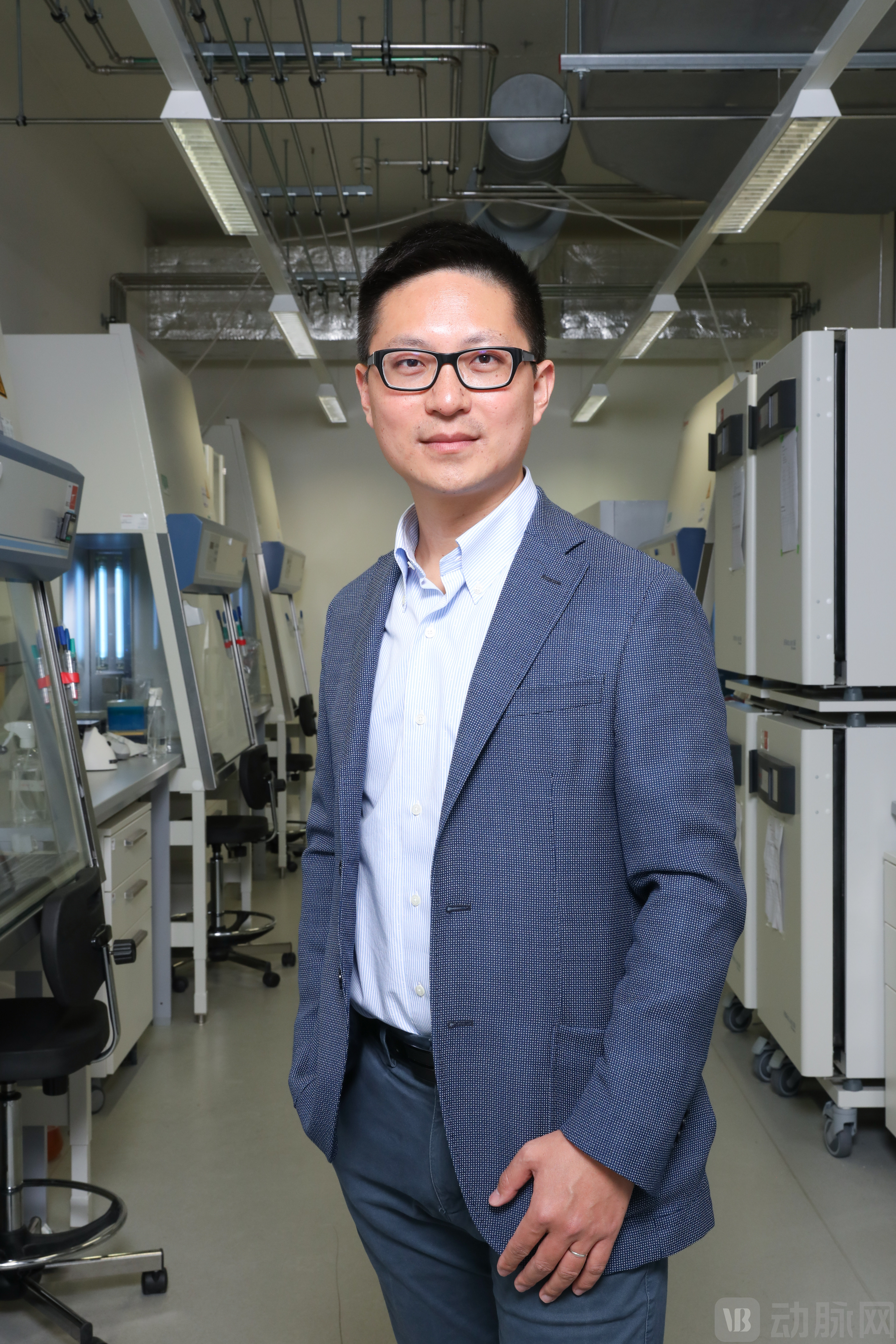
Professor Tang Li, Co-founder and Chairman of Leman Biotech Co., Ltd.
Image source: Leman Biotech
Dr. Guo Yugang once conducted research on tumor immunotherapy in Professor Tang Li's lab. In 2012, Dr. Guo Yugang received his Ph.D. from the University of Science and Technology of China. In 2017, he worked as a Scientific Collaborator at EPFL, focusing on immunometabolism and immunotherapy. In February 2022, after returning to China, Dr. Guo Yugang began the construction and operation of Leman Biotech.
During his time at EPFL, Professor Li Tang, Dr. Yugang Guo, and their collaborators discovered,Reversing T-cell exhaustion by enhancing metabolism can improve the overall response and cure rates of cancer immunotherapy.2, the research成果 was published in the international top academic journal Nature Immunology. At that time, the research team validated this result in a mouse model, "If we can translate the research to patients, we believe it will also produce good effects." Professor Tang Li said. Thus, Leman Biotech was born to transform laboratory scientific research achievements into actual products that can benefit patients.
In less than a year, Leman Biotech Co., Ltd. has built a professional team, 70% of whom are senior R&D personnel from prestigious universities both in China and abroad, including EPFL, ETH Zurich, University of Chicago, University of Zurich, Imperial College London, Peking University, Tsinghua University, University of Science and Technology of China, Zhejiang University, and The Chinese University of Hong Kong.
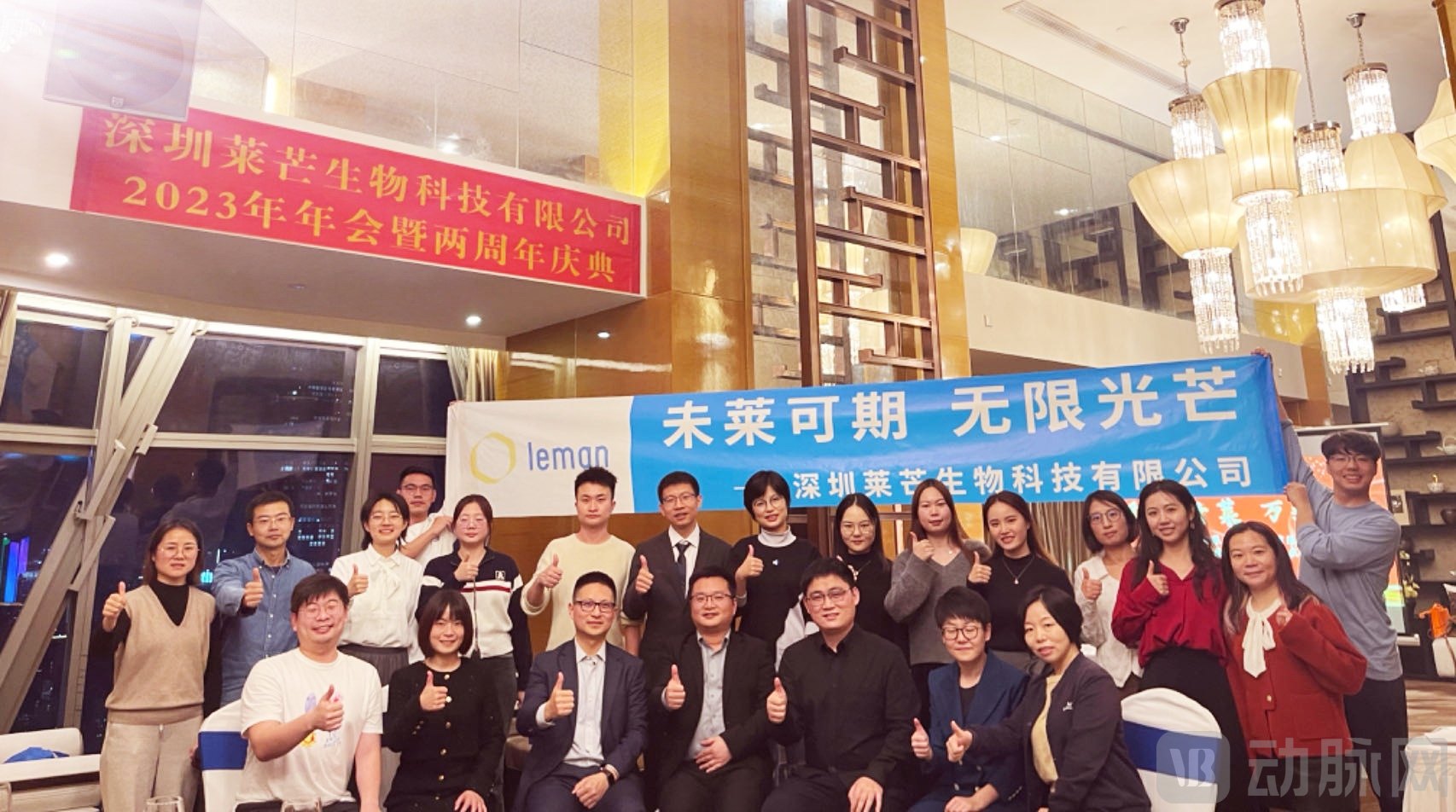
LemanLemanLemanTeamMember
Image source: Leman Bio
T cell exhaustion is characterized by impaired effector function, reduced proliferation capacity, increased and sustained expression of immunosuppressive receptors, as well as changes in epigenetic and transcriptional profiles, metabolic alterations, etc., ultimately leading to dysfunctional T cells with weak tumor control effects, resulting in tumor recurrence or difficulty in control. The main causes of T cell exhaustion include persistent antigen stimulation and the tumor immunosuppressive microenvironment.
Leman Biotech Co., Ltd.'s research team found that IL-10 can enhance the oxidative phosphorylation metabolism of tumor-specific terminally exhausted T cells, thereby achieving cellular metabolic reprogramming and effectively overcoming and alleviating T cell exhaustion. By administering an IL-10-Fc fusion protein with an extended half-life in combination with CAR-T therapy, the proliferation of terminally exhausted T cells and their anti-tumor immune response can be promoted, ultimately halting and reversing T cell exhaustion.
Based on this research achievement, Leman Biotech Co., Ltd. has built an immune metabolic reprogramming technology platform (Meta 10).Meta 10 prevents and reverses T cell exhaustion in two ways: First, through metabolic reprogramming, T cells enhance oxidative phosphorylation metabolism to achieve sustained proliferation. Second, during proliferation, T cells maintain robust cytotoxic activity.
Based on the novel IL-10 metabolic regulation mechanism mentioned above, Leman Biotech Co., Ltd.'s R&D team has further proposed a new approach to designing anti-exhaustion CAR-T cells—utilizing CAR-T cell autocrine IL-10 to enhance CAR-T cell metabolism and improve anti-tumor activity. This has led to the development of metabolically armored CAR-T.
This IL-10 autocrine CAR-T can protect the integrity of mitochondrial structure and function of CAR-T cells in the tumor microenvironment, demonstrating strong activity against exhaustion within the tumor microenvironment. It has shown excellent curative effects in subcutaneous tumor models in mice, lung cancer metastasis models, and NSG human CD19-positive tumor models, with the ability to induce the formation of stem-like immune memory cells and prevent tumor recurrence. The related research findings were published in the top academic journal Nature Biotechnology in January 2024.3。
On this basis, Leman Biotech Co., Ltd. has developed a metabolic-enhanced CD19 CAR-T product, Meta10-19, mainly used for the treatment of relapsed/refractory leukemia or diffuse large B-cell lymphoma. Currently, the IIT clinical research of Meta10-19 is being conducted at the First Affiliated Hospital of the University of Science and Technology of China (Anhui Provincial Hospital) and the First Affiliated Hospital of Zhejiang University School of Medicine.Currently, more than 20 adult patients with relapsed/refractory leukemia/lymphoma have been enrolled for treatment, achieving a 100% complete remission rate.. It is worth noting that,The dose administered to patients in this study was only 1%~5% of the conventional CD19 CAR-T dose."An extremely low dose means that we can minimize the product preparation cycle and production costs to the greatest extent, and the future pricing of the product will also be significantly reduced," said Professor Tang Li.
The results showed that the CAR-T cells in Meta10-19 injection realized efficient amplification and long-term residence in patients.As of March this year, the first enrolled patient has been under treatment for over a year and remains in CR.Meta10-19 demonstrated good efficacy and durability. Additionally, no severe cytokine storms or neurotoxicity, common side effects of CAR-T therapy, were observed in the aforementioned patients, indicating that Meta10-19 possesses favorable safety.
Due to its impressive research data, the Meta10-19 clinical study was selected for the 2024 American Association for Cancer Research (AACR 2024) Late-Breaking Research oral presentation, becoming the only late-breaking progress oral report from China at the conference. This clinical study was also successively selected for the Late-Breaking Abstracts oral presentation at the 27th Annual Meeting of the American Society of Gene and Cell Therapy (ASGCT 2024), the oral presentation at the 2024 European Hematology Association Annual Meeting (EHA 2024), the oral presentation at the 2024 European Society for Blood and Marrow Transplantation Annual Meeting (EBMT 2024), and the oral presentation at the 2024 Annual Meeting of the Chinese Society for Cell Biology (CSCB 2024).
Notably, the range of patients treated with Meta10-19 is further expanding. In March 2024, the IIT clinical research for Meta10-19 was initiated at the Clinical Center of the Children's Hospital affiliated with Zhejiang University School of Medicine. This therapy will be extended to pediatric patients with relapsed or refractory CD19-positive B-cell hematologic malignancies, offering more treatment options for relevant patients.Meta10-19 will also initiate the IND application and advance to Phase 1 clinical research this year.。
Despite remarkable progress in its R&D pipeline, Leman Biotech Co., Ltd is not stopping there.
Building on the Meta 10 technology, Leman Biotech Co., Ltd. has utilized XtalPi's AI technology to further optimize and innovate Meta 10, thereby creating the second-generation Meta 10 technology platform and establishing its own patent-protected technological moat. Currently, the R&D team is using AI algorithms to drive the optimization of super factors, new antibodies, and CAR-T components, and has already achieved phased progress:The company's second-generation product already has independently optimized metabolic regulators.。
In addition, the metabolic reprogramming macromolecule pipeline of Leman Biotech Co., Ltd. is proceeding steadily, with its preclinical studies demonstrating potential therapeutic efficacy and good safety, and it will soon move into the next research phase.
The advancement of clinical pipelines and technology platforms is just one aspect; Leman Bio is also actively promoting external collaborations.Based on immune metabolic reprogramming (Meta 10) + AI technology, Leman Biotech Co., Ltd. has reached strategic cooperation with several well-known enterprises in the field, continuously expanding the application scenarios and scope of Meta 10 technology, ultimately promoting the development of more innovative immunotherapy solutions.
Leman Biotech Co., Ltd.'s core technology Meta 10 and research achievements have also received high recognition from the industry.In just two years, it has received numerous awards and honors in both academia and industry within the biopharmaceutical field., such as "Second Prize in the 14th China Shenzhen Innovation and Entrepreneurship Competition," "Outstanding Enterprise in the Start-up Group of the 11th China Innovation and Entrepreneurship Competition National Competition," "Top 100 in All Industries Nationwide at the 'SciCreate China' Innovation and Entrepreneurship Investment Conference, Top 5 in Biomedical Field Nationwide at the 'SciCreate China' Innovation and Entrepreneurship Investment Conference," "Silver Award in the First Guangdong-Hong Kong-Macao Greater Bay Area PhD and Postdoctoral Innovation and Entrepreneurship Competition," "CGT Asia 2023 'CGT Industry Star' Annual Best Technology Breakthrough Award," etc.
Speaking of future development, Professor Tang Li said, "Leman Biotech's mission is to cure solid tumors. In the future, the company will continue to develop innovative drugs that are helpful for cancer treatment. Currently, the company is steadily advancing the research progress of Meta10-19 and other pipelines. Meanwhile,Further innovate Meta 10 technology and collaborate with more immunotherapy companies to advance the research and development of next-generation innovative immunotherapies., with high-quality products that are 'safe, efficient, and accessible' ultimately benefiting more patients."
References:
1. Southwest Securities "Innovative Drug Special Report: CAR-T Cell Therapy —— The Shining New Star in the Field of Cancer Treatment"
2. Guo, Y. et al. Metabolic reprogramming of terminally exhausted CD8+ T cells by IL-10 enhances anti-tumor immunity. Nat Immunol.22, 746-756 (2021).
3. Zhao, Y., Chen, J., Andreatta, M. et al. IL-10-expressing CAR T cells resist dysfunction and mediate durable clearance of solid tumors and metastases. Nat Biotechnol (2024). https://doi.org/10.1038/s41587-023-02060-8