Abbott's Breakthrough Absorbable Stent Esprit Receives FDA Approval for Below-the-Knee CLTI

Abbott
Diagnostic and pharmaceutical product manufacturers

The First and Only FDA-Approved Drug-Eluting Bioresorbable Scaffold for Below-the-Knee CLTI
More than 20 million people in the United States suffer from peripheral artery disease (PAD), but treatment options are limited.
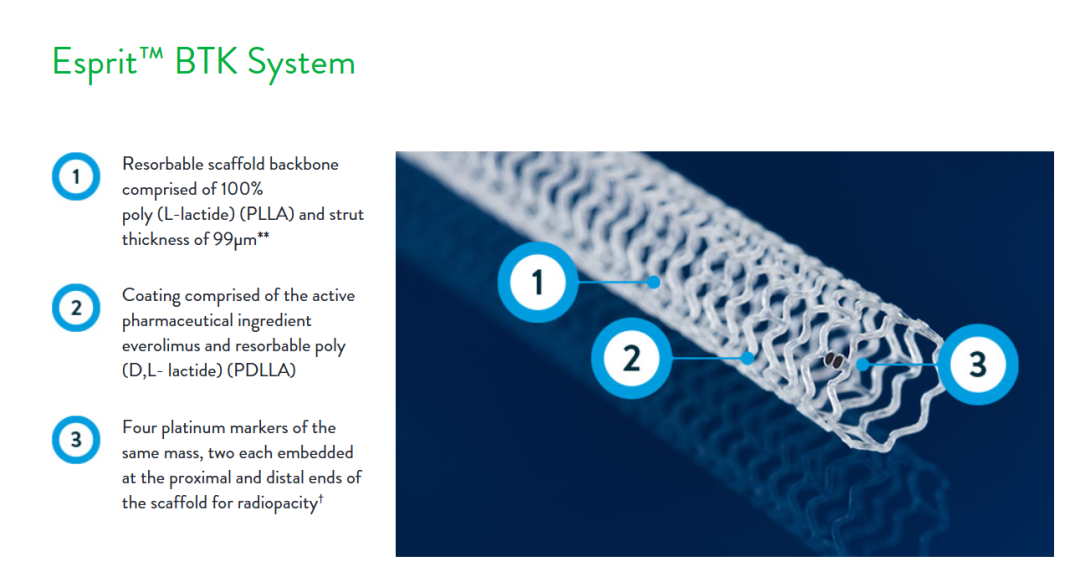
The first Esprit™ BTK everolimus-eluting bioresorbable scaffold dissolves over time after opening blocked arteries below the knee (BTK).
Esprit BTK System is a dissolvable stent that can provide better outcomes for the most severe PAD patients.
Recently, Abbott (NYSE: ABT) announced that the U.S. Food and Drug Administration (FDA) has approved the Esprit™ BTK Everolimus-Eluting Absorbable Stent System (Esprit BTK System), a breakthrough innovation for patients with below-the-knee chronic limb-threatening ischemia (CLTI). The Esprit BTK System is designed to keep arteries open and deliver the drug everolimus to support vascular healing before fully dissolving.
Until today, the United States has not approved stents or drug-coated balloons for use below the knee. The standard of care is balloon angioplasty, which relies on a small balloon delivered via catheter to the blockage site, compressing it against the arterial wall to open the vessel and restore blood flow. However, the short- and long-term outcomes for obstructions treated with balloon angioplasty alone are poor, and in many cases, the vessel becomes blocked again, necessitating additional treatment.
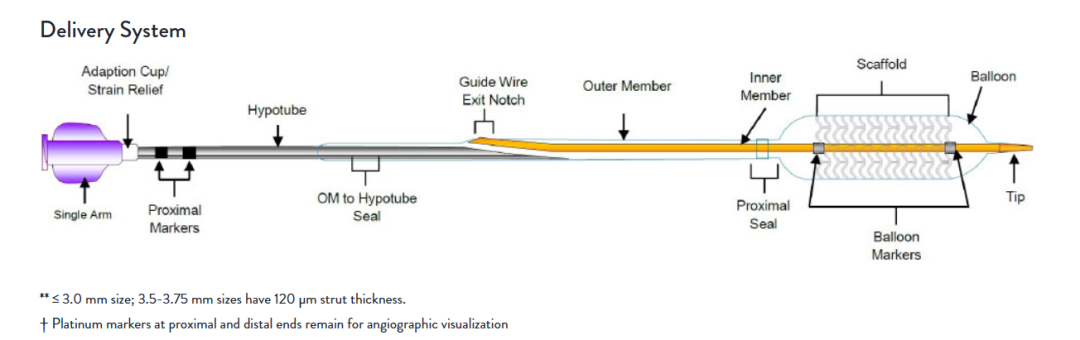
Esprit BTK System is the world's first bioresorbable stent, made from a material similar to dissolvable sutures. The device is implanted through a small incision in the leg during a minimally invasive, catheter-based procedure. Once the blockage is opened, the Esprit BTK stent helps restore the blood vessel and provides support for approximately three years until the vessel is strong enough to remain open on its own.
Sahil A. Parikh, MD, from the Columbia University Irving Medical Center and one of the principal investigators of the LIFE-BTK trial, stated: "The FDA's approval of Abbott's Esprit BTK system marks a significant milestone in our fight against below-the-knee peripheral artery disease and should usher in a new era of improved outcomes for people worldwide. By introducing a treatment option superior to balloon angioplasty, Abbott is transforming the landscape of CLTI therapy."
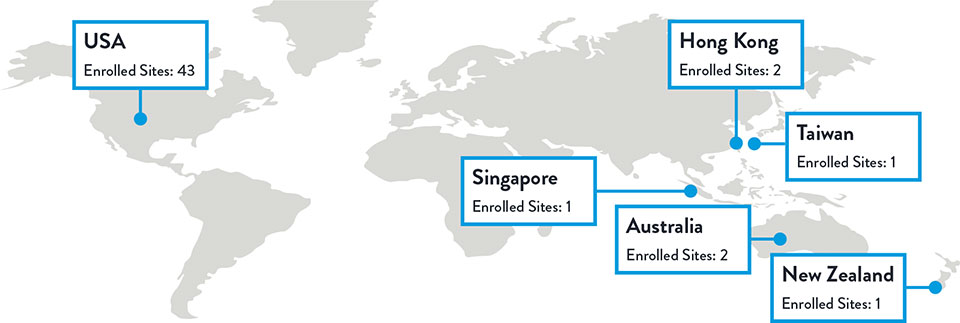
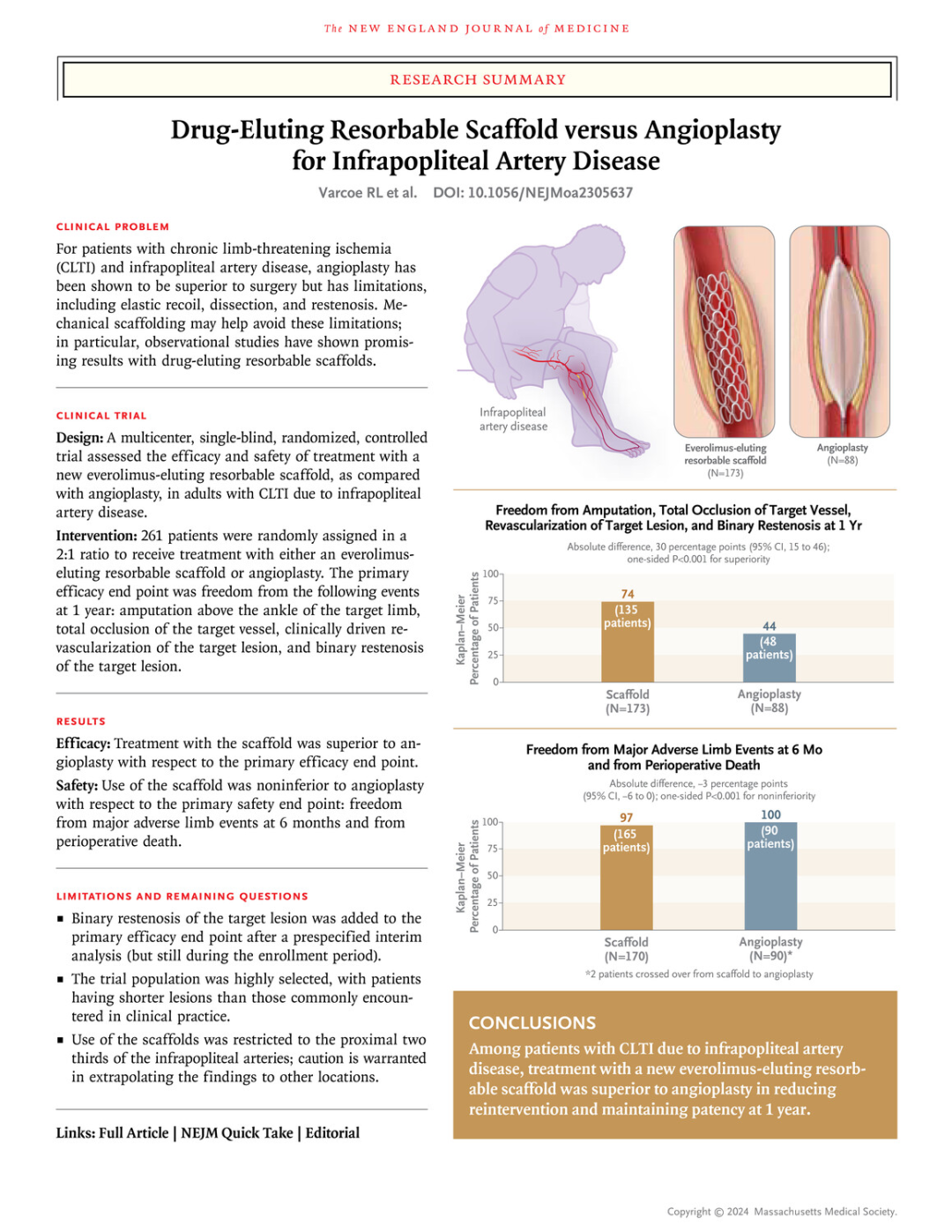
In October 2023, at the 35th Transcatheter Cardiovascular Therapeutics (TCT) conference held in San Francisco, the LIFE-BTK trial evaluating Abbott's Esprit BTK System was presented as a late-breaking clinical trial and simultaneously published in The New England Journal of Medicine. The trial results demonstrated that, compared to the current standard of care balloon angioplasty, the Esprit BTK System can reduce disease progression and help improve medical outcomes.
PAD is very common, but many people have never heard of this disease. In the United States, more than 20 million people suffer from this painful condition, and only 10% of them have been diagnosed. CLTI is a severe form of PAD that occurs when arteries are blocked by plaque, preventing blood flow and oxygen from reaching the lower legs and feet. Patients with CLTI often experience extreme pain, non-healing open wounds, and in some cases, may face amputation. Over five years, the survival rate for CLTI is lower than the combined rates for breast cancer, colorectal cancer, and prostate cancer.
About Esprit BTK System
About Abbott

Abbott is a global leader in healthcare, dedicated to helping people live fuller lives at every stage of life. Our portfolio of life-changing technologies spans the healthcare spectrum, with leading businesses and products in diagnostics, medical devices, nutrition, and branded generic medicines. Our 114,000 employees serve people in more than 160 countries.



CCI Cardiovascular Physicians Innovation Club
Long press the QR code to follow us
This Issue's Planning: Shen Li
Editorial Responsibility: Chen Baolin
Author of this article: Yun Ye Xuan
Post-production:Ling Wujuan