Dr. Bu Quandong’s Team at The Affiliated Hospital of Qingdao University Showcases the Application of Dissolve™ AV Scoring Drug-Coated Balloon in Refractory Arteriovenous Fistula Stenosis

DK Medtech
Vascular Interventional Balloon Product Developer

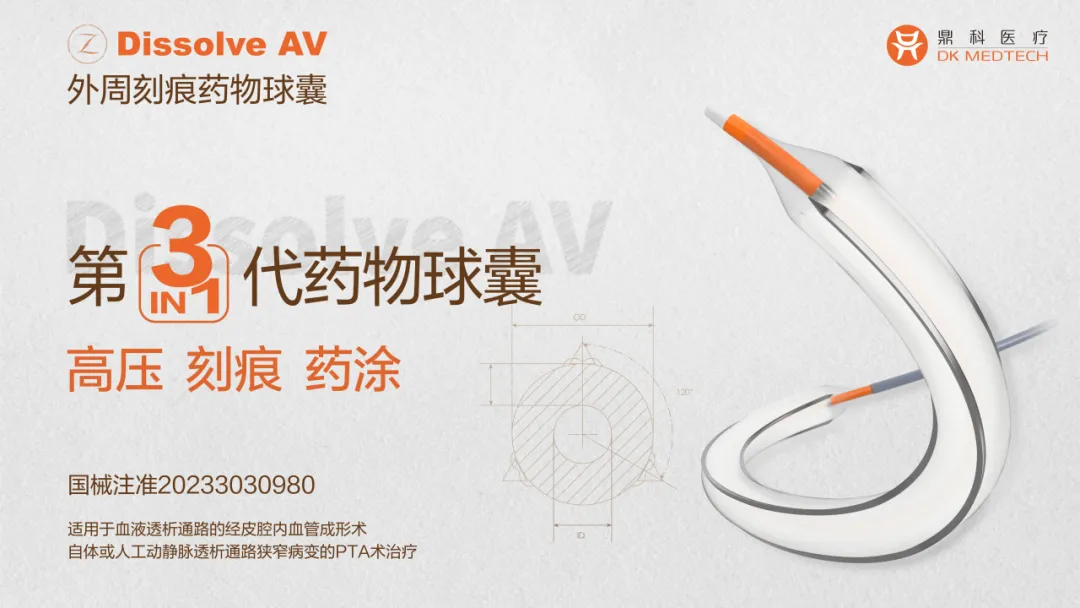
Stenosis of autologous or artificial arteriovenous fistula (AVF/AVG) is the most common complication in hemodialysis patients. Percutaneous transluminal angioplasty (PTA) has become the primary method for maintaining dialysis access. However, the blunt and irregular tearing of the intima and part of the media by traditional balloons during PTA can cause excessive damage to the endothelial vessels, leading to intense proliferation of vascular smooth muscle cells and macrophages, which quickly results in restenosis.
In recent years, there has been continuous international exploration and clinical research on drug-coated balloons and other devices for PTA treatment of dialysis access. DK Medtech has developed the Dissolve™ AV Scoring Drug Balloon, which integrates three features—"scoring," "high-pressure," and "drug-coated"—into one device, marking it as the world's first third-generation drug balloon:
Directional Scoring: Uniform and regular tearing of the intima to reduce damage from blunt rupture.
High Burst Pressure: For high-resistance lesions, improving technical success rate.
Paclitaxel Coating: Effectively Inhibits Excessive Proliferation of Smooth Muscle Cells.
DK Medtech Special Release[Professor Quandong Bu's Team: Application of Scored Drug-Coated Balloons in Refractory Stenosis of Arteriovenous Fistulas] Case Presentation, demonstrating the meticulous operation of each case and the clinical application of advanced equipment and instruments. From the formulation of treatment strategies for different cases, standardized intraoperative procedures and technical applications, complication prevention, to perioperative management, etc., the aim is to promote the standardization of diagnosis and treatment for vascular stenosis and occlusive diseases, enhance technical exchange and experience sharing among doctors, with the hope of providing new ideas and methods for future diagnosis and treatment, benefiting more clinical patients.

Scored Drug-Coated Balloon in Arteriovenous Fistula
Application in Refractory Stenotic Lesions
Qingdao University Affiliated Hospital, Bu Quandong, Wang Yanfei, Ma Chao

Patient Information
Basic Information:The patient is a 58-year-old male.
Chief Complaint:Regular dialysis for half a year, poor internal fistula flow for 2 weeks.
History of Present Illness:Due to "abnormal renal function for more than 7 years," the patient was admitted to our department for the first time on February 12, 2022, with a serum creatinine level of 675.00 umol/L. The patient refused to establish vascular access and was discharged after conservative treatment. The patient was readmitted on April 21, 2023, with a creatinine level of 1323.00 umol/L and urea of 43.3 mmol/L, refusing kidney replacement therapy. On April 26, 2023, under local anesthesia, an arteriovenous fistula was created in the left forearm. Regular hemodialysis was initiated on May 30, 2023, with a smooth process; however, due to poor flow, the patient was readmitted to our department on September 4, 2023, diagnosed with Type I stenosis. On September 6, 2023, PTA (6mm ultra-high-pressure balloon) was performed under local anesthesia. Postoperative hemodialysis flow was 220 ml/min, with smooth fistula blood flow. However, two weeks ago (4.5 months post-surgery), insufficient dialysis pump speed reoccurred, with flow below 180 ml/min, leading to hospital admission on January 24, 2024.
Past Medical History:History of hypertension for 20 years; gout for 7 years, denies history of heart disease, diabetes, cerebrovascular diseases, etc.
Physical Examination:T:36.3℃ P:107 beats/min R:19 breaths/min BP:131/94mmHg A hard mass can be palpated 2cm upstream from the anastomosis of the arteriovenous fistula, with both pulsation and thrill present; thrill is enhanced along the proximal path but diminishes rapidly.
Admission Diagnosis:
Autologous Arteriovenous Fistula Stenosis (Type I)
Chronic Renal Failure Uremia Stage
Hypertension Grade 3 (Very High Risk)
Hypertensive Nephropathy
Renal Anemia
Chronic Heart Failure
Previous interventional treatment
Time | Main Treatment Process |
April 26, 2023 | Underwent Left Forearm Arteriovenous Fistula Formation Surgery |
May 30, 2023 | Initiate Hemodialysis Treatment |
September 6, 2023 | Type I stenosis of the left forearm internal fistula, treated with 6mm ultra-high pressure balloon PTA at our hospital; Treatment Process: Valve stenosis accompanied by significant intimal thickening, ultra-high pressure balloon dilation used to relieve stenosis, but with significant rebound. Multiple dilations performed, yet more than 30% rebound remains. |
January 25, 2024 | Restenosis of the Left Anterior Forearm Fistula Treated with High-Pressure Scoring Drug-Coated Balloon PTA |
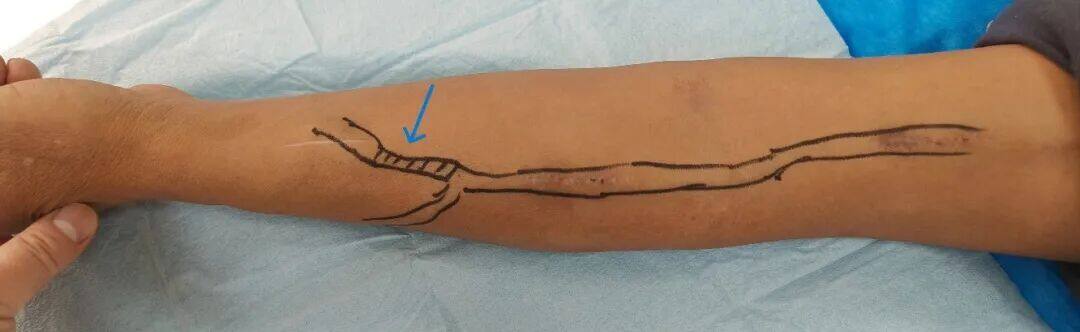
Vessel at the stenosis
Preoperative Analysis
Preoperative Analysis:Middle-aged male, with an arteriovenous fistula used for approximately half a year, previously underwent PTA treatment four and a half months ago. The main reason for this hospitalization is that the pump speed during dialysis could not meet the dialysis requirements. Physical examination and ultrasound both indicated stenosis of the drift segment of the left forearm arteriovenous fistula, with a stenosis degree >50%. Surgical intervention is indicated, with no contraindications.
Surgical Objective:
Main Objectives:Restore the function of the internal fistula, increase dialysis blood flow, and resolve stenosis of the vascular access;
Secondary Objective:The patient is a middle-aged male. Effectively reducing vascular restenosis and improving long-term patency rate are the key focuses of this surgery; maximizing the protection of vascular resources and extending the service life of the autologous arteriovenous fistula.
Surgical Strategy/Plan:
PTA Treatment for Stenotic Segment:Minimal trauma, less bleeding, relatively fewer complications, easy operation, and effective protection of vascular resources.
Reconstruction of Internal Fistula:Open surgery, compared with interventional treatment, involves relatively greater trauma; moreover, patients with higher bifurcations who undergo open surgery may require the resection of more vessels in higher positions.
Patch Repair of Internal Fistula Branch Vessels:The "pants-shaped" transposition of the dorsal branch of the cephalic vein was performed, and the main vessel's stenosis was repaired with a patch. However, due to the long segment of stenosis in the patient, the long-term patency rate may not reach the effect obtained by open surgery, thus shortening the lifeline.
Surgical Procedure
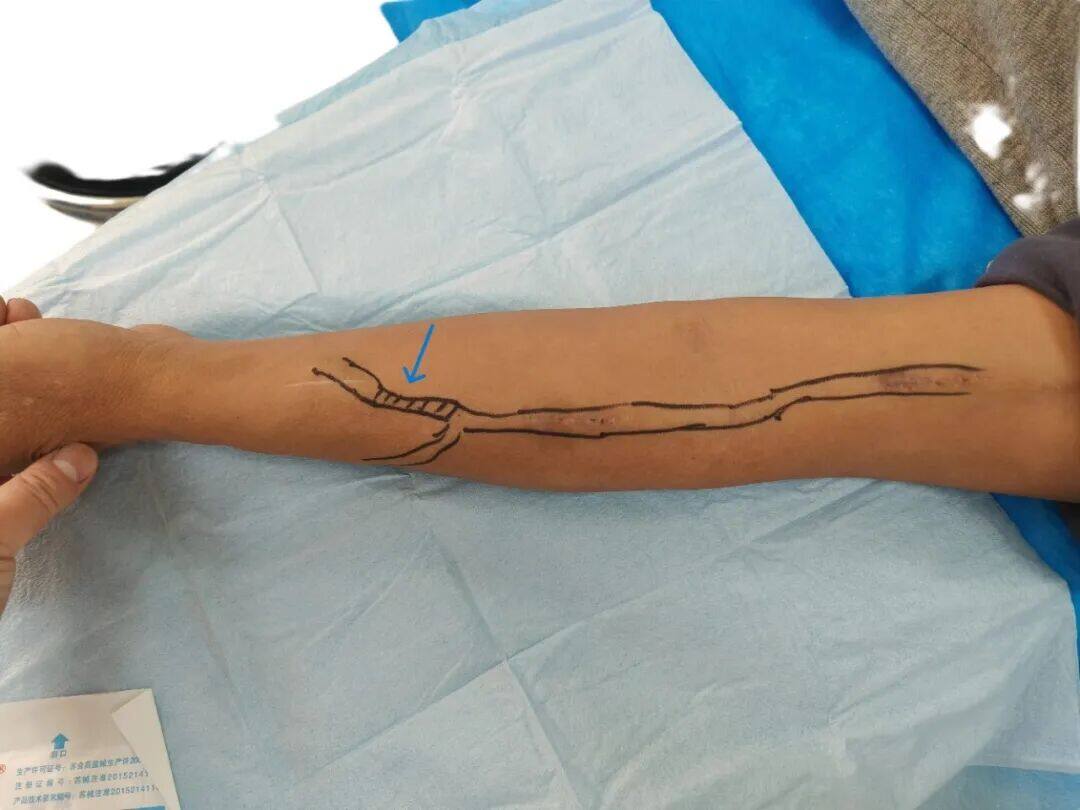
The area indicated by the arrow shows vascular depression, hard texture, and weak thrill.
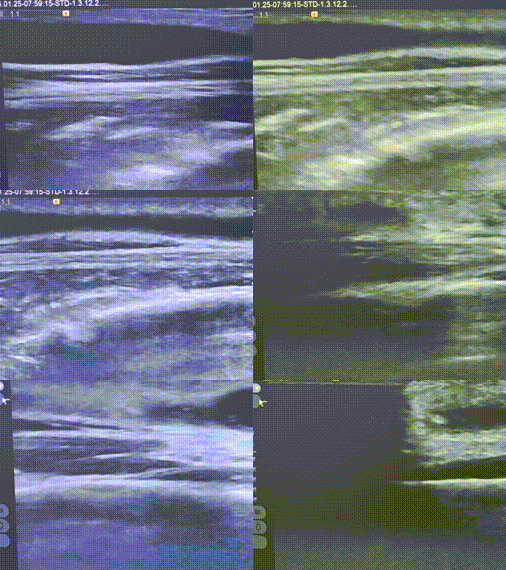
Preoperative B-ultrasound suggested stenosis in the drift segment of the arteriovenous fistula.
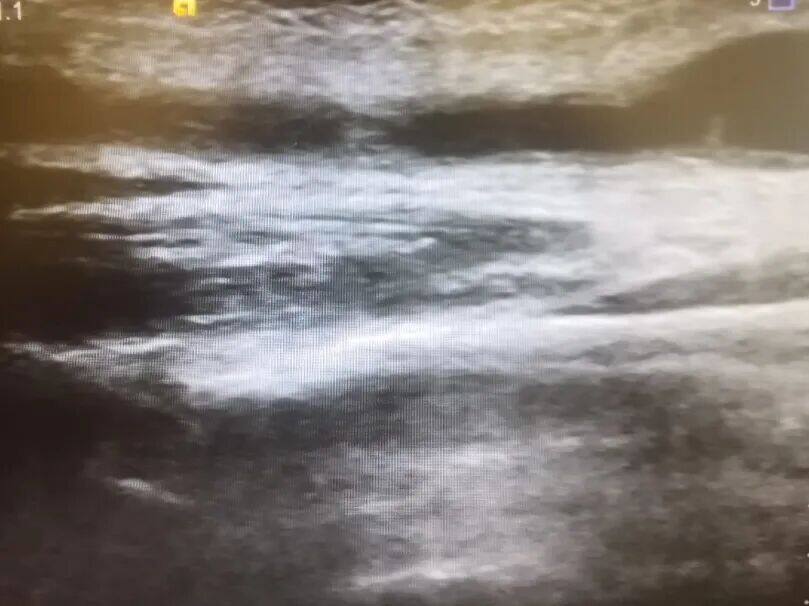
Target lesion site, severe intimal hyperplasia and stenosis
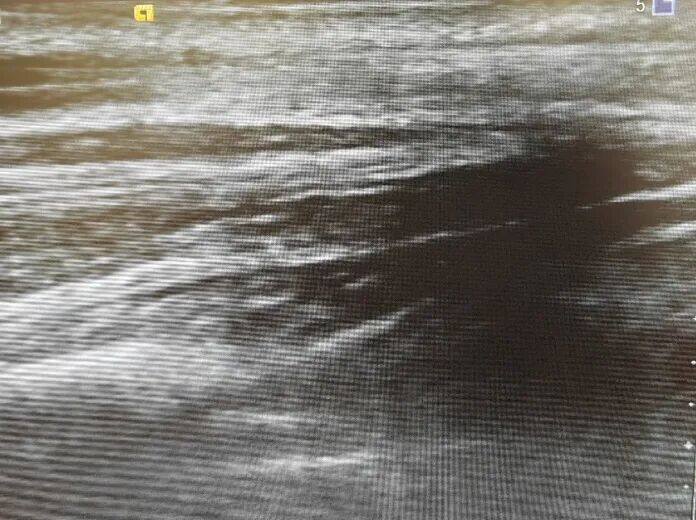
After successful puncture and sheath placement, a .035 super-smooth guidewire passed smoothly through the stenotic segment into the proximal radial artery.
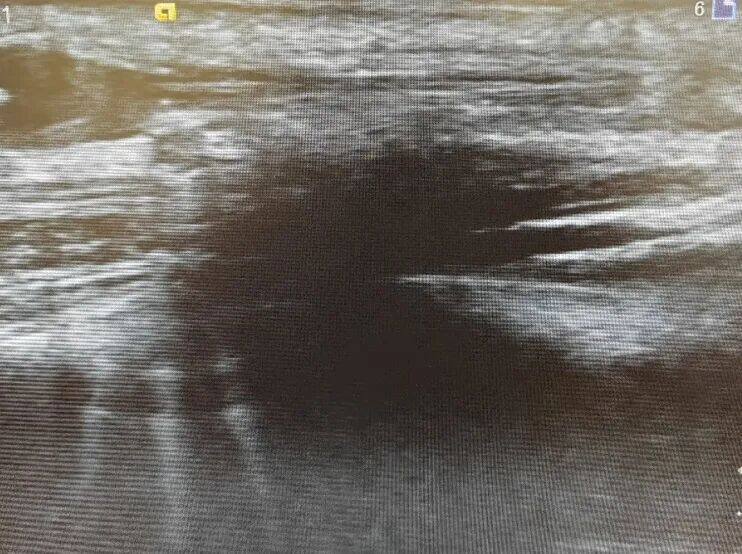
6*40mm scored drug-coated balloon inserted into the stenotic segment
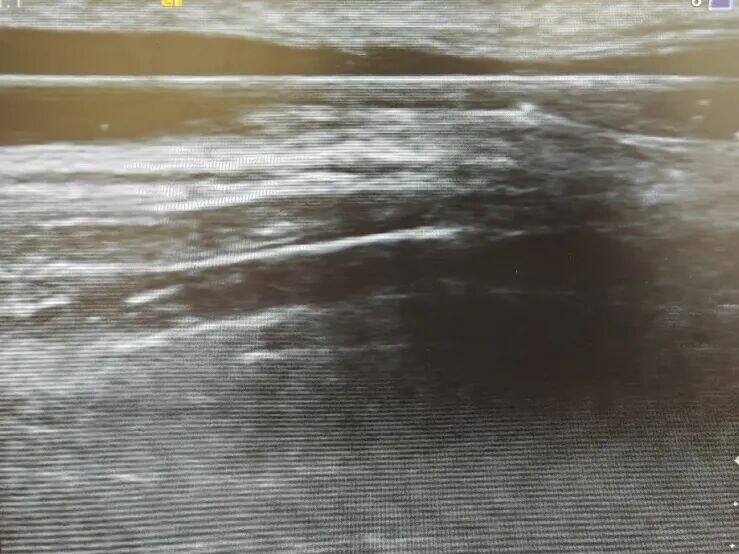
Gradual pressurization (1atm/3s) showed the stenotic segment gradually opening under ultrasound.
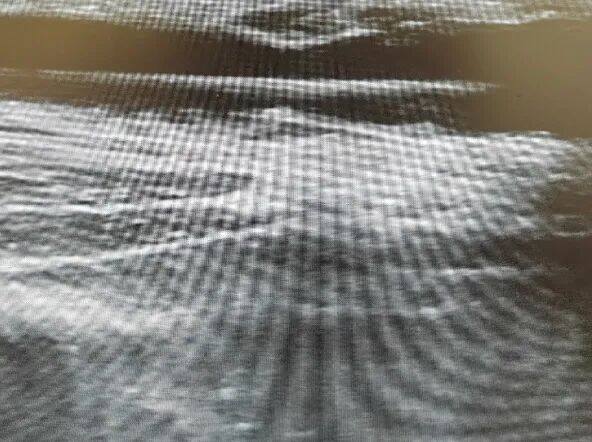
Continuous slow pressurization, not fully open at 14atm
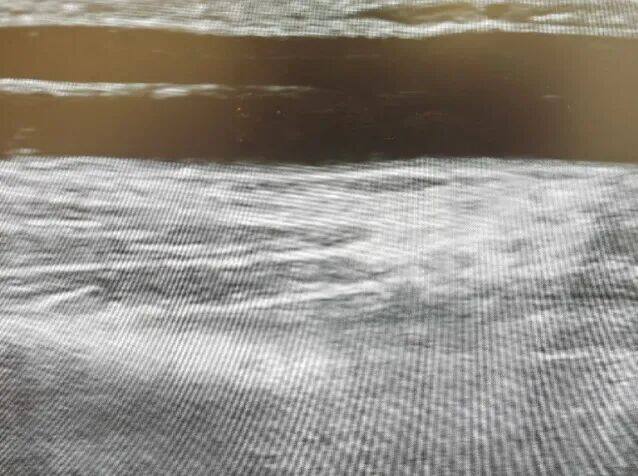
After maintaining for 60 seconds, further dilation was performed, adjusting the pressure to 18 atm. The balloon was fully opened and maintained for 60-90 seconds.
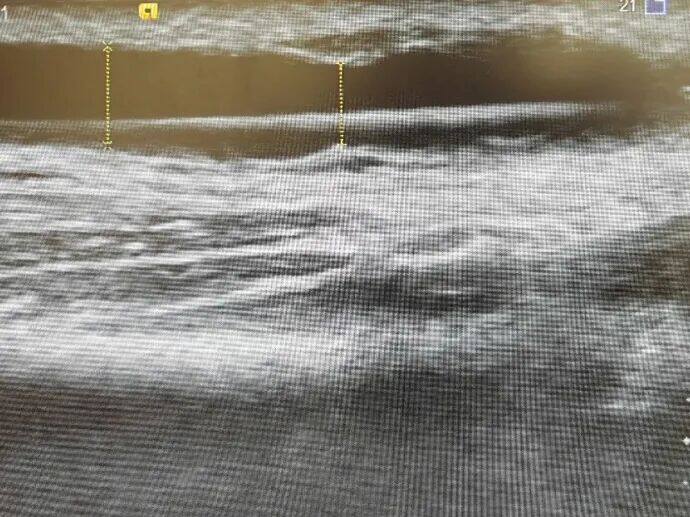
After dilation, slowly release the pressure, withdraw the balloon, and ultrasound indicates a stenosis rate <20%.
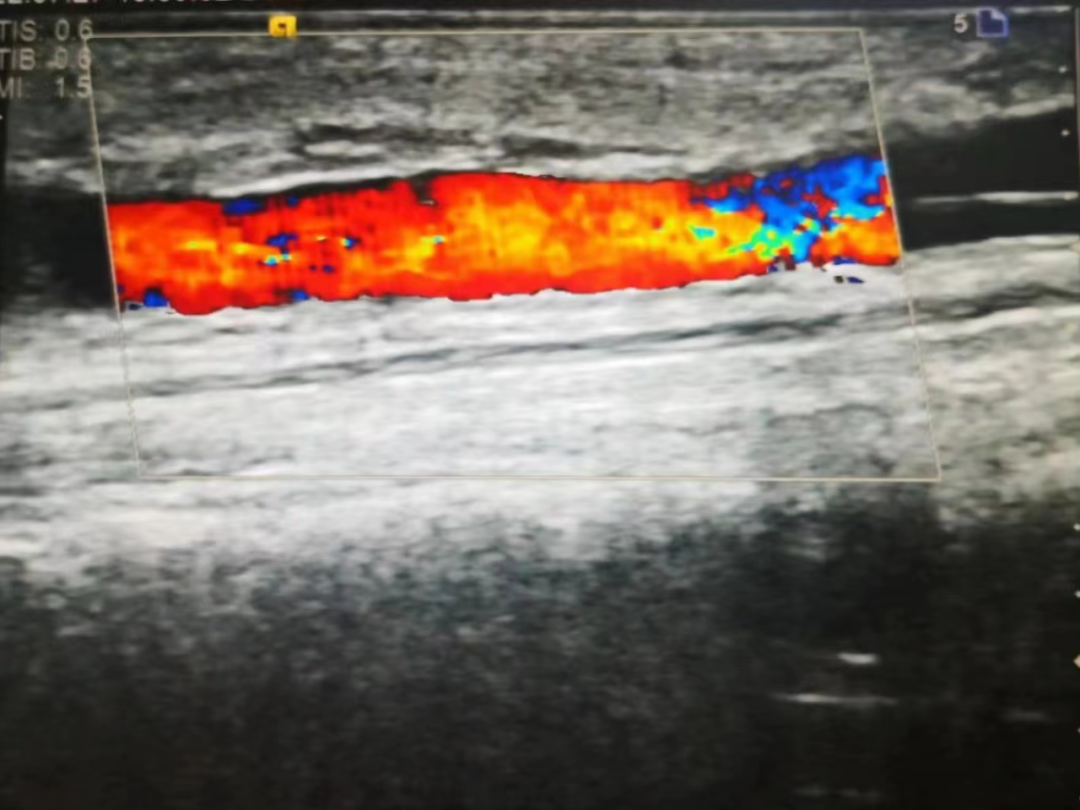
Follow-up color Doppler ultrasound showed no significant stenosis, with increased lumen size in the stenotic segment, full blood flow signals, and significantly enhanced thrill.
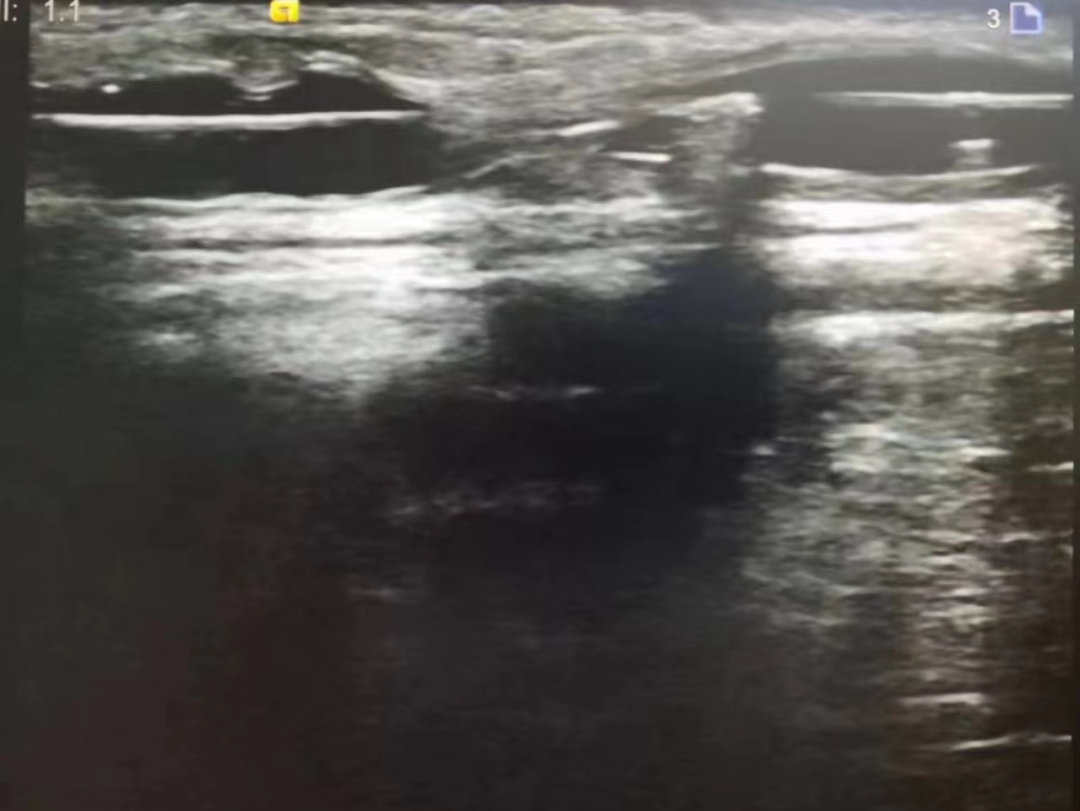
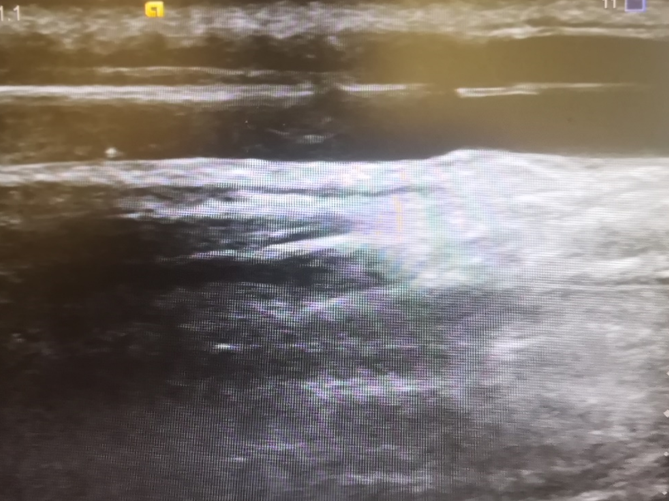
After dilation, the stenotic segment of the vessel is visible, with a significantly increased effective lumen; fragmented valve pieces can be seen floating in the lumen post-expansion.
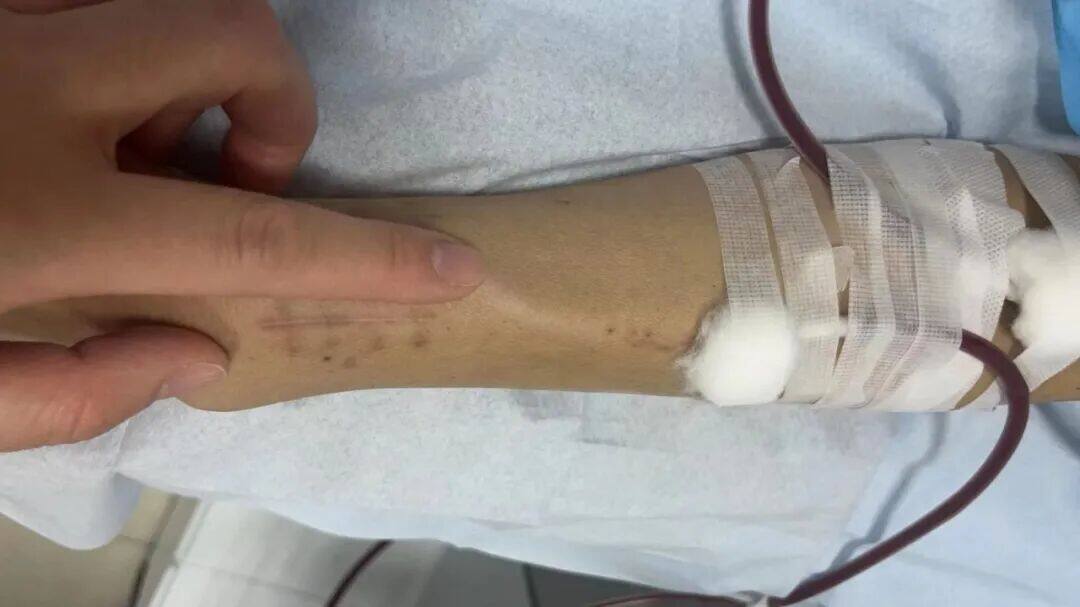
On the day of the surgery, hemodialysis was performed with a pump-controlled flow rate of 220ml/min for 4 hours. The patient was stable after getting off the machine without any discomfort.
Follow-up
Discharge Status:The patient's condition is stable. The re-examination of the right upper limb arteriovenous fistula ultrasound shows: RI 0.52, blood flow 980ml/min (preoperative 220ml/min). One month after discharge, a telephone follow-up was conducted. Currently, the flow is good, venous pressure is normal, and it takes 20 minutes to stop bleeding by pressing after needle removal.
Case Summary
Case Characteristics:Repeated stenosis in a short period with significant rebound of the stenotic segment; coexistence of valve stenosis and intimal thickening as etiologies; under such conditions, the stenosis is prone to rebound, and after the stenotic segment is opened, palpation reveals stiff blood vessels in the drift section with nodules, excessive intimal hyperplasia, and possible high-resistance fibrotic lesions.
Preoperative Assessment Key Points:The long stenotic lesion requires accurate identification of the problematic lesion location to ensure precise drug delivery; in cases of significant stenosis, if the guidewire cannot pass retrograde through the narrowing, determine the selection of the distal radial artery sheath entry position.
Surgical Strategy/Technical Key Points:The patient experienced multiple stenoses in a short period with significant rebound, making this scoring-drug coated balloon highly suitable; during dilation, the balloon can be rotated to allow multiple cuts at the stenotic site, preventing recoil. The balloon should maintain pressure for a sufficient amount of time.
Characteristics/Usage Tips of the Device:Reduce the contact between the balloon body and the external environment by using a 7F short sheath; keep the protective sleeve on the balloon body, and advance the balloon along the guidewire to the sheath opening until it is firmly seated to minimize drug loss; before starting dilation, ensure the balloon is positioned at the lesion site; maintain balloon dilation for 90 seconds; after releasing pressure, repeat dilation 2-3 times; excellent deliverability; stubborn stenosis is easily resolved.

Expert Introduction

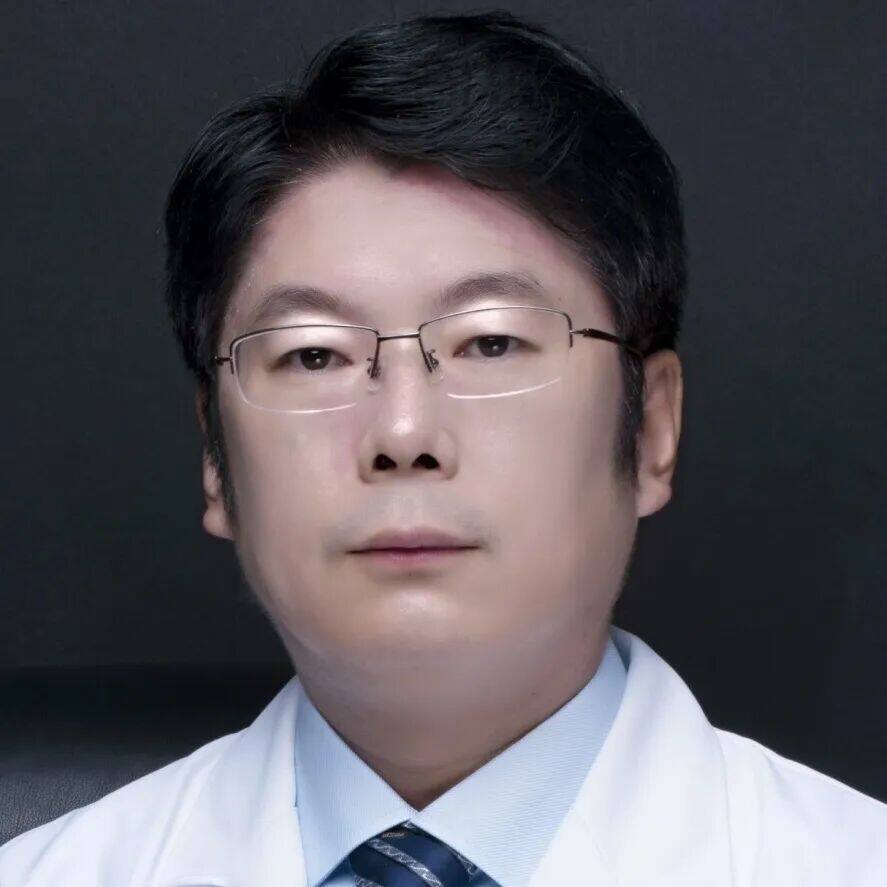
Quandong Bu, Associate Chief Physician
Surgeon of This Case
Deputy Chief Physician of the Department of Nephrology, Affiliated Hospital of Qingdao University. One of the core members of the department's Access Study Group.
Academic Part-time Positions: Deputy Leader of the Vascular Access Group, Committee of the Shandong Provincial Medical Association's Blood Purification Branch; Member of the Vascular Access Group, Shandong Research Hospital Association; Member, Qingdao Medical Association's Blood Purification Professional Committee; Member, Qingdao Association of Integrated Traditional Chinese and Western Medicine's Nephrology Professional Committee; Member, Qingdao Association of Integrated Traditional Chinese and Western Medicine's Vascular Access Professional Committee; Member, Quality Control Expert Group, Qingdao Heart Failure Center Alliance.
With over 20 years of experience in nephrology and blood purification, skilled in the establishment and maintenance of vascular access for hemodialysis. Published more than 20 papers, 8 of which were indexed by SCI, co-authored 1 book; holds 2 invention patents.

Wang Yanfei, Attending Physician
Surgeon of This Case
Qingdao University Affiliated Hospital, Attending Physician, Department of Nephrology,Member of the Qingdao Geriatric Medicine Association, Member of the Shandong Refractory Hypertension MDT Branch.
Proficient in the diagnosis and treatment of various primary and secondary glomerular diseases, as well as acute and chronic renal failure. Participated in multiple national, provincial, and municipal research projects, and published 5 papers.
Awarded the Second Prize for both Individual and Team in the "Qingdao City Health Cup Resident Physician Skills Competition," honored as a "Qingdao City Professional Technical Post Expert," winner of the First Prize in the "First Diagnostics Competition of Qingdao University Affiliated Hospital," First Prize in the "CKD Classic Case Competition at the Grassroots Level," and the First Prize in Shandong Province for the "Hengrui Cup—CKD Chronic Disease Management Skills Competition." Also recognized as an "Outstanding Resident Physician in China."
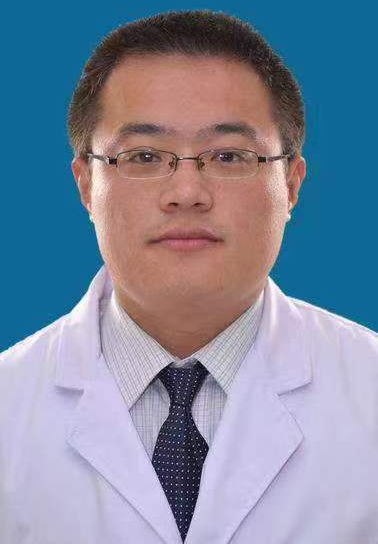
Ma Chao, Associate Chief Physician of Traditional Chinese Medicine
Surgeon of This Case
Associate Chief Physician of Traditional Chinese Medicine, Master's Degree.曾于北京东直门医院、山东省立医院、烟台毓璜顶等医院进修学习血液净化、内分泌肾病等相关专业,擅长血液净化等相关疾病的中西医治疗。
Serves as a member of the Shandong Provincial Association of Traditional Chinese Medicine's Nephrology Professional Committee and a member of the Shandong Geriatric Disease Association's Traditional Chinese Medicine Association.

Department Introduction

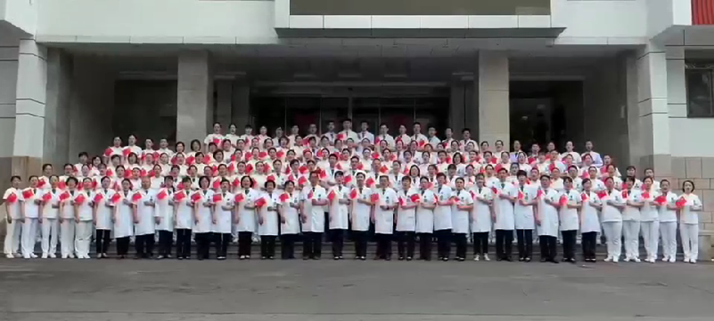
The Nephrology Department of the Affiliated Hospital of Qingdao University was established in 1979, being the first tertiary nephrology discipline in the province with independent wards and a complete organizational structure. It is currently a national pharmaceutical affairs base for nephrology, a national residency training base for nephrology, a national continuing medical education base, a Shandong Province blood purification nursing training base, a key clinical specialty of Shandong Province, a key clinical specialty of Qingdao City, and the Qingdao City Key Laboratory of Nephrology.
The department is a comprehensive kidney disease diagnosis and treatment center integrating clinical practice, scientific research, and teaching, covering five hospital areas in Shinan, Laoshan, West Coast, Shibei, and Pingdu. It has a staff of 120 medical professionals, including 9 chief physicians, 11 deputy chief physicians, and 20 mid- to junior-level physicians; among them are 1 Taishan Scholar Distinguished Expert, 1 Taishan Scholar Young Expert, 1 Outstanding Youth Talent in Health and Medicine of Qilu, 2 top professionals in Qingdao, and 1 excellent discipline leader from the Qingdao Health Commission. The department has also appointed 1 honorary director and 1 research deputy director. Long-term cooperative relationships have been established with Mayo Clinic, Stanford University, University of Utah, and Emory University, and several physicians have been sent abroad for further training.
The Nephrology Department of the Affiliated Hospital of Qingdao University was one of the first master's degree authorization points approved by the State Council. It is also a doctoral degree authorization point and a postdoctoral workstation. As a national training base for nephrology specialty resident physicians, it includes one postdoctoral supervisor, two doctoral supervisors, eight master’s supervisors, and ten overseas-trained physicians. Each year, the department cultivates outstanding professionals for society and has successively received honorary titles such as "Outstanding Resident Physician in China" and "Outstanding Teaching Unit for Resident Physicians." The team trains more than ten master's students, one to two doctoral students, and one to two postdoctoral fellows annually.
The department currently has 111 beds, with an annual outpatient and emergency volume of more than 90,000 people and over 800 surgeries. It is equipped with 201 hemodialysis machines, 18 CRRT machines, and 6 automated peritoneal dialysis machines. The department serves more than 800 regular hemodialysis patients annually, follows up with over 300 peritoneal dialysis patients, and completes more than 800 renal biopsy procedures each year.
The department, as a provincial and municipal hemodialysis specialist nurse training base, receives more than a hundred specialist nurses and trainees each year. It has continuously undertaken the training of hemodialysis specialists in Shandong Province, training nearly a hundred specialists. The department has gained recognition from the trainees and contributed to the development of hemodialysis centers in hospitals at all levels around Shandong Province. It actively promotes various new technologies and projects, such as the application of SCUF in patients with cardio-renal syndrome, pediatric hemodialysis, plasma exchange, citrate anticoagulation, and other new technologies, achieving good social and economic benefits and winning the hospital's major rescue award.
The department hosts the "Peninsula Nephrology Forum" annually, undertakes national and provincial continuing education projects, and invites well-known professors from China and abroad to share their expertise. The department also serves as the Secretary General unit of the World Chinese Nephrology Association, organizing the Nephrology Sub-forum of the World Chinese Physicians Association each year, holding considerable international influence.
In recent years, the department has undertaken 11 projects supported by the National Natural Science Foundation of China, more than 10 provincial and ministerial-level projects, with a total funding for project research and specialty development exceeding 18 million yuan. It has successively received 20 awards at the provincial and municipal levels, including 20 awards for scientific and technological progress, and published over a hundred SCI papers. Subspecialties include: Acute Kidney Injury, Hemodialysis Vascular Access, Metabolic Disease-Related Kidney Damage, Immune-Inflammatory Kidney Diseases, Peritoneal Dialysis, and HBV-Associated Glomerulonephritis.
Copyright Statement: This platform aims to help healthcare professionals better understand the latest developments in relevant disease areas. The information published on this platform does not imply agreement with its descriptions or viewpoints, but rather serves to provide more information. If there are any copyright issues, we kindly request the rights holder to contact us, and we will address them as soon as possible. The information is intended solely for healthcare professionals to stay informed, and should not replace professional medical guidance in any way, nor should it be considered as medical advice. If such information is used for purposes other than staying informed, this platform and its authors assume no responsibility.Contact Email for Cooperation:vascular@edoctor.work。