

Q1 2024 Global Top 10 MNC Pharma Earnings Report: Revenue Rankings, Key Product Performance, and Strategic Highlights
Johnson & Johnson
Medical Device R&D and Manufacturer
Welcome to follow Asymchem Pharma News
As global pharmaceutical companies have successively disclosed their Q1 2024 financial reports, there have been some changes in revenue compared to 2023.
Ranked by the total revenue of pharmaceutical companies, currentlyTop 10 Q1 Revenue Earners in Sequence Are: Johnson & Johnson, Roche, Merck & Co., Pfizer, AstraZeneca, AbbVie, Bristol-Myers Squibb (BMS), Novartis, Sanofi, Novo Nordisk.
Notably, thanks to the significant increase in sales of the weight-loss injectable semaglutide,Novo Nordisk Surpasses GSK and Lilly for the First Time, securing a spot on the list. Additionally, Bayer released its annual financial report in March 2024, reporting total revenue of 47.637 billion euros, ranking approximately 6th in total revenue. However, its pharmaceutical revenue was only 18.081 billion euros. Due to the timing of the disclosure, this ranking does not include Bayer's Q1 2024 financial data.
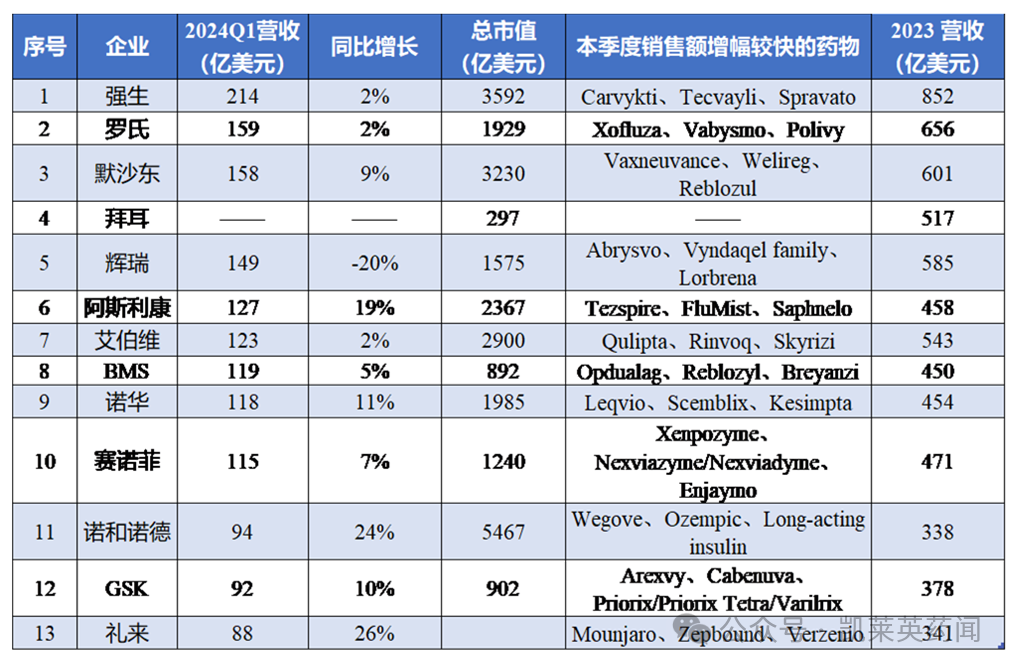
(Exchange rate conversion and total market value are based on May 6th)
1
Johnson & Johnson
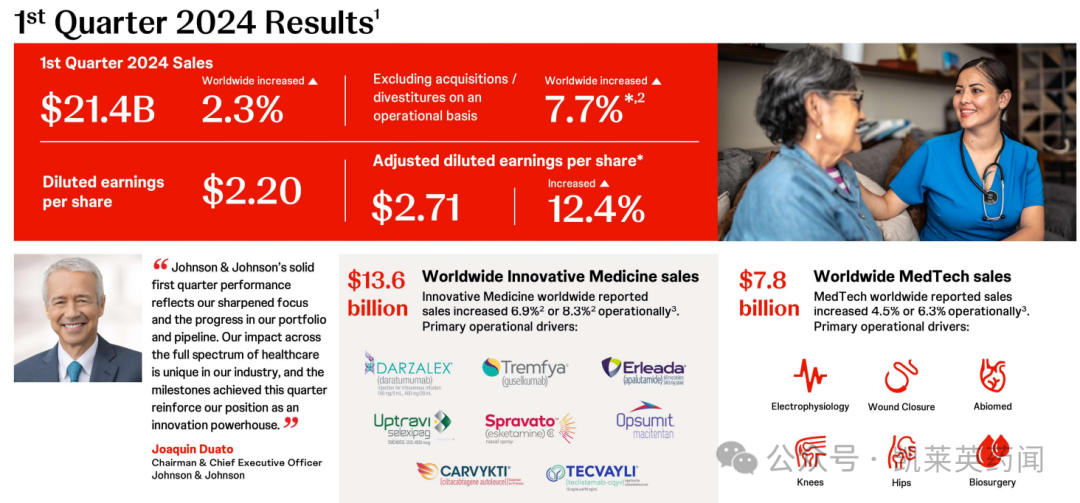
On April 16, Johnson & Johnson released its Q1 2024 financial report, with total revenue of $21.383 billion, a year-on-year increase of 2.3%; R&D investment was $3.542 billion, a year-on-year increase of 2.5%. In the innovative drug segment, Johnson & Johnson focuses on areas such as autoimmune diseases, oncology, neuroscience, infectious diseases, pulmonary arterial hypertension, cardiovascular and metabolic diseases, achieving Q1 revenue of $13.562 billion, a year-on-year increase of 1.1%. In the medical technology segment, Johnson & Johnson is committed to fields like surgery, orthopedics, ophthalmology, and interventional solutions, generating Q1 revenue of $7.821 billion, a year-on-year increase of 4.5%. By therapeutic area, autoimmune disease-related revenue in Q1 was $4.247 billion, a year-on-year increase of 3.3%, primarily driven by Stelara (ustekinumab, Q1 revenue $2.451 billion, +0.3%) and Tremfya (guselkumab, Q1 revenue $808 million, +26.3%). Given that Stelara's U.S. patent expired in September 2023, it remains to be seen whether Tremfya can take over as the company’s key product in this field. In oncology, Q1 revenue reached $4.814 billion, a year-on-year increase of 17.1%; the leading drug Darzalex (daratumumab) generated Q1 revenue of $2.692 billion, a year-on-year increase of 18.9%; Carvykti (cilta-cel) achieved Q1 revenue of $157 million, representing an increase of 118% compared to the same period last year. Going forward, Erleada (apalutamide) and Tecvayli (teclistamab) are also expected to drive continued growth in oncology sales. Neuroscience-related revenue in Q1 was $1.803 billion, flat compared to last year; the pulmonary arterial hypertension segment performed well, with Opsumit (macitentan) and Uptravi achieving Q1 revenues of $524 million and $468 million, respectively, representing year-on-year increases of 19.1% and 29.2%. Finally, Johnson & Johnson expects full-year 2024 sales to grow by 5.5%-6% ($88.7-89.1 billion), higher than the previously forecasted range of 5%-6% ($88.2-89.0 billion).
2
Roche
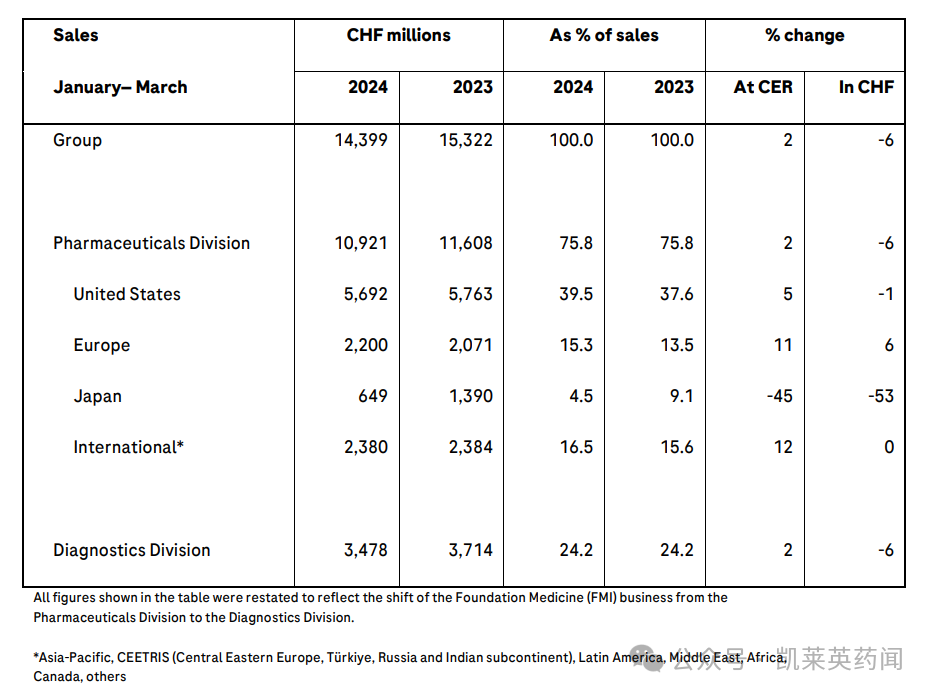
On April 24, Roche released its Q1 2024 financial report, with total revenue of 14.399 billion Swiss francs, a year-on-year increase of 2% (at constant exchange rates, CER). Excluding COVID-19 related products, sales grew by 7%. Pharmaceutical business revenue was 10.921 billion Swiss francs, up 7% year-on-year, while diagnostics business revenue reached 3.84 billion Swiss francs, up 8% year-on-year. In the pharmaceutical sector, Vabysmo, a bispecific antibody in ophthalmology, achieved Q1 sales of approximately 847 million Swiss francs, marking a 108% year-on-year growth. The drug has already secured three indications, including treatment for macular edema secondary to retinal vein occlusion (RVO), diabetic macular edema (DME), and wet age-related macular degeneration (wAMD). Additionally, in the second half of this year, Roche aims to add diabetic retinopathy as the fourth indication for Vabysmo. In the oncology field, Polivy (polatuzumab vedotin) and Phesgo (pertuzumab) also contributed significantly to sales growth, with revenues of 387 million Swiss francs (+70%) and 249 million Swiss francs (+80%), respectively. In the autoimmune space, Ocrevus (ocrelizumab) generated approximately 1.66 billion Swiss francs in Q1, an 8% year-on-year increase. With the approval of injectable Ocrevus expected in the future, the drug's sales are anticipated to exceed $2 billion. Additionally, Hemlibra, a treatment for hemophilia A, achieved Q1 sales of about 1.04 billion Swiss francs, up 8% year-on-year. In this earnings announcement, the company also announced the discontinuation of several early-stage assets, including: RAF kinase inhibitor belvarafenib (RG6185), Raf kinase inhibitor camonsertinib (RG6526), CD3/LY66D bispecific antibody RG6286, LepB inhibitor RG6319, RG6163, and IL-6 monoclonal antibody Enspryng (RG6168) for phase III clinical trials in the treatment of myasthenia gravis.
3
Merck & Co.
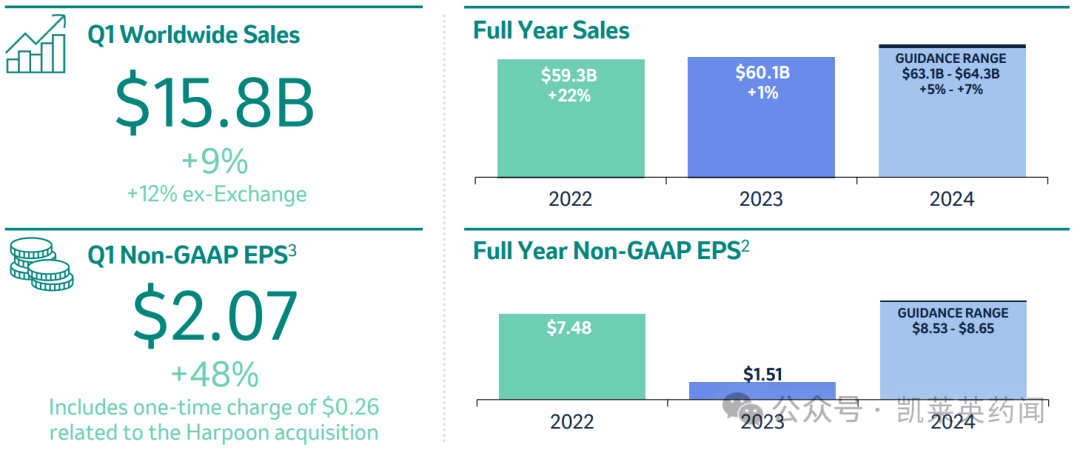
On April 25, Merck released its Q1 2024 financial report, with total revenue of $15.8 billion, a year-over-year increase of 9%; net profit was $4.762 billion, a year-over-year increase of 69%. Leveraging the strengths of its oncology and vaccine products, the company raised its full-year 2024 performance guidance to $63.1 billion - $64.3 billion, representing a 5-7% increase from the previous forecast of $62.7 billion - $64.2 billion. In the field of oncology, PD-1 monoclonal antibody Keytruda achieved sales of approximately $6.9 billion in Q1 2024, a year-over-year increase of 20%; in January 2024, Keytruda received FDA approval for use in combination with chemoradiotherapy (CRT) to treat patients with stage III-IVA cervical cancer, marking its 39th approved indication in the United States; in China, in February 2023, the indication for Keytruda in combination with gemcitabine and cisplatin for first-line treatment of patients with locally advanced or metastatic biliary tract cancer (BTC) was also approved, making it the 13th approved indication in China. In the vaccine sector, Gardasil/Gardasil 9 achieved sales of approximately $2.25 billion in Q1 2024, a year-over-year increase of 14%; the main growth driver was strong demand in the Chinese market. In March 2024, the company acquired cancer drug manufacturer Harpoon Therapeutics to strengthen its oncology product line; additionally, later that month, the FDA approved the new pulmonary arterial hypertension drug Winrevair, priced at $14,000 per vial, with projected sales reaching $5 billion by 2030.
4
Pfizer
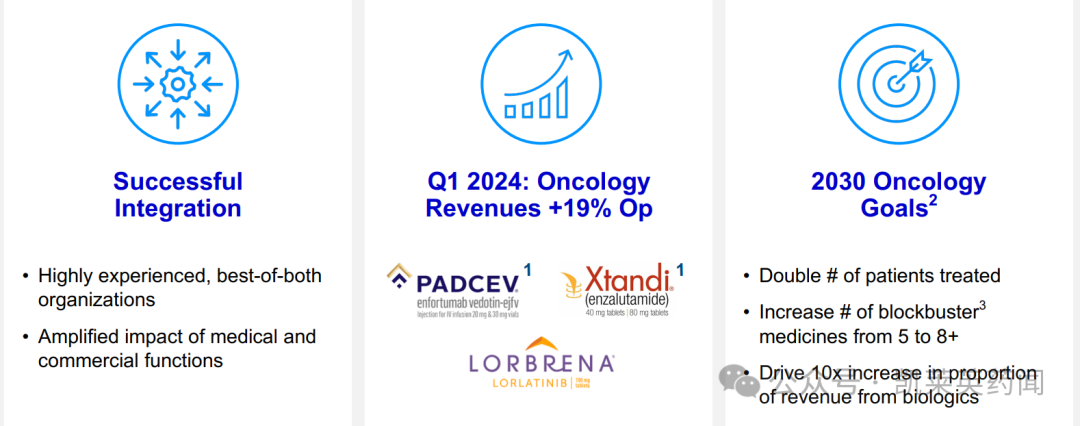
On May 1, Pfizer released its Q1 2024 financial report, with total revenue of $14.879 billion, a year-over-year decrease of 20%; net profit was $3.115 billion, a year-over-year decrease of 44%. The company's performance had experienced strong growth during the COVID-19 pandemic; excluding sales of COVID-19 products, growth was 8%. In this quarter, the oncology business was one of the company’s primary sources of income, with Q1 2024 sales reaching $3.549 billion, a year-over-year increase of 19%, driven significantly by cancer drugs such as Enfortumab Vedotin (Padcev), Enzalutamide (Xtandi), and Lorlatinib (Lorbrena). During this quarter, positive developments emerged for the ADC drugs acquired through the purchase of Seagen: Brentuximab Vedotin (Adcetris), targeting CD30, in combination with Rituximab and Lenalidomide for the treatment of relapsed/refractory diffuse large B-cell lymphoma, met the primary endpoint in the Phase III ECHELON-3 study, and the company will submit a supplemental Biologics License Application (sBLA) to the FDA. Additionally, Tisotumab Vedotin (Tivdak) received full FDA approval for second-line treatment of cervical cancer. In the rare disease sector, Vyndaqel (tafamidis meglumine), developed for transthyretin amyloidosis, achieved Q1 2024 sales of $1.137 billion, a year-over-year increase of 66%. Furthermore, the RSV vaccine Abrysvo recorded Q1 2024 sales of $145 million, with its expanded population study (ages 18-59) yielding positive results, and an application to expand its indications is currently being submitted to regulatory authorities.
5
AstraZeneca
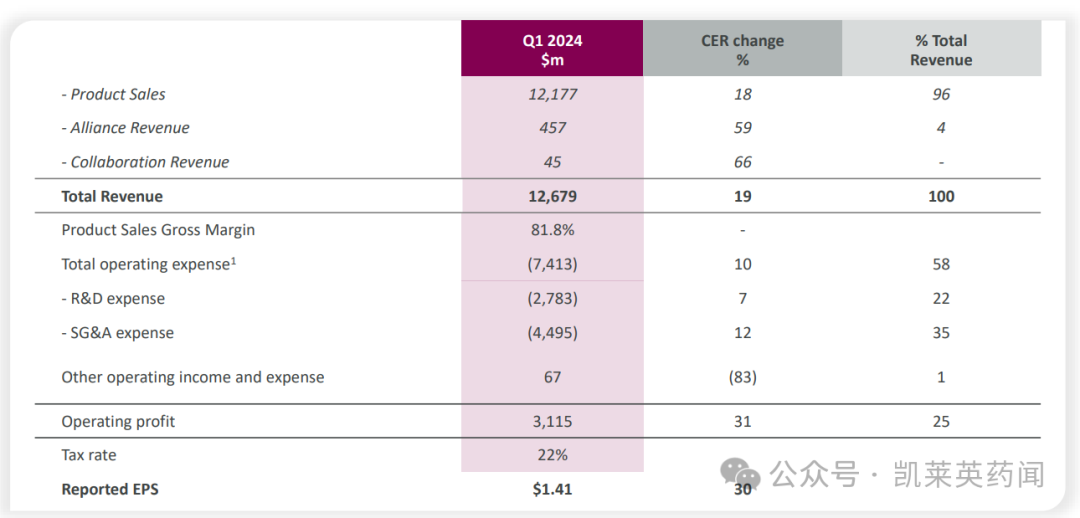
On April 25, AstraZeneca released its Q1 financial report for 2024, with total revenue of $12.679 billion, a year-on-year increase of 19% (at constant exchange rates). The company’s business is mainly concentrated in four key areas: oncology, cardiovascular, renal & metabolism (CVRM), respiratory & immunology (R&I), and rare diseases. In the field of oncology, Tagrisso (osimertinib), Imfinzi (durvalumab), Imjudo (tremelimumab), Lynparza (olaparib), Calquence (acalabrutinib), and Enhertu (trastuzumab deruxtecan) all showed varying degrees of growth. Recently, the FDA granted accelerated approval for Enhertu to treat HER2-positive solid tumors with a "tumor-agnostic" indication, offering a new treatment option for HER2-positive cancer patients globally. Additionally, PD-L1 antibody durvalumab achieved sales of approximately $1.113 billion in Q1, a year-on-year increase of 33%. Key data from the Phase III clinical trial of Imfinzi for limited-stage small cell lung cancer (LS-SCLC) suggest it may become the first IO therapy for LS-SCLC. In the CVRM sector, dapagliflozin reached sales of $1.892 billion in Q1 2024, a year-on-year increase of 45%. In the rare disease sector, Ultomiris also showed significant growth, with a new indication for neuromyelitis optica receiving FDA approval.
6
AbbVie
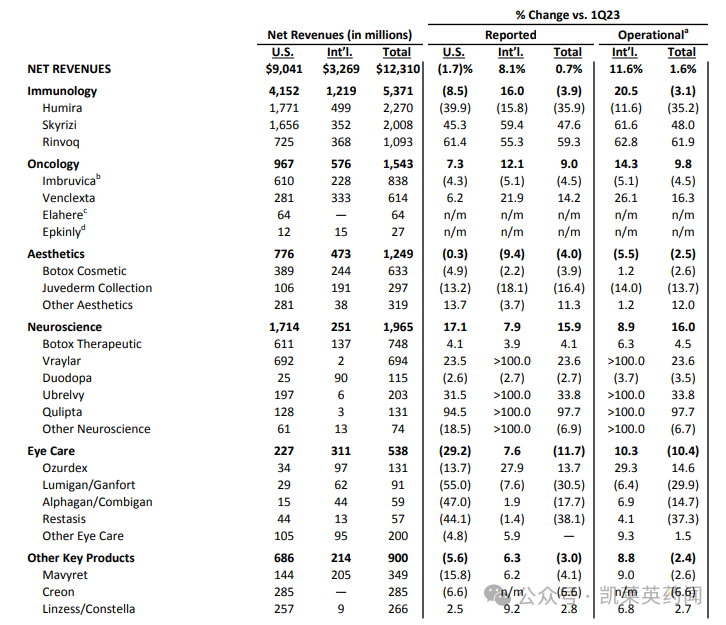
On April 26, AbbVie released its Q1 2024 financial report, with total revenue of $12.3 billion, a year-over-year increase of 1.6%. The company's business is mainly concentrated in the fields of immunology, oncology, neuroscience, and ophthalmology. Product revenue was primarily driven by the immunology and oncology portfolios. In the immunology sector, Rinvoq and Skyrizi showed strong performance, with sales reaching $1.093 billion and $2.008 billion, respectively, representing year-over-year growth of 59.3% and 47.6%. Humira, affected by biosimilar erosion, recorded sales of $2.27 billion, showing a downward trend with a year-over-year decline of 35.9%. In the oncology sector, Venclexta achieved sales of approximately $614 million, an increase of 14% year-over-year. Elahere, the first ADC drug targeting folate receptor α (FRα), received full FDA approval in March 2024 for the treatment of adult patients with FRα-positive, platinum-resistant epithelial ovarian, fallopian tube, or primary peritoneal cancer who have previously received up to three systemic therapies. Additionally, in the ophthalmology field, Ozurdex, used for posterior segment anti-inflammatory treatment, generated sales of $131 million, maintaining double-digit year-over-year growth of 13.7%. In the neuroscience sector, the star product Botox achieved sales of approximately $748 million, a year-over-year increase of 4.1%. Furthermore, Vraylar, Ubrelvy, and Qulipta also achieved double-digit growth.
7
Bristol-Myers Squibb
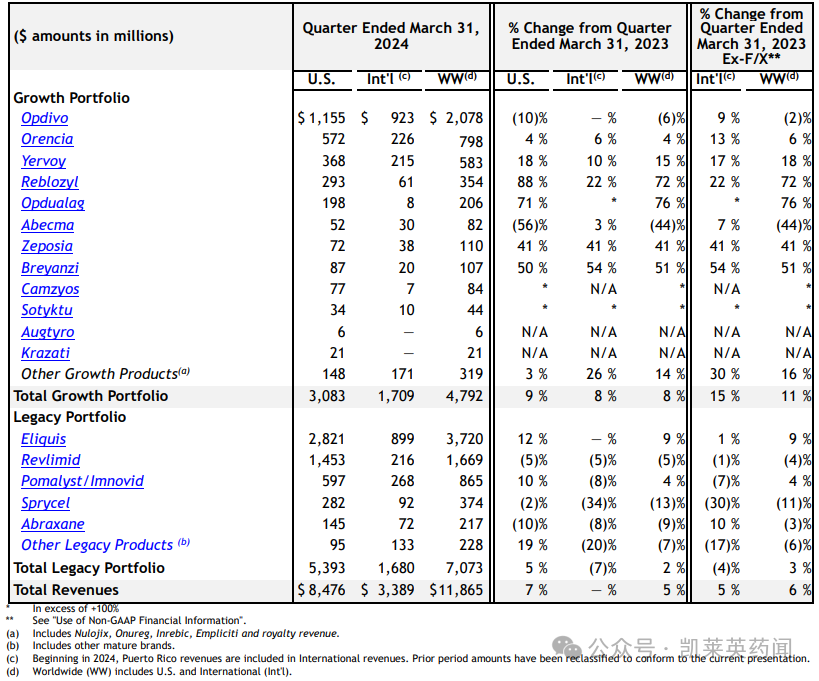
On April 25, Bristol-Myers Squibb ("BMS") released its Q1 2024 financial report, showing total revenue of $11.9 billion, a year-over-year increase of 5%; net loss was $11.9 billion, compared to a net profit of $2.262 billion in the same period last year. The company announced a downward revision of its profit forecast for this year, expecting full-year adjusted earnings per share to be between $0.40 and $0.70, significantly lower than the previous forecast of $7.10 to $7.40. The top three best-selling drugs of the company are Eliquis, Opdivo, and Revlimid, with revenues in Q1 2024 being $3.72 billion (+9%), $2.078 billion (-6%), and $1.669 billion (-5%), respectively. The core patent expiration period for Eliquis, the company’s flagship product, is from 2027 to 2029; Opdivo, the world's first approved PD-1 inhibitor, will see its patent expire in 2028; however, Revlimid is already facing competition from generic drugs. To address losses brought by patent expirations, over the past six months, BMS has acquired companies including Karuna ($14 billion), which focuses on psychiatric and neurological disease drugs, RayzeBio ($4.1 billion), specializing in radiopharmaceuticals, and Mirati ($4.8 billion), focused on oncology product development. To further repay the increased debt resulting from these acquisitions, the company announced plans to cut $1.5 billion in costs by 2025, including eliminating 12 R&D pipeline projects such as CTLA-4 antibody programs, SIRPα antagonists, and BET inhibitors, along with laying off 2,200 employees.
8
Novartis
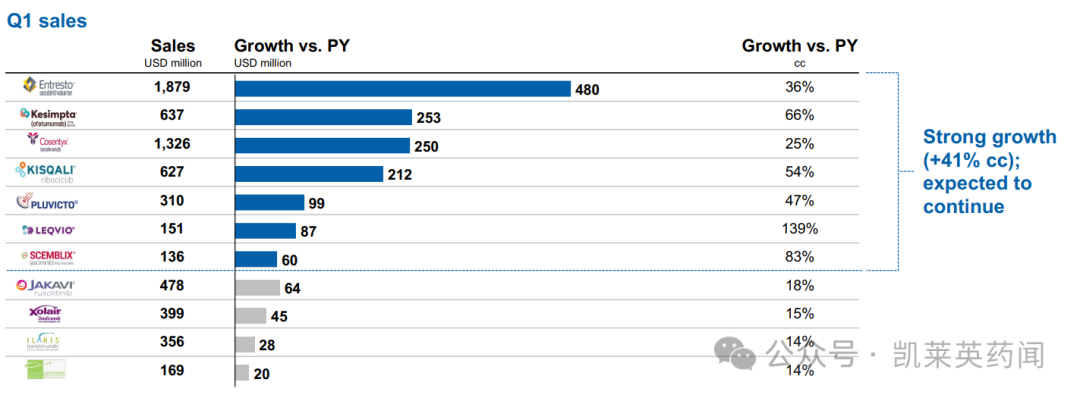
On April 23, Novartis released its Q1 2024 financial report, showing total revenue of $11.83 billion, a year-over-year increase of 11% (at constant exchange rates), surpassing the expected $11.49 billion; adjusted operating profit reached $4.54 billion, up 16% year-over-year, outperforming the anticipated $4.3 billion. Notably, revenue from the China region reached $1 billion, marking a 31% year-over-year increase. The company forecasts that its full-year 2024 sales will grow by a high single-digit to low double-digit percentage, higher than the previously projected mid-single-digit growth; core operating profit is expected to grow between a low double-digit and 15%, exceeding the earlier projection of high single-digit growth. This revenue growth was primarily driven by significant sales increases in products such as Entresto (Sacubitril/Valsartan), Kesimpta (Ofatumumab), Cosentyx (Secukinumab), Kisqali (Ribociclib), Pluvicto, Leqvio (Inclisiran), and Scemblix. Among them, the star radiopharmaceutical product Pluvicto generated approximately $310 million in sales in Q1 2024. Recently, positive data from the Phase III PSMAfore study for Pluvicto in treating PSMA-positive metastatic castration-resistant prostate cancer (mCRPC) were announced, with plans to submit a new indication application in the second half of the year. Additionally, in January 2024, Secukinumab (Chinese trade name: Cosentyx) received NMPA approval for a new indication to treat adult patients with active psoriatic arthritis, marking the third approved indication in China after moderate to severe plaque psoriasis and ankylosing spondylitis. This quarter, Novartis also announced the full acquisition of Sinovant Sciences to strengthen its presence in the renal disease sector.
9
Sanofi
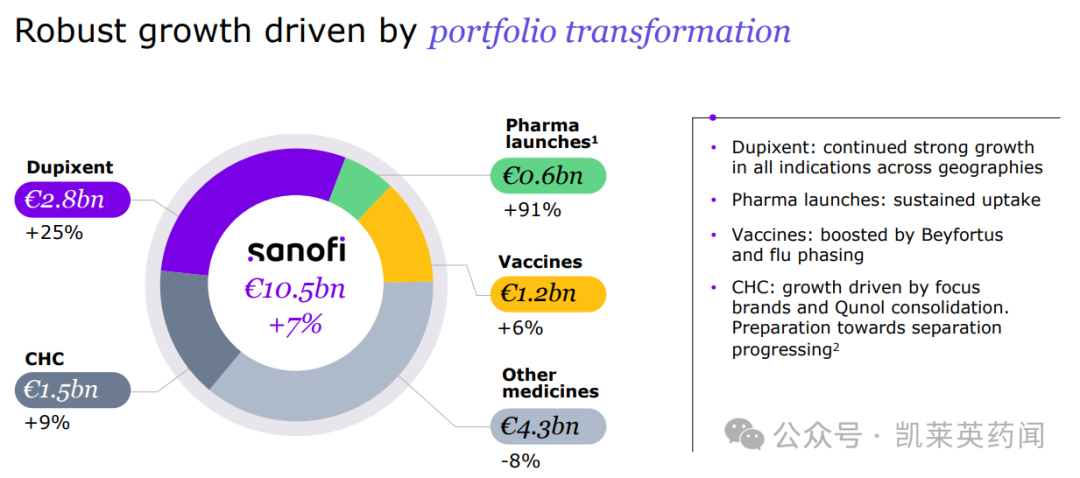
On April 25, Sanofi released its Q1 2024 financial report, with total revenue of €10.464 billion, a year-on-year increase of 6.7% (at constant exchange rates); R&D expenditure was approximately €1.719 billion, a year-on-year increase of 11.8%. Among this, pharmaceutical business revenue was €7.762 billion, a year-on-year increase of 6.4%; vaccine business revenue was €1.177 billion, a year-on-year increase of 5.6%; consumer healthcare business revenue was €1.525 billion, a year-on-year increase of 9.0%. In the pharmaceutical field, Dupixent (dupilumab), an autoimmune drug, achieved sales of €2.835 billion in Q1 2024, a year-on-year increase of 24.9%, showing strong momentum. In February 2024, its new indication for treating chronic spontaneous urticaria (CSU) patients aged 12 years and above whose condition is inadequately controlled by existing therapies was approved by Japan's Ministry of Health, Labour and Welfare (HLW). Additionally, the FDA has accepted dupilumab as an add-on maintenance treatment for certain adults with uncontrolled chronic obstructive pulmonary disease (COPD) for priority review, with a PDUFA date of June 27, 2024. Furthermore, the company’s other three high-potential innovative autoimmune drugs have also made positive progress, including OX40L monoclonal antibody Amlitelimab, CD40L monoclonal antibody Frexalimab, and BTK inhibitor Rilzabrutinib.
10
Novo Nordisk
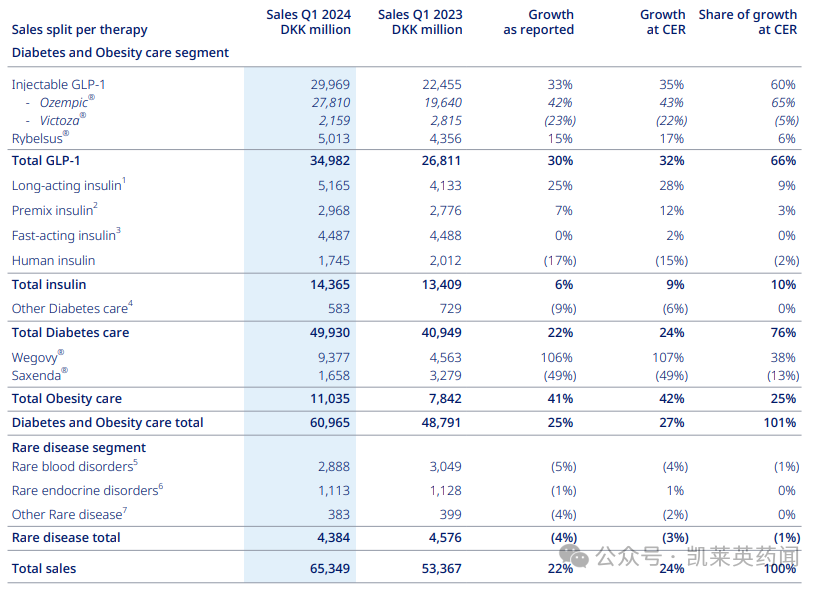
On May 2, Novo Nordisk released its Q1 2024 financial report, with total revenue of 65.349 billion Danish kroner, a year-on-year increase of 24% at constant exchange rates; revenue in China reached 4.506 billion Danish kroner, a year-on-year increase of 7%. Operating profit was 31.846 billion Danish kroner, an increase of 30%. The three Semaglutide products with different indications and formulations all maintained double-digit growth or higher. Among them, the weight-loss injection Wegovy achieved sales of approximately 9.377 billion Danish kroner, a year-on-year increase of 106%; the diabetes injection Ozempic achieved sales of approximately 27.810 billion Danish kroner, a year-on-year increase of 43%; and the oral diabetes drug Rybelsus achieved sales of approximately 5.013 billion Danish kroner, a year-on-year increase of 17%. The combined revenue of the three drugs reached 42.2 billion Danish kroner, accounting for about 65% of total revenue. The company expects Wegovy to be launched in China this year. According to predictions by analysts from the China Business Industry Research Institute, the market size of Semaglutide in China is expected to reach 8 billion yuan in 2024.
11
GSK
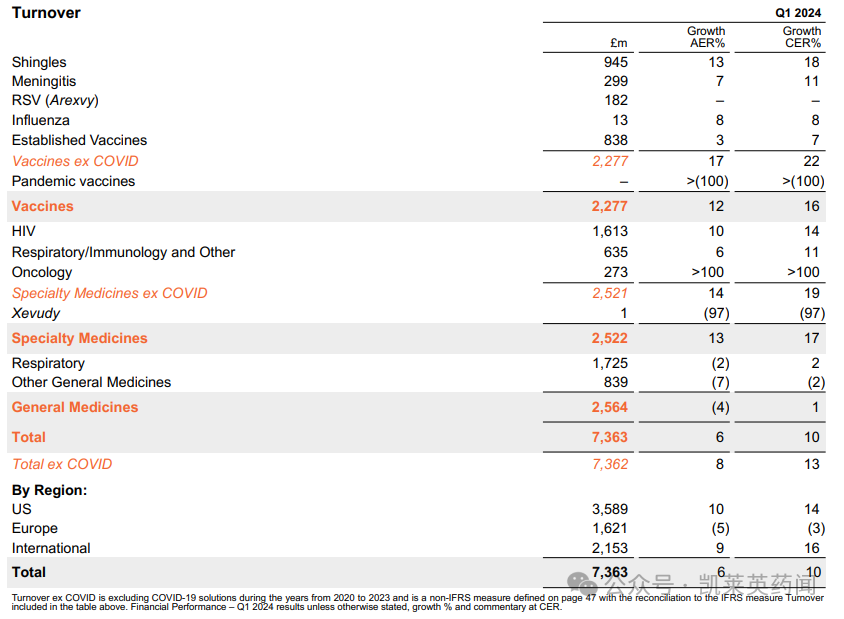
On May 1, GlaxoSmithKline ("GSK") released its Q1 2024 financial report, with total revenue reaching £7.367 billion, a year-on-year increase of 10%. Excluding the impact of COVID-19 products, the growth was 13%. The company’s four core therapeutic areas are infectious diseases, HIV, respiratory and immunology, and oncology. Among these, the vaccine business has become the core driver of performance growth. Sales of the RSV vaccine Arexvy reached £182 million, a year-on-year increase of 22%; sales of the shingles vaccine Shingrix reached £945 million, a year-on-year increase of 18%. Last month, the company submitted a Biologics License Application to the FDA for its 5-in-1 meningococcal ABCWY candidate vaccine, which was accepted, with a decision expected by February 14, 2025.
12
Eli Lilly
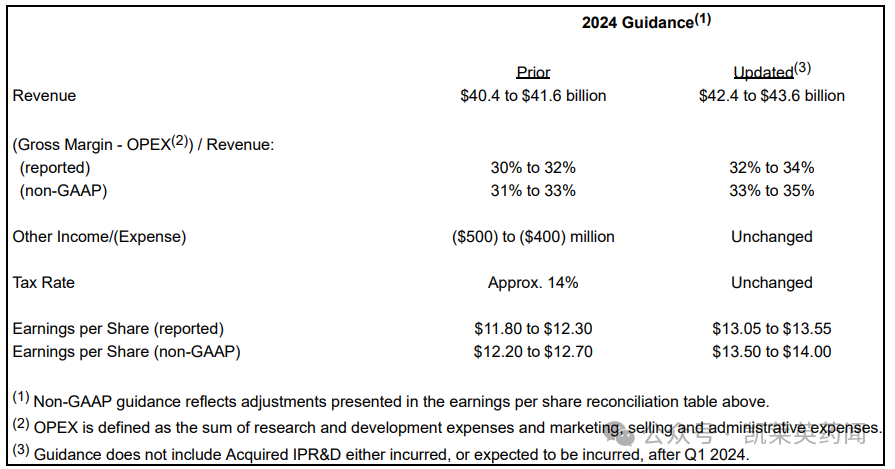
On April 30, Eli Lilly released its Q1 2024 financial report, with total revenue reaching $8.77 billion, a year-on-year increase of 26%. The company raised its full-year 2024 revenue guidance to $42.4-$43.6 billion. The robust growth in revenue was primarily driven by the sales of drugs such as Mounjaro, Zepbound, Verzenio, and Jardiance. In the metabolic field, Mounjaro achieved sales of $1.81 billion in Q1, more than tripling from the same period last year. Zepbound, approved in November last year, reached $517 million in sales in Q1 and is expected to become the highest-selling drug in history. Recently, the company announced positive results from the Phase III SURMOUNT-OSA clinical trial of tirzepatide for treating moderate to severe obstructive sleep apnea (OSA) combined with obesity. The trial showed that injections of 10mg or 15mg of tirzepatide significantly reduced participants' Apnea-Hypopnea Index (AHI), achieving the primary endpoint. This indication has the potential to unlock a $10 billion OSA market.
References
1. Official Websites of Various Companies
2. PharmaCube, Insight Database, PharmResearch Network, PharmaTimeSpace, Financial World, Biopharma Era, PharmaNotes, CPhI China
Thank you for your attention.、Forward,For reprint authorization and to join industry communication groups, please add the administrator's WeChat ID "hxsjjf1618“。



"Views"Click once