

Domestic Biotech Firms Achieve Multiple 'Firsts' in iPSC-Based Therapies for CNS Disorders Amid a Multi-Billion-Dollar Market Opportunity

XsellSmart
Stem Cell Therapy New Drug Developer

iRegene Therapeutics
Cell Therapy Product Developer
Biogen
New Drug Developer

May 7, 2024
eMedClub News
Central Nervous System (CNS) DiseaseDiverse types,According to the age of onset, it can be roughly divided into developmental, psychiatric,Neurodegenerative Diseases。Among them,Developmental Neurological DisordersIncludingDown Syndrome, Autism Spectrum Disorderetc.;Psychiatric and neurological disorders include schizophrenia, bipolar disorder, and depression.;Neurodegenerative DiseasesCommon ones includeAlzheimer's Disease, Parkinson's Disease, Huntington's Disease, Amyotrophic Lateral Sclerosis (ALS)etc.
In recent years, the number of CNS patients has been gradually increasing. As for Alzheimer's disease alone, the number of cases is expected to exceed 100 million by 2050. According to statistics from Frost & Sullivan,In the next 15 years, the global CNS drug market is expected to maintain steady growth, reaching USD 172.1 billion by 2034, with China reaching USD 57.1 billion.. Despite the huge market potential, there are still many unmet needs in the treatment of CNS today.
Recently, Biogen announced its financial report for the first quarter of 2024, with sales of Leqembi, its treatment for Alzheimer's disease, drawing significant attention. As a monoclonal antibody, Leqembi generated$19 MillionThe revenue has nearly tripled compared to the $7 million earned in the fourth quarter of 2023. This indicates that effective treatments for Alzheimer's disease are highly recognized by the market and are continuing to gain momentum. It can also be foreseen that innovative drugs targeting CNS will have a broad market in the future.
Induced pluripotent stem cells (iPSC) have significant advantages in treating CNS diseases. They possess strong differentiation and regenerative abilities and can be induced to differentiate into various types of cells required by the human body under specific conditions. Meanwhile, iPSC can be derived from the patient's own cells, which reduces immunogenicity and the risk of immune rejection after transplantation. This makes iPSC-based cell therapies safer and more tolerable for treating neurological disorders. Additionally, iPSC treatments allow precise control over the direction and quantity of cell differentiation, potentially leading to better therapeutic outcomes.
The number of iPSC-related enterprises in China is quite large,Nervous SystemThe disease field is one of the main directions. It is worth mentioning that the innovative potential of companies in China has been unleashed, and many companies have achieved remarkable results.(The following examples are listed in no particular order.)。
XsellSmartIn January this year, the transplantation treatment of Parkinson's disease was completed using a minimally invasive surgery method involving stereotactic intracranial injection of clinical-grade autologous iPSC-derived dopaminergic neural progenitor cell injections. This marks the first case in China of clinical-grade iPS-derived cell transplantation for the treatment of Parkinson's disease, as well as the first case in China and the second case worldwide of autologous iPS-derived cell replacement transplantation for Parkinson's disease.iRegeneNouvNeu001 Injection, an independently developed human-derived dopaminergic precursor cell therapy product, is the world's first universal cell therapy product based on chemical induction to enter the new drug registration clinical stage in the field of Parkinson's disease treatment.
Chengnuo MedicineALF201 is the world's first iPSC-derived cell candidate product approved for clinical trials to treat acute ischemic stroke, and has now entered the clinical trial stage.Hod BiologyiPSC-derived Forebrain Neural Precursor Cell Injection hNPC01 is the world's first FDA-authorized clinical pluripotent stem cell-derived forebrain neural precursor cell therapy product. According to the latest data released, as of April 29, the project’s registered clinical trials and clinical studies have completed dosing in 13 subjects who were 16 to 58 months post-stroke, with follow-ups lasting up to nearly 5 months. All subjects remained in stable health. Additionally,Zhongsheng Traceability、YueSai Bio、Ruizhen Regenerative MedicineCompanies such as XsellSmart have also made strategic investments in the field of iPSC cell therapy for CNS diseases and are accelerating their progress.
It can be seen that iPSC technology in China is rapidly emerging, with multiple candidate products advancing into clinical trial stages. Despite the relatively late start in China overall, this progress can be considered “catching up from behind.” Amid rapid development, iPSC-based treatments for CNS also face numerous challenges: How to effectively differentiate iPSCs into specific types of neural cells while ensuring their safety and efficacy? How to minimize issues such as genetic mutations or chromosomal abnormalities during the reprogramming process? How to overcome the tumorigenicity of iPSCs and achieve large-scale compliant production of iPSC-based candidate products?
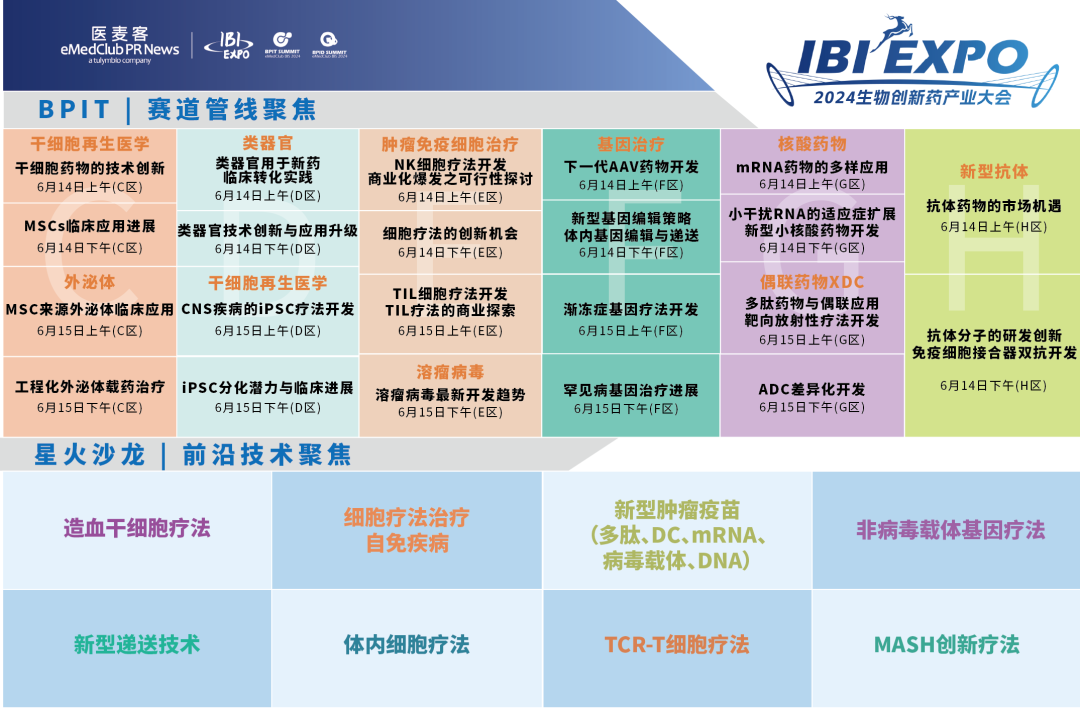
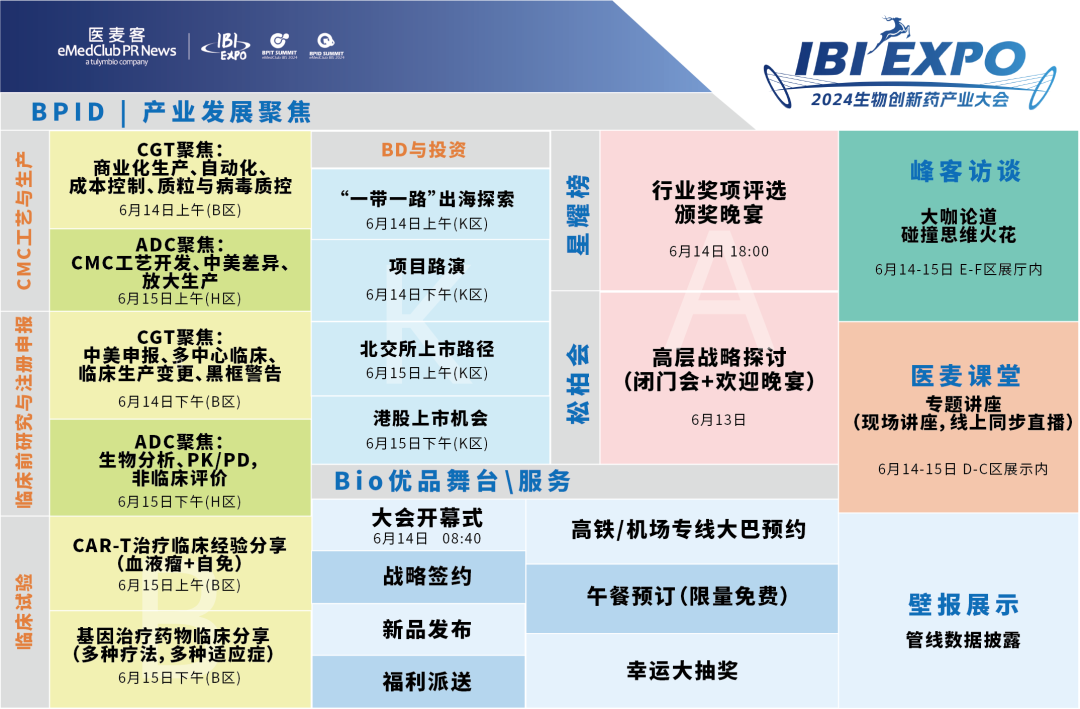
To seize the opportunities currently facing the industry, jointly overcome challenges, and promote the common development of the industry.Medlinker will host the 2024 IBI EXPO Biopharmaceutical Innovation Industry Conference in Nanjing, China on June 14-15, 2024., and convene"iPSC Cell Application Special Forum"。This conference will invite pioneers and leaders in the field to focus on the latest research trends and advancements, and to deeply discuss and forecast the future development trends of stem cell therapeutic drugs.
//
2024 IBI EXPO Schedule Overview
Scan Code
Limited Time Offer
Free Tickets



DianDian "Share”、“Like" and "In View",Give me a little recharge~"