Reference Strategies in Cytokine Engineering: Roche's Biased IL-2v Shows Limited Efficacy, IL-15 Superagonist Gains FDA Approval, and Simcere’s Attenuated IL-15 Fusion Protein Offers a Novel Approach

ImmunityBio
Developer of Immunotherapy Products

Simcere
Innovative Drug Developer
▎Traceability
If you come to a place full of treasures, there is no doubt that you will definitely choose the most valuable ones.Pick. Isn't biomedicine such a place, where PD1/PDL1 antibodies have broad coverage of indications, are safe and controllable, and serve as the cornerstone for combination therapies, thusLike a brilliant gemstone, catching everyone's attention. When all visible options are exhausted, that grain of gold buried in the soil may just be unearthed.
Cytokines are undoubtedly the gold nugget. But the difficulty in excavating them is daunting.
On April 22, 2024, N-803, an IL-15 superagonist developed by ImmunityBio, was approved by the FDA for marketing. It is used in combination with BCG to treat non-muscle invasive bladder cancer (NMIBC) that is unresponsive to BCG and accompanied by carcinoma in situ, under the trade name Anktiva. Anktiva consists of a mutant IL-15 (IL-15N72D) bound to an IL-15 receptor α/IgG1 Fc fusion protein. It specifically activates CD8+ T cells and NK cells while avoiding the stimulation of regulatory T cells (Tregs). Compared with natural, non-complex IL-15, Anktiva exhibits superior pharmacokinetic properties in patients due to its Fc component, with a longer PK profile and enhanced anti-tumor activity.
Anktiva's Journey: Submitted for Market Approval in May 2022,May 2023,ImmunityBio Receives FDA Complete Response Letter for Anktiva (N-803) Due to Third-Party Contract Producer's Non-Compliance with FDA Requirements, Resulting in Rejection of Marketing Application. Now...After a year, it has finally been approved for marketing.
The approval was based on the QUILT-3.032 trial, with clinical results showing a complete response rate (CR) of 71%. Among patients achieving complete response (CR), 62% had a duration of response (DOR) ≥12 months, and 53% had a duration of response (DOR) ≥24 months.
It should be noted that,Anktiva is administered via injection.Intravesical instillation, in a sense, this belongs to intratumoral administration. More frankly speaking, the delivery method enhances the druggability of cytokines.
There is no doubt that cellsWhether it is IL-15 or IL-2, both have been proven to have good anti-tumor effects. How to precisely deliver them into the tumor has become the main research direction.
Roche employs FAP antibodies to construct the FAP-IL2v antibody fusion protein. FAP is expressed at low levels in most adult tissues, while FAP mRNA levels are elevated across various tumor types and highly expressed on the surface of cancer-associated fibroblasts and pericytes in >90% of human epithelial malignancies.
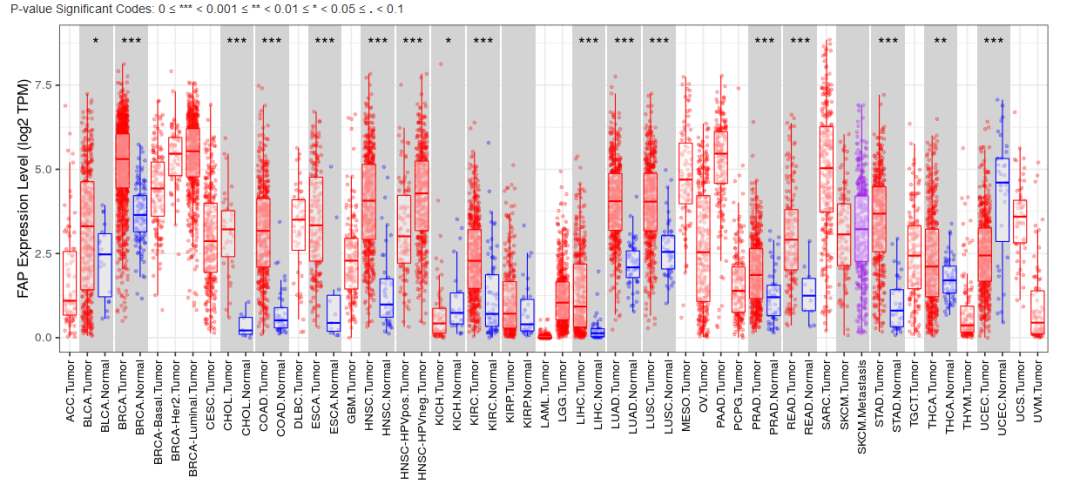
Note: mRNA expression data
Roche adopts an IL-2 mutant, which abolishes the ability to bind to IL-2Rα, with mutations at five sites: T3A, F42A, Y45A, L72G, and C125A.

The overall structure is as follows:
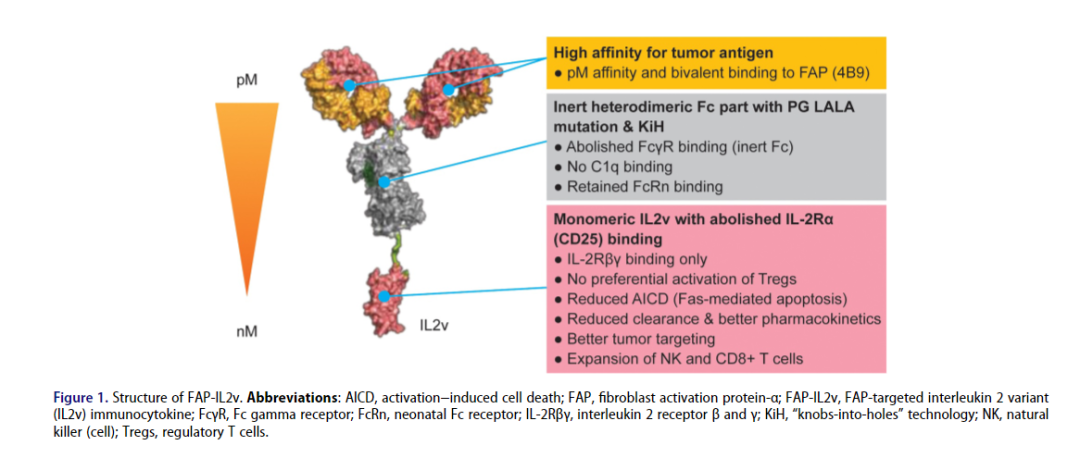
Roche's idea is simple, relying on FAP antibodies for tumor localization and using IL-2 for biased design to reduce binding and activation with Treg cells, while enhancing the activation of NK and CD8+ T cells in the anti-tumor direction.
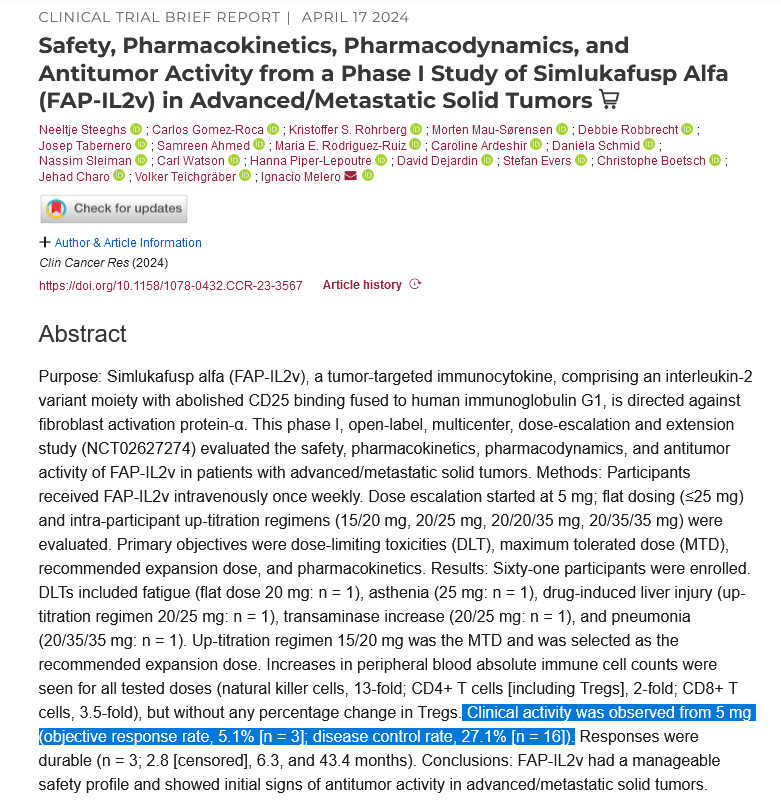
Recently, Roche published consecutively in the journal "Clinical Cancer Research"The clinical data of FAP-IL2v as a single agent and in combination therapy were disappointing.
The ORR of single-agent data is only 5%.
The data of atezolizumab combination therapy also showed mediocre performance, with an ORR of only 20.6% in the second-line population未经免疫治疗人群.
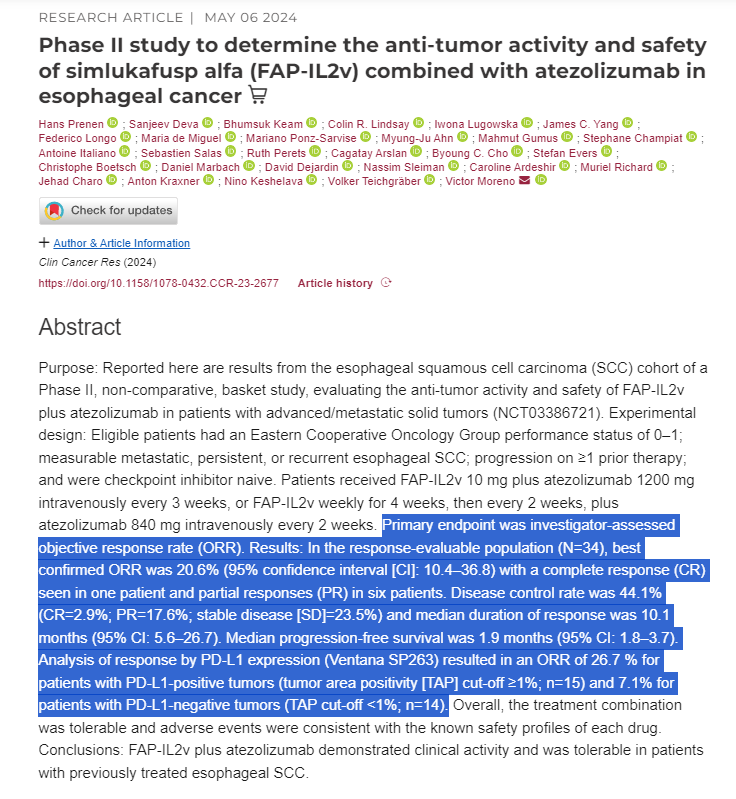
According to the data of toripalimab released by Junshi Biosciences at ASCO in 2018, it showed an objective response rate (ORR) of 18.6% and a disease control rate (DCR) of 47.5% in treating patients with metastatic ESCC.
FAP-IL2vThe combination of atezolizumab only partially reflects the efficacy data of PD-1/PD-L1 antibodies. Even with some improvement, it remains quite limited.
The conclusion that can be drawn is that, for cytokinesIL-2Systemic administration, even with the aid of antibodies targeting the tumor microenvironment, still shows limited efficacy. At the same time, whether the design of biased IL-2 can effectively suppress tumors remains a big question mark.
Replacing IL-15, or other cytokines, delivered in the form of a TAA antibody, could this lead to better results? Of course, these questions can only be answered after someone has tried, but given the current situation, creating such an antibody fusion protein is certainly not as "sexy" or favored by capital as ADCs. However, there is no doubt that once a breakthrough in delivery methods is achieved, it will bring a new future for cytokine drug development.
FAP-IL2vThe dose is still not high, affecting the overall PK profile, andIL2vFurther reduction in activity and increasing the dosing to improve the drug's PK is a concept similar to current ADC development.
From another perspective, is the true therapeutic positioning of cytokines in cancer treatment only realized when they are used in combination with cancer vaccines to prevent tumor recurrence and metastasis?
As research on tumor drugs deepens, answers will presumably emerge in the future. Currently, there are many pipeline projects that can be done with relatively low difficulty, but naturally, no one is interested in doing them. Perhaps in the future, it may become necessary to explore these areas because enhancing one's immune capability is the true fundamental approach to treating tumors.
SimcereSIM0237, a PD-L1/IL-15 antibody fusion protein, incorporates a design that partially attenuates TAA targeting. PD-L1 is expressed on tumor cells as well as immune cells. The project is currently in the clinical stage and has been submitted for regulatory approval in both China and the U.S.March 2023Completion of the first patient dosing in China. This project has a certain guiding role for the subsequent design of cytokine drugs, and if successful, will pave the way for a new generation of immunotherapy drugs. We look forward to its positive progress.
Simcere developed a reduced-activity IL15 mutant, which demonstrated promising anti-tumor effects in preclinical animal experiments.
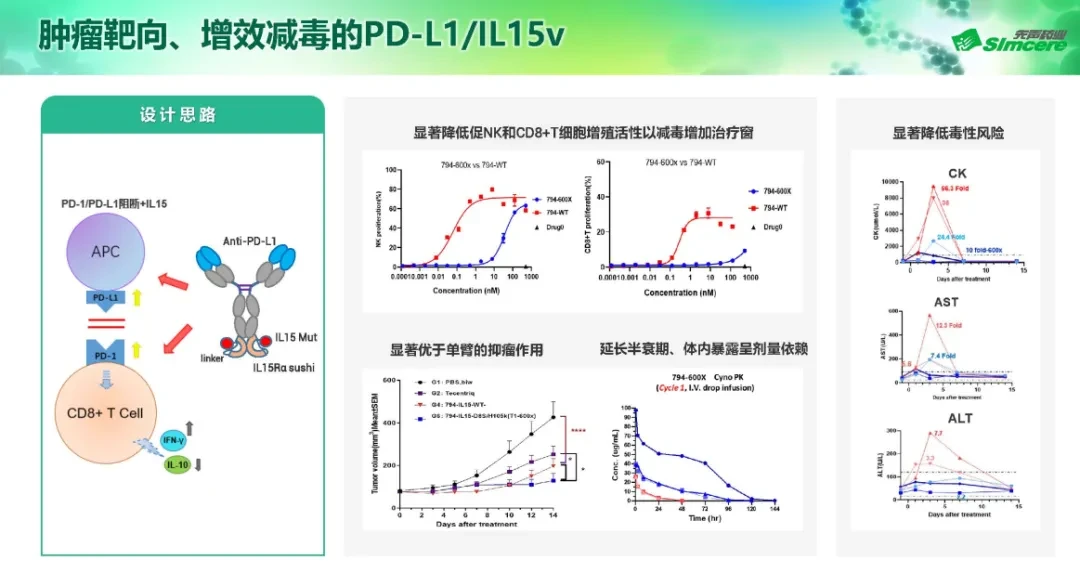
This project was developed using its protein engineering platform.
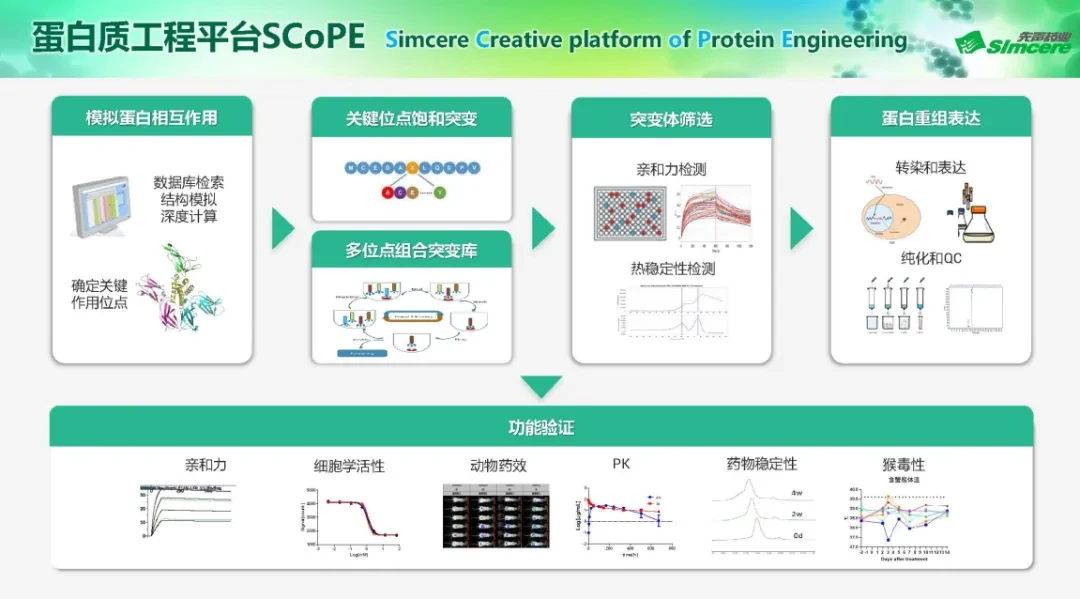
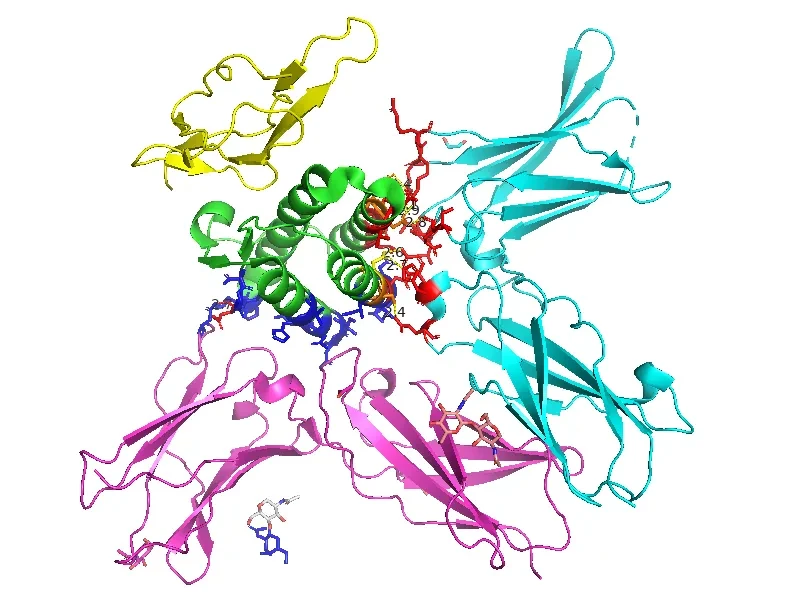
Its patent WO2021233260A1 mentions using MOE software to simulate the key amino acid sites of human IL-15 interacting with the corresponding receptor β γ chain. These are D8 and V3, I6, H105. Based on the MOE software simulation, the IL-15 mutant sequence was designed and synthesized.
In fact, the PDB database contains the corresponding crystal complex structures, so there is no need to simulate with MOE. Simulating with MOE might instead introduce errors. Of course, it could also be a matter of expression; in reality, the structure from the PDB database might have been used. Those who have long been engaged in dry lab experiments should be well aware of this. Among the four sites proposed by Simcere, analysis shows that only D8 is the primary active site, forming two hydrogen bonds with 133H and 134Y on the β chain. The interactions at the other three sites are relatively weaker and do not form hydrogen bonds.
The subsequent wet lab results of the patent basically prove that what I said is correct. In single-point mutated IL15, only mutations involving D8 significantly affect activity, while mutations at other sites have a weaker impact.
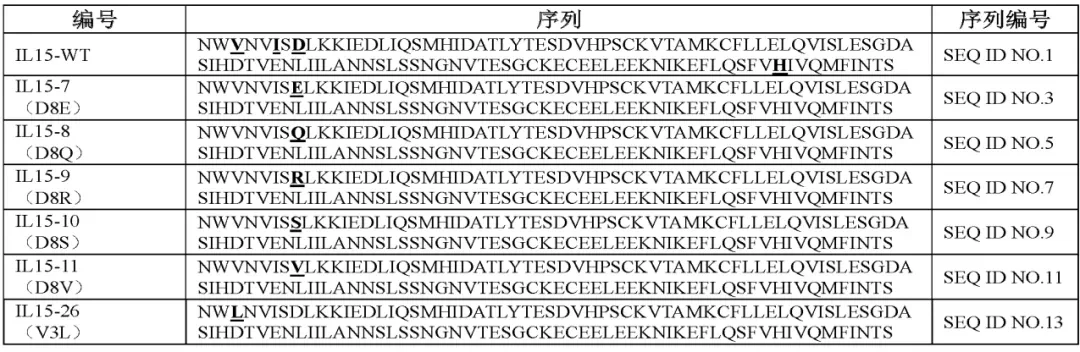
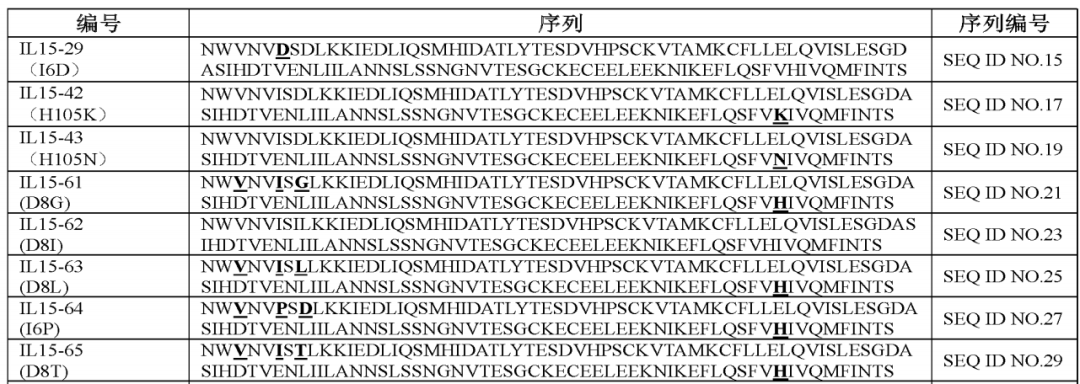
Simcere's patent is written simply, but the workload behind it is substantial. Below, I will attempt to analyze some of the rational designs at the computational level from the perspective of dry experiments. The patent contains numerous mutations, and I will only list a few. In Simcere's patent, D8 is the primary site, and I will also demonstrate at this position to align with its wet lab experiments. In fact, the key functional sites capable of forming hydrogen bonds are not limited to D8, but we will set that aside for now.
As shown in the figure, before the mutation, the wild-type D8 forms two hydrogen bonds with 133H and 134Y of the β chain.
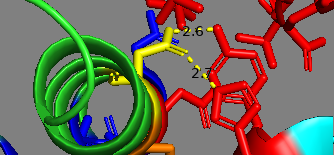
Simcere's IL15-7 (D8E) mutant replaces the 8th position D (aspartic acid) with E (glutamic acid). D and E are similar in amino acid properties, both being polar, negatively charged, hydrophilic acidic amino acids. After the change, the original activity might be retained, but simulation analysis shows one less hydrogen bond, interacting only with 134Y. Subsequent wet lab results indicate a certain degree of reduced activity.
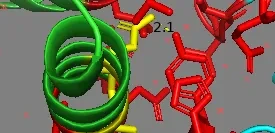
Simcere's IL15-11 (D8V) mutant replaces the 8th position D (aspartic acid) with V (valine). Simulation analysis shows that V no longer forms a hydrogen bond with amino acids on the β chain, and subsequent results confirm a significant reduction in activity.
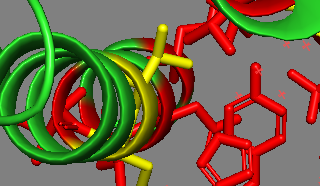
For example, some mutants such as IL15-9 (D8R), where D is a polar, negatively charged, hydrophilic acidic amino acid, and R (arginine) is a polar, positively charged, hydrophilic basic amino acid—these two have very different properties. Therefore, the change is prone to significant effects. As seen from the patent, its activity is also notably weakened.
Ultimately, Simcere selected IL15-com6 (D8S/H105K), possibly considering purity or other potential drug-like properties. H (histidine), an aromatic amino acid, forms bonds more easily. It was changed to K (lysine), which also belongs to polar, positively charged basic amino acids but has a lower likelihood of bond formation.

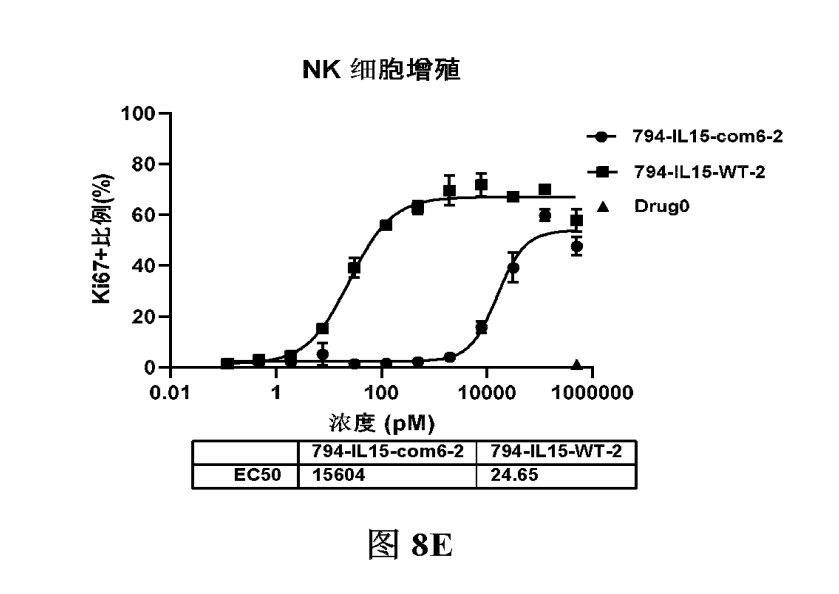
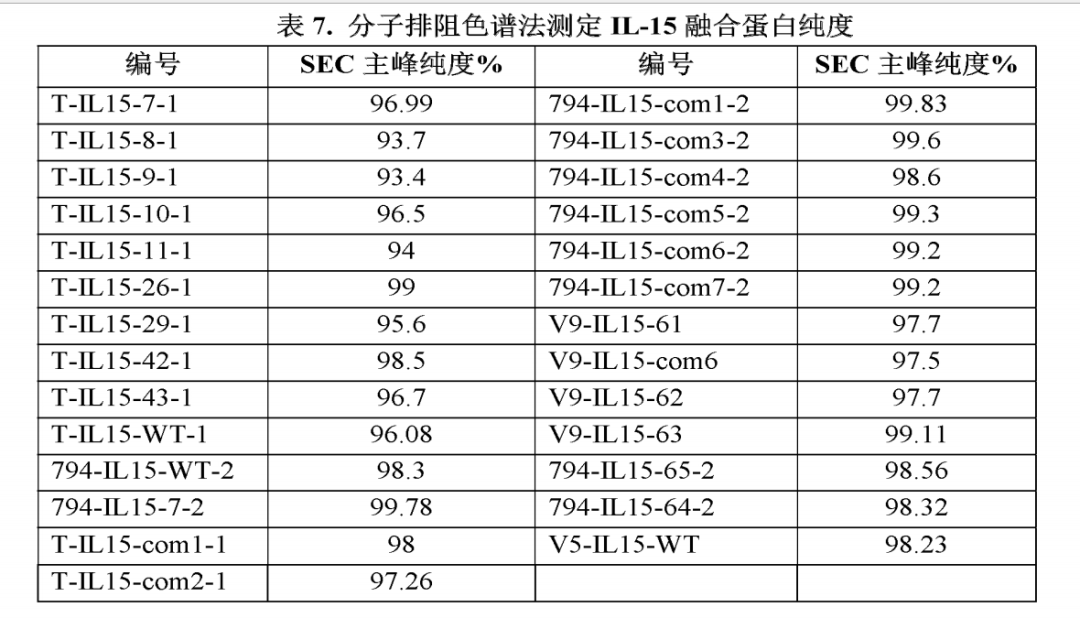
In the field of cytokines or protein engineering, computer-assisted directed evolution is a very mature concept. It existed more than a decade ago, or even earlier. This does not yet fall under AI technology. It requires a large number of wet lab experiments for validation and manual analysis.
The degree of attenuation requires extensive exploration and further clinical validation. This is actually not very easy. The work of Simcere provides excellent reference value. Looking forward to its success.